Discover Pandipedia
A growing directory of useful answers selected by the Pandi community. Search the collection or browse the latest discoveries.
2272 entries available

The Origins of the Christmas Tree Tradition
Transcript
The Christmas tree tradition is believed to have originated in Germany during the 16th century, evolving from medieval mystery plays featuring a 'paradise tree' representing the Garden of Eden, decorated with apples and wafers[5][8]. Martin Luther is often credited with adding candles to these trees after being inspired by a starlit sky[4][8]. The custom spread to England through Queen Victoria and Prince Albert in the mid-19th century, significantly popularizing the Christmas tree in both Britain and the United States[2][3][8][9].
Sources
- History of Christmas Trees ‑ Symbolism, Traditions & Trivia
- The Origin and Meaning of the Christmas Tree
- How Did the Tradition of Christmas Trees Start? | Britannica
- The Real History of Christmas Trees
- Christmas tree - Wikipedia
- Christmas tree | Tradition, History, Decorations, Symbolism, & Facts | Britannica
- The true origin of the Christmas tree: A festive history
- Why do we have Christmas trees? The surprising history behind this holiday tradition.
- History of Christmas ‑ Origins, Traditions & Facts
- The Christmas Tree
- How Christmas has evolved over centuries
Let's look at alternatives:
- Modify the query.
- Start a new thread.
- Remove sources (if manually added).
How NASA's Phoenix lander found water on Mars
Transcript
In 2008, NASA's Phoenix lander touched down in the northern polar region of Mars with a key mission: to study the history of water on the planet. Just days after landing, its robotic arm dug into the soil, creating a trench nicknamed 'Dodo-Goldilocks'. Scientists noticed clumps of bright material in the trench that vaporized over four days, strongly suggesting they were water ice. The final confirmation came on July 31, 2008. NASA announced that a soil sample, analyzed by the lander's Thermal and Evolved Gas Analyzer, a type of mass spectrometer, proved there was indeed water on Mars. This was a landmark discovery, providing the first direct evidence of water on another planet.
Let's look at alternatives:
- Modify the query.
- Start a new thread.
- Remove sources (if manually added).
What’s room 641A?

Room 641A is a telecommunications interception facility operated by AT&T for the U.S. National Security Agency (NSA), part of a broader mass surveillance program that started in 2003. Its existence was revealed by AT&T technician Mark Klein in 2006, who described it as a room where all Internet traffic passing through AT&T's facility was intercepted using advanced equipment, such as the Narus STA 6400, which can monitor vast amounts of data[1][3][4].
Located at 611 Folsom Street in San Francisco, the room utilized fiber optic beam splitters to create copies of internet traffic for surveillance purposes. Klein's disclosures led to class action lawsuits against AT&T and highlighted significant privacy concerns surrounding government surveillance practices[2][5].
Let's look at alternatives:
- Modify the query.
- Start a new thread.
- Remove sources (if manually added).
Origin and Development of the Samye Ling Tibetan Buddhist Centre in Scotland
Origin and Development of the Samye Ling Tibetan Buddhist Centre in Scotland
Historical Context and Early Beginnings
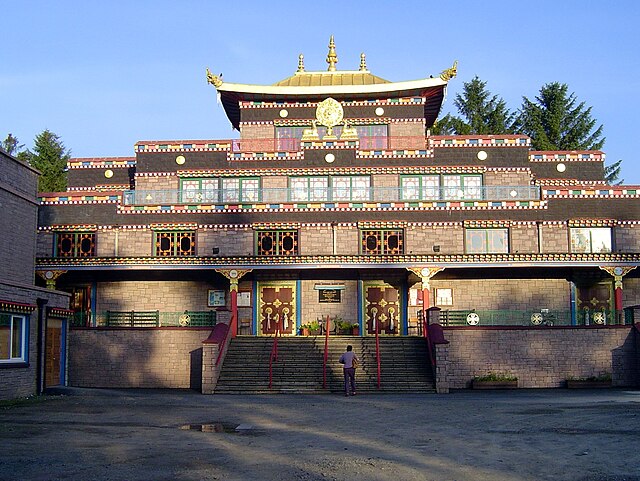
Samye Ling traces its origins to 1967 in the rolling hills of southern Scotland. Originally, the site consisted of a 19th‐century building known as Johnstone House – a former hunting lodge – around which the early contemplative community took shape. Initially, this community was led by a Canadian Theravada monk named Anandabodhi. However, when the community began to decline, the trustees of Johnstone House sought new leadership and turned to Tibetan lamas who had come to the West as refugees. This invitation marked the turning point in the centre’s history, establishing the foundations of a Tibetan Buddhist presence on Scottish soil[2][5].
Founding Vision and Leadership
The transformative moment for the centre came when the trustees invited two eminent Tibetan lamas, Chögyam Trungpa Rinpoche and Akong Tulku Rinpoche, to take over in 1967. In a decisive act of reorientation, they renamed the centre Samye Ling – ‘Samye’ referring to the first Buddhist monastic university in Tibet and ‘Ling’ meaning ‘place’ – thus linking their new establishment with the historic spiritual lineage of Tibet[1][2][5][9]. They were soon joined by master‐artist Sherab Palden Beru and the monk Samten, whose contributions in traditional art and monastic practice helped infuse the centre with authentic Tibetan cultural expressions. Although Chögyam Trungpa Rinpoche played a significant role in the early period, his presence was relatively short-lived; by 1970 he had departed for America, leaving Akong Tulku Rinpoche to assume primary leadership. Under Akong’s guidance, the centre began a process of transformation that would not only widen its scope of teaching but also establish it as a major conduit for Tibetan Buddhist teachings in the West[1][2][5][9].
Growth and Expansion


Once firmly established under Tibetan guidance, Samye Ling quickly earned recognition as the foremost Tibetan Buddhist centre in Europe. During the early seventies, the arrival of other eminent Tibetan teachers — including visits by Kalu Rinpoche, Khamtrul Rinpoche, and others — helped bolster its reputation as a hub of authentic Buddhist practice. The centre’s transformation was not limited to curriculum expansion; significant construction projects began to take shape as well. The community, motivated by deep spiritual commitment, undertook the construction of a traditional Buddhist temple. This temple infuses the site with ancient ritual significance and serves not only as a place for meditation and public prayer but also as an artistic canvas adorned by the skilled handiwork of Sherab Palden Beru and his pupils[1][6][8]. Even as the centre grew, it retained its focus on serving both resident practitioners and international visitors. Its reputation for a combination of rigorous meditation practice and the preservation of Tibetan art, crafts, and cultural traditions helped to cement its status in the West. This period of growth also saw visits by renowned figures, including the legendary musicians David Bowie and Leonard Cohen, adding a layer of modern cultural intersection to the centre’s longstanding spiritual mission[2][4][3].
Legacy and Cultural Impact


Today, Samye Ling stands as a landmark institution in the transmission of Tibetan Buddhism beyond its traditional homelands. Its founding by Akong Tulku Rinpoche and the early contributions of Chögyam Trungpa Rinpoche have ensured that the teachings, art, and humanitarian work inspired by Tibetan Buddhism remain vibrant in a Western context. Over the decades, the centre has evolved into a fully functioning monastery, retreat centre, and cultural institute dedicated to preserving Tibetan religion, culture, medicine, art, architecture, and handicrafts. Facilities have continually expanded and now include a temple complex, accommodation blocks for longer stays, and specialized spaces for meditation, lectures, and artistic pursuits[1][6][7][11].
Moreover, under the later spiritual direction of Lama Yeshe Losal Rinpoche, the centre has maintained a focus on community building and social responsibility, always reflecting the fundamental Buddhist values of non-violence, compassion, and the encouragement to serve others. Recognized as the first Tibetan Buddhist centre in the West, Samye Ling has not only influenced spiritual practice but has also contributed significantly to the cultural dialogue between East and West. Its ongoing projects, including the creation of prayer wheels and the restoration of thangkas, ensure that the ancient teachings of Buddhism continue to be accessible while fostering an intercultural exchange of ideas and artistic traditions[1][2][5][10][11].
Let's look at alternatives:
- Modify the query.
- Start a new thread.
- Remove sources (if manually added).
The CIA spy balloon that photographed the moon
Transcript
In just over 60 years, humanity has sent an incredible array of robotic spacecraft to explore our solar system and beyond. This chronicle details every one of these missions, from the ones that exploded on the launchpad to those now journeying into interstellar space. For instance, did you know that the first spacecraft to lift off from another celestial body was the American Surveyor VI, which hopped a few meters across the Moon's surface in 1967? Even more surprising, the Soviet Luna 3 probe, which took the first-ever photos of the Moon's farside in 1959, used film that was repurposed from a captured CIA reconnaissance balloon. So, here's a thought: if we've already sent our robotic emissaries beyond the solar system, what permanent mark will our species leave on the cosmos millions of years from now?
Let's look at alternatives:
- Modify the query.
- Start a new thread.
- Remove sources (if manually added).
Colapesce: The Guardian of Sicily - Story Book

Colapesce: The Guardian of Sicily
















Let's look at alternatives:
- Modify the query.
- Start a new thread.
- Remove sources (if manually added).
Is it true that DeepSeek makes a 545% profit?

DeepSeek has publicly claimed that, under idealized conditions, its cost of running inference (the phase where the AI processes user queries) is so low compared to its theoretical revenue that it would result in a “cost profit margin” of 545%[1][3][4][5]. In other words, if all token usage were billed at its premium rates, the revenue generated in a 24‑hour period would be about 545% greater than the operating costs.
However, DeepSeek itself has clarified that this figure is purely theoretical. They note that actual revenues are “substantially lower” because not all services are monetized (for example, free web and app access is maintained), and various discounts—such as those for off‑peak usage—and differential pricing between its models reduce the real-world amounts earned[1][2][4][5].
So, while the 545% figure is based on their internal cost–to–revenue calculations, it does not mean that the company is actually realizing a 545% profit in practice.
Let's look at alternatives:
- Modify the query.
- Start a new thread.
- Remove sources (if manually added).
Colapesce: The Guardian of Sicily - Short Movie
Transcript
Colapesce: The Guardian of Sicily /media/short_movies/ideas/96003/266237_movie.mp4 Poster: /media/short_movies/ideas/96003/266237_poster.png
Let's look at alternatives:
- Modify the query.
- Start a new thread.
- Remove sources (if manually added).
NEO Gamma: A Glimpse into the Future of Home Robotics
NEO Gamma: A Glimpse into the Future of Home Robotics
Introduction
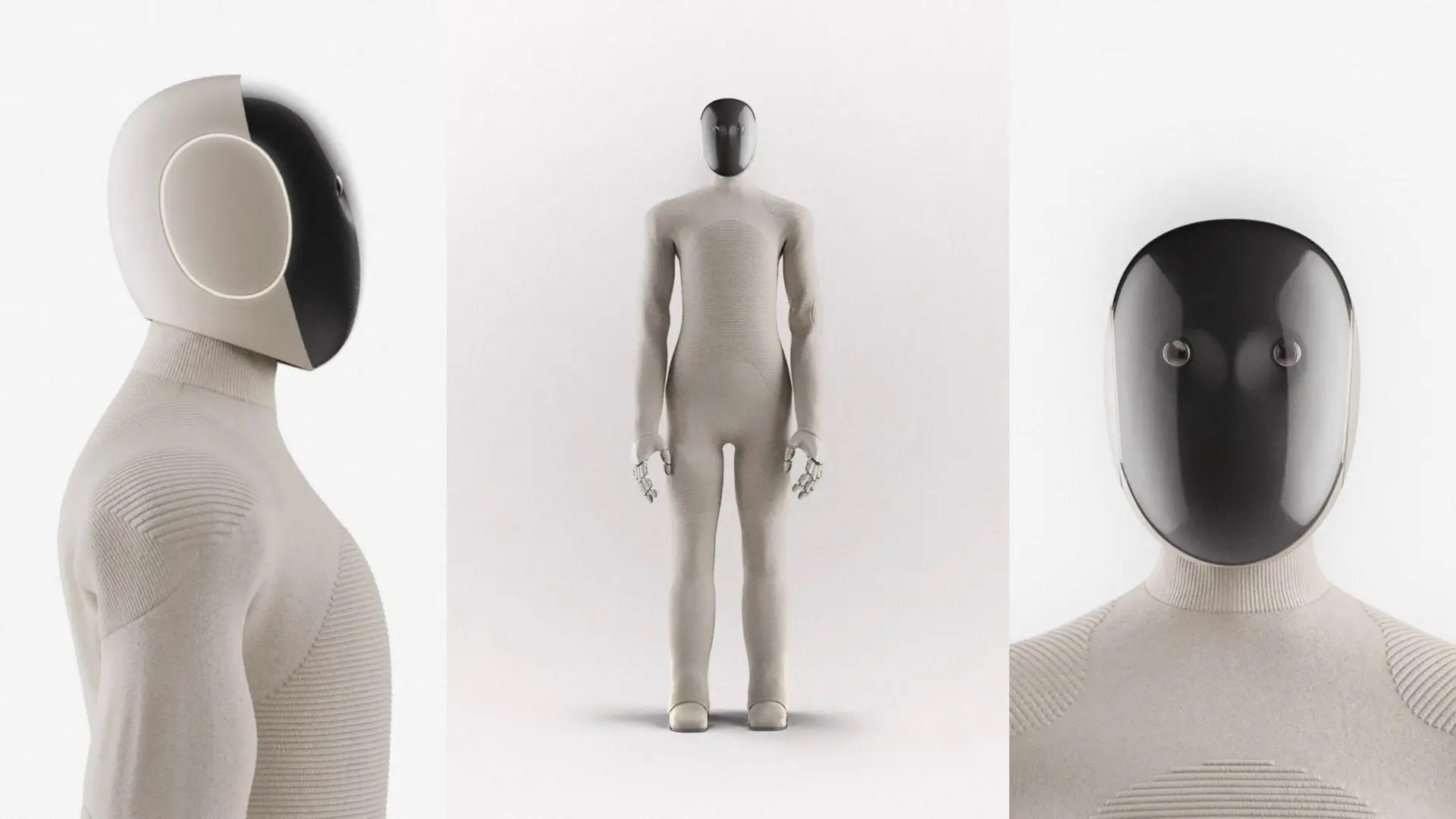
Designed as a personal assistant and companion robot for the modern home, NEO Gamma represents a bold step forward in humanoid robotics. Developed by 1X Technologies, this next-generation system is not just about automation – it is built to blend seamlessly into everyday life and help with household chores while engaging in natural interactions[1][3][10]. By focusing on domestic settings rather than industrial applications, NEO Gamma sets itself apart as a home-first solution that aims to provide both functional assistance and companionship.
Innovative Design and Aesthetics
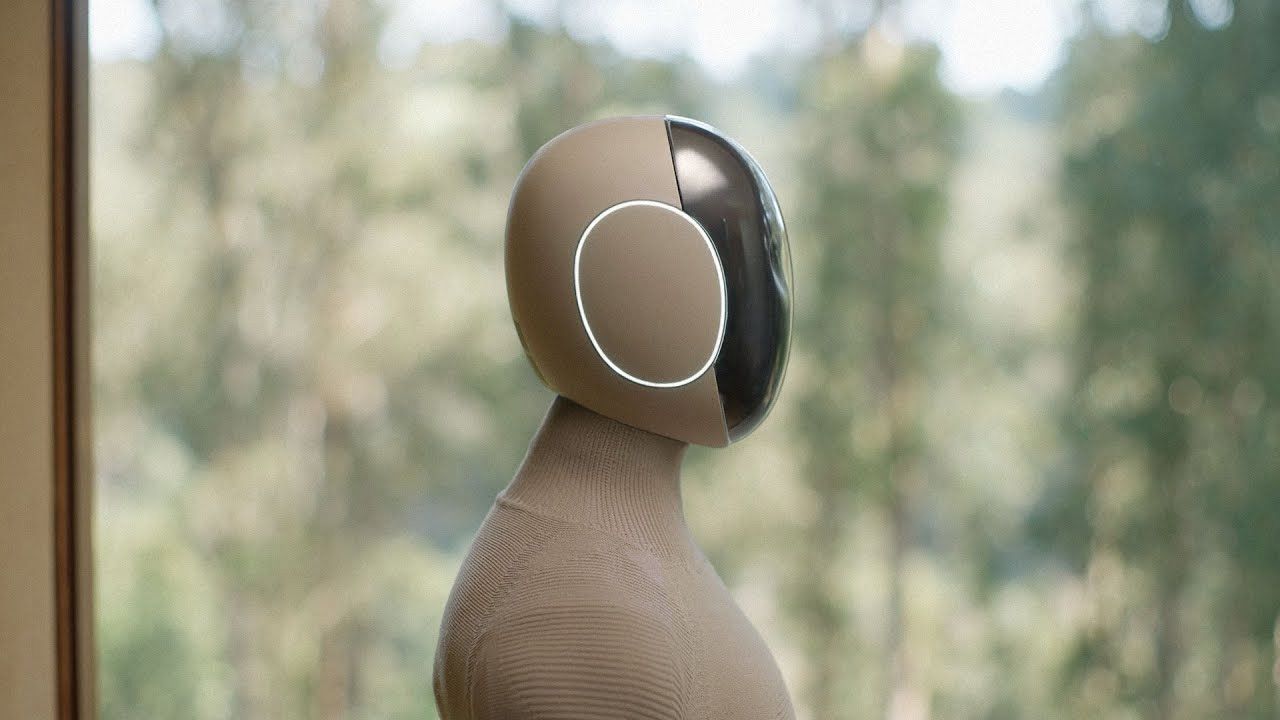
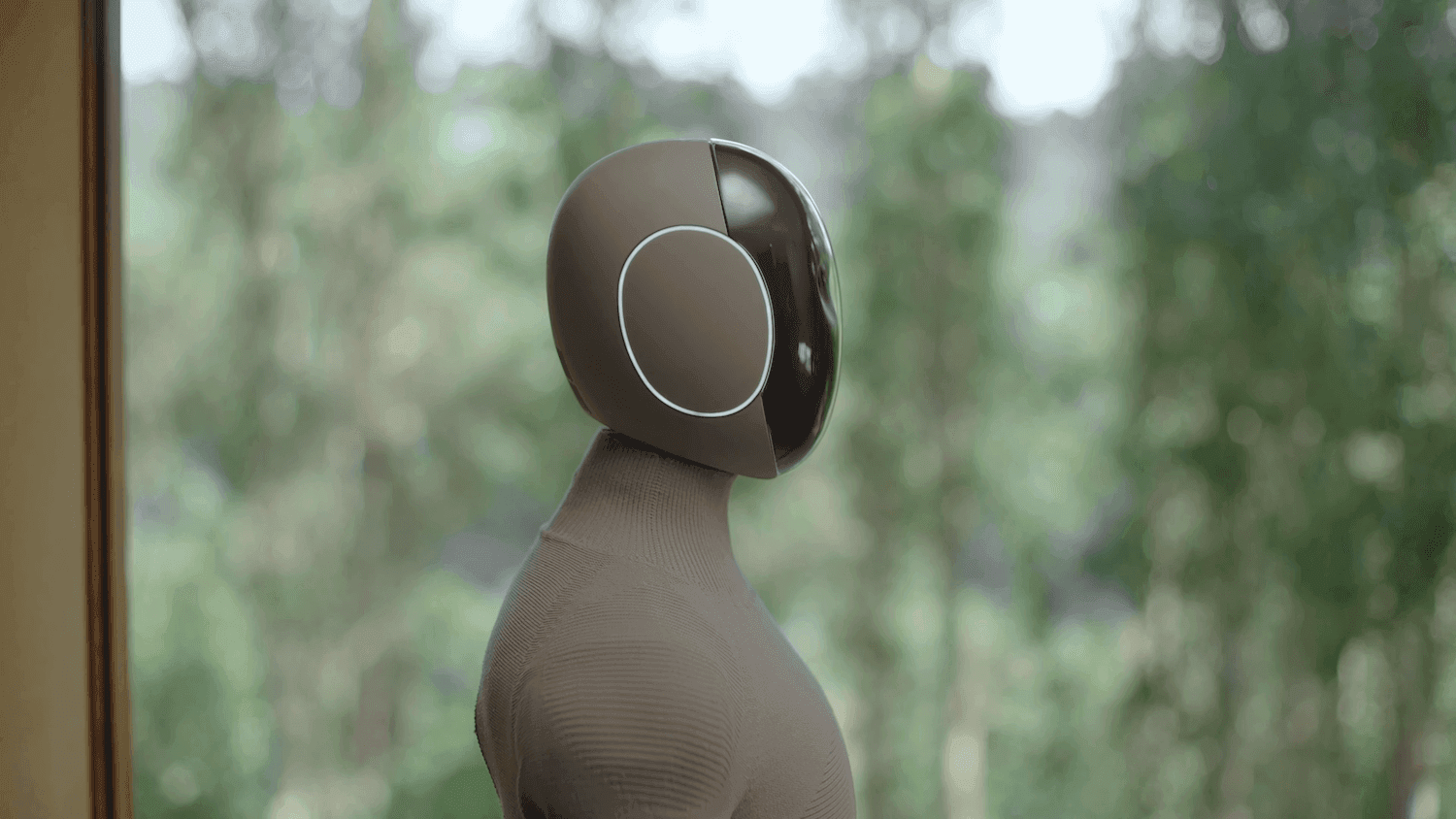
NEO Gamma’s design embodies a minimalist and approachable aesthetic. Wrapped in a soft knit suit made of 3D-printed nylon, the robot’s exterior not only hides its metallic structure but also protects home environments from accidental collisions. Its soft-touch, flexible suit is engineered using advanced techniques that ensure a comfortable, ‘clothed’ appearance while enhancing safety during movement[5][9][11]. Moreover, the inclusion of Emotive Ear Rings – LED indicators that light up during conversations – provides intuitive visual feedback, reinforcing a friendly and interactive persona[5][11].
Advanced Mobility and Capabilities

At the heart of NEO Gamma lies a multi-purpose whole-body controller that enables human-like movement. By employing reinforcement learning from human motion-capture data, the robot walks with a natural gait complete with arm swings, can squat to pick up objects, and even sit in chairs smoothly[3][15][17]. These dynamic control skills operate at a frequency of 100Hz, allowing NEO Gamma to navigate complex domestic scenarios and perform tasks that require a high degree of coordination and balance. Its visual manipulation system, enhanced with neural networks trained on raw sensor data, further allows the robot to identify and interact with a diverse range of household items – even in environments it has not previously encountered[4][15][18].
Integrated AI and Natural Interaction
NEO Gamma is not only mechanically advanced but also powered by an in-house developed large language model. This AI-driven system allows the robot to engage in smooth, natural conversations and respond with appropriate body language, making interactions as human-like as possible[2][6][10]. Its conversational voice interface, supported by a three-speaker system and four microphones with beamforming and echo cancellation, ensures crystal-clear communication even in noisy environments[6][16]. These features support the robot’s role as a companion, enabling it to not just perform chores but also provide tutoring, collaboration, and casual conversation – bringing a sense of warmth and personality to its interactions[2][7].
Focus on Safety and Home Integration
Safety is paramount in the design of NEO Gamma. The robot is equipped with tendon-driven joint actuation systems enclosed in soft covers, reducing impact forces and preventing injury during close interactions with humans and pets[1][11][16]. In addition to its inherently safe design, the noise level of NEO Gamma has been reduced by 10dB, making it as quiet as a refrigerator – an important consideration for deployment in a household environment[5][9]. These many safety features ensure that the robot can adapt to the unpredictable nature of real-world home scenarios, from negotiating tight spaces to carefully handling fragile household objects[8][18].
Testing and Future Prospects
Currently still in the prototype phase, NEO Gamma is undergoing internal testing in home environments to refine its capabilities. Early trials are aimed at gathering the diverse data necessary for the robot to grow more intelligent and autonomous over time, as the home setting presents varied challenges that cannot be fully replicated in the lab[8][14]. While there remain significant hurdles related to affordability, mass production, and full-scale deployment, early indications suggest that this home-centric approach could pave the way for a future where household robots become an everyday reality[12][13]. With continued improvements in AI, object manipulation, and safe mobility, NEO Gamma’s progression from prototype to market-ready product is highly anticipated by both industry experts and consumers alike.
Conclusion
NEO Gamma stands at the forefront of a transformative wave in home robotics. Combining human-like mobility, sophisticated AI-powered interaction, and a design that harmonizes with modern living spaces, this humanoid robot is set to redefine daily life for many households. By addressing the nuanced challenges of domestic environments—from safety and noise reduction to intuitive communication—1X Technologies has crafted a truly innovative solution. Although still in testing, NEO Gamma provides a promising glimpse into a future where a personal robotic assistant might be as common in the home as a smartphone, helping to manage everyday tasks with efficiency and a human touch[1][3][10][15].
Let's look at alternatives:
- Modify the query.
- Start a new thread.
- Remove sources (if manually added).
Quotes that illustrate the perils and moral choices faced by explorers

They were utterly at his mercy.Narrator



Let's look at alternatives:
- Modify the query.
- Start a new thread.
- Remove sources (if manually added).