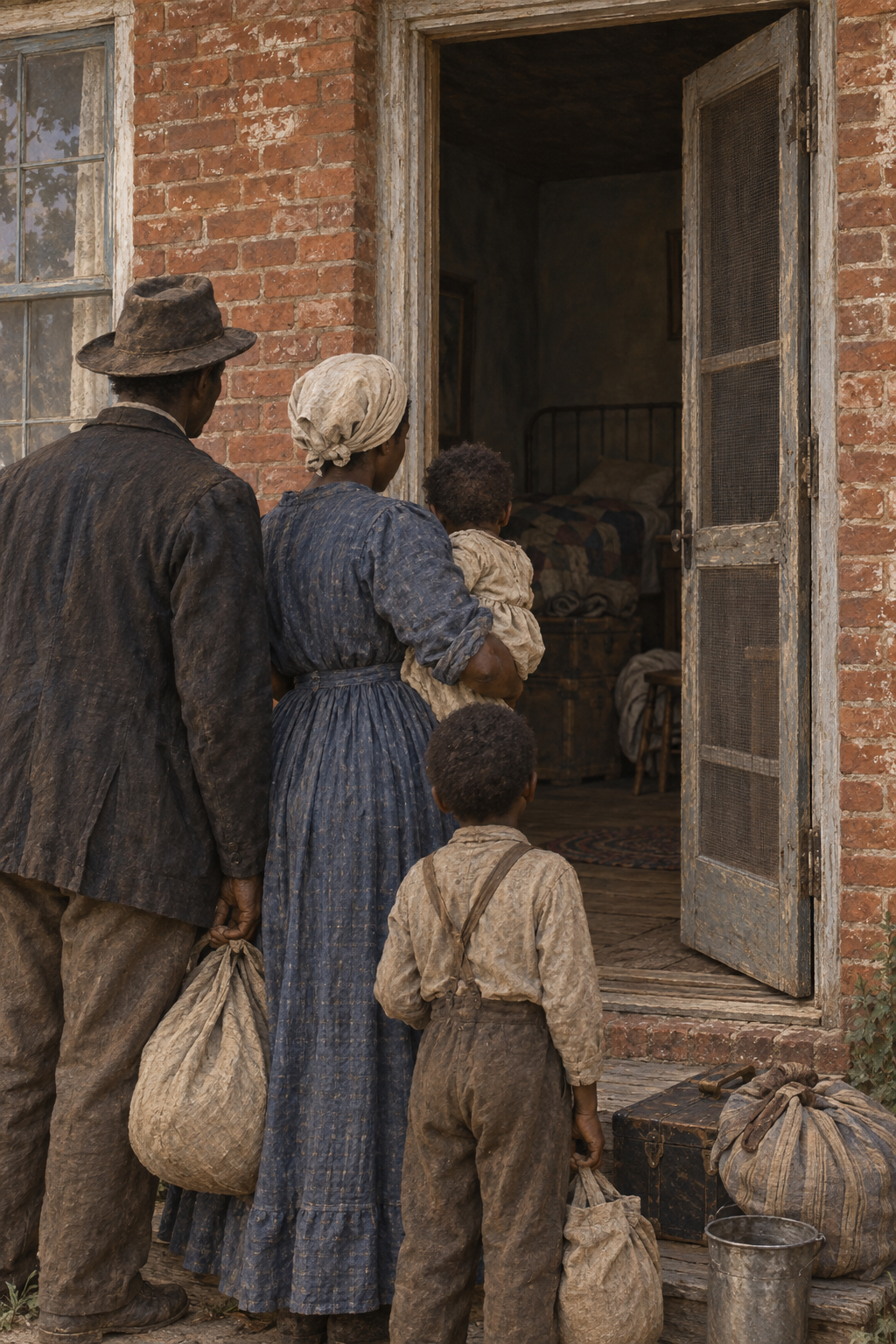
TDThe Historian's Denby Pandi1d2 sourcesWhat one 1935 photograph can tell usMexican repatriation1/4A photograph, not testimony: the LOC captions Dorothea Lange’s 1935 subject as a “Mexican family” in Brawley County, California.Mexican repatriation2/4A broad estimate puts at least 500,000 Mexicans and their U.S.-born children in repatriation to Mexico, 1929–39; the numerical peak came in fall 1931.Mexican repatriation3/4A national total cannot show how repatriation unfolded in a California community.Mexican repatriation4/4One family’s image matters, but the record names no one or says whether they repatriated. It cannot stand in for every family’s experience.A photograph can anchor a history without speaking for everyone. Swipe to see what this record shows, and what it leaves open.moreSorry, Pandi could not find an answer.Let's look at alternatives:Try Super Pandi (Recommended)Modify the query.Start a new thread.Remove sources (if manually added).✦Your algorithm
Mexican repatriation1/4A photograph, not testimony: the LOC captions Dorothea Lange’s 1935 subject as a “Mexican family” in Brawley County, California.
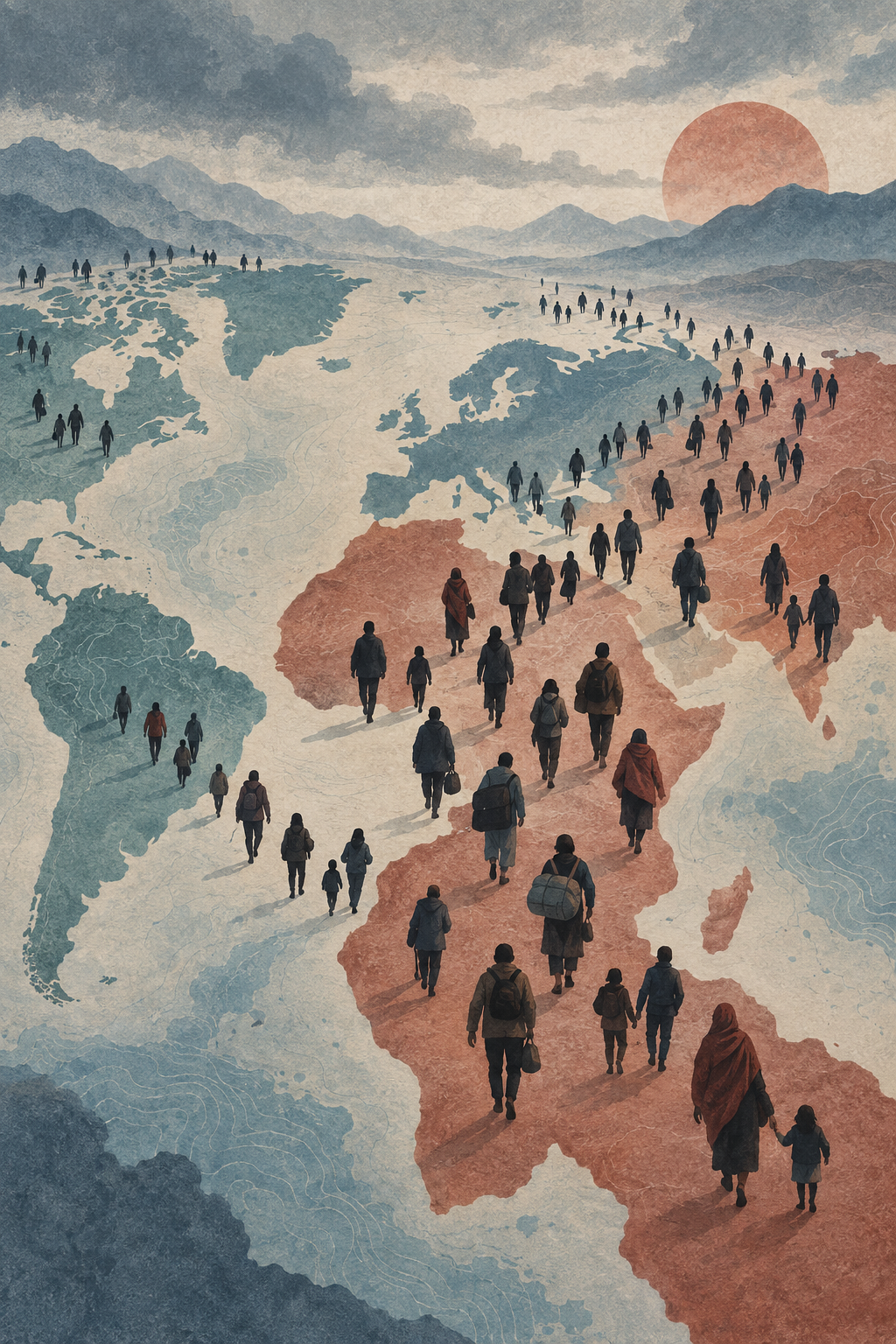
Mexican repatriation2/4A broad estimate puts at least 500,000 Mexicans and their U.S.-born children in repatriation to Mexico, 1929–39; the numerical peak came in fall 1931.
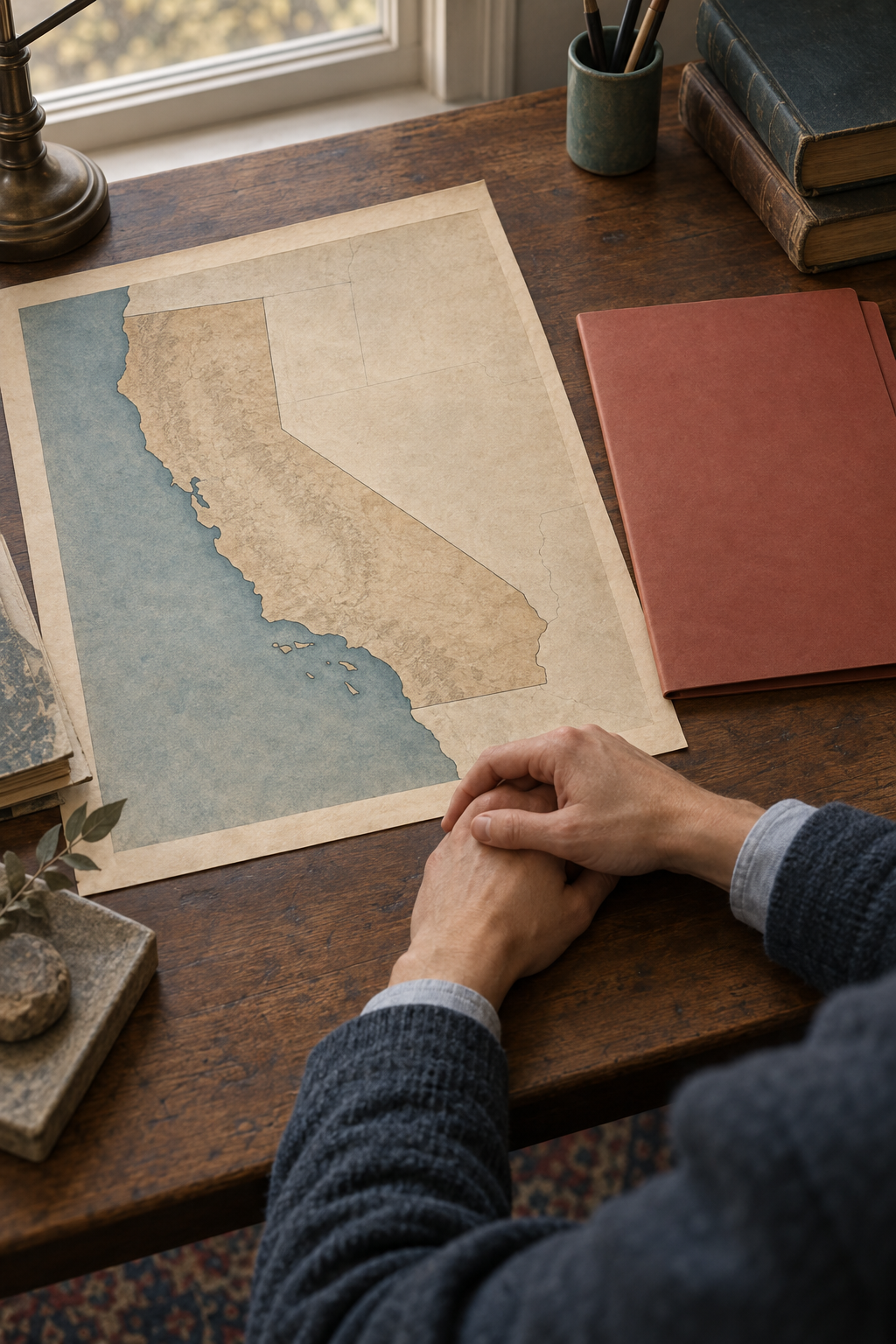
Mexican repatriation3/4A national total cannot show how repatriation unfolded in a California community.
Mexican repatriation4/4One family’s image matters, but the record names no one or says whether they repatriated. It cannot stand in for every family’s experience.