CSCurious Facts In The History Of Insects; Including Spiders And Scorpions.by Pandi1mo Bookmark Share Talk about this Copy Copy for Socials See In PandiPedia Manage Sources Download slidesOne swarm, two meaningsCowan’s locust accountsWhy could one locust swarm mean two different things? Cowan records an omen in Silesia and different accounts from southern Africa.Cowan’s locust accountsIn Silesia, Cowan records the swarm as an omen—a belief people attached to the insects’ arrival.Cowan’s locust accountsCowan also records people eating locusts in southern Africa—a historical food practice he gathered from reports.Cowan’s locust accountsHe records rain-doctors who promised to bring locusts through incantations: a reported belief and promise.Cowan’s locust accountsOne swarm, three kinds of story in Cowan: omen, food practice, and rain-making promise—each a different report.1 / 5Go to slide 1 of 5Go to slide 2 of 5Go to slide 3 of 5Go to slide 4 of 5Go to slide 5 of 5Cowan’s locust reports carry different meanings: an omen in Silesia, and food and rain-making accounts in southern Africa.moreSorry, Pandi could not find an answer.Let's look at alternatives:Try Super Pandi (Recommended)Modify the query.Start a new thread.Remove sources (if manually added).✦Your algorithm
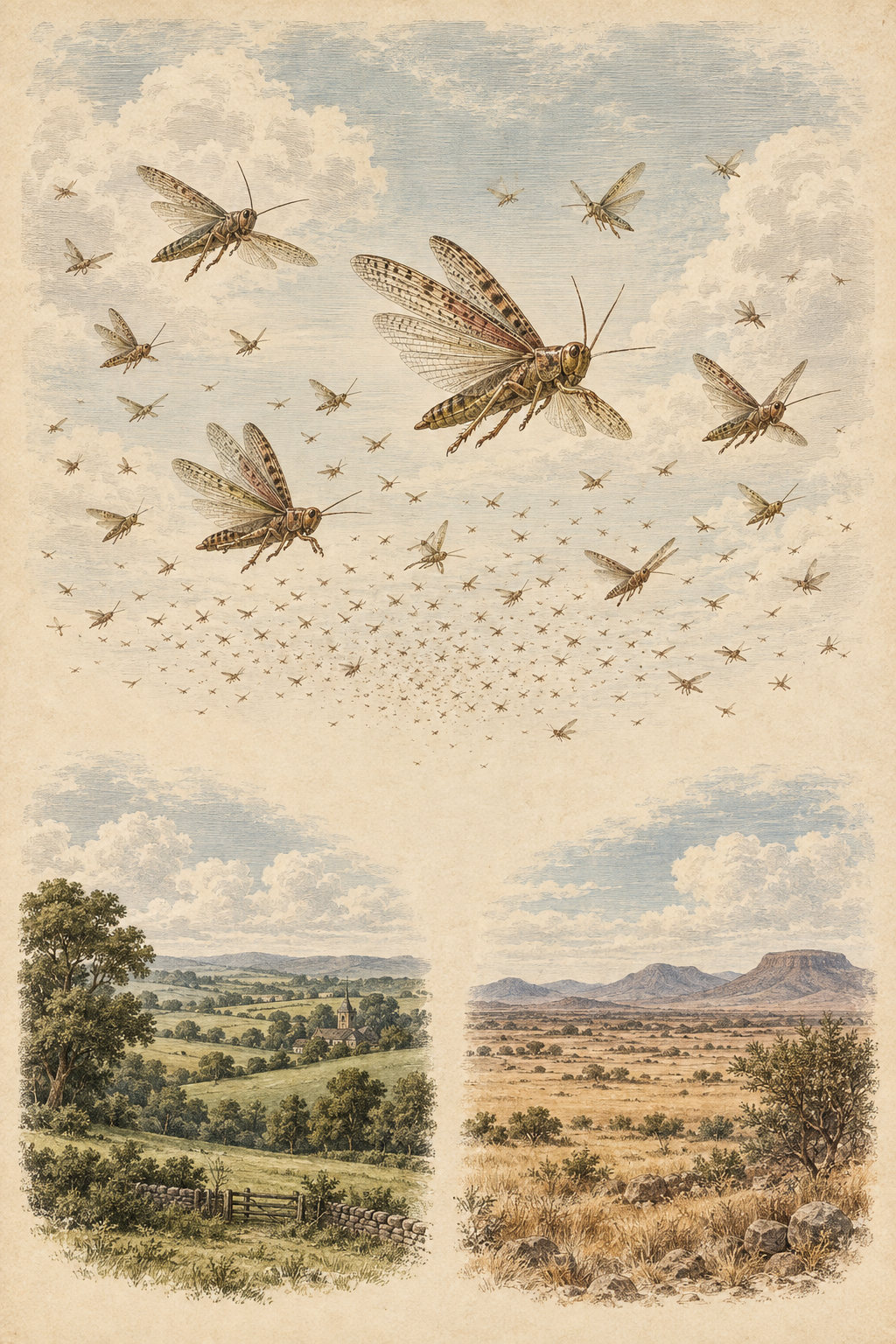
Cowan’s locust accountsWhy could one locust swarm mean two different things? Cowan records an omen in Silesia and different accounts from southern Africa.
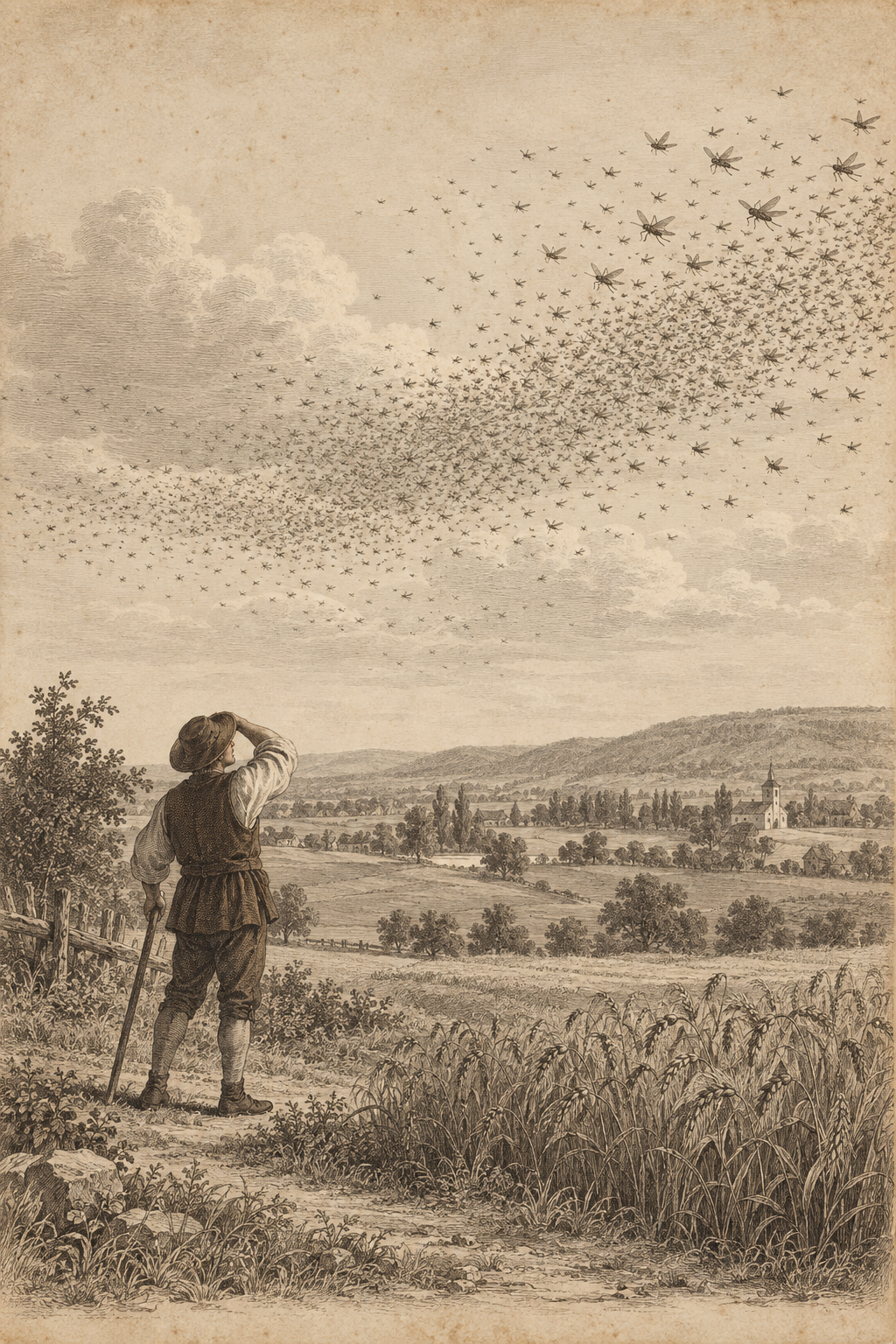
Cowan’s locust accountsIn Silesia, Cowan records the swarm as an omen—a belief people attached to the insects’ arrival.
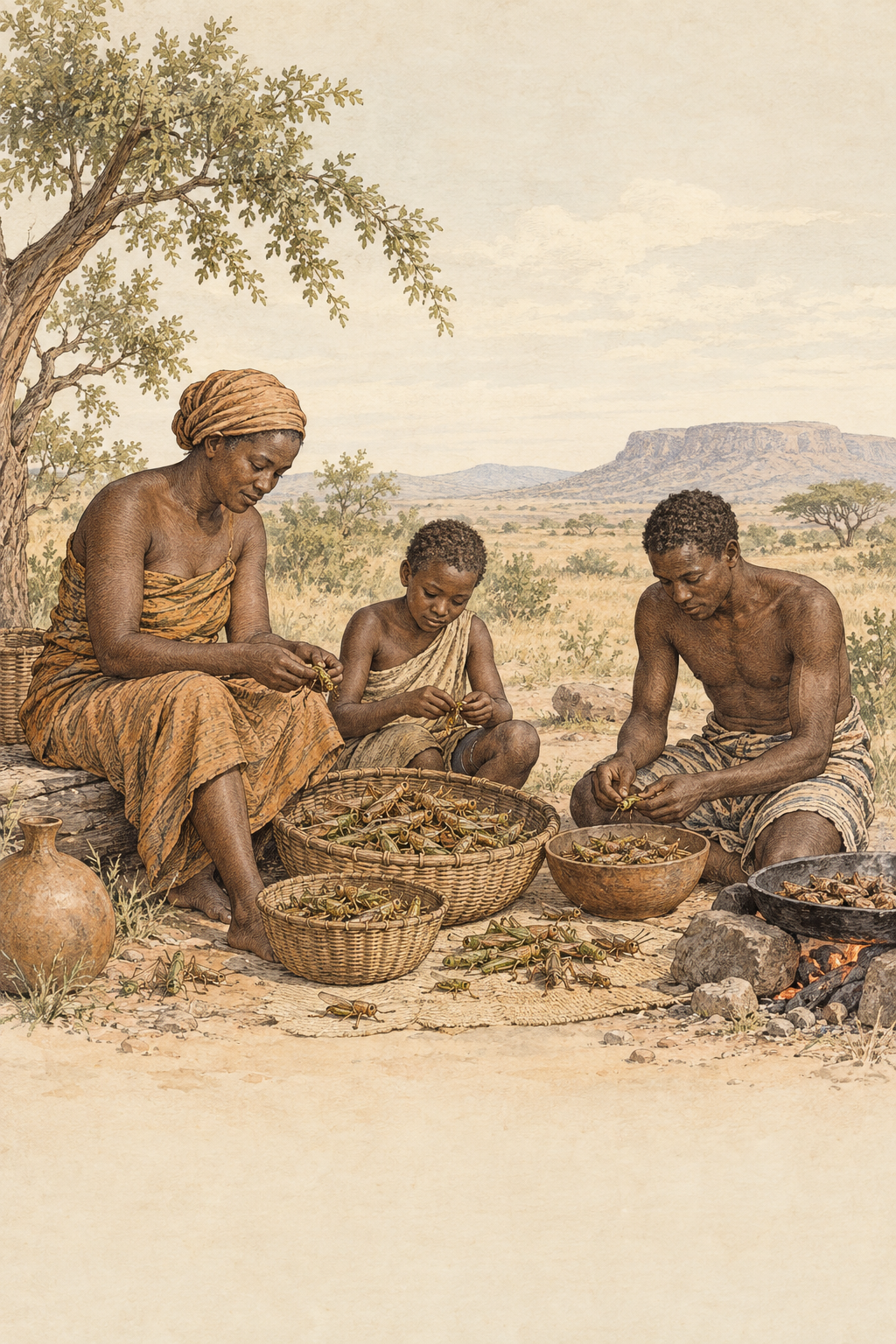
Cowan’s locust accountsCowan also records people eating locusts in southern Africa—a historical food practice he gathered from reports.
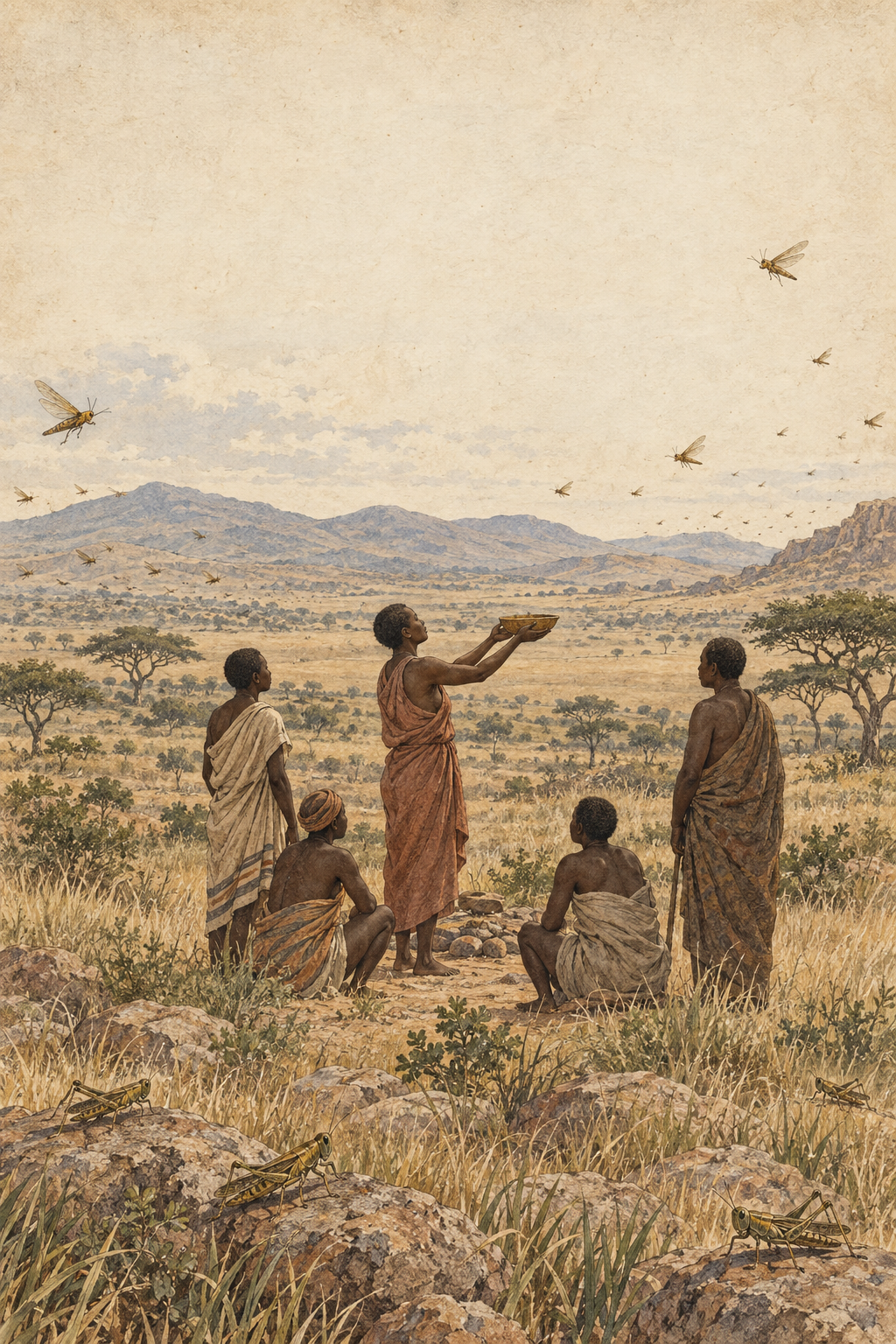
Cowan’s locust accountsHe records rain-doctors who promised to bring locusts through incantations: a reported belief and promise.
Cowan’s locust accountsOne swarm, three kinds of story in Cowan: omen, food practice, and rain-making promise—each a different report.