TV & Films
Analysis and reviews of television shows and movies, discussing genres, trends, and production insights.
The DX7 introduced frequency modulation synthesis, creating complex and rich sounds unheard before.
It sold over 200,000 units, dominating 1980s pop music charts with songs like 'Take On Me.'
The DX7's 'E.PIANO 1' preset emulated the Rhodes piano, becoming a staple of power ballads.
Its programmability challenges led many to rely on its presets, creating a uniform sound in the 80s.
The DX7 pioneered MIDI connectivity, allowing integration with other instruments and revolutionizing music production.
Let's look at alternatives:
- Modify the query.
- Start a new thread.
- Remove sources (if manually added).



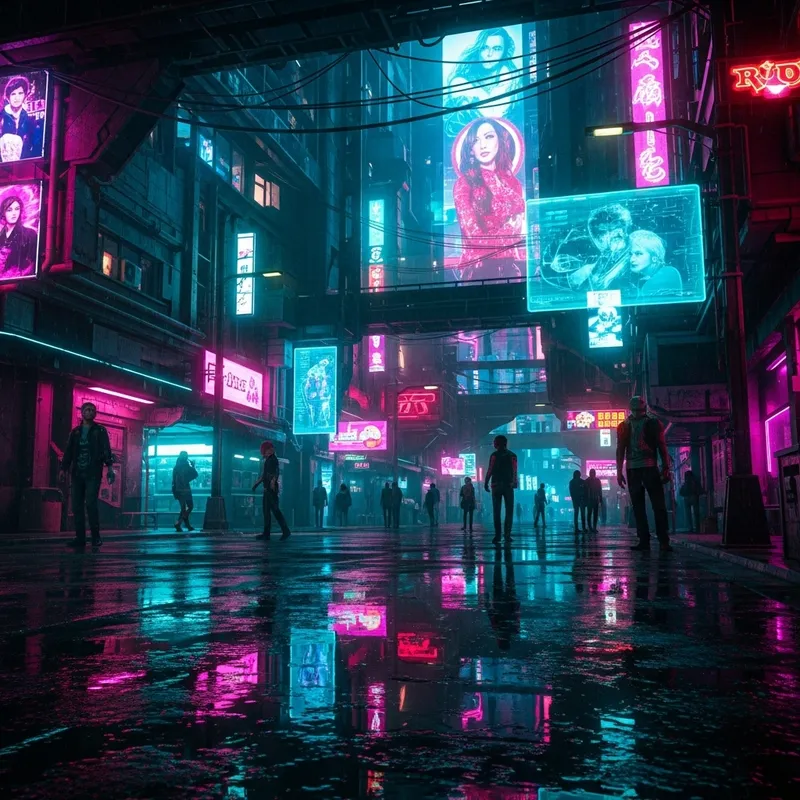
Cyberpunk's allure lies in its wet, reflective aesthetics, amplifying the neon chaos of crowded cities. Rain-soaked streets mirror vibrant lights, creating a kaleidoscope of colors in puddles that deepen the visual experience. As stated, these slick surfaces diffuse neon hues, casting an electrified glow across metal and glass structures, merging high-tech flair with the grit of dystopia[2].
This atmosphere evokes a mood of nightlife and rebellion, where every corner is steeped in grime and shadows, inducing a sense of being constantly observed in public spaces. Characters dressed in striking colors contrast harsh backdrops, reinforcing the vibrant yet oppressive essence of urban life[6].
Let's look at alternatives:
- Modify the query.
- Start a new thread.
- Remove sources (if manually added).


Get more accurate answers with Super Pandi, upload files, personalised discovery feed, save searches and contribute to the PandiPedia.
Crafting a compelling series finale is a daunting task for writers, as it aims to provide a satisfying conclusion to stories that have unfolded over many episodes or seasons. Various elements contribute to a successful finale, ensuring that it resonates with both the narrative established and the audience's emotional investment. This report synthesizes insights from numerous sources to highlight the key components that make a series finale successful.
Closure and Resolution
One of the most critical aspects of any series finale is providing closure. Viewers should feel that the primary arcs are concluded, even if not every subplot is wrapped up neatly. A successful finale often ties up the central themes and character journeys established throughout the series while also delivering emotional satisfaction. According to NoFilmSchool, 'endings are a lot like beginnings. We need to know where the characters are in their final stages and their arc'[3]. An effective finale reflects on the journey that both characters and viewers have taken together, often resembling the show's beginning but offering a matured perspective.
Character Development
Character arcs must also find resolution in the finale. The audience has invested time in seeing characters evolve, and the finale should affirm these developments. For example, in 'Breaking Bad,' the character of Walter White achieves a poignant, climactic conclusion where he both inflicts his will and finally recognizes the consequences of his actions as he dies in the place he built—his meth lab[1][10]. This completion of character arcs emphasizes the importance of character-driven storytelling.
Thematic Consistency

A successful finale remains true to the series' established themes and tone. The essence of what made the show compelling should manifest in the finale. This is evident in 'The Wire,' where the ending portrays the enduring struggles of Baltimore, bringing focus back to the city as the character’s journeys reflect the larger systemic issues at play[1]. Similarly, 'Succession,' while exploring personal family dynamics, ultimately highlights the broader implications of wealth and power on society, underscoring that the issues faced by the characters resonate on a global scale[2][6].
Furthermore, as noted in various sources, the finale should encapsulate the narrative and emotional core maintained throughout the series, resulting in a concluding episode that feels both surprising and inevitable, as seen in 'Succession'[8].
Emotional Resonance

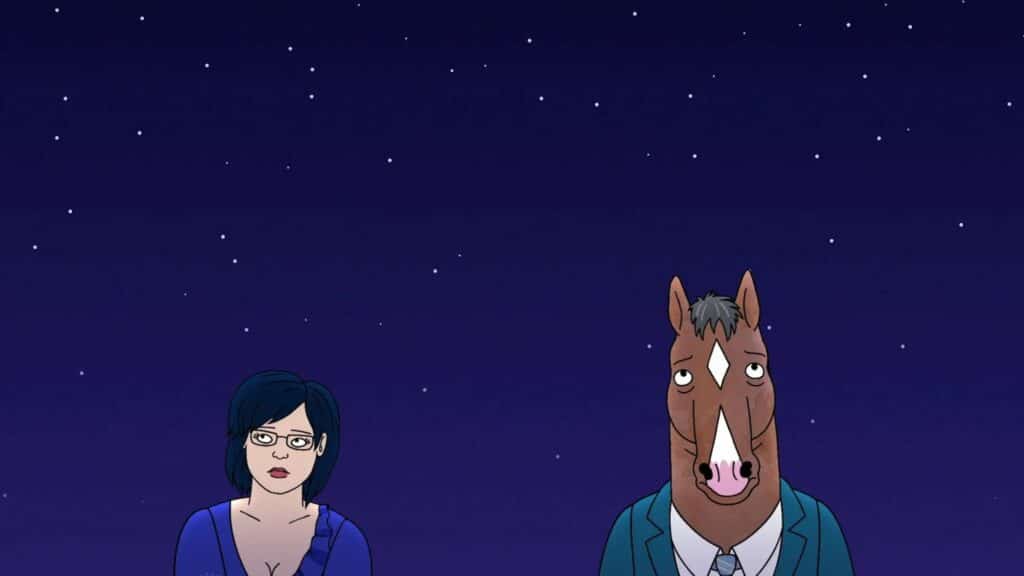
Audiences crave an emotional reward from the finale—this could come in the form of bittersweet resolutions, laugh-out-loud moments, or heart-wrenching goodbyes that encapsulate the viewer's journey with the characters. Sources emphasize that a finale should emotionally engage viewers, thereby creating a 'satisfying sense of closure'[3][7]. In 'BoJack Horseman,' for instance, the final episodes focus on repairing relationships, embodying a hopeful perspective despite the show's broader themes of depression and despair[1][10].
Balancing Expectations
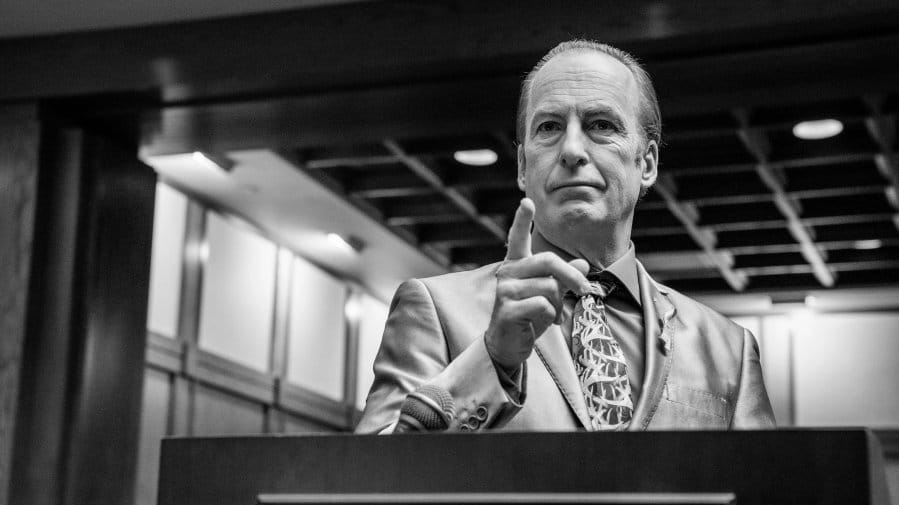
Managing audience expectations plays a crucial role in ensuring satisfaction with the finale. The pressure to meet fan theories and longstanding expectations can create tension between what audiences want and what the narrative logically implies. Viewers often grapple with feelings of disappointment when finales diverge significantly from expected outcomes or when they fail to acknowledge central themes. Consequently, successful finales navigate these expectations while remaining faithful to the story's essence. The 'Game of Thrones' finale serves as a case in point, where some viewers felt let down due to inconsistencies in character behavior and pacing, leading to widespread debate over its effectiveness[3][4].
Circular Narratives

Many effective series finales utilize circular storytelling, returning to motifs or scenes from the pilot episode while reflecting on the characters' growth throughout the series. This method not only provides a sense of closure but also reinforces the themes that have been prevalent from the series' inception. As noted, 'Parks and Recreation' successfully incorporates this by revisiting characters' journeys, allowing audiences to see how far each figure has come[3]. 'The Good Place' adopts a similar structure, where the finale achieves redemption aligned with its central premise of personal growth and moral philosophy, thus bringing everything full circle[1][10].
Humor and Lightness
While many finales carry heavy themes, incorporating humor can create a balanced experience that resonates with viewers. Often, comedic elements, intertwined with genuine sentiment, allow audiences to engage deeply with the final moments, highlighting the quirky nature of the show while still honoring its serious themes. As seen in successful sitcoms and comedies, this balance can enhance the emotional impact without becoming overwhelmingly somber.
Conclusion
Creating a successful series finale is an intricate art that requires balancing resolution, thematic consistency, character development, emotional resonance, and audience expectations. The best finales leave a lasting impression that resonates with viewers long after the credits roll. They encapsulate the essence of the entire series, providing closure while still acknowledging the complexities of the stories told. As viewers reflect on their relationships with these stories and characters, a well-executed finale contributes to the larger narrative tapestry of television as a medium that captures the human experience.
Let's look at alternatives:
- Modify the query.
- Start a new thread.
- Remove sources (if manually added).
 Curated by Joan



Overview of Glastonbury Festival 2025
Glastonbury Festival is set to return in 2025, taking place from June 25 to June 29. As anticipation builds for this iconic music event, discussions surrounding potential headliners have intensified. Tickets for the festival will go on sale in two phases: on November 14, 2024, for tickets plus coach travel and on November 17, 2024, for general admission tickets. Given the high demand, which traditionally sees around 2.5 million people vying for over 200,000 tickets, securing a spot at Worthy Farm is no easy feat[2][9].
Headliner Speculation and Favorites
Rumors are swirling about a diverse lineup, with several prominent names emerging as potential headliners.
Olivia Rodrigo
One of the frontrunners for a headlining slot is Olivia Rodrigo, who has recently been announced to perform at BST Hyde Park just prior to Glastonbury, making her available for a Saturday or Sunday performance at the festival. Bookmakers have listed her odds as low as 1/3, reflecting her popularity among festival organizers[1][8]. She is considered a key artist who aligns with Glastonbury's efforts to feature more female performers[9].
Sam Fender and Harry Styles
Sam Fender is also generating buzz, with odds around 3/1 for him to take a headline slot. His recent success with multiple hit singles and album titles positions him as an appealing choice for festival organizers seeking to attract a youthful audience[1][7].
Similarly, Harry Styles remains a consistent name in the speculation for headliners, with odds ranging from 4/1 to 7/4. His past performances have left fans wanting more, and the circumstances surrounding the recent passing of his former bandmate Liam Payne add emotional weight to a potential appearance[10][9].
Eminem and Green Day
Eminem is reportedly due for a headlining slot after a long hiatus from Glastonbury. Having recently topped charts with new releases, bookmakers have given him odds of 6/4, hinting that 2025 could be the year he finally graces the famed Pyramid Stage[1][10].
Another long-anticipated name is Green Day, who have not performed at Glastonbury yet but are seen as a popular choice among ticket holders due to their established rock legacy. Although they have been confirmed for Download Festival 2025, speculation persists that they could still make an appearance at Glastonbury if scheduling permits[1][9].
Rounding Out the Possibilities
Besides these front-runners, several other artists are in speculation. Fred Again, a notable DJ and producer, has also been tipped with odds of 10/11 to appear, although it's anticipated he may perform on smaller stages rather than the Pyramid Stage[1][9]. There’s also intrigue surrounding Sabrina Carpenter, who has had a breakout year, and The 1975, with the latter aiming to secure a headline slot after initial rumors were stifled by scheduling conflicts in past years[5][7].
Legends Slot
Veteran acts such as Billy Joel, The Rolling Stones, and Cher are being suggested for the traditional Sunday Legends slot, offering nostalgia and musical depth that could resonate well with attendees[1][2][10]. The potential for a surprise reunion or special performance—like for The Scissor Sisters, who have teased a return—adds an exciting dimension to the speculation[1][9].

Conclusion
As Glastonbury 2025 approaches, the excitement surrounding potential headliners and ticket sales continues to grow. The festival aims to deliver a compelling lineup that reflects contemporary music trends while honoring its legacy of inclusivity and diversity. With ticket sales just around the corner, fans will be eagerly awaiting both their tickets and the official lineup announcement, expected to occur in spring 2025[5][6].
Let's look at alternatives:
- Modify the query.
- Start a new thread.
- Remove sources (if manually added).
 Curated by Joan



Transcript
A TV show is considered binge-worthy when it combines engaging storytelling, relatable characters, and well-structured episodes that often end on cliffhangers enticing viewers to continue. Elements like short episode lengths, humor, and emotional depth also contribute to bingeability by allowing viewers to easily consume multiple episodes in one sitting. Shows that encourage public conversation or have a unique narrative style and pacing further increase their appeal as binge-watching options.
Let's look at alternatives:
- Modify the query.
- Start a new thread.
- Remove sources (if manually added).



'Mayonaka no Door (Stay with Me)' is a debut single by Japanese singer Miki Matsubara, released on November 5, 1979. The song resonates with themes of longing and desire, focusing on a woman's wish for her lover to stay with her after a beautiful night together. It became a part of the 'city pop' genre, blending western musical influences with Japanese elements, which made it appealing to international audiences[1][5].
The song experienced a resurgence in popularity in late 2020, largely due to covers by other artists and its viral spread on platforms like TikTok. Indonesian singer Rainych played a significant role in reviving the song, which subsequently attracted a global audience, particularly among younger listeners[1][5].
Let's look at alternatives:
- Modify the query.
- Start a new thread.
- Remove sources (if manually added).
Get more accurate answers with Super Pandi, upload files, personalised discovery feed, save searches and contribute to the PandiPedia.
MIDI allowed diverse instruments to communicate, transforming music production.
MIDI does not make sounds; it transmits instructions for musical events.
The birth of the home studio was propelled by MIDI's universal access.
MIDI became a free technology, fostering innovation and collaboration across brands.
Despite its age, MIDI continues to evolve, influencing modern music workflows.
Let's look at alternatives:
- Modify the query.
- Start a new thread.
- Remove sources (if manually added).




A blockbuster film is defined as a high-budget production intended for mass appeal and financial success. These films often feature spectacular special effects, star-studded casts, and straightforward narratives that captivate audiences. The concept emerged post-World War II, gaining traction with movies like Jaws and Star Wars, which established the 'summer blockbuster' phenomenon through extensive marketing and wide releases[1][2][4][5].
Blockbusters are typically released during peak seasons, such as summer or holidays, to maximize attendance and profit[3][5]. While they aim for commercial success, not all blockbusters achieve this, as the term can also refer to films designed to be hits, despite potentially underperforming at the box office[4][5].
Let's look at alternatives:
- Modify the query.
- Start a new thread.
- Remove sources (if manually added).


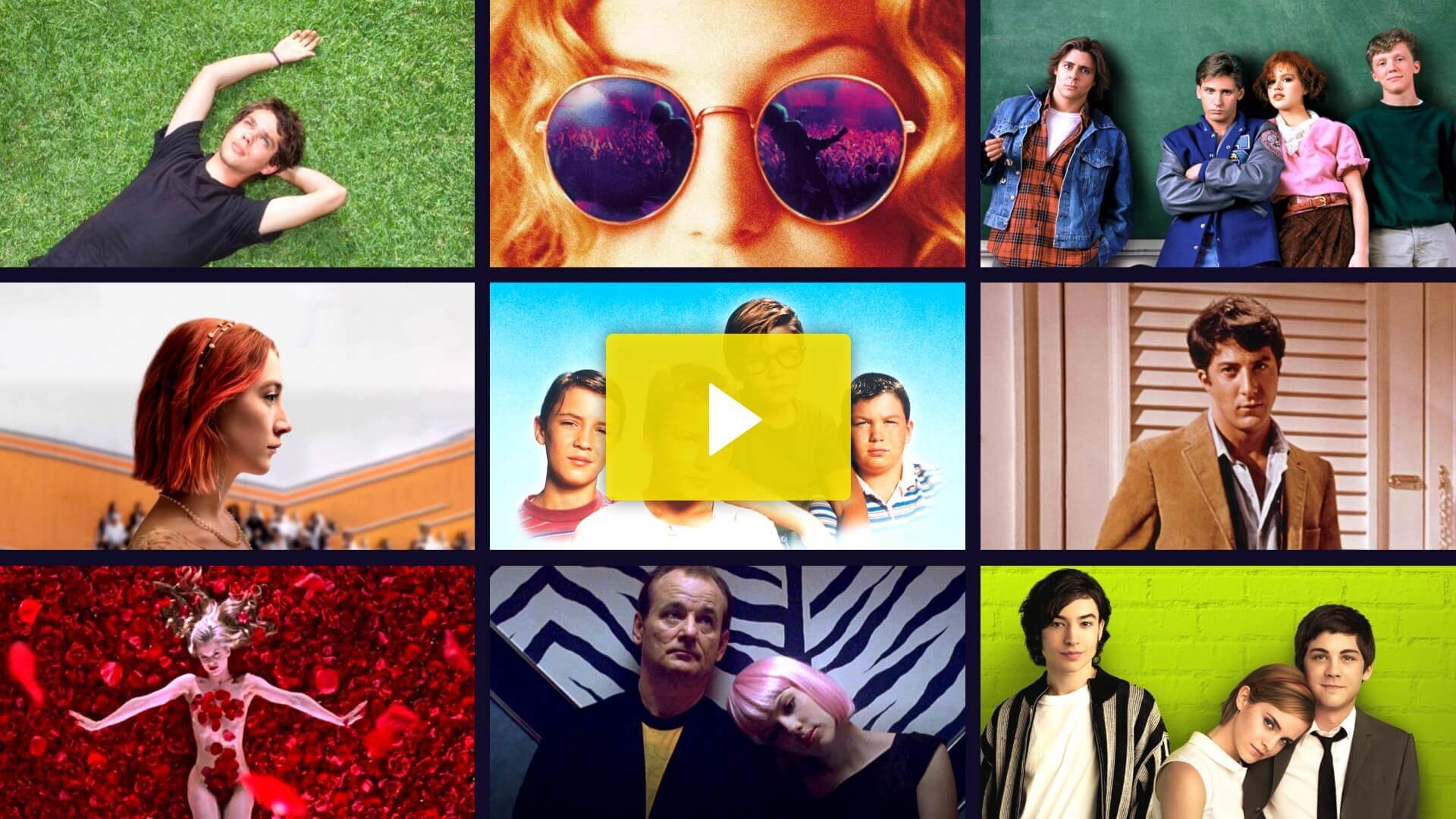
Coming-of-age films explore the transition from childhood to adulthood, often focusing on the experiences, challenges, and personal growth associated with this critical phase of life. Various common themes emerge throughout these films, reflecting the complexities of youth, identity, and relationships.
Identity and Self-Discovery
One of the most prevalent themes in coming-of-age films is the struggle for identity and self-discovery. Protagonists often grapple with questions related to their place in the world, who they truly are, and what they believe in. As psychoanalyst Erik Erikson outlined in his work, adolescence is marked by the struggle between 'Identity vs. Role Confusion' during the ages of 12-18, highlighting this quest for a personal identity[2]. Characters frequently embark on journeys that lead them to understand and embrace their true selves, often feeling alienated or misunderstood by adults and peers alike. This theme of seeking one's identity is encapsulated in films where young characters confront mature conflicts that propel them toward self-realization.
The Importance of Relationships

Relationships play a central role in coming-of-age narratives. Young protagonists often find themselves navigating romantic relationships for the first time, which serves as a significant aspect of their emotional development. However, these films do not solely center on romantic experiences; they also explore friendships and family dynamics. The common plight of feeling misunderstood by parents and adults is a recurring element that shapes the characters' journeys, as seen in classics like 'Rebel Without a Cause' and 'Boyhood,' where the parental figures are either absent, misunderstood, or both[1][2]. Relationships thus become a medium through which characters learn about love, loyalty, and the human experience.
Milestones of Maturation
Transitional milestones are another recurring element in coming-of-age films. These films often depict significant life events such as high school graduation, first love, and the transition to college or adulthood. They focus on the trials of growing up, illustrating moments of joy, confusion, heartbreak, and triumph. In genres traditionally associated with comedy and drama, existential questions surface, and characters face various dilemmas that ultimately contribute to their maturation. Films like 'Lady Bird' and 'Eighth Grade' highlight these pivotal moments, emphasizing how they shape the protagonist's path toward adulthood[1][3].
Themes of Outsider and Alienation
A defining theme of coming-of-age stories is the representation of the outsider. Many protagonists begin their journeys feeling alienated from their peers or families. This sense of isolation often leads them to form bonds with other misfits or create their own identities apart from societal expectations. For instance, characters in 'Stand by Me' and 'Boys N the Hood' navigate the complexities of their environments and relationships while seeking acceptance and understanding[2][5]. This exploration of outsider status reflects broader adolescent themes of fitting in and the desire for connection amid feelings of detachment.
The Passage of Time
The theme of time and its impact on identity is also significant. Films like 'Boyhood' uniquely depict the actual passage of time, showcasing the protagonist's growth from childhood to adulthood in a single narrative. This approach emphasizes the authenticity of the coming-of-age experience, allowing viewers to witness the subtle changes in the character’s outlook and self-perception over years[1][3]. In contrast, animated films like 'Spirited Away' utilize fantastical elements to illustrate the internal changes required for growing up, focusing on personal courage and transformation within a confined timeframe[5].
Confronting Realities
Coming-of-age narratives frequently involve confronting harsher realities, such as trauma, loss, or the expectations of adulthood. The characters often face significant challenges or moral dilemmas that force them to confront their beliefs and values. By navigating these conflicts, they discover strengths and weaknesses they may not have known they possessed. This theme of resilience in the face of adversity is evident in films that tackle deeper issues like mental health, love, and societal pressures, broadening the scope of what it means to come of age[3].
Conclusion

In summary, the common themes found in coming-of-age films illustrate the multi-faceted journey toward adulthood. Through the exploration of identity, relationships, milestones, alienation, the passage of time, and the confrontation of reality, these films not only resonate with young audiences but also offer insights into the universal experience of growing up. The narratives highlight not just the trials of youth, but also the transformative power of these experiences, reinforcing that the journey to adulthood is both complex and deeply personal[1][2][5].
Let's look at alternatives:
- Modify the query.
- Start a new thread.
- Remove sources (if manually added).



Cinematography, as a crucial element in filmmaking, significantly shapes how audiences perceive and interpret films. By strategically employing various techniques—ranging from camera angles to lighting and editing—filmmakers can manipulate emotions, guide attention, and construct narratives that resonate deeply with viewers.
Emotional Engagement Through Visual Techniques
The use of specific cinematographic tools directly affects the emotional landscape of a film. Close-up shots, for instance, are especially impactful as they create intimate connections between the audience and characters by capturing nuanced expressions and emotions. This technique allows viewers to understand subtle changes in demeanor, effectively conveying feelings without dialogue, thus enhancing emotional engagement ([5]).
Low-angle shots also play a critical role in establishing power dynamics within the narrative. By positioning the camera below the subject and looking up, filmmakers can make characters appear more dominant and imposing, thereby influencing how viewers perceive authority and threat in a scene. This manipulation of perspective evokes feelings of awe or intimidation and alters the audience’s emotional response to the narrative ([6]).
The Role of Lighting and Color
Lighting is another pivotal aspect of cinematography that profoundly influences audience perception. High-contrast lighting can establish a dramatic atmosphere, emphasizing tension and suspense, particularly in genres such as thrillers or horror films. Conversely, soft, diffused lighting evokes feelings of calmness, intimacy, or nostalgia, guiding viewers’ emotional experiences throughout the film ([1][6]).
Color symbolism further enriches this emotional engagement; different colors can evoke distinct feelings. For example, red typically symbolizes passion or danger, while blue may convey calmness or sadness. Filmmakers use these associations to craft emotional narratives that resonate on a personal level, shaping the viewer's response to the story ([1][9]).
Storytelling Structure and Audience Connection
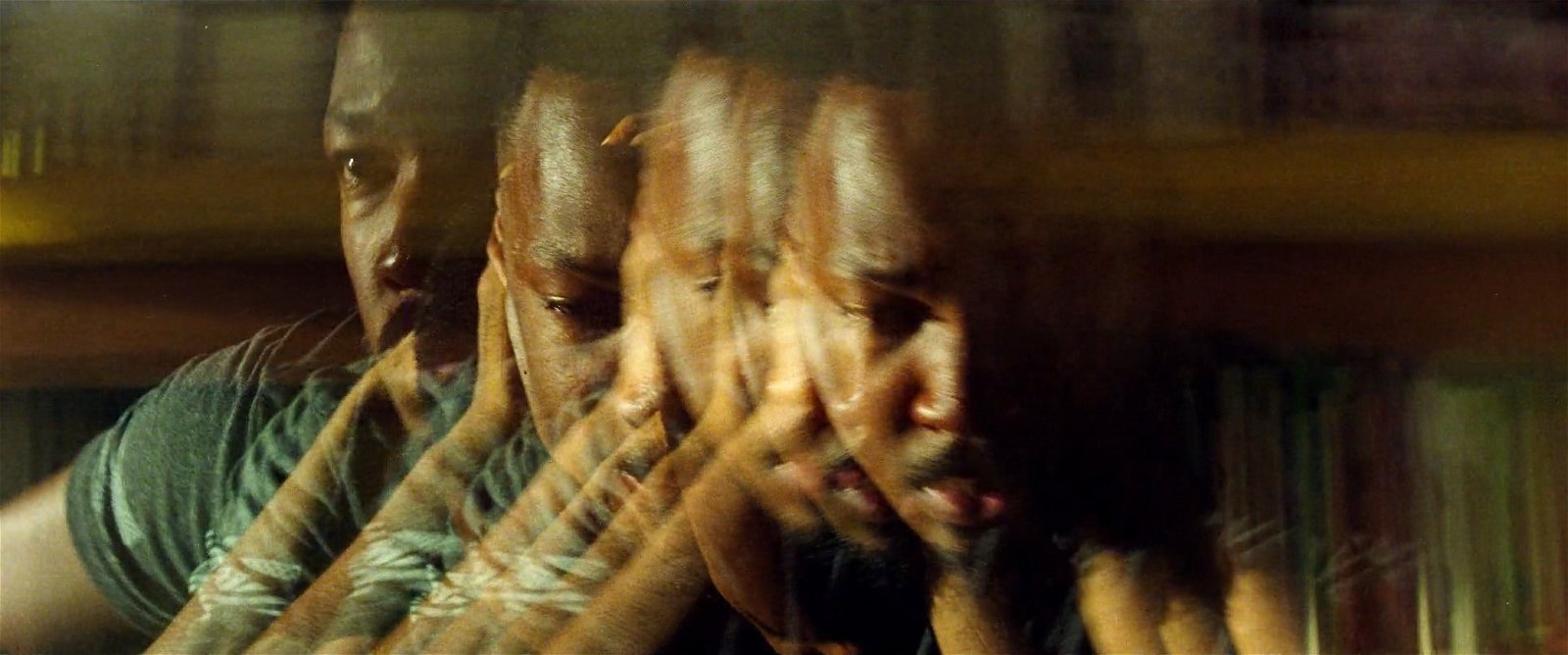
At the core of effective cinematography is the underlying narrative structure, often guided by Aristotle's principle of the three-act structure. This format creates a cohesive journey that invites audience participation, where they mentally engage with the characters and storyline. The emotional investment stems from the film’s ability to present relatable situations and conflicts that evoke empathy ([5][8][10]).
Filmmaking techniques such as montage play a significant role in conveying complex emotions and ideas quickly. By juxtaposing different shots, filmmakers can manipulate viewers’ emotional responses and compress time, making cinematic storytelling punchier and more impactful. This method helps illustrate character development or shifts in narrative mood, facilitating a deeper understanding of the story ([6][8][9]).
Active Spectatorship and Multiple Interpretations
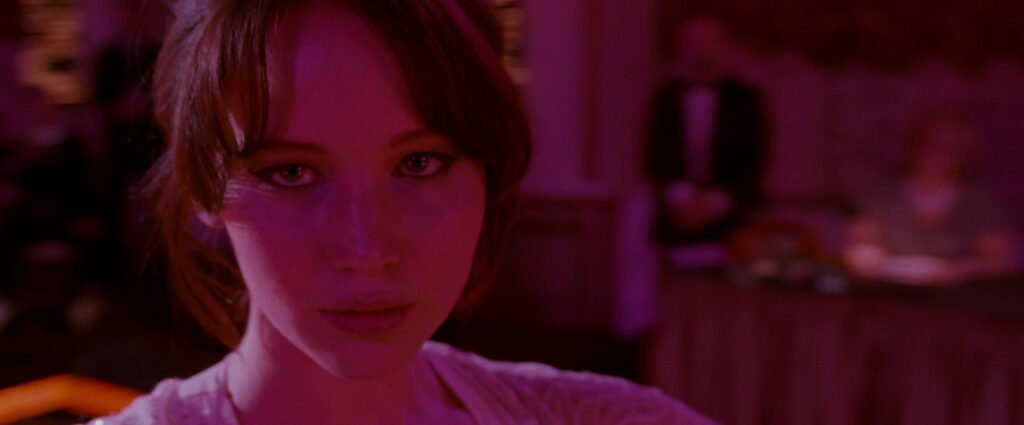
Active spectatorship, a concept highlighting the audience's role in interpreting film, underscores the subjective nature of viewing experiences. Each viewer brings their personal background, cultural context, and emotional state into the theater, which shapes their understanding of the film. This individualized perception allows for varied interpretations, making film a rich medium for diverse audience experiences ([8][10]).
Filmmakers often intentionally create ambiguity within their narratives, inviting viewers to draw their own conclusions. Films with open endings or complex character motivations allow audiences to engage deeply, encouraging discussions and varied readings. This dynamic interaction enhances the overall impact and longevity of a film's emotional resonance ([8]).
The Psychological Framework of Cinema
Psychological research supports the assertion that cinema elicits strong cognitive and emotional responses due to its collaborative nature. The synergy between storytelling, cinematography, sound design, and editing employs psychological principles that draw the audience into the film’s world. This interplay not only engages viewers on an emotional level but also reinforces their understanding of the narrative structure ([2][4][5][9]).
Cognitive theories propose that the viewer's mind actively constructs meaning during the viewing process. As audiences observe films, they employ cognitive schemas—mental frameworks based on previous knowledge and experiences—to navigate and understand cinematic stories. This process underlines the importance of familiarity with narrative conventions and genre expectations, influencing how effectively a film can communicate its message and evoke emotions ([1][3][8][10]).
Conclusion
The influence of cinematography on audience perception is profound and multifaceted. Through the strategic use of visual techniques—such as camera angles, lighting, color, and editing—filmmakers manipulate emotional responses and shape narrative understanding. By fostering connections between characters and audiences, employing storytelling structures, and encouraging active interpretation, cinema becomes a powerful medium that resonates emotionally and cognitively with viewers. The interplay between visual storytelling and audience engagement continues to evolve, reflecting the complex relationship between film as an art form and its impact on the human experience.
Let's look at alternatives:
- Modify the query.
- Start a new thread.
- Remove sources (if manually added).
 Curated by Joan