Fashion & Beauty
Covers fashion trends, beauty routines, industry analysis, and tips for personal style.

Fashion is a dynamic art form that is continuously shaped by cultural influences. These influences stem from a variety of sources, including historical practices, social norms, and the rich tapestry of traditions from around the world. Understanding how these cultural elements inform fashion design is crucial for recognizing the language of fashion and its role in self-expression and identity.
Traditional Textiles and Cultural Heritage
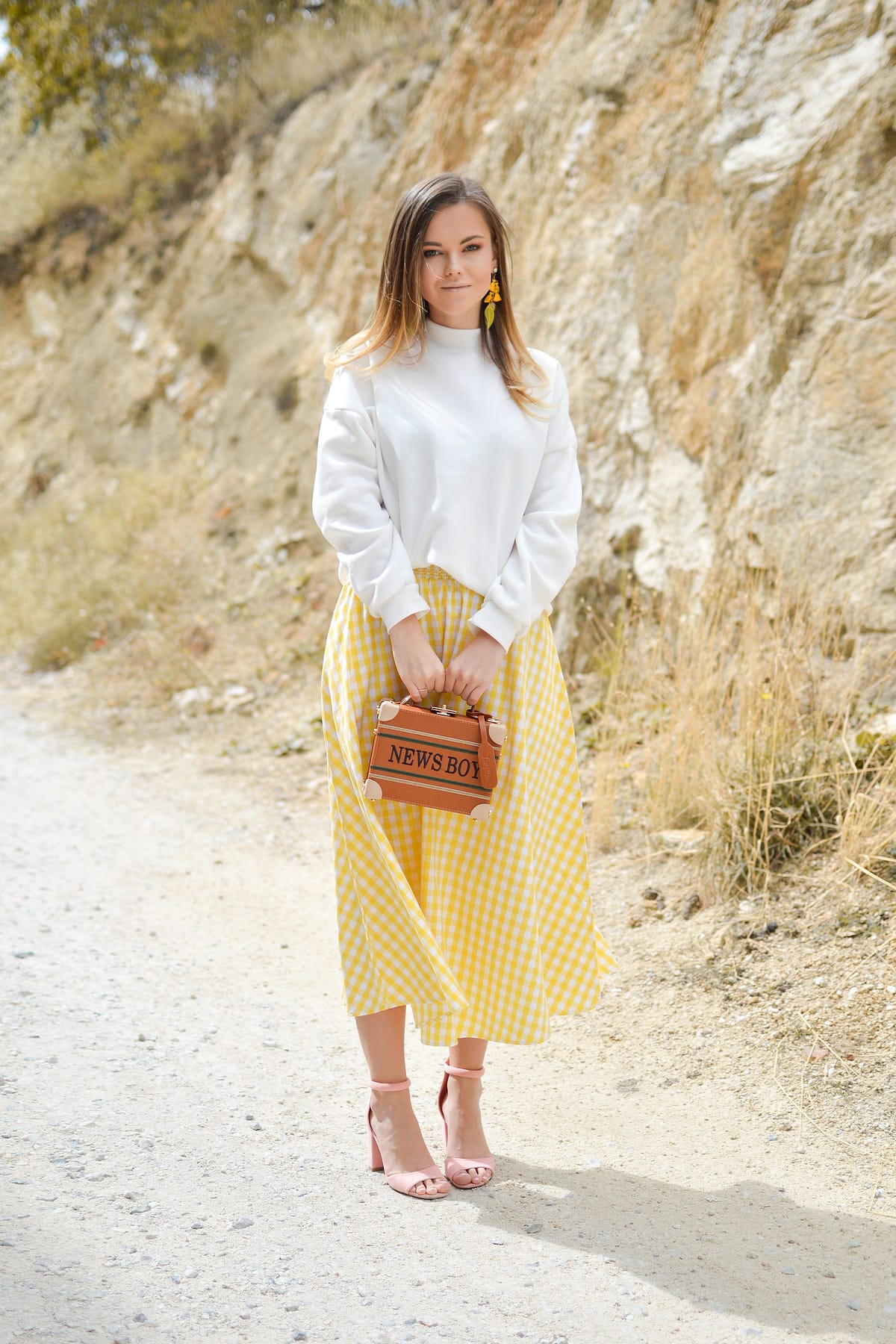
Cultural influences on fashion often originate from traditional garments and textiles that hold deep historical significance. Clothing serves as a canvas where culture and identity converge. For example, traditional textiles such as Indian saris, Japanese kimonos, and African Ankara fabrics are celebrated for their intricate patterns and colorful designs, which tell stories of their respective cultures. This interplay is evident as designers utilize these cultural textiles in modern wearable art, thereby bridging the past with the present[1][9].
Designers frequently draw inspiration from traditional clothing styles, adapting them to create contemporary collections. This admiration for heritage is seen in the continuing evolution of styles like the kimono, which represents not only Japanese elegance but also the global trend of including traditional forms in modern designs. As cultures intermingle, elements from various traditions enrich the design narratives in global fashion[5][11].
Cultural Significance and Symbolism
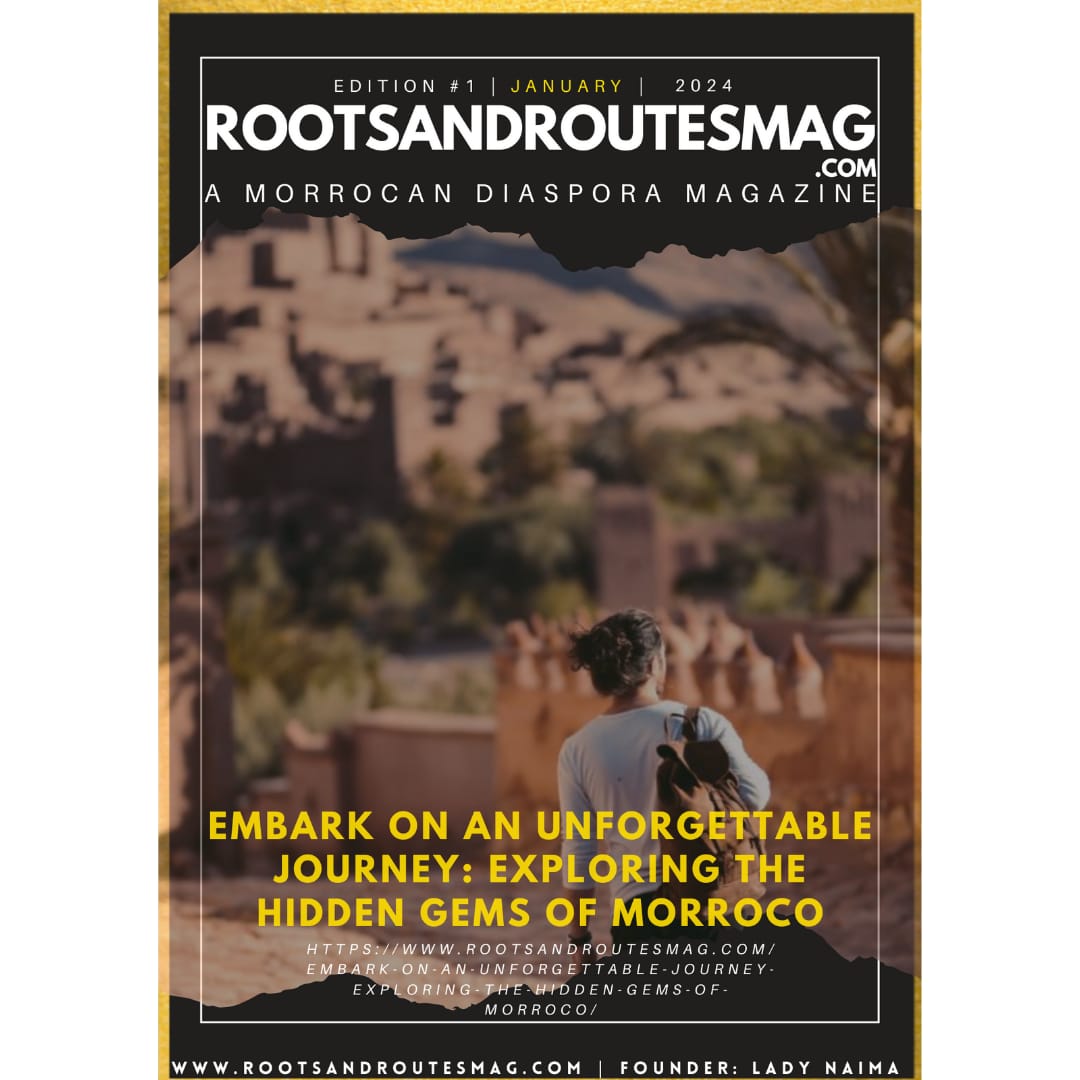
Fashion acts as a reflection of cultural identity, encapsulating societal values, beliefs, and historical legacies. Each clothing item may emerge from a set of meaningful cultural symbols, crafting a narrative through style choices. For instance, the use of religious symbols in fashion highlights how clothing can embody beliefs and cultural heritage[2][8].
Moreover, elements like vibrant colors and specific patterns often carry significant meaning. In West African fashion, for example, the Ankara fabric's bold designs reflect personal and community stories. By incorporating these textiles, designers not only honor tradition but also emphasize the importance of cultural context[7][11].
Cultural festivals such as Holi in India or the Rio Carnival in Brazil inspire designers, reflecting the unique colors and styles associated with these celebrations. These events often grab the attention of the fashion world, as designers adapt and incorporate festive aesthetics into their collections, further intertwining cultural narratives with fashion[6][10].
Globalization and Cross-Cultural Exchanges
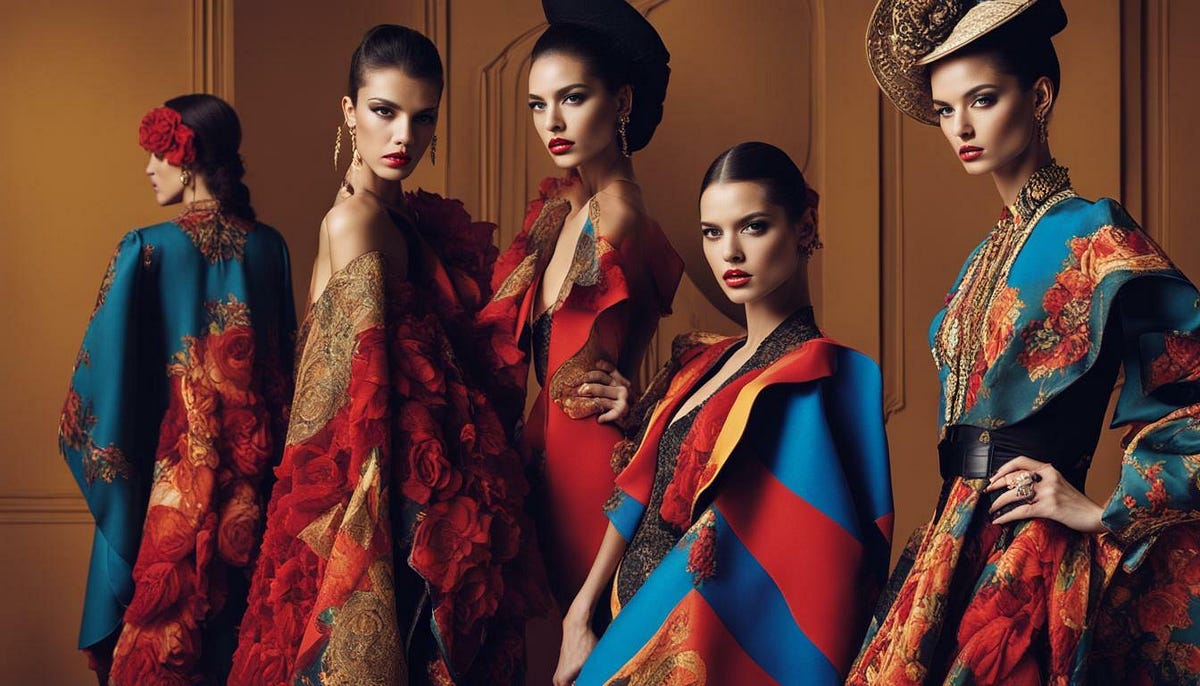
Globalization has played a pivotal role in shaping contemporary fashion trends, facilitating cultural exchanges that intertwine various influences. Fashion designers today frequently fuse elements from diverse cultures to create innovative styles that resonate on a global scale. This blending is not only a source of creativity but also a catalyst for promoting cultural understanding and appreciation[3][6].
However, the rise of globalization also raises issues of cultural appropriation. This occurs when elements from one culture are integrated into another without proper acknowledgment or respect for their origins. Designers are increasingly called to engage in responsible practices that honor the cultural significance of the designs they use. For example, the use of Native American headdresses or African prints has sparked discussions about the fine line between cultural appreciation and exploitation[2][4].
As a response to these challenges, many fashion houses are now collaborating with artisans from different cultures to ensure that their designs reflect genuine cultural narratives. These partnerships aim to acknowledge the importance of ethical representation, which enriches both the design process and the brands’ credibility[8][9].
Diversity and Inclusion in Fashion
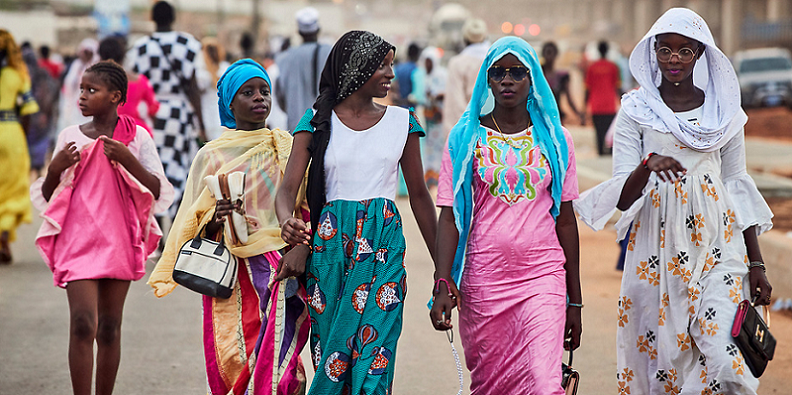
The push for greater diversity and inclusion within the fashion industry signifies a change in how cultural influences are applied. The emphasis on representing various ethnicities and cultural backgrounds on runways and in advertising campaigns is essential for breaking down long-standing barriers in fashion. Designers are increasingly showcasing models from diverse backgrounds, which challenges the conventional beauty standards previously dominant in the industry and reflects a more inclusive approach to fashion[6][10].
Consumer attitudes toward culturally influenced designs are shifting as well. A growing number of consumers express a desire for authenticity and ethical engagement, favoring brands that respect cultural origins. Younger generations, in particular, show an eagerness to embrace and celebrate cultural diversity through fashion, perceiving it as a form of cultural appreciation and empowerment[3][4].
In this evolving landscape, fashion not only serves as a means of self-expression but also as a vehicle for cultural dialogue and mutual respect. Designers who successfully navigate these complexities can create collections that resonate with a global audience while promoting a respectful narrative that honors traditional practices[1][5].
Conclusion
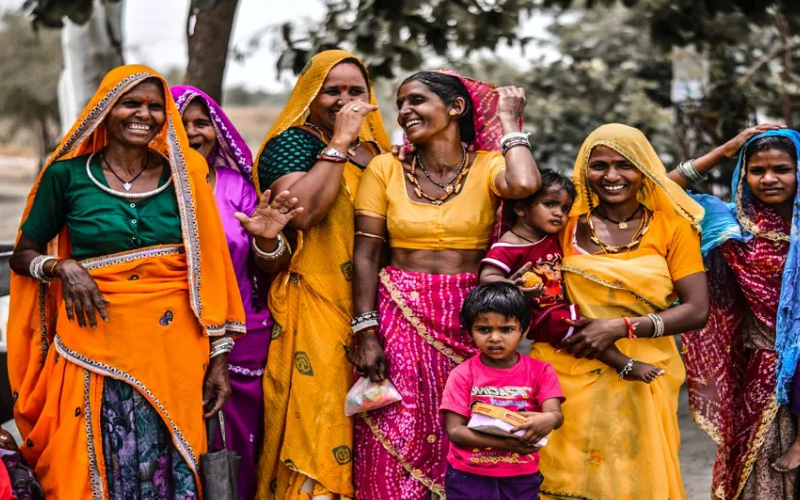
Cultural influences are integral to the evolution of fashion design, shaping trends and styles while fostering dialogue and understanding among diverse cultures. As traditional craftsmanship marries contemporary aesthetics, fashion becomes a rich narrative that reflects societal values and heritage. In a world where fashion serves as a powerful expression of cultural identity, it is essential for designers and consumers alike to engage with these influences respectfully and ethically—embracing the beauty of diverse cultural tapestries in a shared global fashion narrative. By doing so, the fashion industry can continue to evolve, cultivate inclusivity, and honor the artistic expression rooted in its myriad cultural influences.
Let's look at alternatives:
- Modify the query.
- Start a new thread.
- Remove sources (if manually added).
 Curated by Joan




To master the cyberpunk aesthetic, you must balance high-tech precision with the grit of a crumbling world[2]. Elevate your look by layering tailored, futuristic jackets and technical fabrics against the decay of distressed denim, patched seams, and metallic hardware[2][6]. This juxtaposition of sleek, innovative design and weathered, worn-in finishes creates a dynamic, dystopian allure that feels both expensive and lived-in[1][2].
Think of it as a dance of opposites: keep your silhouette sharp with utility belts or structured kimonos, but let one intentional flaw—like a scuffed finish or a frayed edge—tell the story of a survivor in a high-tech future[1][2].
Let's look at alternatives:
- Modify the query.
- Start a new thread.
- Remove sources (if manually added).


Get more accurate answers with Super Pandi, upload files, personalised discovery feed, save searches and contribute to the PandiPedia.
Let's look at alternatives:
- Modify the query.
- Start a new thread.
- Remove sources (if manually added).
 Curated by Joan



- Stepped DecoThe stepped silhouette transforms any space! Use it on shelving, tile edges, and frames to inject bold Art Deco charm How will you step up your style?

Let's look at alternatives:
- Modify the query.
- Start a new thread.
- Remove sources (if manually added).

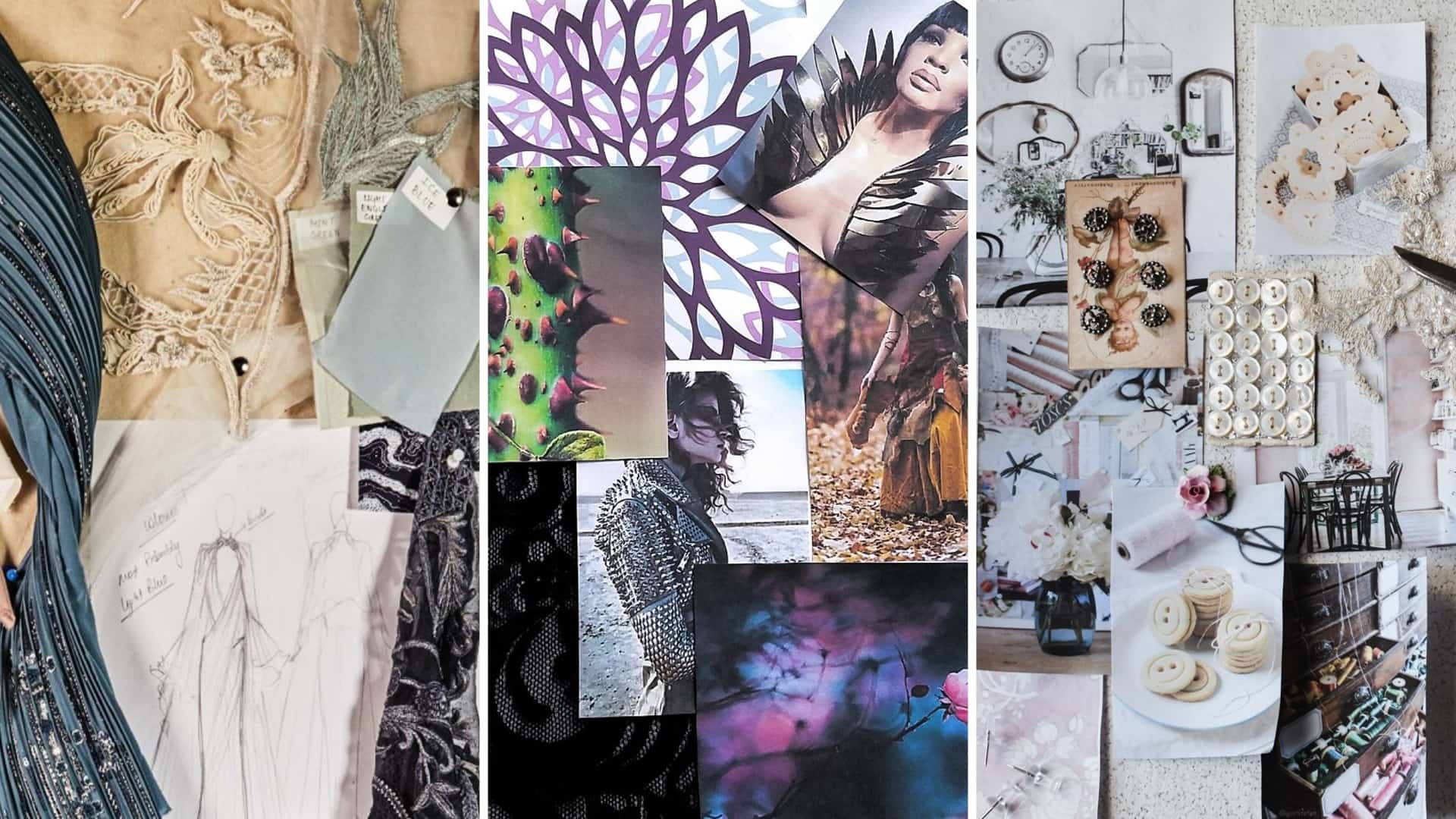
Creating a fashion mood board is an essential step for designers, fashion enthusiasts, and anyone looking to explore and communicate their style ideas visually. This guide offers a step-by-step approach to developing a compelling mood board that captures your unique vision and aesthetic.
Define Your Theme and Purpose
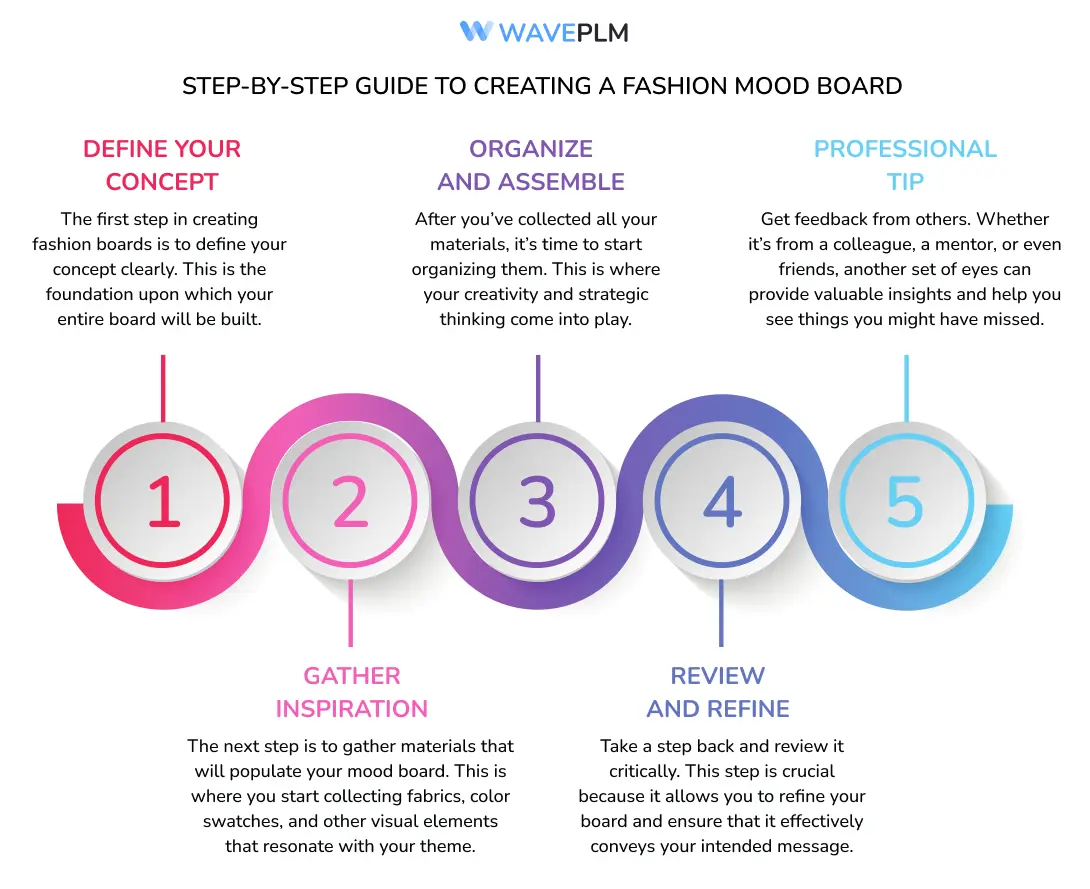
The first step in crafting a mood board is to define a clear theme. This theme will help guide your selections and ensure consistency in your design direction. Themes can revolve around various concepts, such as a color palette, an emotional vibe, a cultural reference, or even a seasonal trend. For example, you might decide on a theme like 'summer garden party,' which could inspire a collection focused on vibrant floral patterns and light fabrics[6][7].
Understanding the purpose of the mood board is equally important. Are you designing a specific clothing line or planning a photoshoot? The intended use influences your choices in imagery and layout, ensuring that the final product effectively communicates your vision[5].
Gather Inspiration
Once your theme is established, it’s time to collect inspiration. This involves researching and curating visuals that resonate with your chosen theme. Potential sources of inspiration include:
Fashion magazines
Online platforms like Pinterest and Instagram, where you can find a wealth of fashion images and trends[1][4].
Real-life observations, such as nature, architecture, or street style[6][7].
Social media, which provides access to real-time trends and styles[6][9].
As you gather materials, aim for a diverse range of elements, including photographs, fabric swatches, color samples, and even textures from other design disciplines, such as interior design or art[2][4][6].
Selection and Organization of Materials
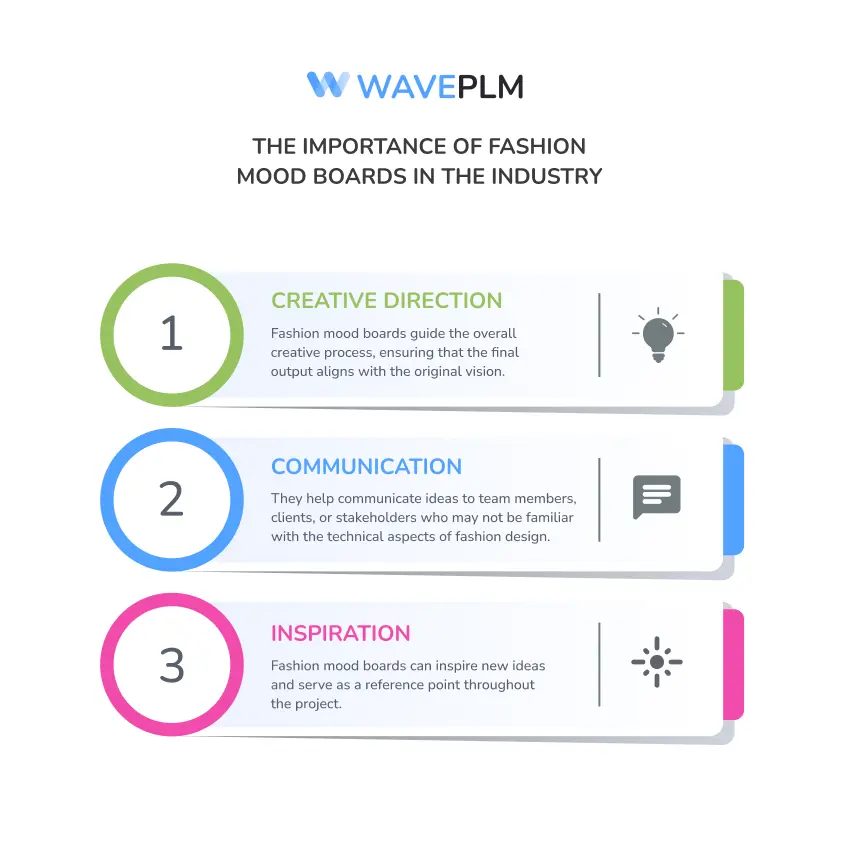
After collecting a wide array of inspirations, the next step is to select the visuals that best represent your concept. This process should involve filtering out materials that do not quite fit, creating a more cohesive narrative. Look for common themes and color schemes among your materials, which will help in establishing a strong visual flow[5][6].
When organizing your mood board, consider the layout and composition carefully. You might want to group images by color, texture, or theme to facilitate a clear understanding of how the elements interact visually. The arrangement should guide the viewer’s eye naturally across the board, merging larger images with smaller accents to create a balanced look[3][6][8].
Create Your Mood Board
Once your elements are selected and organized, it’s time to assemble the mood board. You can opt for a physical board using cork or poster boards, or a digital platform like Canva, Milanote, or Adobe Spark, which allows for easy editing, sharing, and collaboration[5][6][9].
Physical Mood Boards
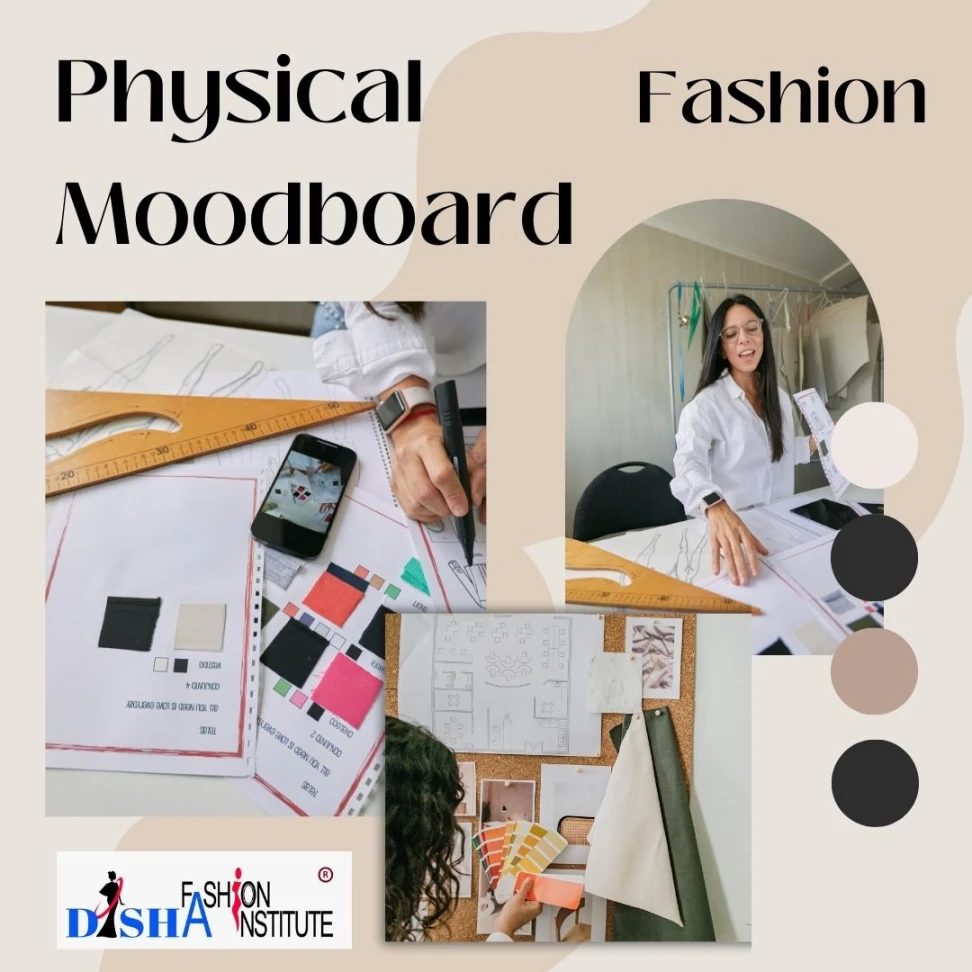
For those who prefer a tactile approach, physical boards enable the use of actual fabric swatches and printed images. Begin by positioning larger items first, followed by smaller details, to maintain balance and clarity in the overall composition[6][7].
Digital Mood Boards
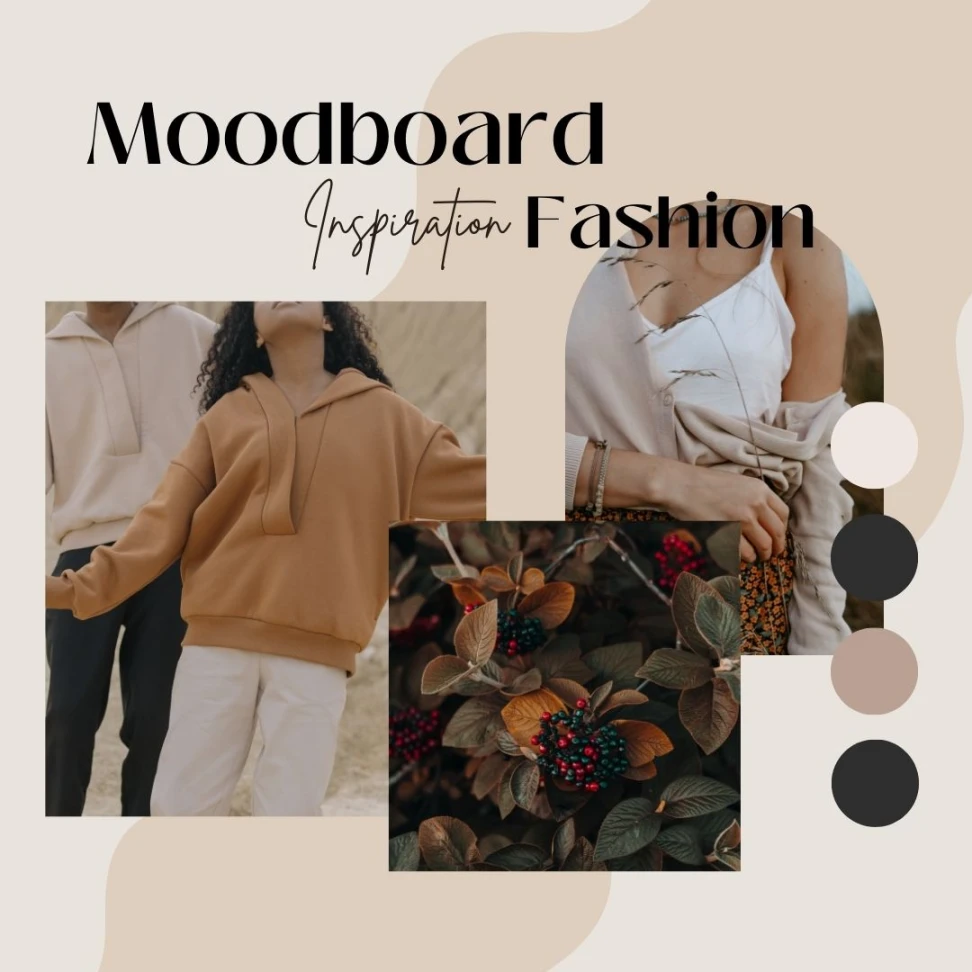
For digital mood boards, choose a software that suits your ability and the kind of presentation you wish to create. Digital tools often provide enhanced flexibility and aesthetics, allowing for a polished final product that can be easily shared with collaborators or clients[2][4][9].
Consider Color and Texture
Color selection is a critical aspect of mood boards. The colors you choose should evoke the feelings that align with your theme. Utilize color theory principles to develop harmonious palettes—consider complementary and analogous colors to create a visually appealing outcome[3][4]. Incorporating textures alongside images can also enhance the sensory experience of your mood board; for example, fabric swatches can provide a tangible sense of what the final pieces may feel like[1][6][8].
Engage and Evaluate

Once the mood board is complete, engage with it critically. Review your arrangement, ensuring that it accurately captures the intended mood and concept. Ask yourself whether it communicates the story you want to tell, and consider seeking feedback from peers or mentors, which can provide fresh perspectives on the effectiveness of your visual narrative[3][5][8]. Don’t hesitate to make adjustments as needed; mood boards can evolve as your project develops, reflecting new inspirations and insights you gather along the way[6][7][9].
Conclusion
Creating a fashion mood board is a dynamic and iterative process that encapsulates your design ideas and inspirations. By defining a clear theme, gathering diverse materials, selecting and organizing your visuals thoughtfully, and paying attention to color and texture, you can produce a mood board that not only inspires your fashion journey but also serves as a vital communication tool throughout your design process. Happy creating!
Let's look at alternatives:
- Modify the query.
- Start a new thread.
- Remove sources (if manually added).


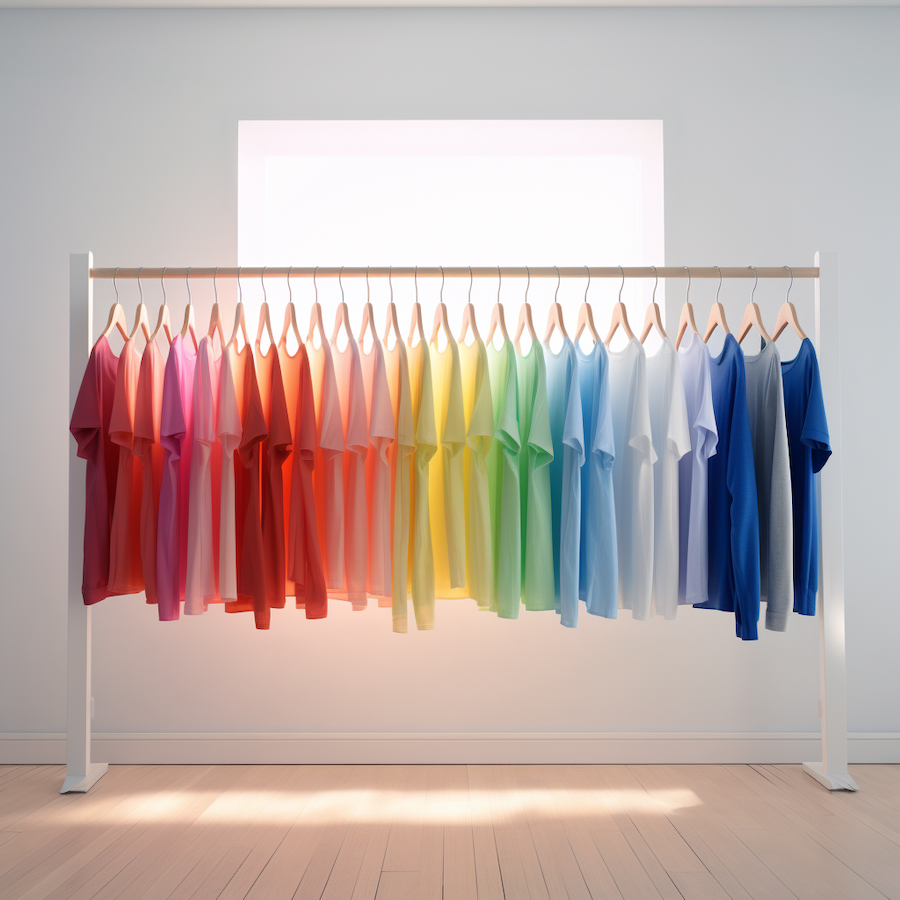
Color plays a significant role in fashion, extending beyond mere aesthetics to influence emotions, perceptions, and interpersonal dynamics. The psychology of color explores how different hues can evoke specific moods and feelings, thereby impacting both individual self-expression and societal trends in fashion.
The Emotional Impact of Colors
Colors are profoundly capable of eliciting emotional responses. For instance, red is often regarded as a color of passion, energy, and excitement. It stimulates feelings of confidence and is frequently used in fashion to make bold statements—be it in a romantic setting or a professional environment, where a red garment can enhance a person’s perceived attractiveness and assertiveness[2][11].
Conversely, blue is associated with tranquility and stability. It is known to foster a sense of calmness, making it a popular choice for job interviews and corporate attire, as it conveys reliability and professionalism[11]. This color's soothing qualities can help reduce anxiety, creating a balanced atmosphere for both the wearer and those around them.
Yellow, often linked with happiness and optimism, can uplift one's mood and stimulate creativity. Wearing yellow is known to project a cheerful disposition, which can positively influence social interactions[6][8]. However, it's important to note that overly bright shades of yellow may sometimes evoke feelings of irritation if used excessively[8].
Green signifies balance, harmony, and connection to nature. It evokes feelings of renewal and freshness, making it an excellent choice for conveying a sense of well-being[7][9]. This color can create a calming effect, making it highly suitable for casual or laid-back settings.
Black, emblematic of elegance and sophistication, is often wielded as a tool of authority and formality in fashion. It can enhance a person’s appearance, projecting strength and confidence while also being versatile enough for various occasions[10][11]. In contrast, white typically represents purity and simplicity, embodying cleanliness and new beginnings. It is generally perceived as a refreshing choice, particularly in summer wardrobes[7][9].
Color Choices and Personal Expression

Fashion choices often reflect personal feelings and identities through the lens of color. The colors selected for clothing can serve as silent communicators about a person's mood or personality. For example, vibrant hues like orange exemplify enthusiasm and friendliness, encouraging an approachable image in social contexts[8][11].
The impact of color extends beyond individual attire to shape entire fashion trends and brand identities. Designers are increasingly aware of the psychological effects of colors, utilizing them to evoke specific emotions that resonate with their target audiences. This strategic use of color can influence consumer behavior significantly; for instance, incorporating warm colors may create a lively atmosphere, while colder tones might project professionalism and calmness[6][2][10].
Color theories play a pivotal role in wardrobe planning. Understanding which colors complement one's features can enhance an outfit's overall impact. For instance, experimenting with color combinations can reveal which hues evoke positivity or confidence, bolstering self-esteem and influencing how others perceive the individual[7][9].
Cultural Nuances in Color Perception
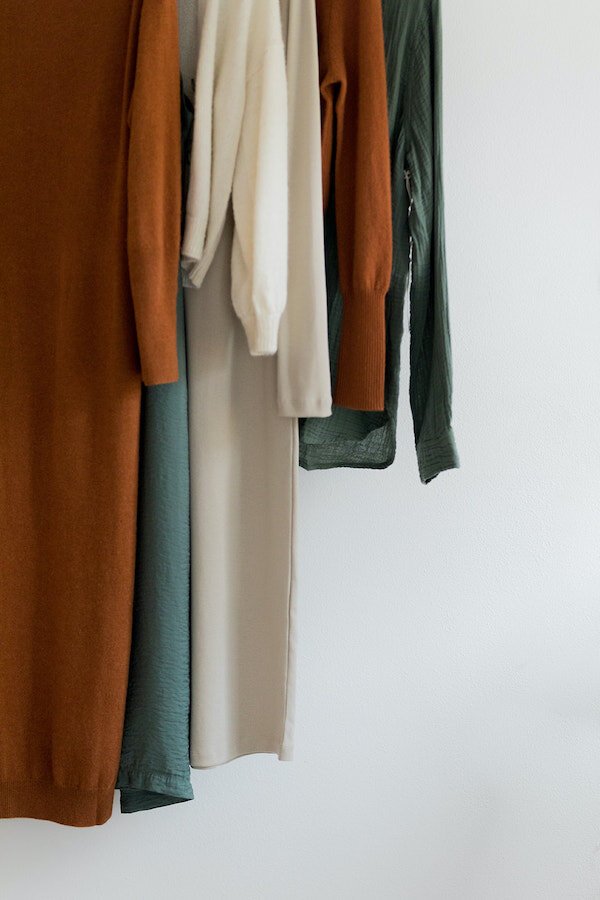
Cultural context greatly influences color interpretation. For example, while red commonly symbolizes love and passion in Western cultures, it can denote luck and happiness in Chinese culture. Similarly, white is often associated with purity in Western weddings, but it signifies mourning in some Eastern traditions[3][11]. Such cultural variances highlight the importance of awareness when selecting colors for certain occasions or environments.
Color in Fashion Trends

The fashion industry continually evolves, with designers often tapping into color psychology to reflect societal moods and shifts. For example, vibrant and playful colors have surged in popularity post-pandemic, symbolizing a collective desire for joy and optimism. Designers like Stella McCartney and Moschino have embraced bold color palettes that aim to uplift and inspire, emphasizing how color can inform both personal style and broader fashion narratives[10][11].
By studying color psychology and applying its principles, individuals can make intentional fashion choices that enhance their mood and effectively communicate their identity. Understanding the effects of specific colors allows both consumers and designers to create meaningful connections through fashion, transforming attire into a powerful medium of self-expression and emotional communication.
In summary, the impact of color in fashion transcends visual appeal, resonating on emotional and cultural levels. By recognizing the emotional associations and social implications of colors, both individuals and designers can navigate the complex relationship between color, mood, and style, ultimately using fashion as a means to express authenticity and connection.
Let's look at alternatives:
- Modify the query.
- Start a new thread.
- Remove sources (if manually added).






Get more accurate answers with Super Pandi, upload files, personalised discovery feed, save searches and contribute to the PandiPedia.

Navy blue originated in the 18th century when the British Royal Navy adopted dark blue uniforms for officers in 1748, a move that became linked to military authority and professionalism. This choice was practical, as dark colors were less visible when stained by saltwater and dirt during long voyages[1][4].
The rich hue of navy blue was made possible by the indigo dye, which became widely available due to British colonial activities in India[2]. Over time, this color has evolved into a symbol of trust and stability across various sectors, including fashion and corporate branding[3][5].
Let's look at alternatives:
- Modify the query.
- Start a new thread.
- Remove sources (if manually added).




Let's look at alternatives:
- Modify the query.
- Start a new thread.
- Remove sources (if manually added).
 Curated by Joan


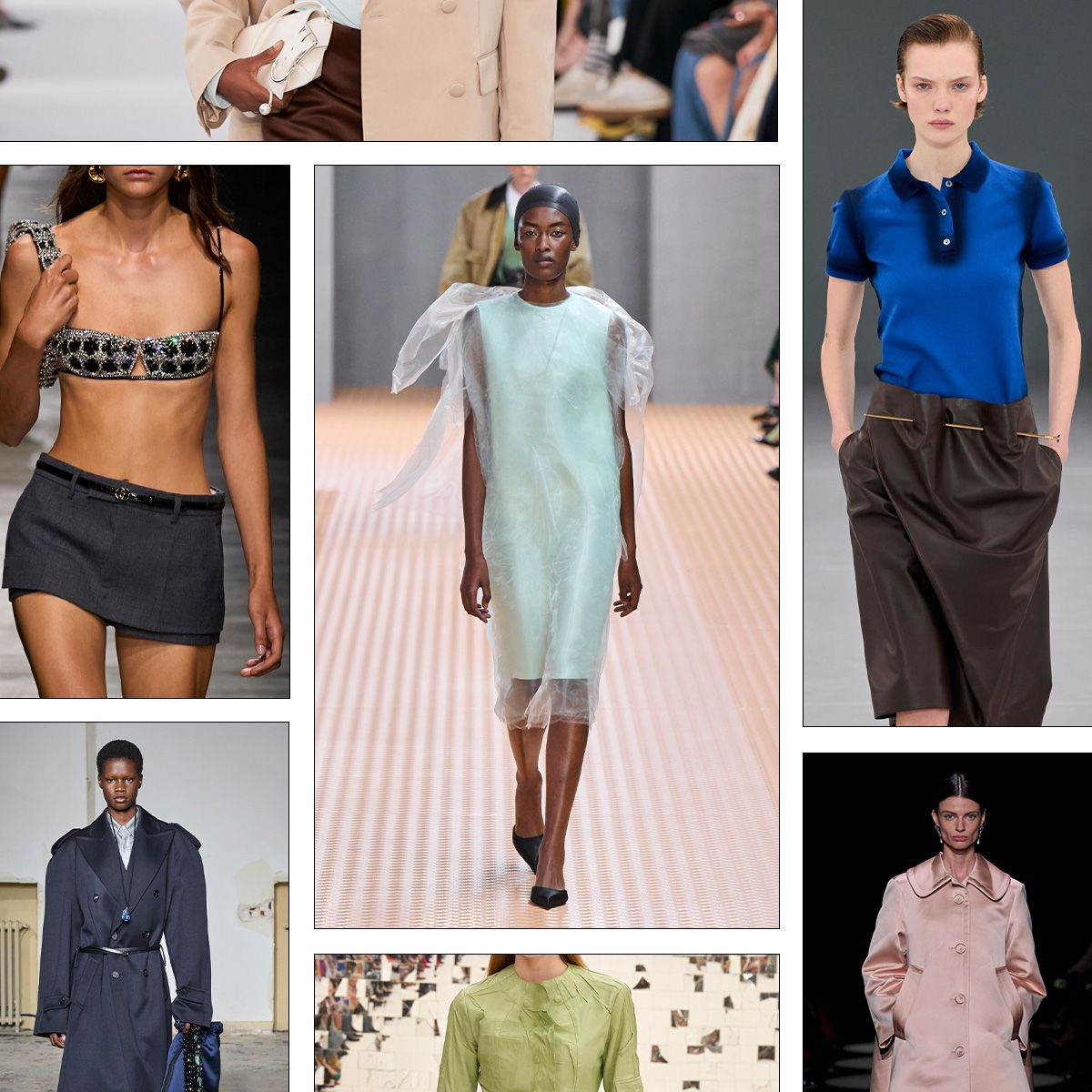
Color coordination is crucial for creating visually appealing outfits. Knowing how to match colors effectively can enhance personal style, express individuality, and even affect how one is perceived. This comprehensive guide outlines practical strategies for achieving harmonious outfits by focusing on color theory, combinations, and personal preferences.
Understanding Color Theory
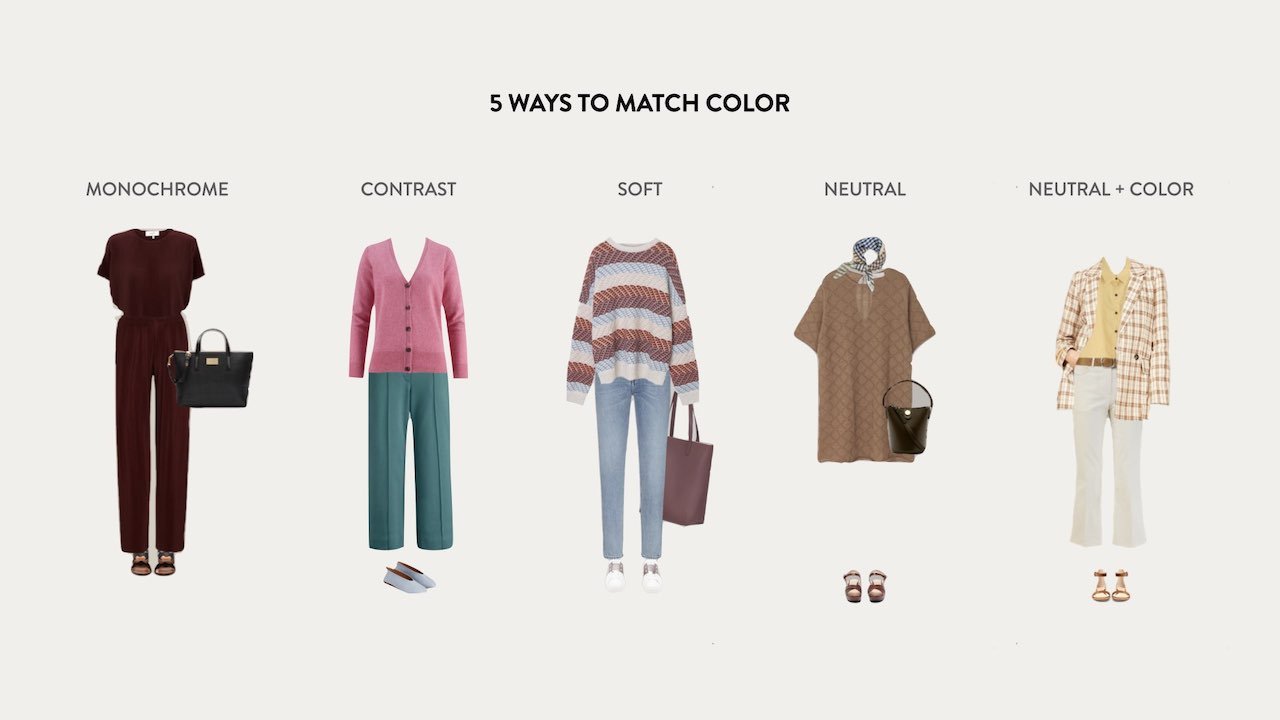
A solid foundation in color theory is essential for effective color matching. At its core, the color wheel organizes colors based on their relationships. It consists of:
Primary Colors: Red, blue, and yellow.
Secondary Colors: Created by mixing primary colors (e.g., green, orange, purple).
Tertiary Colors: Result from mixing primary and secondary colors.
By familiarizing yourself with these categories, you can start crafting outfits that are visually harmonious. The color wheel also highlights two primary types of color relationships: complementary (colors opposite each other) and analogous (colors next to each other).
Color Matching Methods
Monochromatic Looks
One of the simplest ways to create a cohesive outfit is through monochromatic styling. This approach involves using different shades, tints, or tones of the same color. Mixing two or three shades of a single color can produce a polished and sophisticated look. For example, pairing light blue with navy offers depth without overwhelming the viewer.
Contrasting Combinations
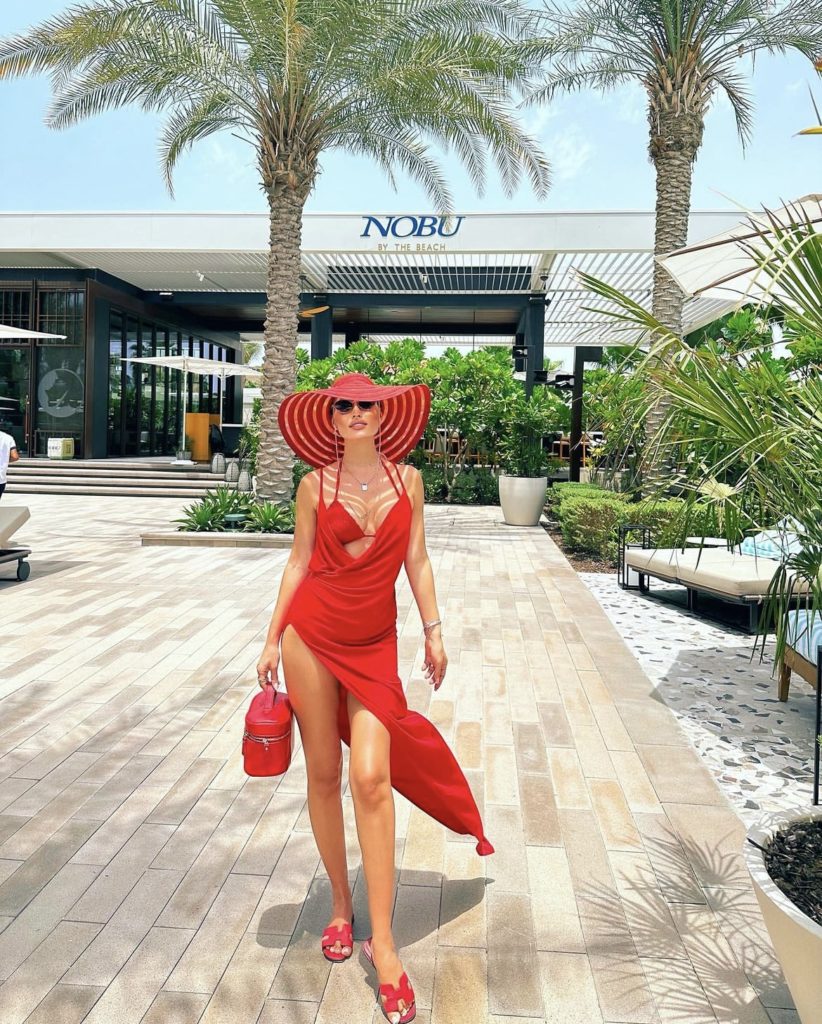
Creating contrast can make an outfit pop. Using complementary colors—those situated opposite each other on the color wheel—can produce striking visual effects. Classic pairs like red and green, or blue and orange, create vibrant looks. However, it's best to ensure that one color dominates the outfit to avoid clashing. For instance, wearing a blue shirt with orange accents achieves high contrast without chaos.
Soft Color Combinations
For a calmer appearance, soft color combinations are ideal. These involve using pastel colors or colors that have been mixed with gray, such as sage green or soft ochre. These blends offer a relaxed, friendly vibe and can be perfect for casual settings.
The Power of Neutrals
Neutral colors are integral to effective color matching. Shades like white, beige, gray, and black can create a timeless look while balancing brighter colors in an outfit. For instance, a vibrant red dress can be paired with gray accessories to tone down its intensity while still allowing it to stand out.
Patterns and Textures
Patterns can add interest but require careful consideration in color matching. When integrating patterns, select those that share colors or have complementary elements. For instance, a floral pattern with shades of blue can complement a pair of solid blue trousers effectively. Additionally, mixing textures—such as pairing denim with silk—adds a layer of sophistication and visual intrigue to your outfit.
Seasonal and Trend Adaptation
Colors are influenced by seasonal trends, and adapting these into your wardrobe helps keep your style current. Recent trends showcase warm earth tones, soft pastels, and classic neutrals. Integrating these colors effectively means knowing how to balance them with existing pieces in your wardrobe. For example, pairing a rich burgundy top with brown trousers reflects the current trend while maintaining a classic appearance.
Accent and Statement Colors
When matching colors, it's helpful to choose a dominant color complemented by accents. Statement colors (bold hues used sparingly) can bring an outfit to life. For example, a navy suit can be paired with a vibrant yellow tie, adding a dynamic element while retaining professionalism. Utilizing accent colors effectively involves maintaining a balance: usually, one color should dominate, while others should serve in supporting roles.
Personal Color Palettes
Understanding your personal color palette, based on skin tone and undertones, can significantly enhance outfit success. Knowing which shades work best for you will streamline the color matching process. Seasonal color analysis, which categorizes individuals into seasonal groups like Spring or Autumn, can help identify colors that bring out your best features.
Experimenting with Confidence
Ultimately, color matching should be an enjoyable venture. Don’t hesitate to experiment with unexpected combinations. Mixing hues like pink and green or orange with navy can yield fresh, eye-catching looks. Remember, the key is to maintain an element of balance in your outfit, ensuring that one color takes center stage while others act as supporting characters.
Conclusion
Mastering color matching in outfits requires a blend of knowledge, practice, and creativity. By understanding the basics of color theory, exploring various combinations, and adapting seasonal trends, anyone can enhance their wardrobe and express their unique style effectively. Emphasizing balance, coordination, and personal color awareness will lead to confident and stylish outfit choices.
Let's look at alternatives:
- Modify the query.
- Start a new thread.
- Remove sources (if manually added).






Let's look at alternatives:
- Modify the query.
- Start a new thread.
- Remove sources (if manually added).