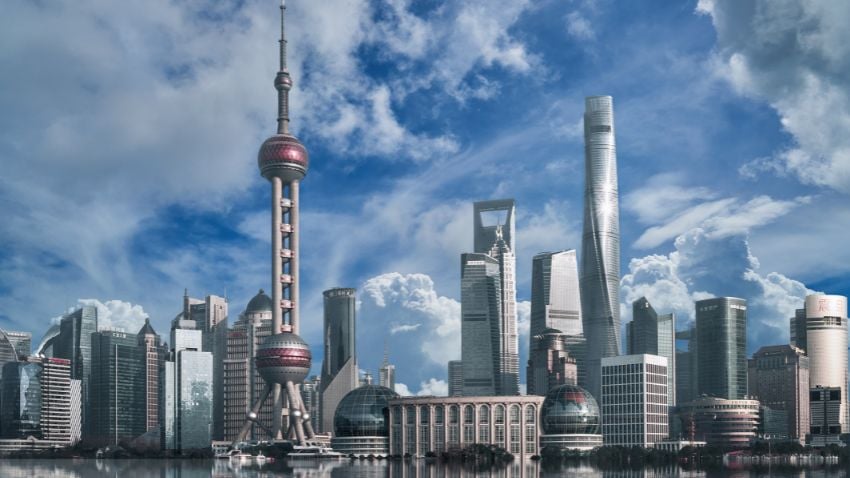
Ever wonder where cyberpunk got its ideas for corporate-run city-states and fragmented borders? It's not science fiction. The blueprints are real, operating today as Special Economic Zones and Freeports. Here’s how they rewrite the map.
🧵 1/6
1. THE CORPORATE ISLAND
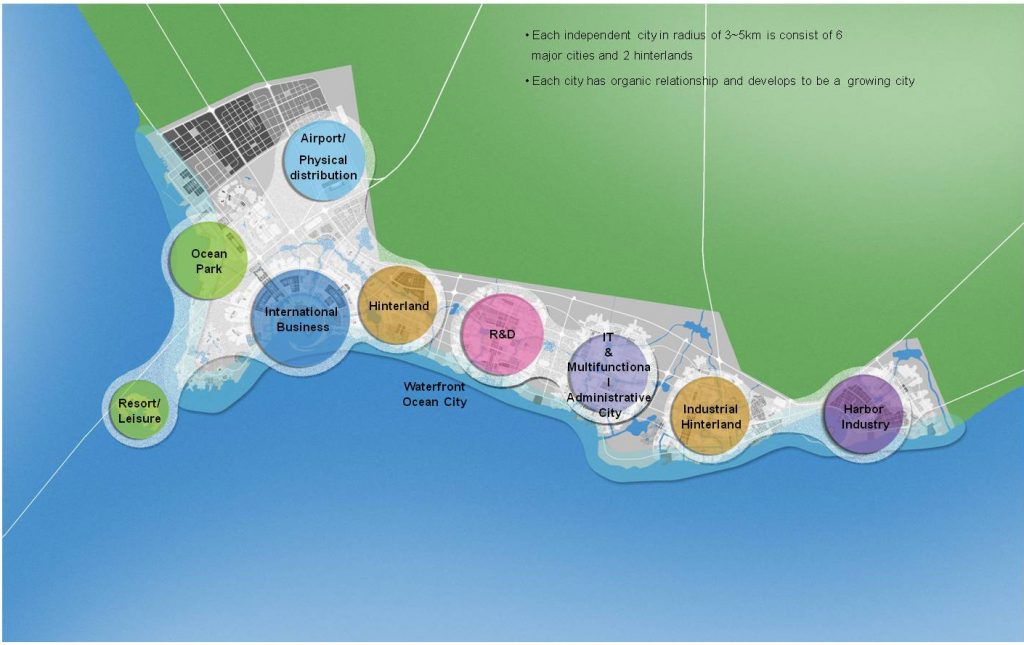
Special Economic Zones (SEZs) are areas where business and trade laws differ from the rest of the country[15]. Think of them as a state within a state, where corporations can get tax breaks, fewer regulations, and even their own rules[22][17]. Sound familiar?
🧵 2/6
2. EXTRATERRITORIALITY
This is the legal magic that exempts a place or person from local law[10]. Historically used for diplomats, it's now applied to foreign military bases and even corporate freeports, creating pockets where the host country's jurisdiction is ceded[10].
🧵 3/6
3. FRAGMENTED GOVERNANCE
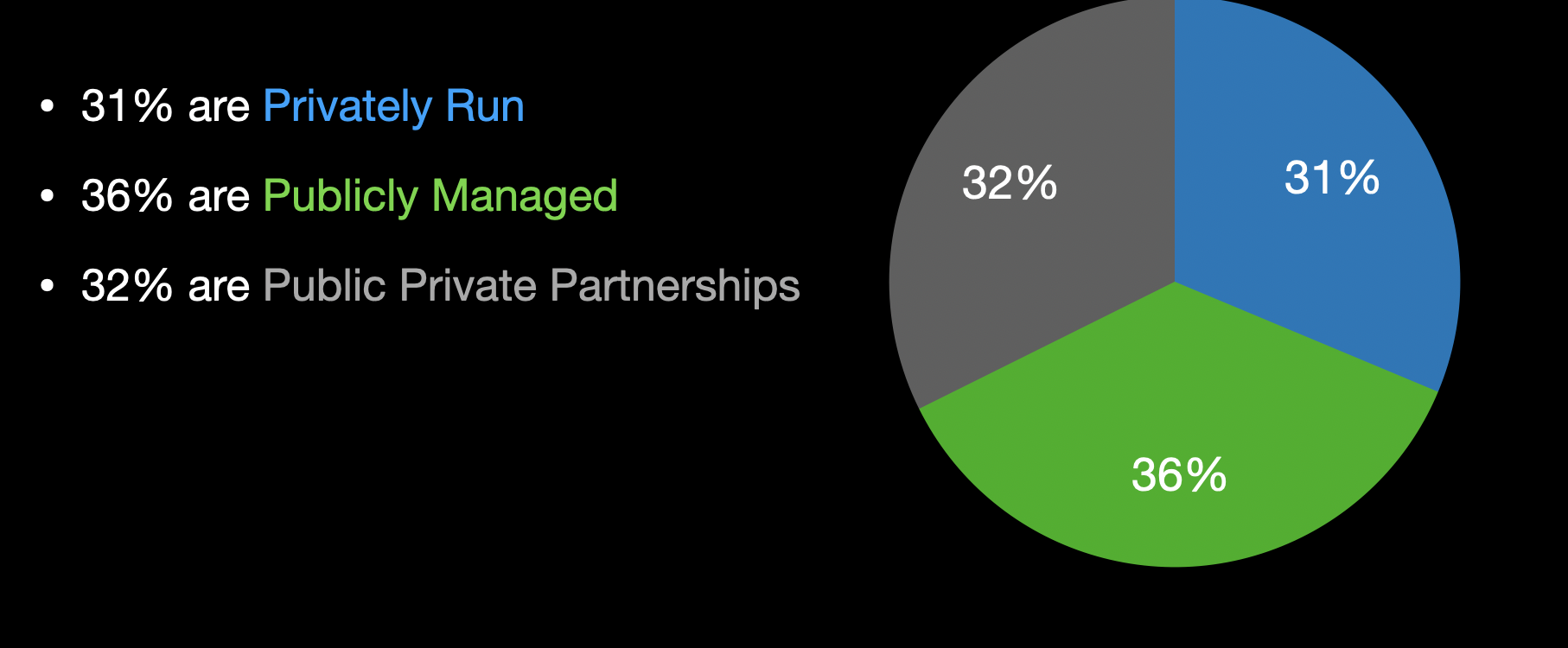
SEZs problematize ideas about governance and sovereignty[3]. Some are even privately managed, with developers planning the city, setting tax rates, and running things as they wish[12]. This is how you get corporate enclaves carving out their own utopias[3].
🧵 4/6
4. THE LOOPHOLE ECONOMY
These zones are designed to attract foreign investment with financial incentives like tax holidays and relief from customs duties[8][15]. But critics warn they can facilitate crime, corruption, tax evasion, and environmental harm[3][22].
🧵 5/6
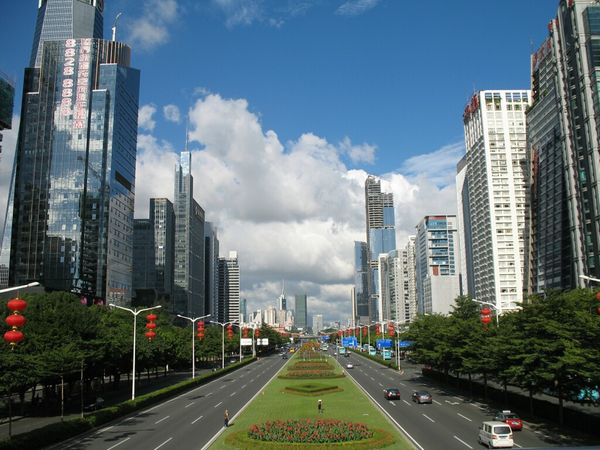
From China's city-sized SEZs to privatized districts in Texas, the lines are blurring between public states and private territories[19][12]. The cyberpunk future of fragmented sovereignty isn't coming; it's already built. What real-world example reminds you most of a cyberpunk city?
🧵 6/6
Sign Up To Try Advanced Features
Get more accurate answers with Super Pandi, upload files, personalized discovery feed, save searches and contribute to the PandiPedia.