100
Why Art Deco still belongs in cemeteries
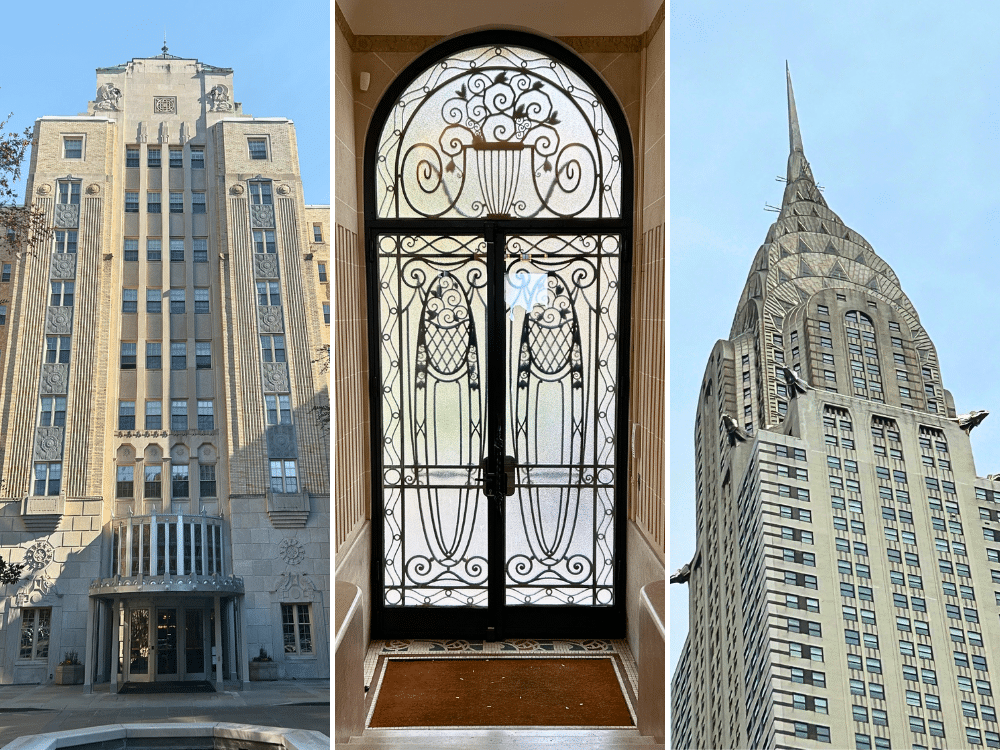
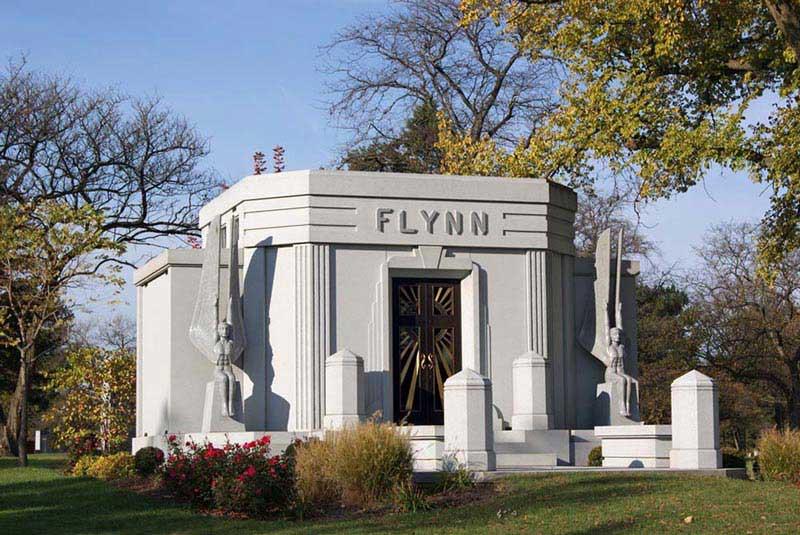
🧵 1/6


🧵 2/6


🧵 3/6
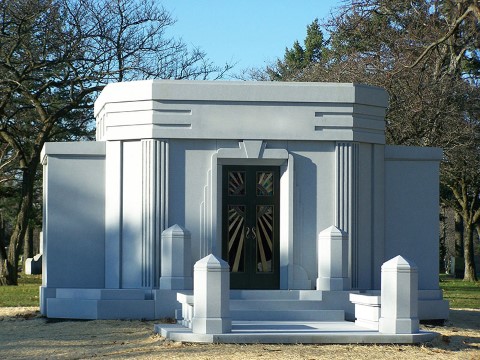

🧵 4/6
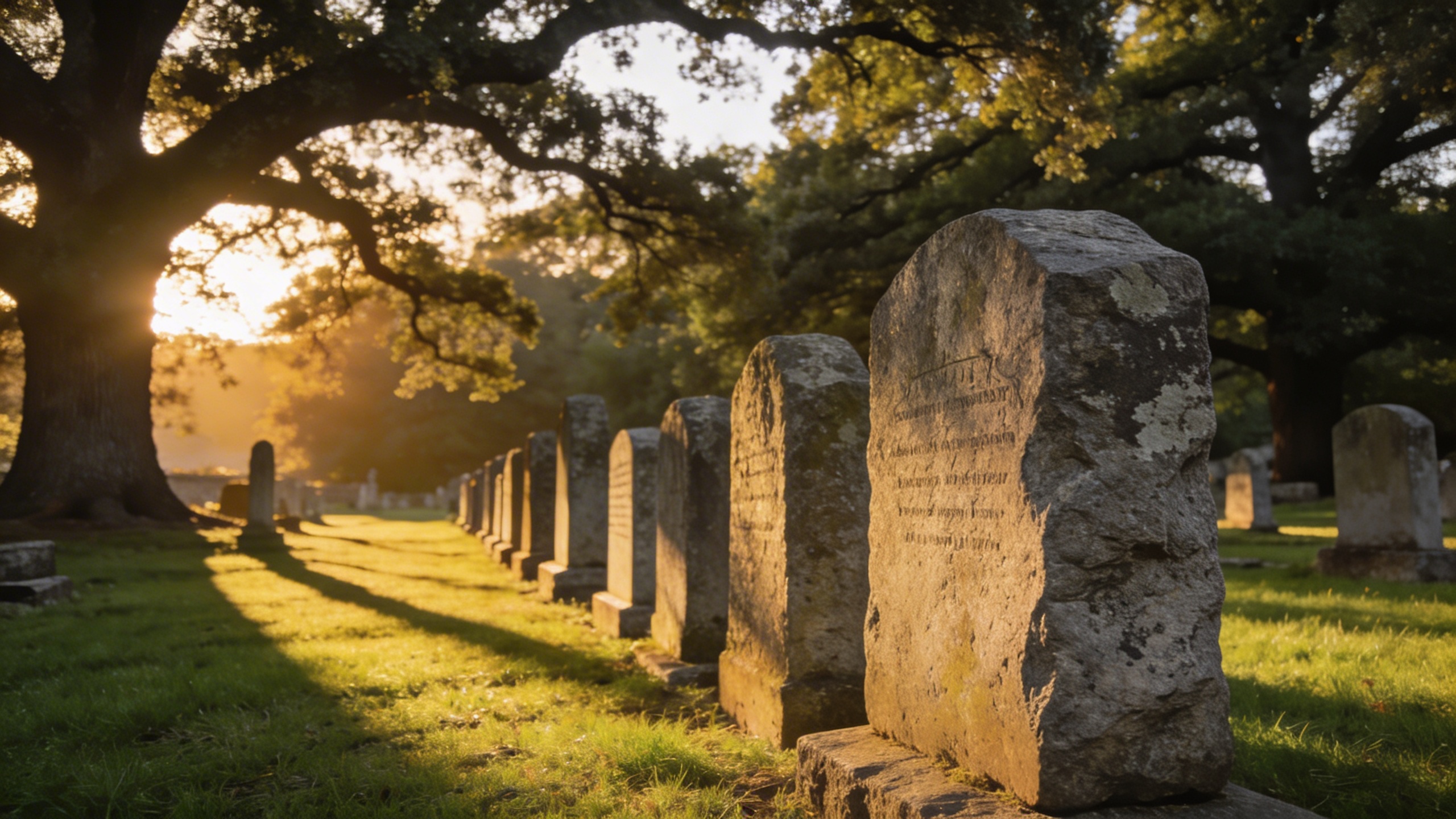

🧵 5/6
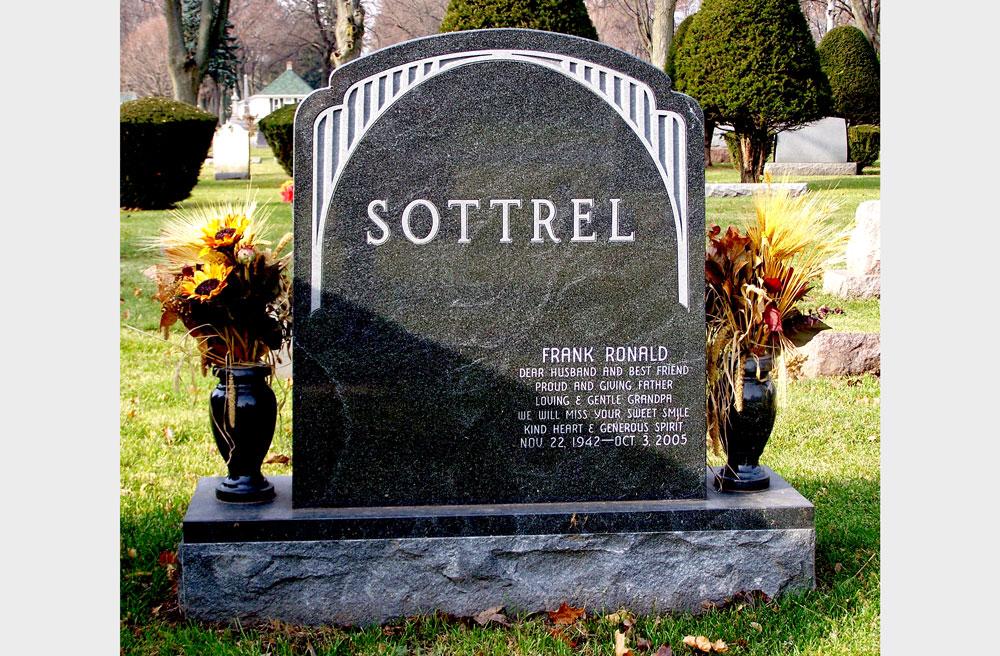

🧵 6/6
Sign Up To Try Advanced Features
Get more accurate answers with Super Pandi, upload files, personalized discovery feed, save searches and contribute to the PandiPedia.
Sorry, Pandi could not find an answer.
Let's look at alternatives:
- Modify the query.
- Start a new thread.
- Remove sources (if manually added).
Related Content From The Pandipedia
How to read Art Deco building letteringWhy does reeded and fluted glass feel so Art Deco, and where can you use it in aHow glass block went from miracle to iconHow does the use of glassy textures in Frutiger Aero differ from the frosted glass of modern Glassmorphism?What is Streamline Moderne, and how is it different from Art Deco?Art Deco vs Bauhaus: spot the difference fastArt Deco tiles that still feel freshHow can you add Art Deco geometry to a minimalist room without losing the calm?Are your passwords future-proof?Why do zigzags and chevrons read as Art Deco, and when do they start to feel5 fast facts about the Miami Beach Art Deco DistrictThe women who made Art Deco shimmerFrom preservation to Deco-Tech: Art Deco’s comebackWhat are essential items to include in your travel kit?A thread on how Art Deco shaped the modern hotel lobby