How does the use of glassy textures in Frutiger Aero differ from the frosted glass of modern Glassmorphism?
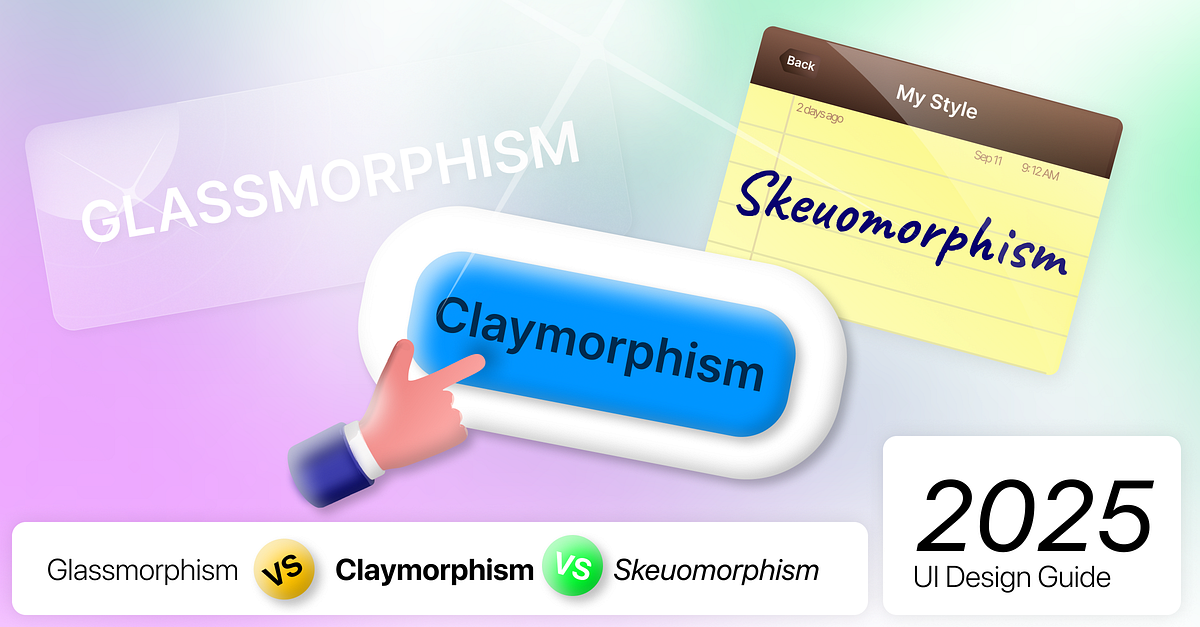
The glassy textures of the 2000s, often associated with the Aero UI in Windows Vista, prioritized a heavy, glossy aesthetic that mimicked physical materials to create a sense of realism[2]. This skeuomorphic approach used detailed highlights and shadows to make digital elements feel like tangible, polished objects[4].
In contrast, modern Glassmorphism relies on a frosted, semi-transparent blur effect to create depth[2]. Rather than imitating physical glass surfaces through high-gloss realism, it uses layered transparencies and subtle lighting to achieve a sleek, airy, and minimalist interface[4].
Get more accurate answers with Super Pandi, upload files, personalized discovery feed, save searches and contribute to the PandiPedia.
Let's look at alternatives:
- Modify the query.
- Start a new thread.
- Remove sources (if manually added).