A comprehensive breakdown of the cozy huts movement and its cultural significance
The Cozy Huts Movement: A Cultural Shift Towards Simplicity and Sustainability
The cozy huts movement represents a significant cultural trend that champions small, often sustainable, shelters as an alternative to the complexities of modern living. More than just an architectural style, it is a lifestyle philosophy rooted in a desire to reconnect with nature, embrace simplicity, and honor cultural traditions of modest living[1]. This movement draws inspiration from a rich history of small dwellings, from traditional African roundhouses to minimalist shepherd huts, reinterpreting them for a contemporary world that increasingly values intentionality, environmental consciousness, and well-being over material wealth[5][24]. This report explores the historical roots, core principles, and profound cultural significance of the cozy huts movement and its related small-living trends.
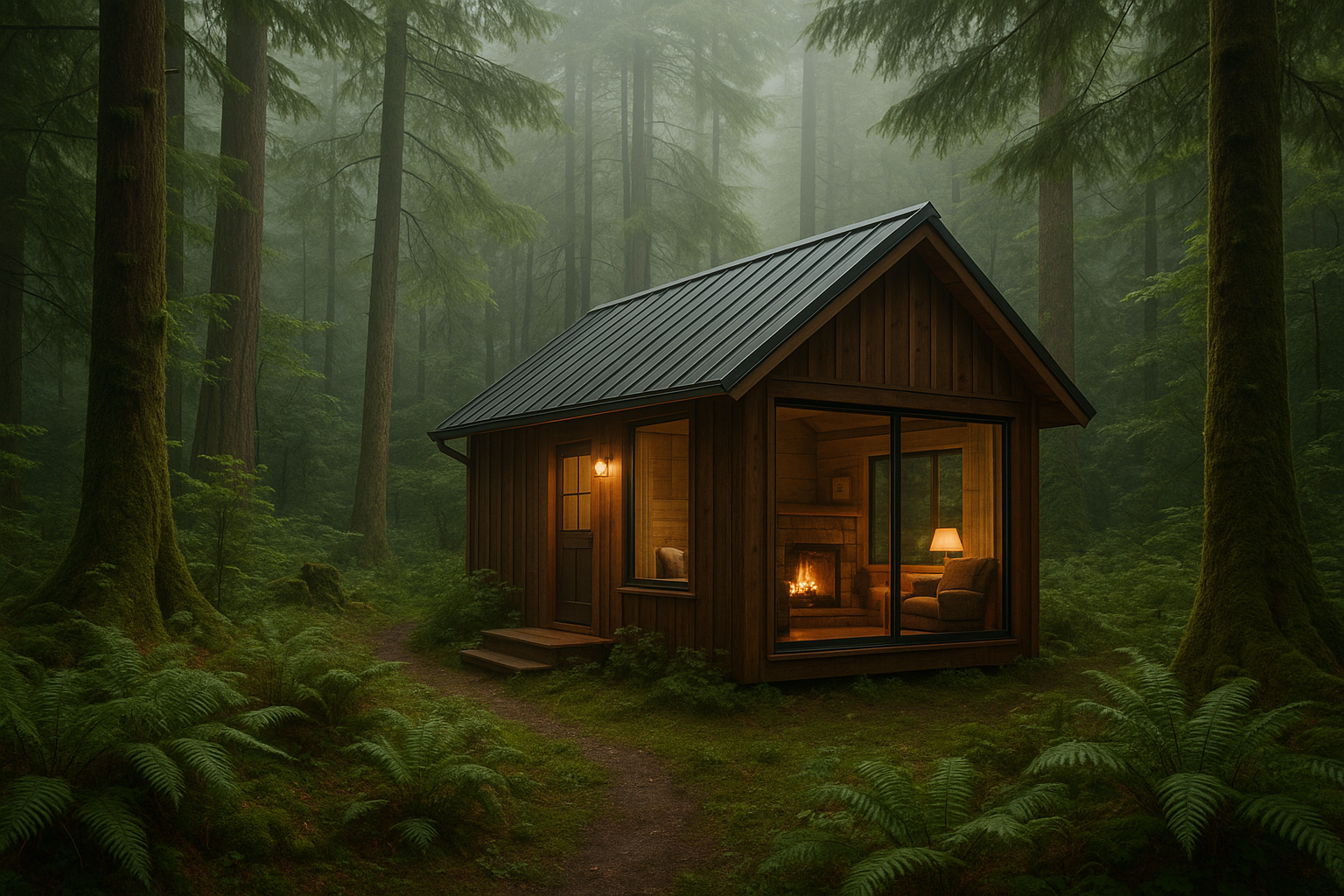
A Modern Cozy Hut Nestled in Nature
An illustrative depiction of a modern cozy hut, featuring natural wood, large windows overlooking a serene forest, and a warm, inviting interior. This image encapsulates the movement's core ideals of simplicity, sustainability, and a deep connection to the natural world.
Historical and Cultural Foundations
The appeal of small dwellings is not a new phenomenon; it is deeply embedded in human history and cultural practices across the globe. The movement's principles can be traced to vernacular architecture, a building style that uses local materials and knowledge to create structures perfectly adapted to their environment and the needs of their inhabitants[12]. These are not designed by professional architects but are expressions of indigenous creativity and resourcefulness[12].
For example, traditional African mud huts are built with locally sourced clay, straw, and water, embodying generations of communal wisdom and a harmonious relationship with nature[11]. The circular design of many African roundhouses is particularly significant, as it fosters a sense of unity, community, and ancestral connection within shared spaces[1]. Similarly, the Zulu kraal is more than just a shelter; it is a symbol of an entire culture, encapsulating practical, spiritual, and communal values[8]. In other traditions, the hut signifies modesty and serves as a space for spiritual retreat[4].
A Room with a View to Nature
This image of a guesthouse bedroom with large windows opening to the surrounding trees illustrates a key tenet of the cozy huts movement: blurring the lines between indoor and outdoor spaces to foster a stronger connection with nature.

In a more modern context, the philosophical underpinnings of the movement were articulated by figures like Henry David Thoreau. His small, 100-square-foot cabin at Walden Pond became a powerful symbol for mindful living and environmental sustainability, promoting the idea that a reduced physical footprint allows for a greater focus on life's essential aspects[18]. This historical legacy, from ancient communal structures to 19th-century transcendentalist ideals, provides a rich foundation for today's cozy huts and tiny house trends.
The Modern Movement and Its Cultural Impact
The contemporary small dwelling movement gained significant momentum in the late 20th and early 21st centuries. Pioneers like Sarah Susanka, with her 1998 book "The Not So Big House," and Jay Shafer, who built one of the first modern tiny homes on wheels around 2000, challenged conventional notions of home size and encouraged a shift towards quality over quantity[16][20]. This resurgence was amplified by media, with television shows like "Tiny House Nation" introducing the concept of downsizing to a mainstream audience and transforming it into a symbol of financial freedom and creative living[17].
Today, the cozy huts movement is a cultural statement against consumer excess and a fast-paced, disconnected lifestyle[15]. It intersects with rustic architecture, which prizes authenticity, natural materials, and exposed craftsmanship to create spaces with historical character[7]. Modern rustic design blends these traditional elements with contemporary features like expansive windows, creating a style that respects both nature and modern living[19][22]. This aesthetic is not just about fashion but about creating a home filled with warmth, character, and a tangible connection to the natural world[26].
- Sustainability: The movement prioritizes eco-friendly practices, such as using local, natural materials and minimizing environmental footprints by concentrating human activities[2]. Modern interpretations focus on durable, long-lasting materials that are kinder to the planet[29].
- Minimalism and Intentional Living: By reducing living space, individuals are encouraged to shed excess possessions and focus on experiences, leading to a more intentional and less materialistic lifestyle[24]. Shepherd huts, for example, have become icons of this minimalist approach[5].
- Slow Living and Well-being: Alpine huts and remote cabins offer a retreat from urban pressures, providing environments that nurture creativity, mindfulness, and a slower pace of life[6]. Many now seek these small, nature-surrounded spaces as functional retreats for remote work and relaxation[28].
- Community and Connection: The movement also fosters a sense of community. In some cities, artfully designed warming huts are installed along public trails to serve as communal gathering points[25]. This echoes the communal spirit of traditional roundhouses and the shared ethos found in hut systems worldwide[1][27].
Conclusion
The cozy huts movement is far more than an architectural trend; it is a multifaceted cultural response to the demands of the modern world. By drawing on a deep history of traditional shelters and the timeless appeal of simple living, it offers a compelling vision for a more sustainable, intentional, and connected way of life. The movement challenges conventional ideas about what constitutes a home, suggesting that fulfillment is found not in size or luxury, but in simplicity, authenticity, and a harmonious relationship with the natural world. As society continues to grapple with issues of environmental impact and personal well-being, the principles embodied by the cozy hut—sustainability, community, and a focus on the essential—are likely to become increasingly relevant and influential.
References
Get more accurate answers with Super Pandi, upload files, personalized discovery feed, save searches and contribute to the PandiPedia.
Let's look at alternatives:
- Modify the query.
- Start a new thread.
- Remove sources (if manually added).