Influences on the cozy huts movement
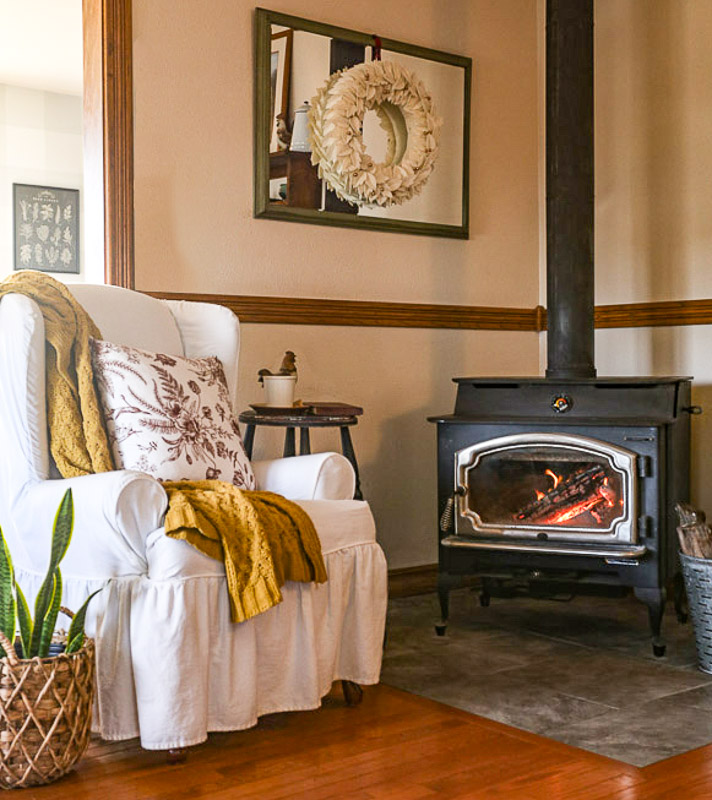
The cozy huts movement draws on a rich mix of influences that celebrate the charm of simpler times and a closer connection to nature. Cottagecore enthusiasts find inspiration in the nostalgia for rural living, where natural materials like wood, stone, and wicker form the backbone of cozy, handcrafted interiors[1]. This longing for the slow, deliberate pace of countryside life is also fueled by vintage and antique pieces, floral patterns, and handmade DIY items that echo the traditions of past generations[2].
A strong influence comes from the romanticized view of English country life and classic literature, which paints pastoral landscapes as havens of calm, warmth, and authenticity[3]. In parallel, the aesthetic also embraces French country charm—as seen in Instagram feeds that capture postcard-pretty cottages and nostalgic village scenes—reinforcing that sense of timeless elegance and personal storytelling in each space[4].
Modern sustainability trends further shape the movement by promoting the use of reclaimed wood, eco-friendly materials, and biophilic design principles that reconnect interiors with the natural environment[8]. Alongside this, designers and homeowners are embracing materials and design features that improve indoor air quality and foster a healthy, energy-efficient living environment, thereby merging rustic charm with modern convenience[9].
Lastly, influences from lifestyle shifts—exemplified by trends like the cozy girl era—encourage personal comfort through self-care and the art of styling everyday wear with pre-loved treasures and versatile accessories, underscoring that the cozy huts movement is as much about internal well-being as it is about external aesthetics[6].
Get more accurate answers with Super Pandi, upload files, personalized discovery feed, save searches and contribute to the PandiPedia.
Let's look at alternatives:
- Modify the query.
- Start a new thread.
- Remove sources (if manually added).