Origins of the cozy huts movement
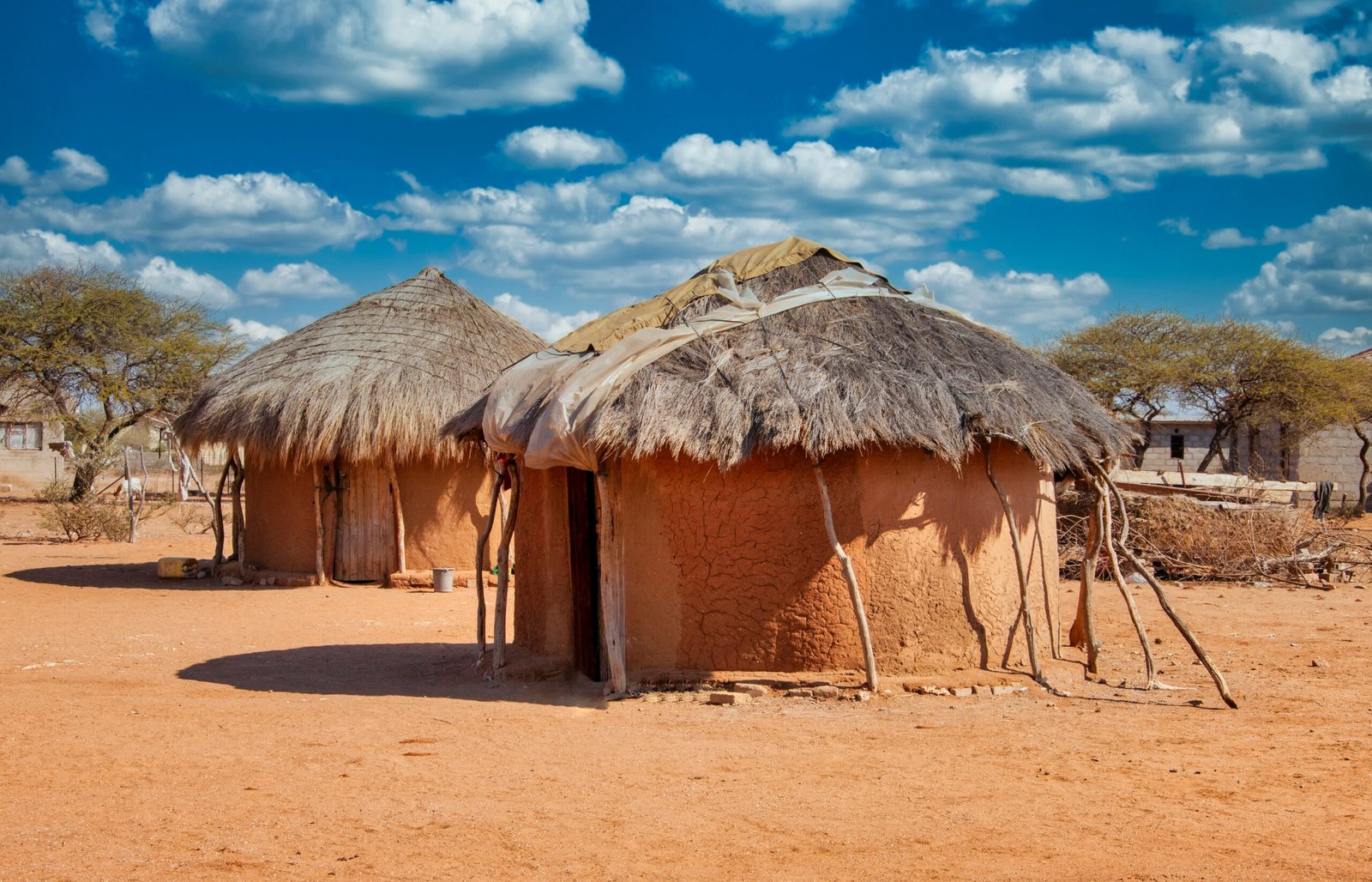
The cozy huts movement can be traced back to humanity’s original need to carve out a little refuge from the wild. In its earliest form, the idea of a simple shelter—what Marc‐Antoine Laugier famously described as “the little rustic cabin… the model upon which all the magnificences of architecture are elaborated”—represents a founding myth in construction that celebrated nature’s raw materials and a direct human response to the elements[4]. Traditional forms, like those found in Africa where communities built mud and thatch huts that expressed cultural identity and resilience, further illustrate how early humans embraced simplicity in shelter-making[3].
This instinct for shelter didn’t vanish over time—it evolved. As noted by urban-eidos, even the playful acts of children constructing forts in the forest echo the same need to transform an untamed environment into a place of personal meaning, demonstrating that architecture is fundamentally about the human act of making space that feels like home[2].
Later, during challenging periods like World War II, necessity gave rise to the Quonset hut—a versatile, prefabricated structure born from the need for robust, quickly assembled shelters. These huts, originally constructed from corrugated steel in military contexts, later became symbols of rugged, efficient design that still appeal today as a foundation for modern DIY and back-to-nature projects[6].
In more recent years, renewed interest in sustainable, compact living has spurred a modern revival—one that draws on historical inspiration. Whether it’s the reimagined rustic cabins and lodges celebrated by designers or even expansive hut-to-hut networks in the backcountry of the United States, as chronicled by hut2hut and the Tenth Mountain Division Hut Association, these cozy shelters continue to serve as a bridge between our ancestral need for shelter and today’s desire for sustainable, mindful escapes into nature[9][11].
Today’s ventures, like Escape Brooklyn’s HUTS, channel that ancient yearning by offering thoughtfully designed, highly customizable cabins that blend indoor–outdoor living with the simplicity and authenticity of early huts—making them the urban dweller’s dream of a peaceful countryside retreat[12]. And if we look even further back, from prehistoric shelters made from mammoth bones to the medieval stone cottages of Europe, we see that the longing for a cozy, intimate space has been with us since the dawn of human civilization[10].
Get more accurate answers with Super Pandi, upload files, personalized discovery feed, save searches and contribute to the PandiPedia.
Let's look at alternatives:
- Modify the query.
- Start a new thread.
- Remove sources (if manually added).