Découvrir Pandipedia
Un répertoire grandissant de réponses utiles sélectionnées par la communauté Pandi. Cherchez dans la collection ou parcourez les dernières découvertes.
2292 entrées disponibles
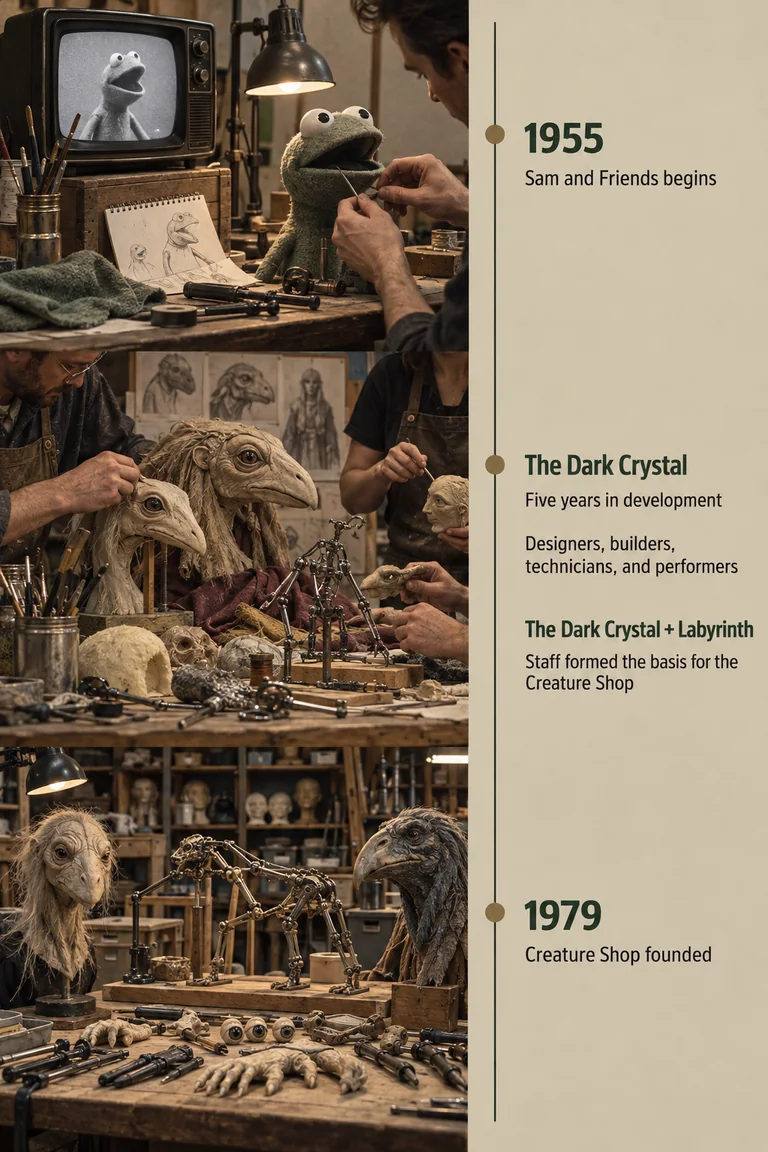
A documented path from television puppetry to the Creature Shop
Examinons les alternatives :
- Modifier la requête.
- Démarrer une nouvelle conversation.
- Supprimer des sources (si elles ont été ajoutées manuellement).
Why does cyberpunk make the body a political boundary?
In cyberpunk fiction, human-machine interfaces and body-modifying technologies bring questions of control and identity sharply into focus by erasing the boundaries between biology and digital systems. Technologies ranging from direct neural links to cybernetic prosthetics demonstrate how the human body can function as a site of corporate power, economic coercion, and systemic pressure rather than just personal expression or futuristic decoration.
When digital integration becomes a baseline requirement for daily functioning, accessing a home, attending school, or completing financial transactions, bodily modifications cease to be optional enhancements and instead become mandatory tools for economic survival[1]. For instance, in the Cyberpunk universe, workers and marginalized individuals face immense pressure to adopt specialized cybernetic tools or neural augmentations simply to maintain employment or secure housing[2]. This dynamic turns physical alteration into a political boundary where individuals are disciplined by technological dependencies, corporate surveillance, and unequal access to capital. Rather than offering straightforward liberation, modifying the body often exposes individuals to deep vulnerabilities, institutional control, and the risk of losing agency over their own minds and actions[3].
Would you also like to know how corporations in cyberpunk media exert control through virtual environments?Réponse terminée. Une option de suivi est disponible.
Examinons les alternatives :
- Modifier la requête.
- Démarrer une nouvelle conversation.
- Supprimer des sources (si elles ont été ajoutées manuellement).
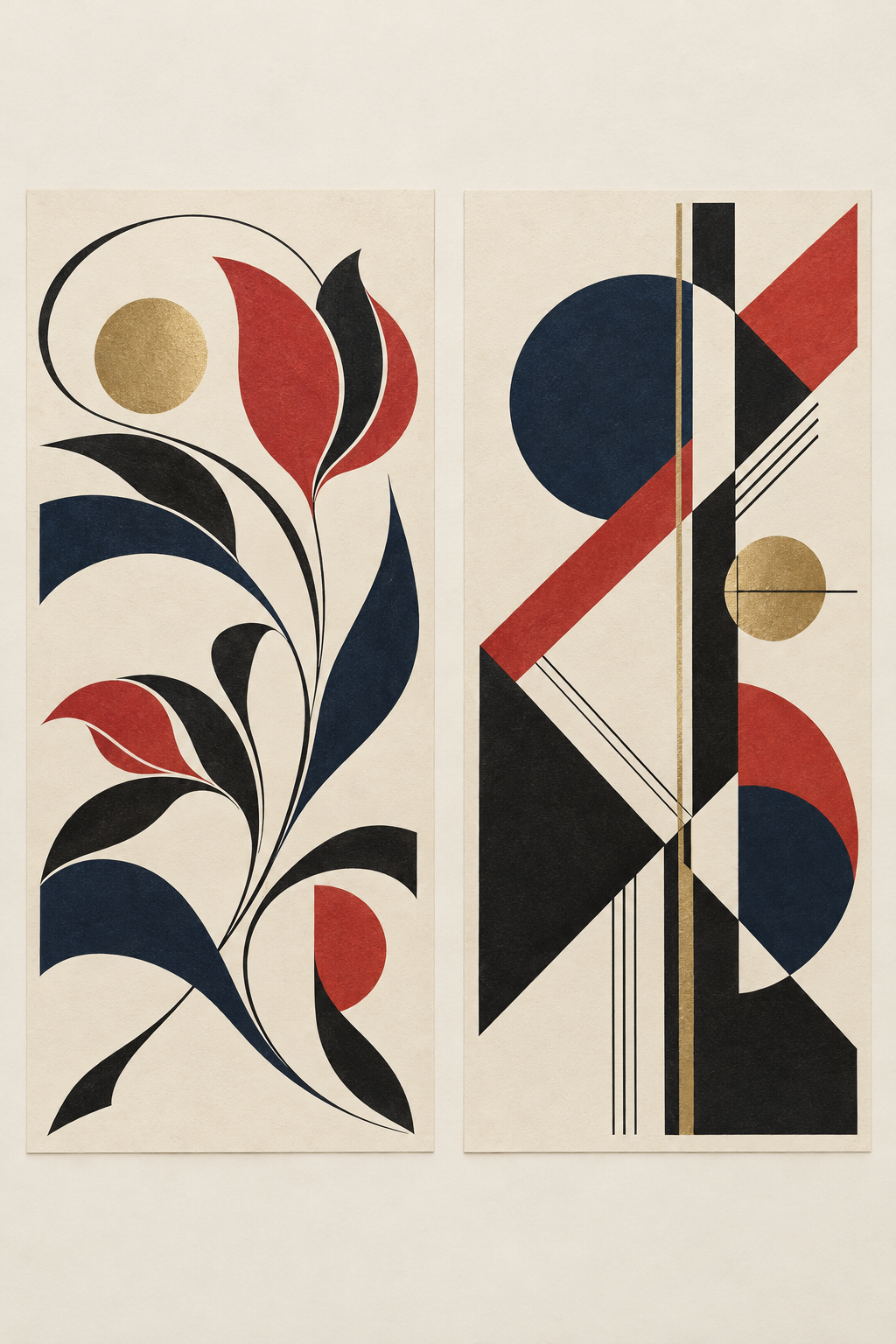
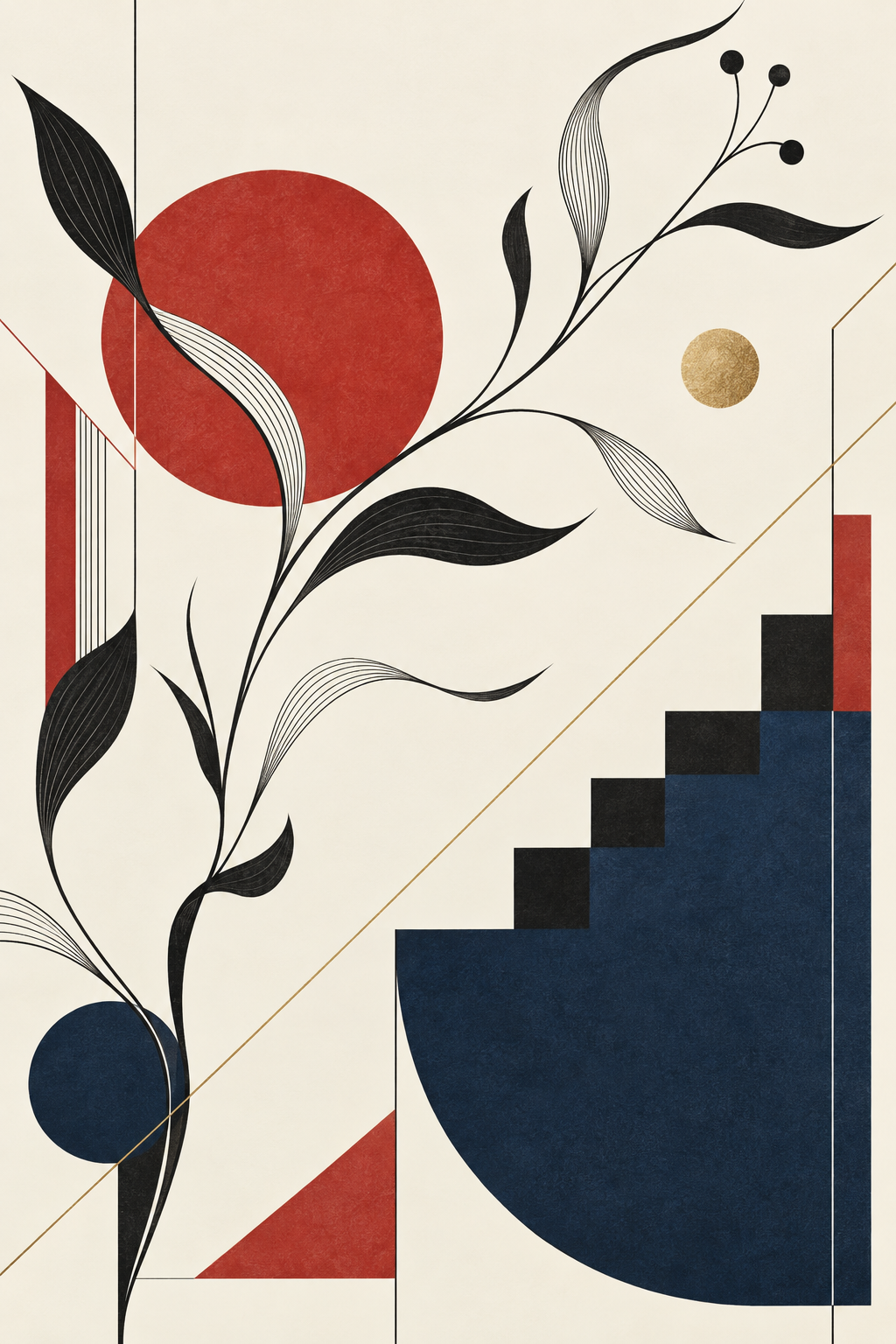
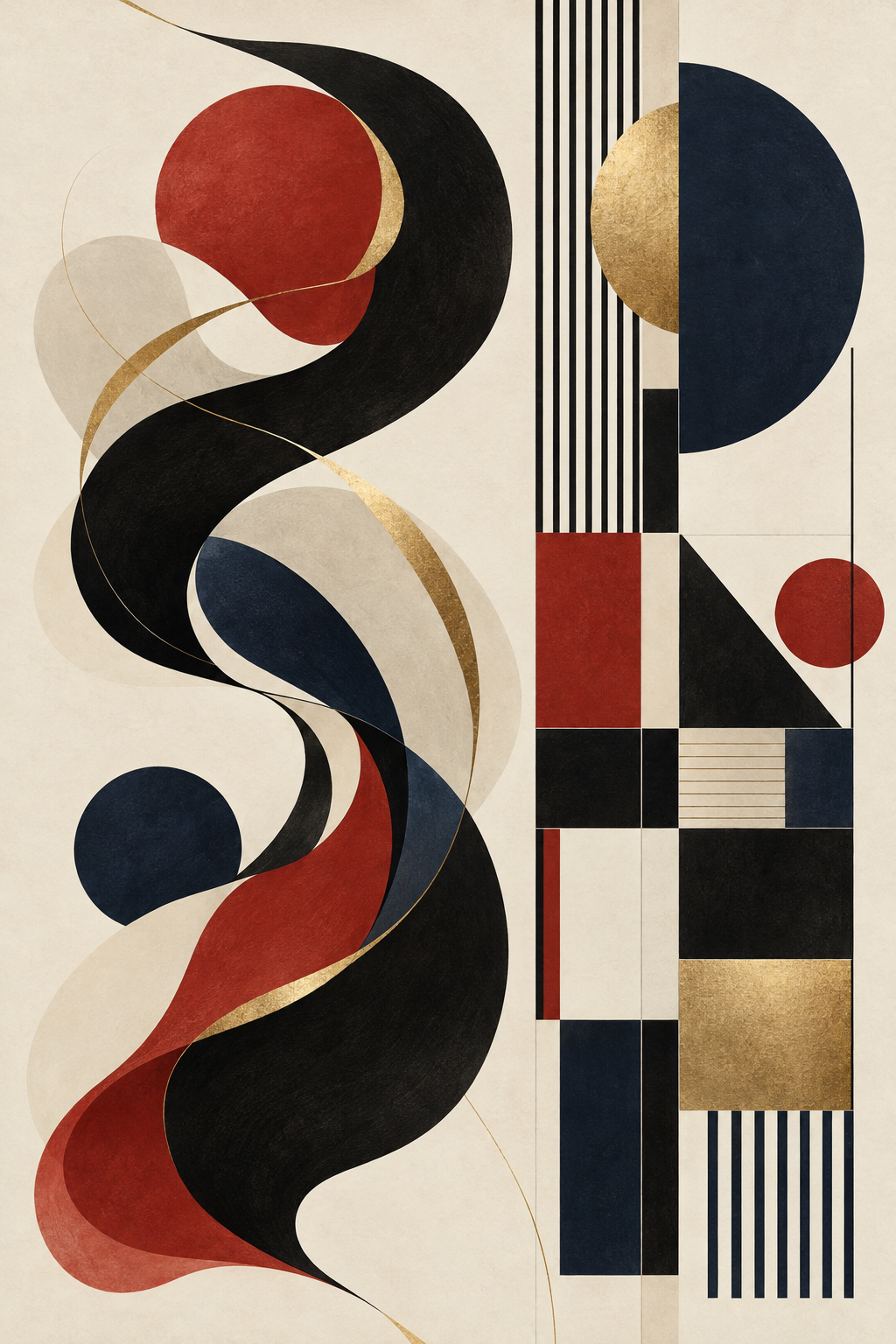
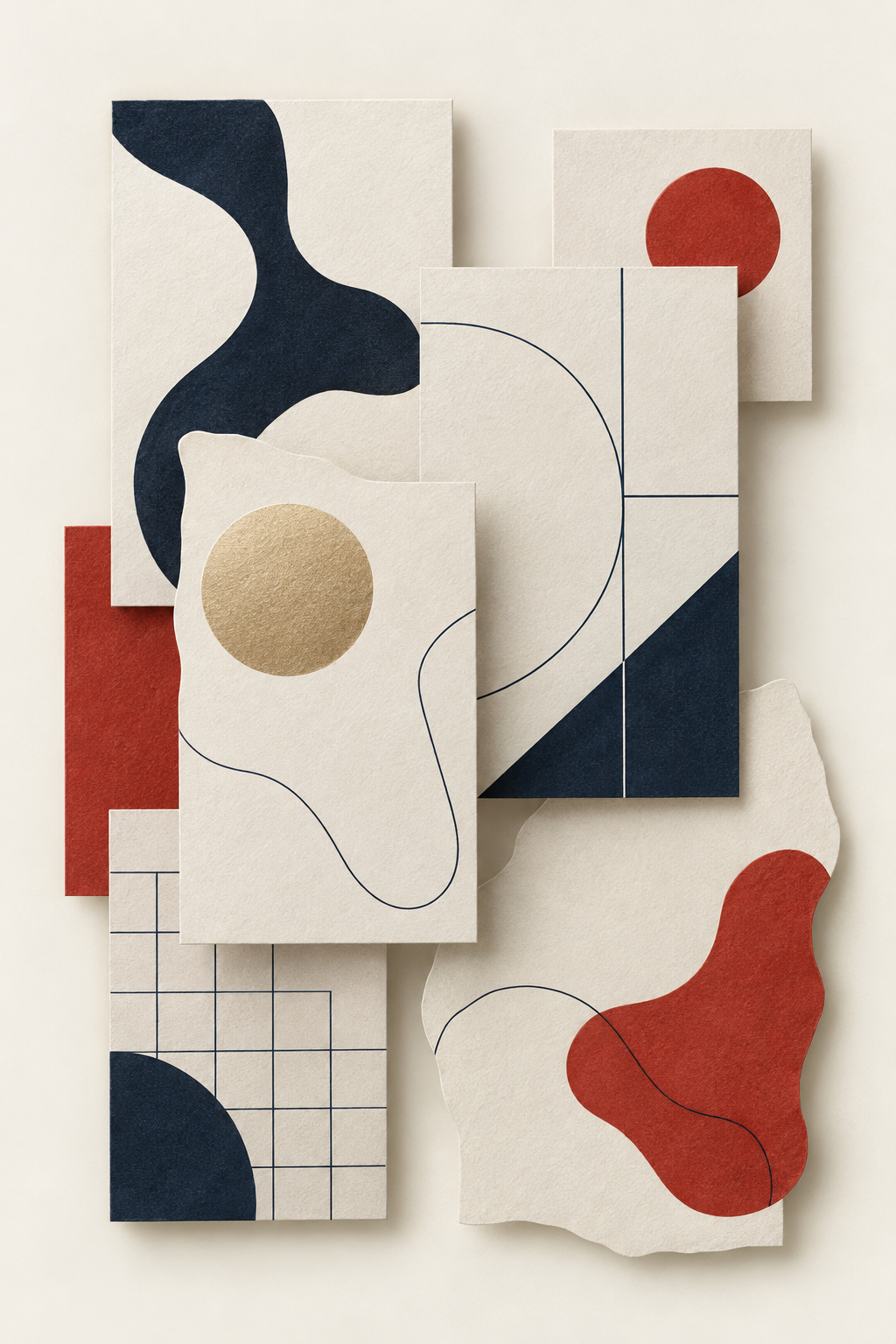
Two Posters, Two Styles


Examinons les alternatives :
- Modifier la requête.
- Démarrer une nouvelle conversation.
- Supprimer des sources (si elles ont été ajoutées manuellement).
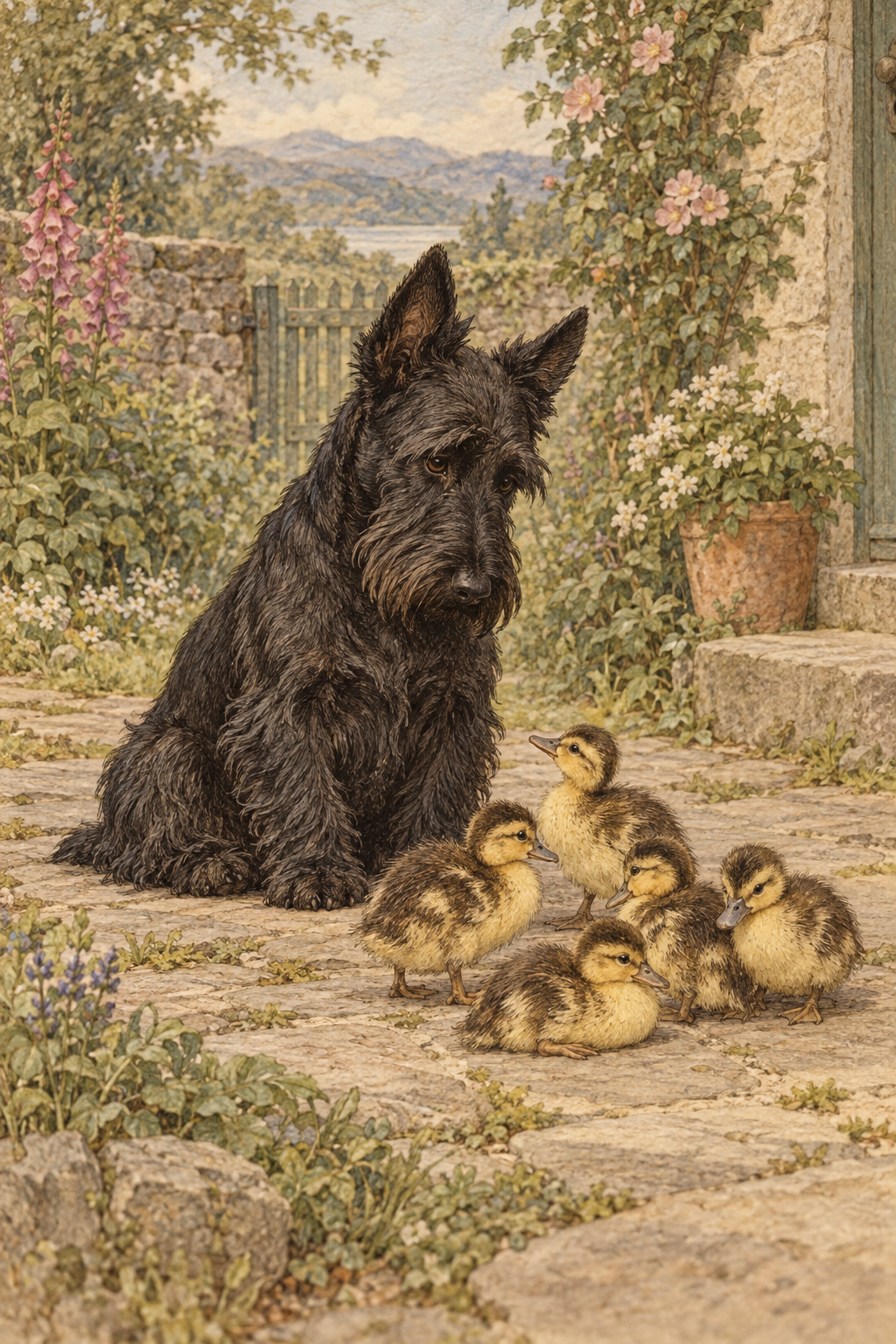
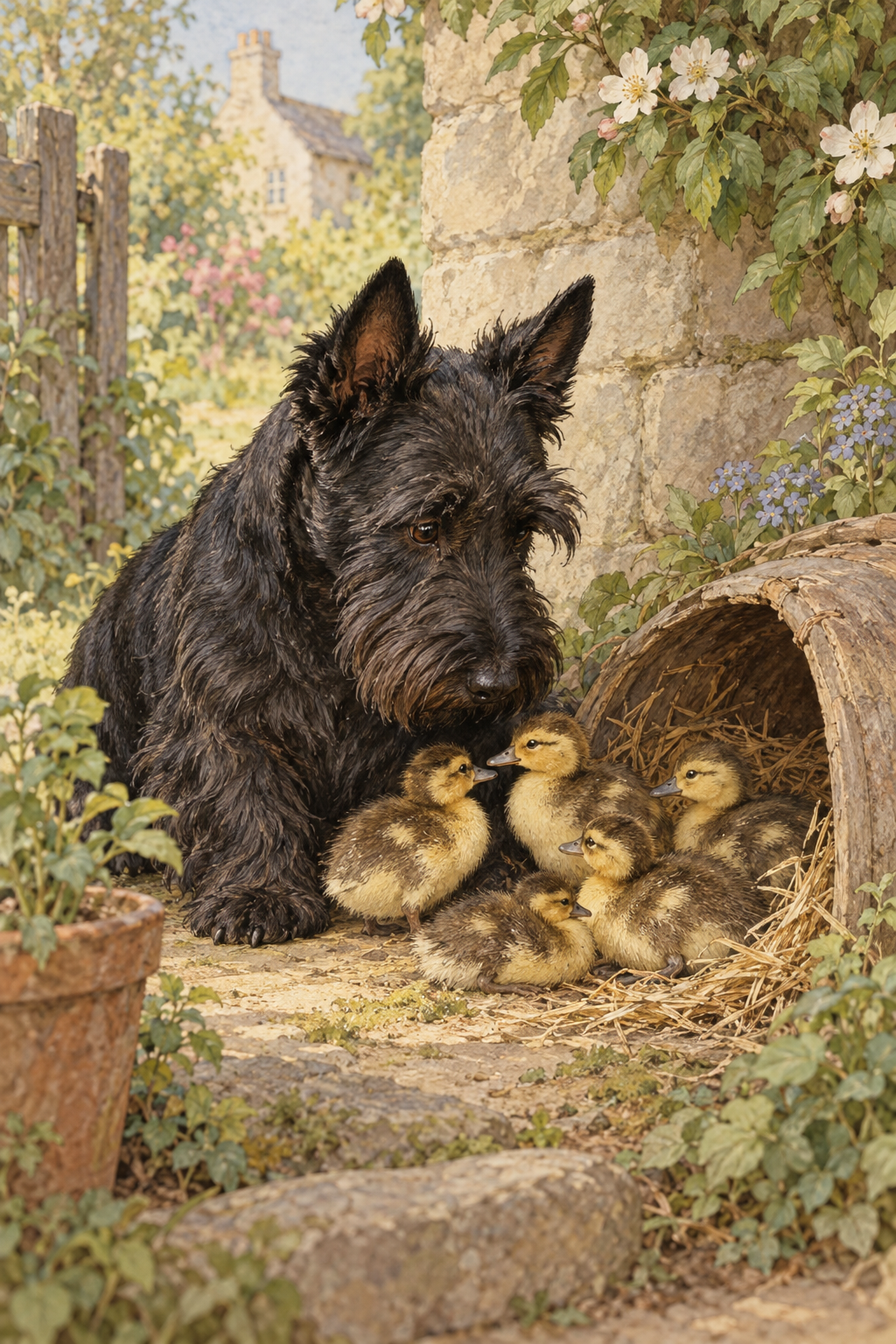
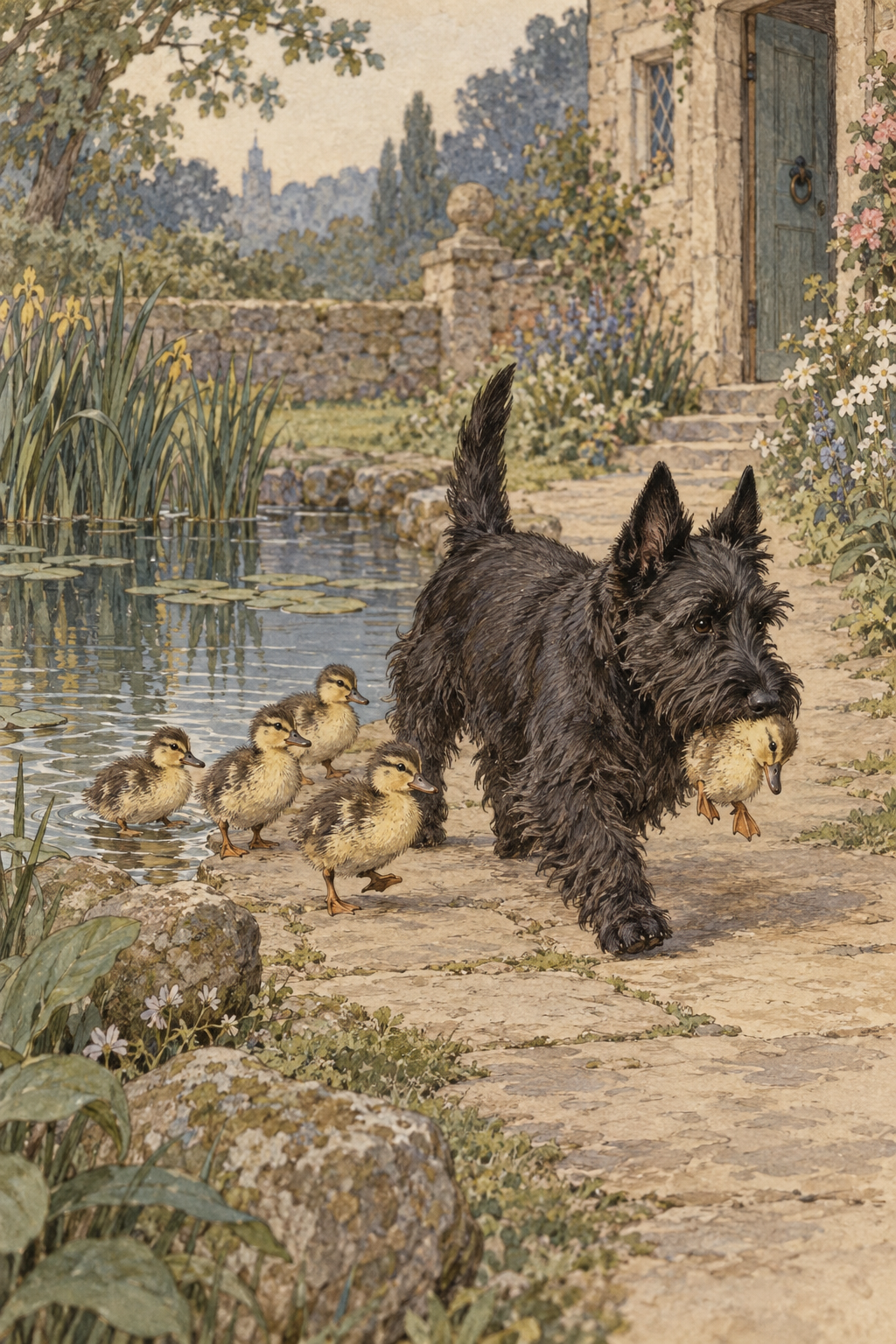
The terrier and the ducklings
Examinons les alternatives :
- Modifier la requête.
- Démarrer une nouvelle conversation.
- Supprimer des sources (si elles ont été ajoutées manuellement).
How far could an earthquake move the ground?
Loudon describes the Calabrian earthquakes as cracking the ground and lowering or levelling hills. She names Sir William Hamilton as an authority who gave a detailed account of the earthquakes[1][2].
One reported scene makes the scale vivid: a piece of ground a mile long and half a mile wide, carrying two cottages and several trees, was said to have travelled about a mile down a valley, with the houses and most trees still upright. That is what Loudon’s historical account claims, not a movement independently verified here as a present-day fact[3].
Examinons les alternatives :
- Modifier la requête.
- Démarrer une nouvelle conversation.
- Supprimer des sources (si elles ont été ajoutées manuellement).
A Little Ride Above the Sea

Examinons les alternatives :
- Modifier la requête.
- Démarrer une nouvelle conversation.
- Supprimer des sources (si elles ont été ajoutées manuellement).

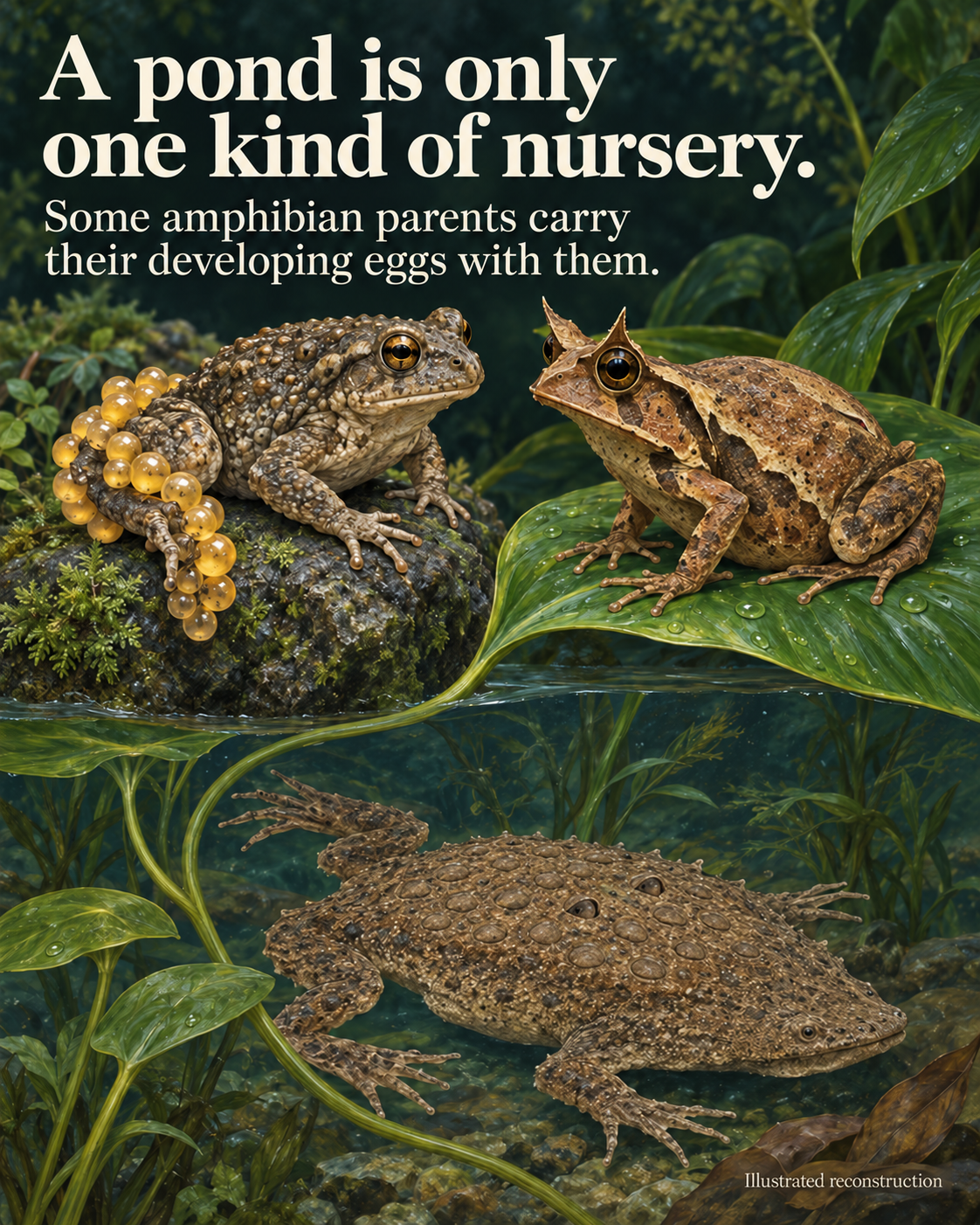
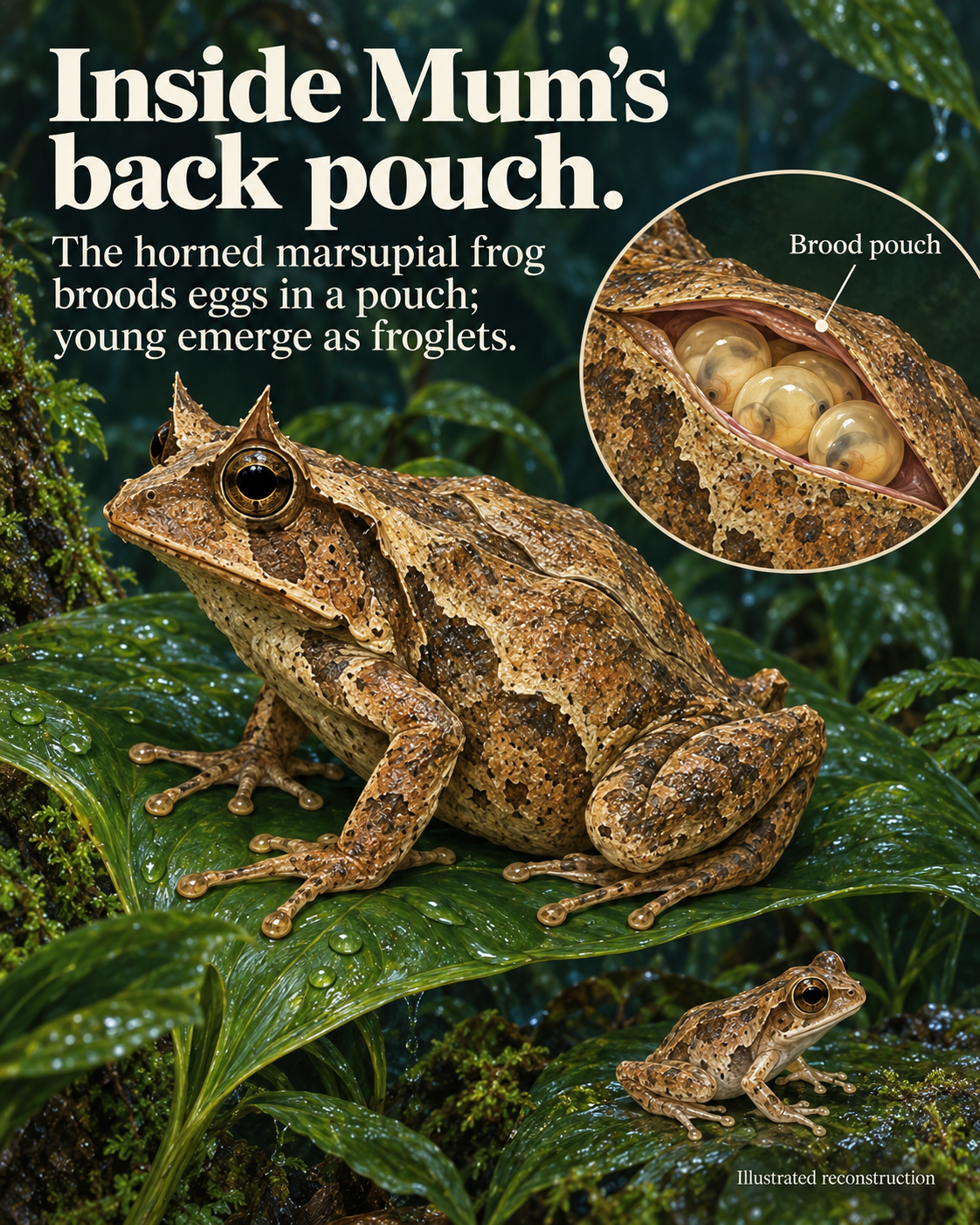
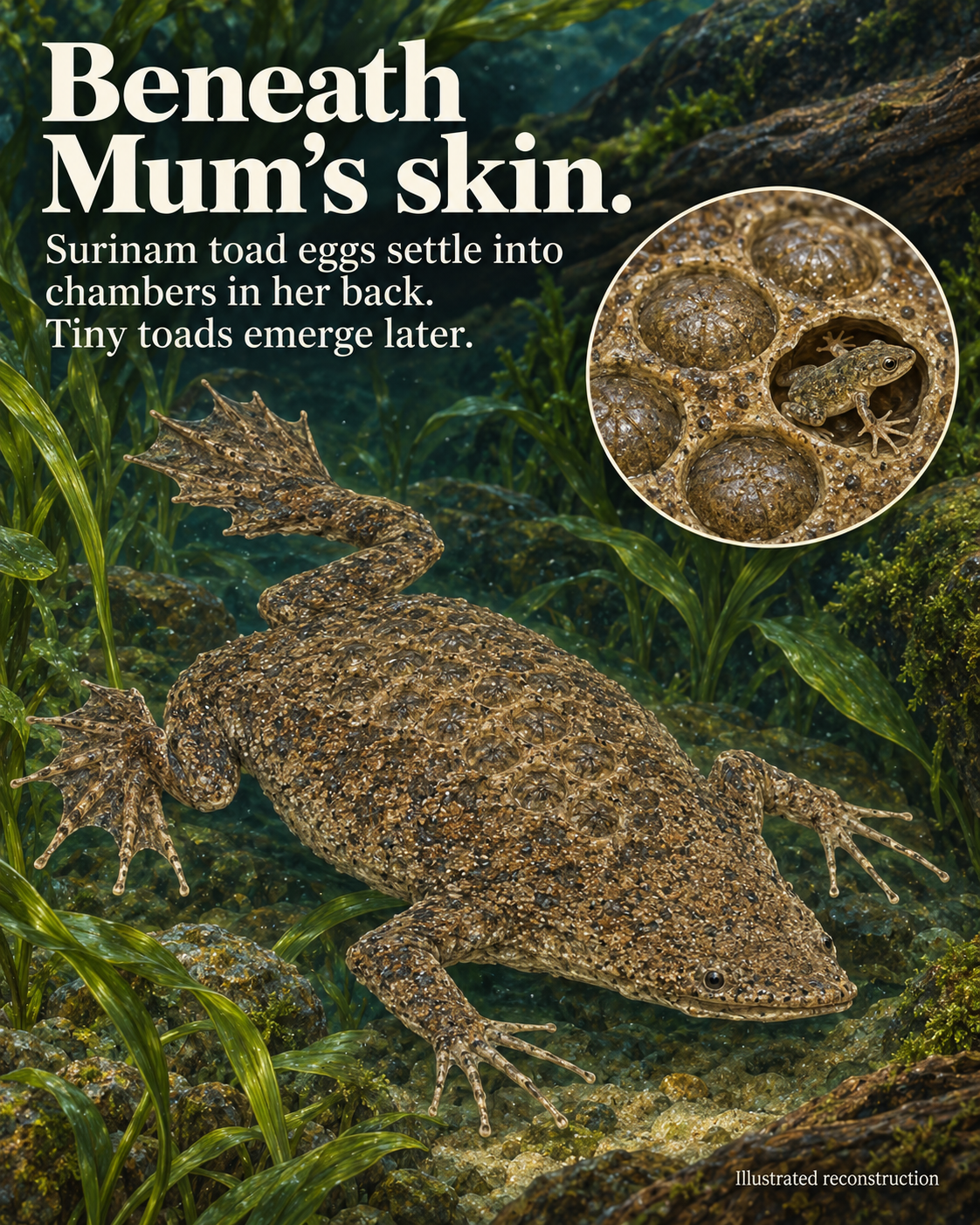
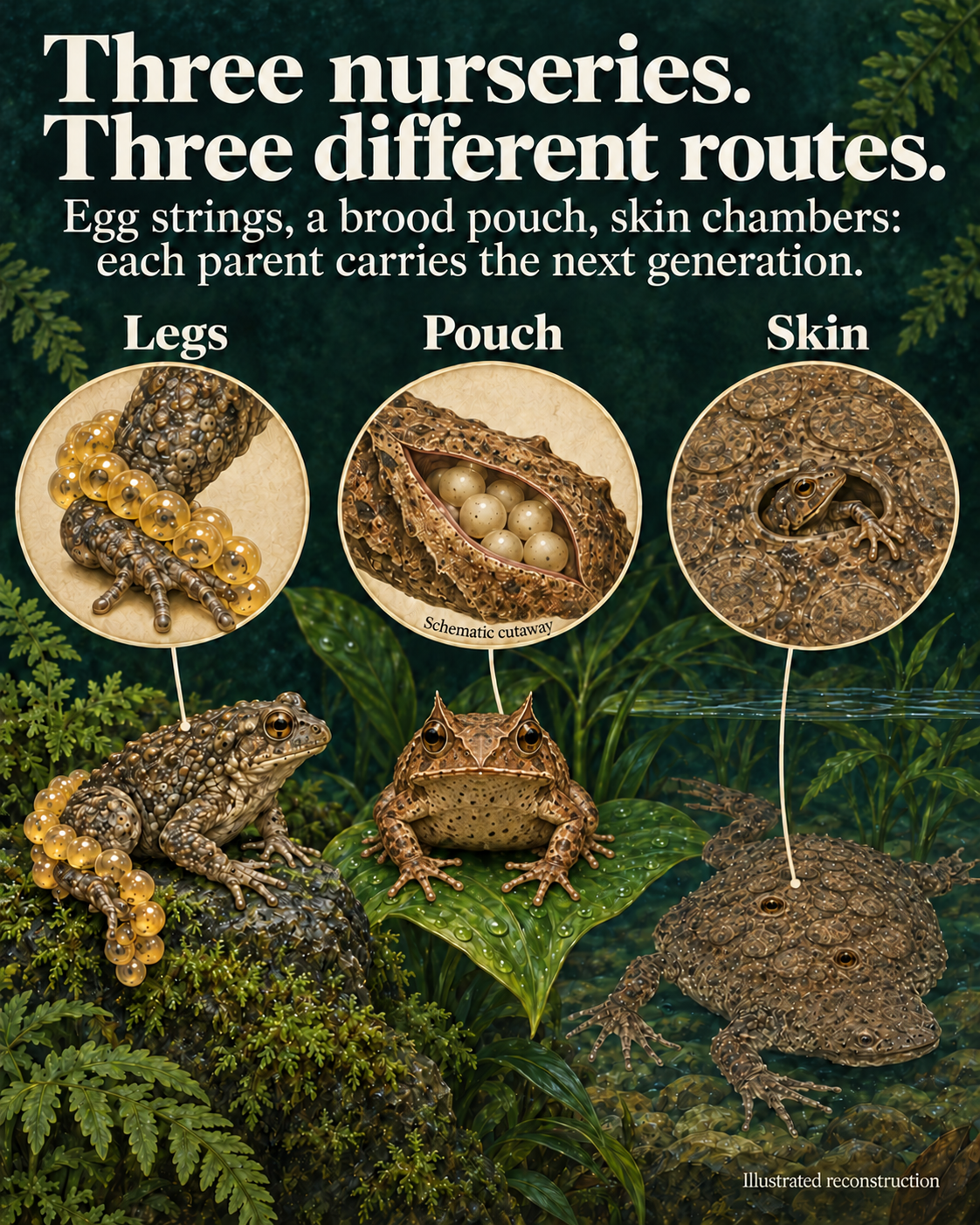
Three places frogs carry their eggs
 1/5
1/5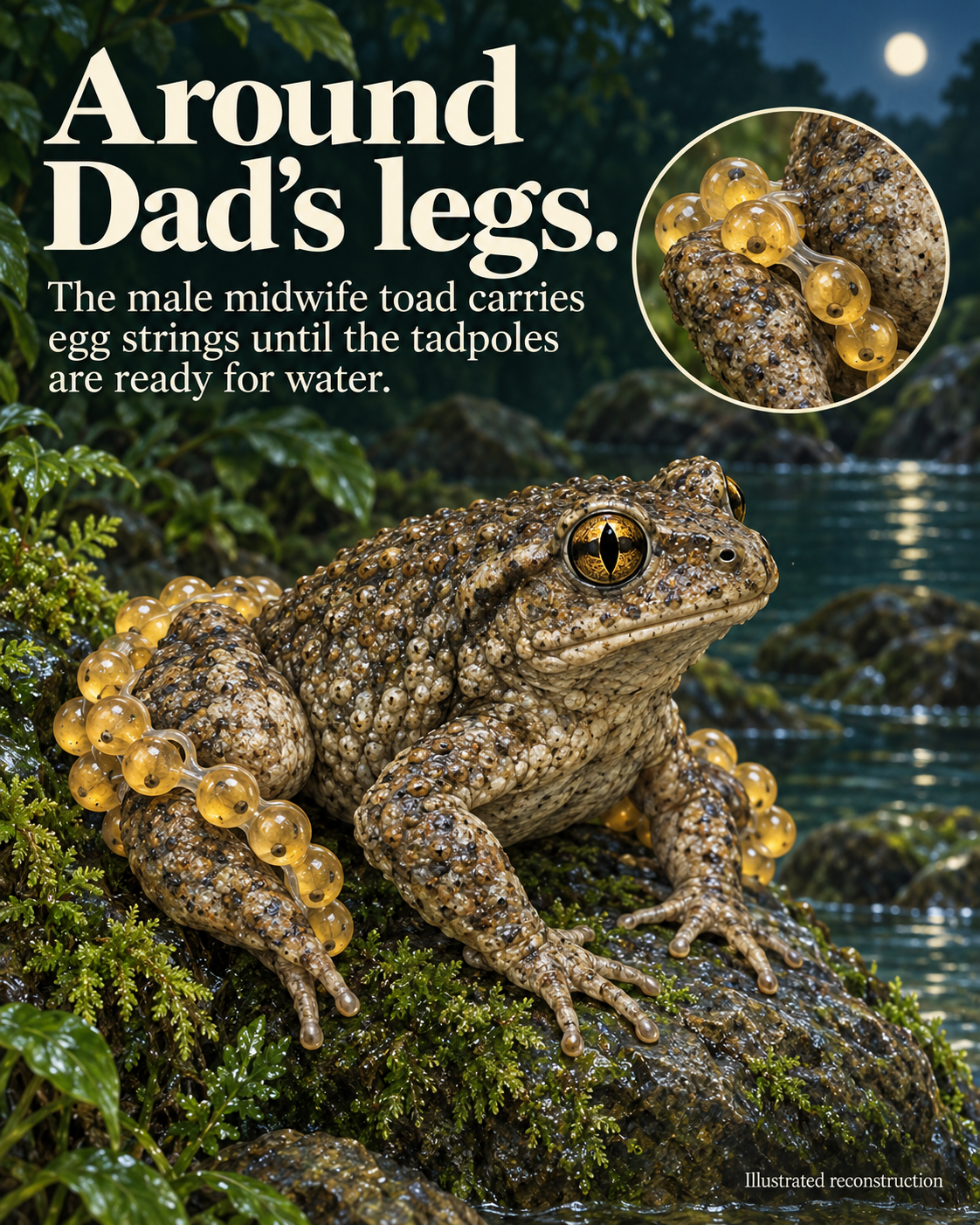
Lire le texte des diapositives
- A pond is only one kind of nursery.
Some amphibian parents carry their developing eggs with them.
- Around Dad’s legs.
The male midwife toad carries egg strings until the tadpoles are ready for water.
- Inside Mum’s back pouch.
The horned marsupial frog broods eggs in a pouch; young emerge as froglets.
- Beneath Mum’s skin.
Surinam toad eggs settle into chambers in her back. Tiny toads emerge later.
- Three nurseries. Three different routes.
Egg strings, a brood pouch, skin chambers: each parent carries the next generation.
Examinons les alternatives :
- Modifier la requête.
- Démarrer une nouvelle conversation.
- Supprimer des sources (si elles ont été ajoutées manuellement).
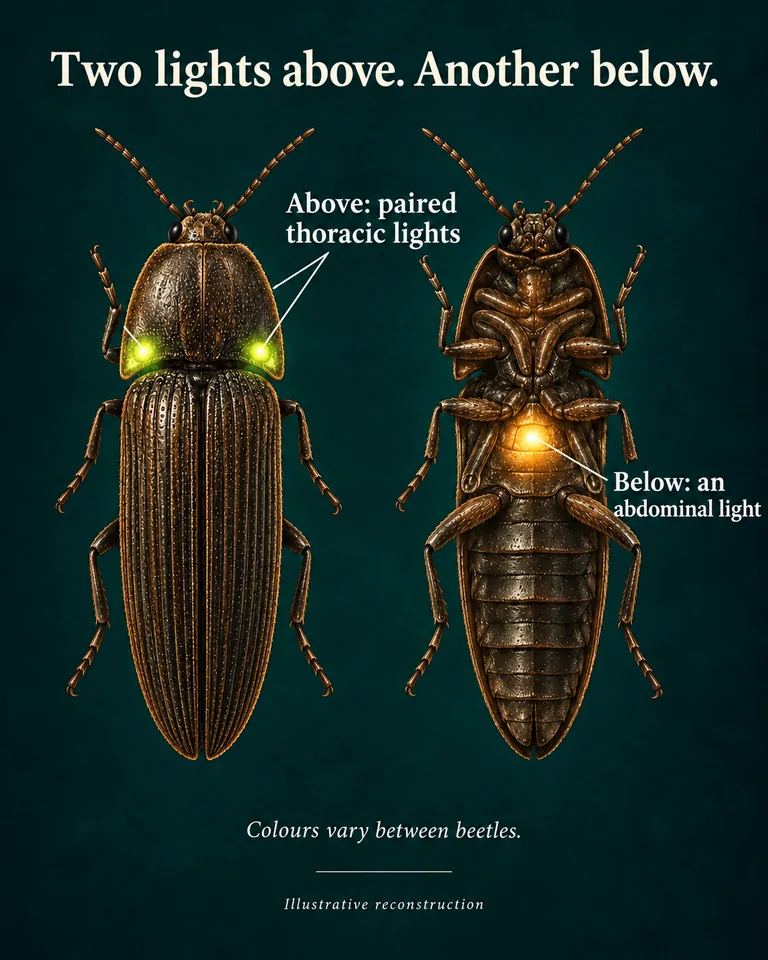
Two lights above. Another below.
Examinons les alternatives :
- Modifier la requête.
- Démarrer une nouvelle conversation.
- Supprimer des sources (si elles ont été ajoutées manuellement).
An aphid can carry two generations inside her
A colony of aphids can grow without a mating event for every new generation. During their asexual phase, female pea aphids give birth to live daughters from unfertilised eggs—a process called parthenogenesis.[1]
The surprise is inside the mother. Her developing daughter embryos can already contain embryos of their own. That puts a mother, developing daughters and the beginnings of granddaughters together in one body: telescoping generations.[2]
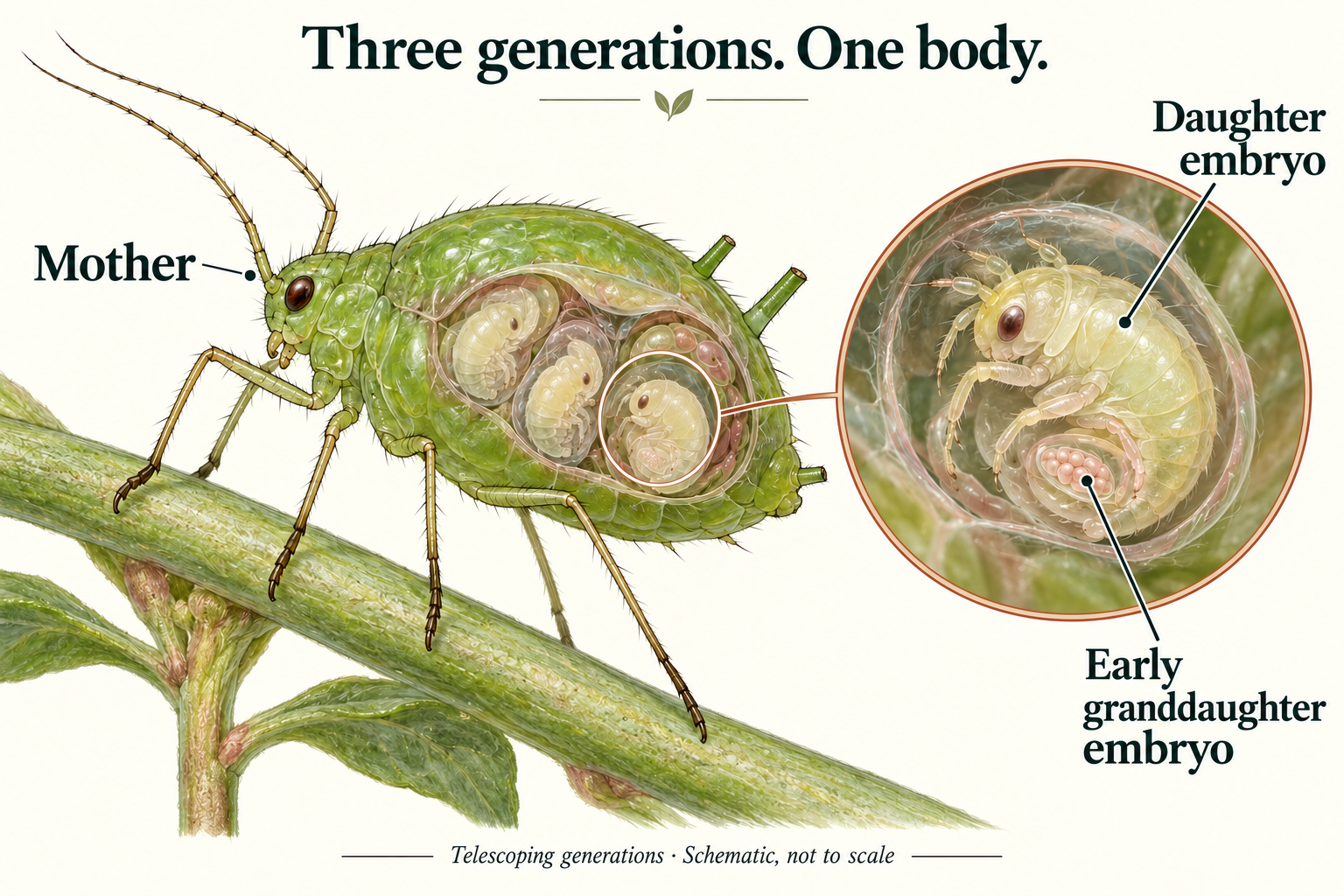
AI-generated explanatory illustration, not a photograph. Schematic details are not to scale. · Source
Overlapping development helps colonies grow quickly when a suitable plant becomes available. The next generation may already be developing before its mother has even been born.[3]
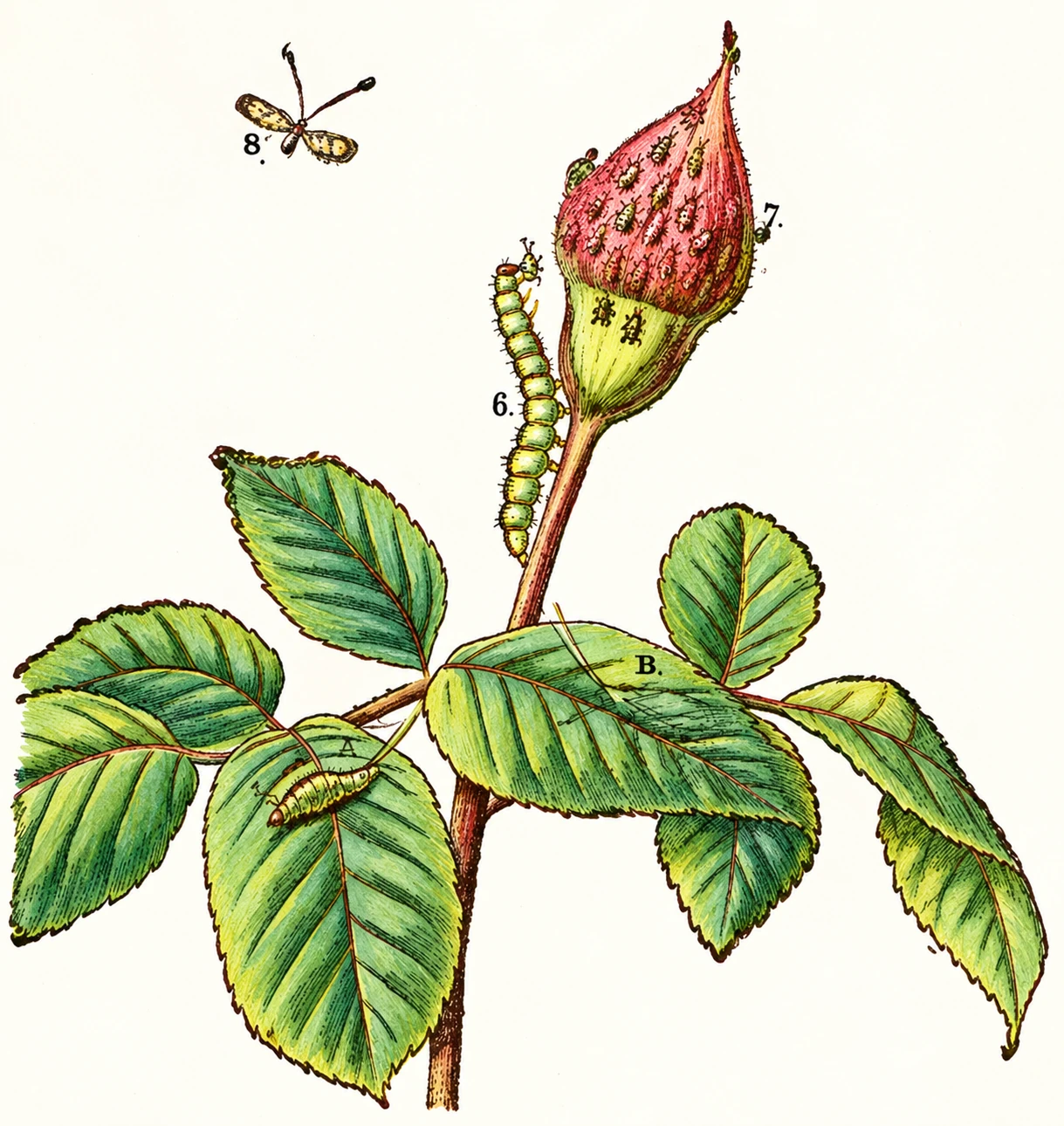
Historical book illustration, AI-assisted colour remaster. Colours are interpretive. · Source
The pattern depends on species and conditions. In many temperate aphids, autumn brings a sexual generation and eggs that survive winter; some populations continue asexual reproduction instead.[4][5]
Buckley noticed the rapid appearance of live young in Life and Her Children. Her comparison with budding is historical language; today we describe the process as live-bearing parthenogenesis.[6][7]
Examinons les alternatives :
- Modifier la requête.
- Démarrer une nouvelle conversation.
- Supprimer des sources (si elles ont été ajoutées manuellement).
This fire began in a forest
 1/5
1/5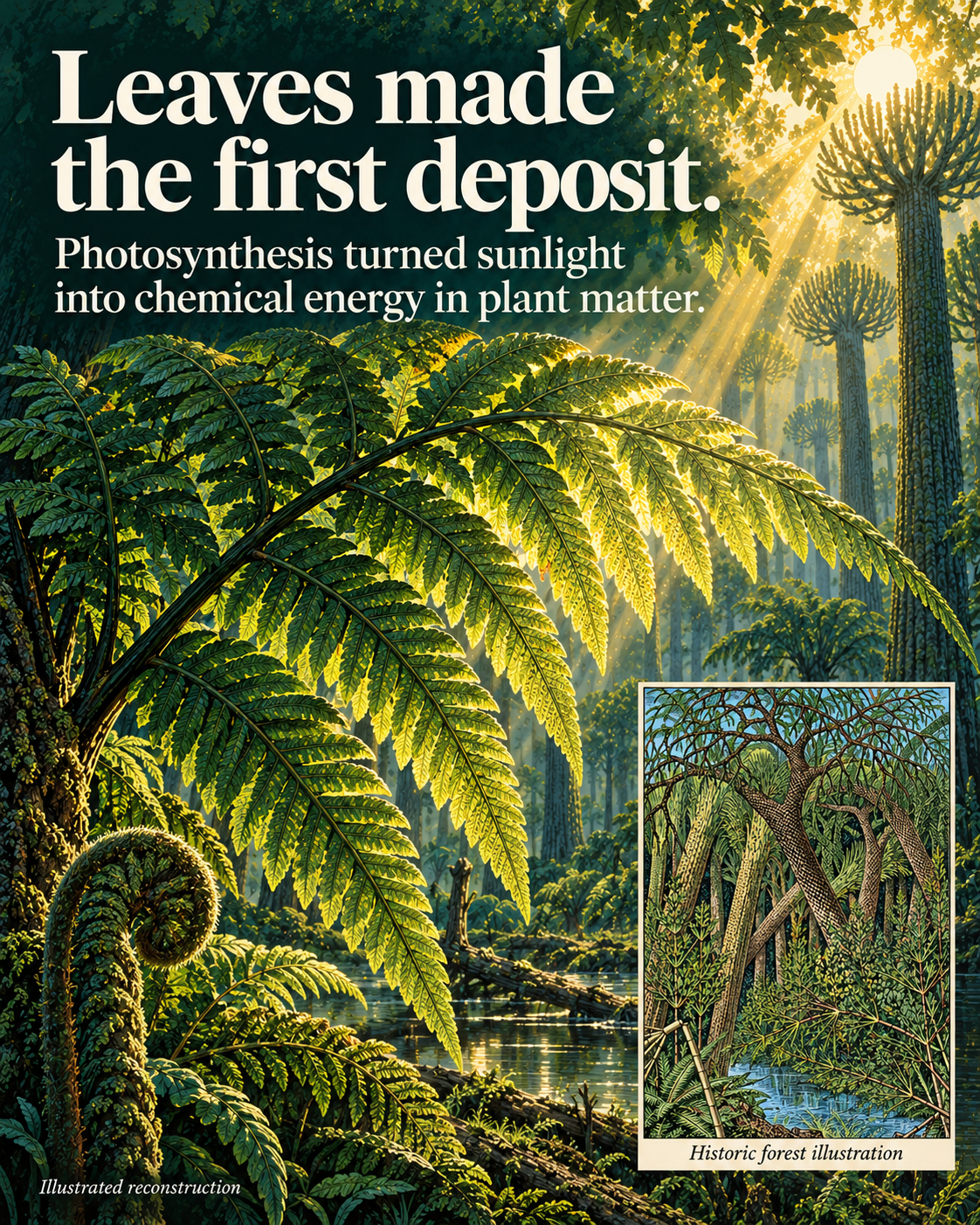
Lire le texte des diapositives
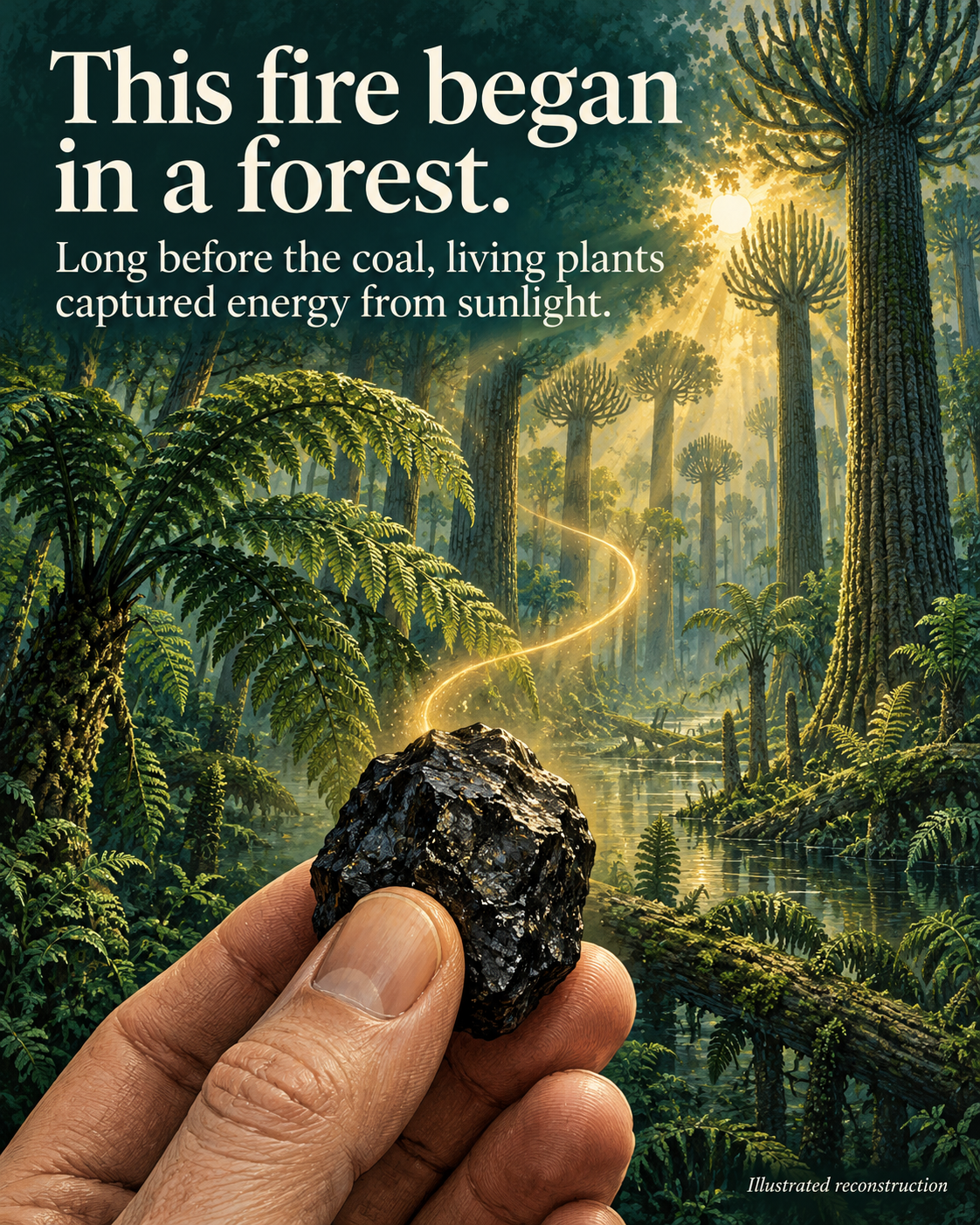
- This fire began in a forest.
Long before the coal, living plants captured energy from sunlight.
- Leaves made the first deposit.
Photosynthesis turned sunlight into chemical energy in plant matter.
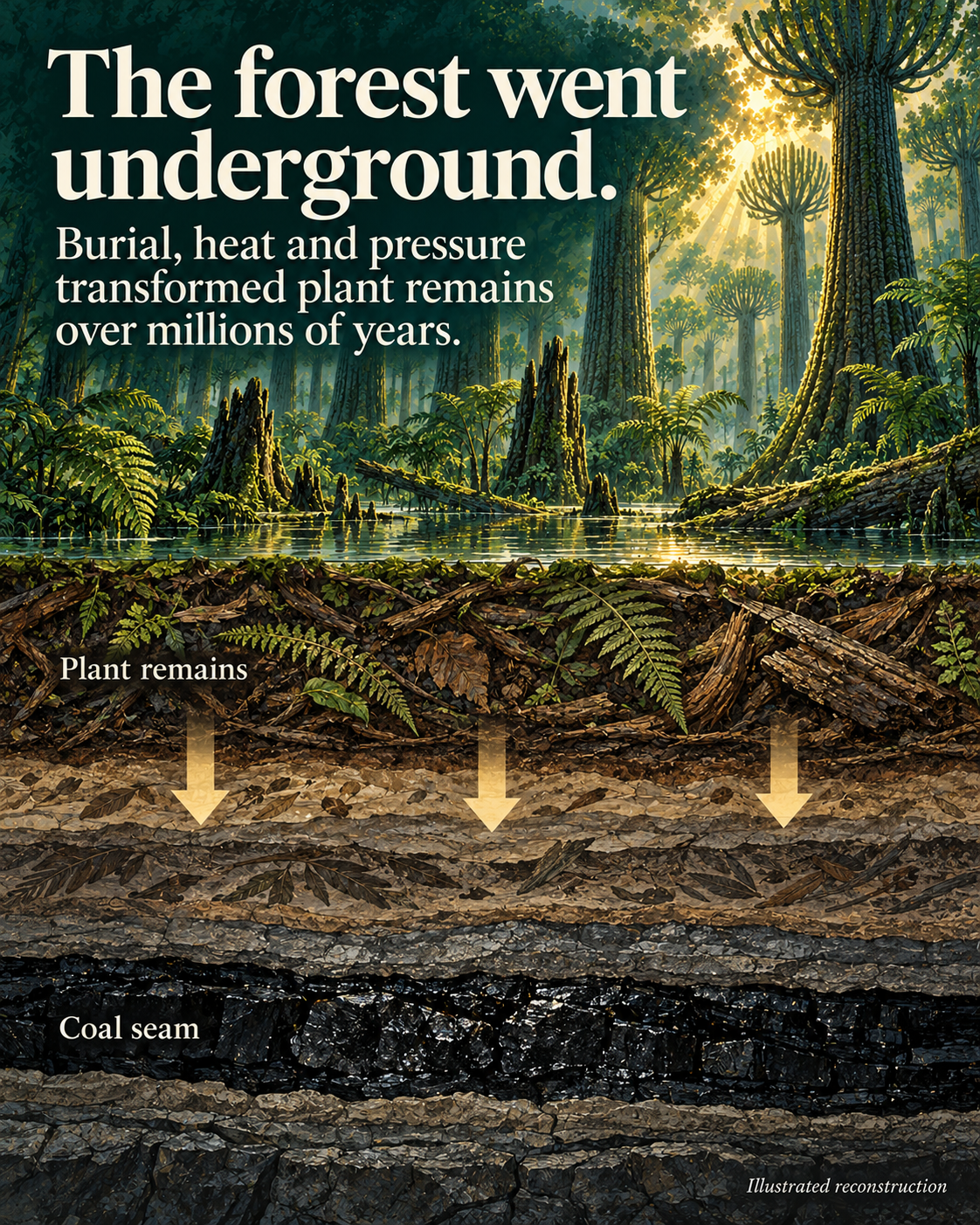
- The forest went underground.
Burial, heat and pressure transformed plant remains over millions of years.
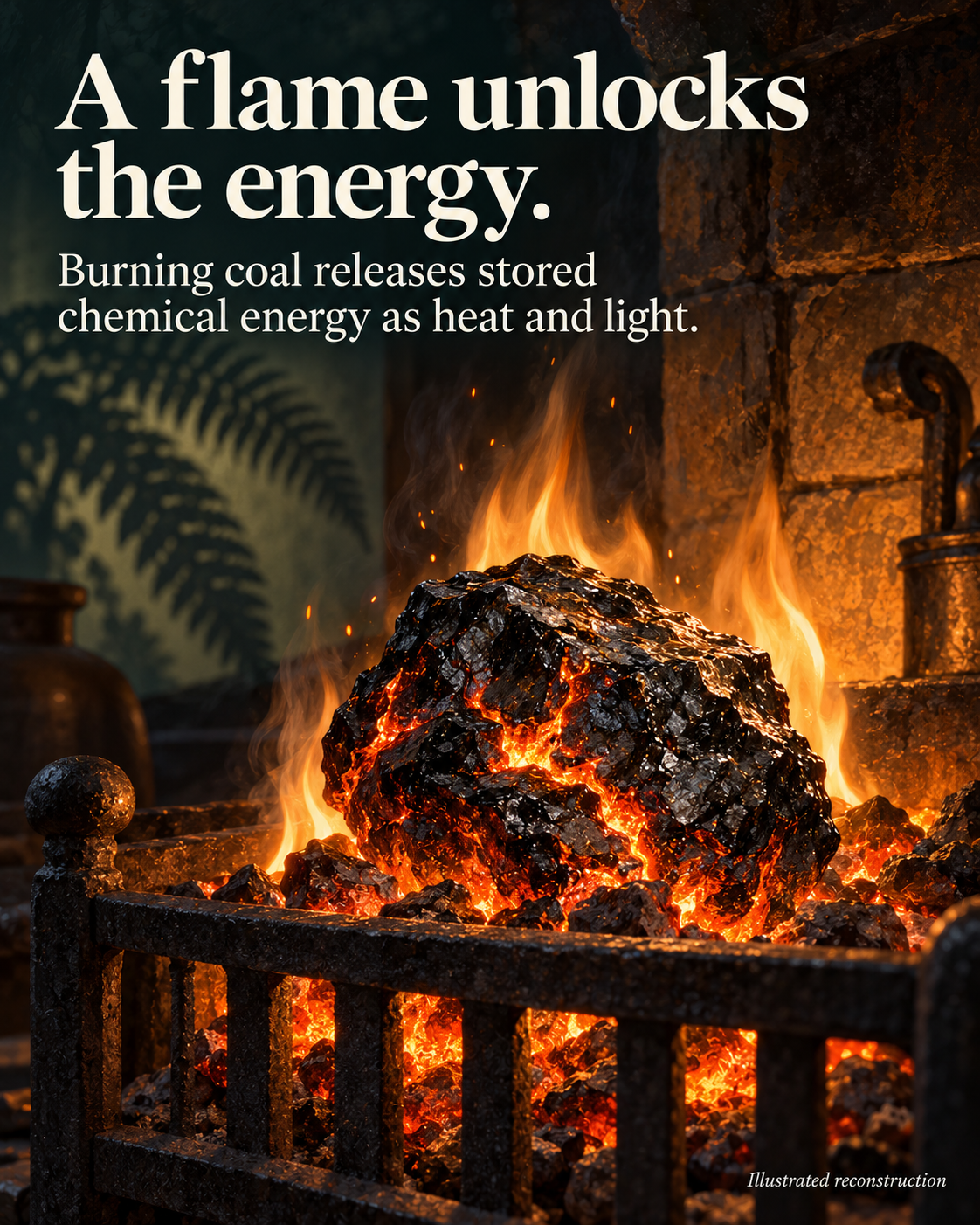
- A flame unlocks the energy.
Burning coal releases stored chemical energy as heat and light.
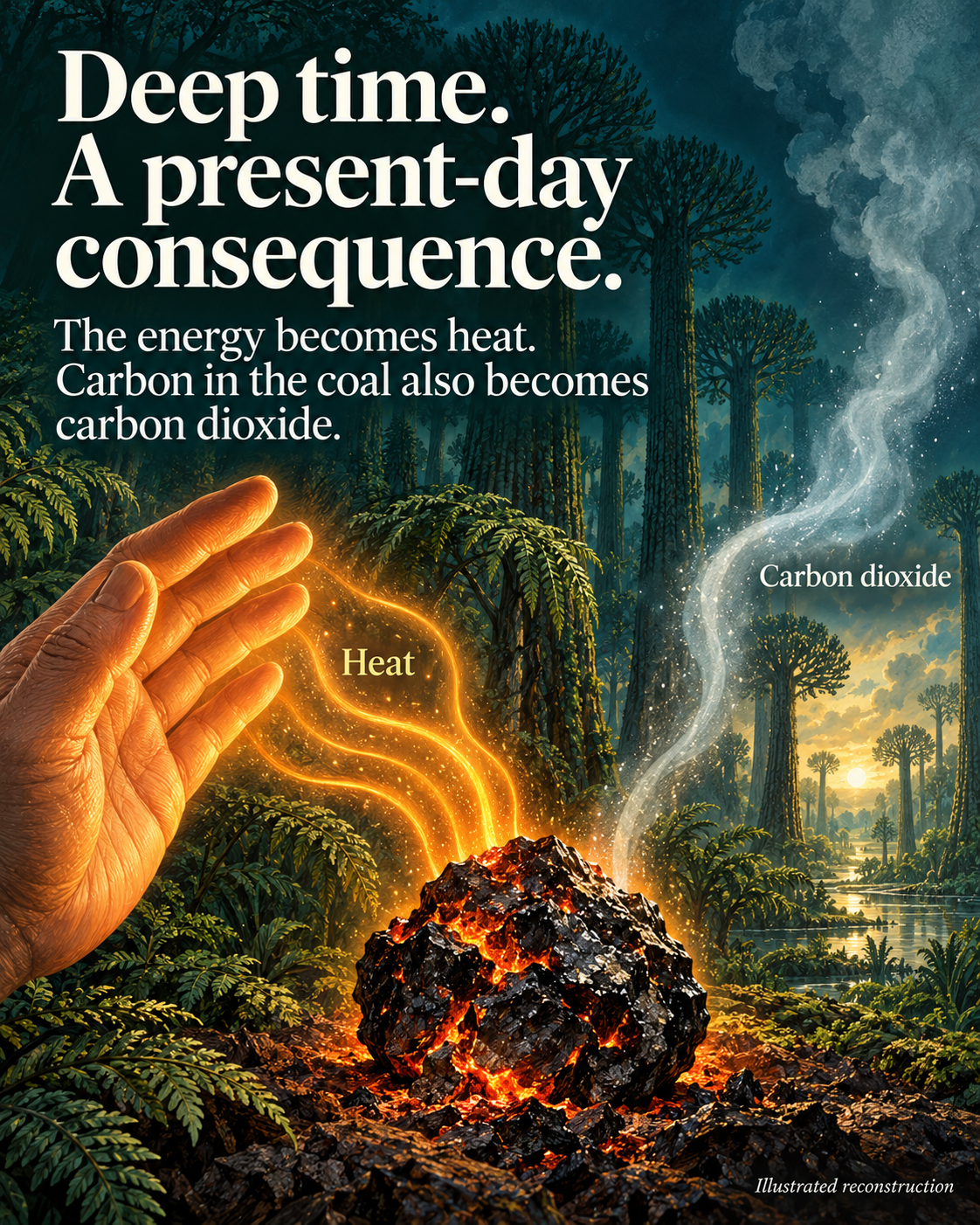
- Deep time. A present-day consequence.
The energy becomes heat. Carbon in the coal also becomes carbon dioxide.
Examinons les alternatives :
- Modifier la requête.
- Démarrer une nouvelle conversation.
- Supprimer des sources (si elles ont été ajoutées manuellement).