Découvrir Pandipedia
Un répertoire grandissant de réponses utiles sélectionnées par la communauté Pandi. Cherchez dans la collection ou parcourez les dernières découvertes.
2272 entrées disponibles
What did planners expect astronauts to do during a long Mars stay?
At a Houston workshop on 4–5 October 1997, planners tried to turn a proposed 500-to-600-day Mars stay into a practical work program: what would a crew investigate, look for, and keep running after landing? The participants split those questions between a Science and Resources group and a Living and Working on Mars group[1][2].
- Science and prospecting: Search for evidence of life or its precursors, piece together Mars’s climate history, and look for water, minerals, energy, and other resources that could support future settlements[3].
- Base operations: Set up the base, including an inflatable greenhouse; maintain equipment by clearing fine Martian dust from air filters; harvest crops; and service space suits[4].
- Work beyond the base: Explore in a pressurized rover and drill deep below the surface to search for microorganisms that might be hidden there[5].
These were proposed activities, not a record of a mission that took place. The workshop account does not give rover routes or distances, drilling depths, or a day-by-day schedule; the traverse distances mentioned elsewhere in the history belong to other mission plans and should not be assigned to this workshop[6].
Would you also like to know how the 1997 workshop’s surface-work priorities compared with the earlier Mars outpost plan’s rover traverses?Réponse terminée. Une option de suivi est disponible.
Examinons les alternatives :
- Modifier la requête.
- Démarrer une nouvelle conversation.
- Supprimer des sources (si elles ont été ajoutées manuellement).
Salyut 7: Preparing the Worksite, Then Making the Repair
Examinons les alternatives :
- Modifier la requête.
- Démarrer une nouvelle conversation.
- Supprimer des sources (si elles ont été ajoutées manuellement).
Canal light spills through a glass-walled café

Examinons les alternatives :
- Modifier la requête.
- Démarrer une nouvelle conversation.
- Supprimer des sources (si elles ont été ajoutées manuellement).
When brighter light does less




Examinons les alternatives :
- Modifier la requête.
- Démarrer une nouvelle conversation.
- Supprimer des sources (si elles ont été ajoutées manuellement).
Victorian wonder: the Sun, immense yet a speck

And yet, though so great, our sun is but one speck of dust in the ocean of space.The World of Wonders, 1896 edi…[1]
Examinons les alternatives :
- Modifier la requête.
- Démarrer une nouvelle conversation.
- Supprimer des sources (si elles ont été ajoutées manuellement).
XREAL AURA: Android XR glasses with a separate computing unit
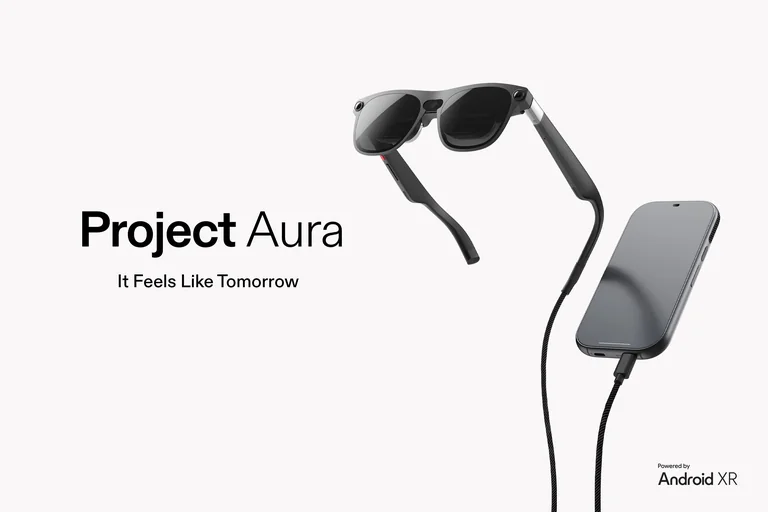
NEWS · Reservations · Announced 16 June 2026; fall launch target
XREAL AURA, previously called Project Aura, is a wired glasses system built for Android XR. XREAL opened reservations in June and announced a fall 2026 launch target. The product pairs see-through display glasses with a separate computing unit rather than fitting every component into lightweight everyday frames.[1]
XREAL presents Gemini assistance alongside spatial apps and large virtual screens. The separate hardware makes this a different proposition from audio-only AI eyewear: it is aimed at visual computing, with a cable and computing unit as part of the experience.[2][3]
The useful question is where it belongs in daily life. A portable workspace or entertainment setup may justify extra hardware; a casual voice query probably does not. Reservations and a launch target are not confirmation of general shipment.
Examinons les alternatives :
- Modifier la requête.
- Démarrer une nouvelle conversation.
- Supprimer des sources (si elles ont été ajoutées manuellement).
Google’s intelligent eyewear: camera-aware AI in familiar frames
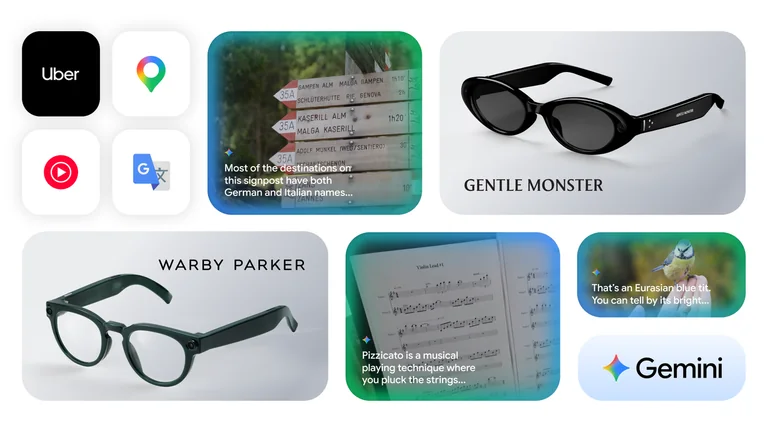
NEWS · Announced · Audio-first eyewear planned for fall 2026
At Google I/O on 19 May, Google outlined intelligent eyewear developed with Samsung and eyewear partners Gentle Monster and Warby Parker. The first audio-focused models are planned for fall 2026, combining microphones, speakers and a camera with Gemini assistance.[1]
The camera is central to the pitch: ask about something in view, capture a photo or get help while moving through the world. Google also described glasses with an in-lens display as a separate direction. Those display models should not be confused with the first audio-focused eyewear.[2]
The design bet is familiar frames with an assistant behind them. The announcement establishes the platform and partners, but everyday usefulness will depend on the finished products, regional availability and how naturally voice interaction fits into public places.
Examinons les alternatives :
- Modifier la requête.
- Démarrer une nouvelle conversation.
- Supprimer des sources (si elles ont été ajoutées manuellement).
Ray-Ban Meta Audio: AI glasses that leave the camera behind
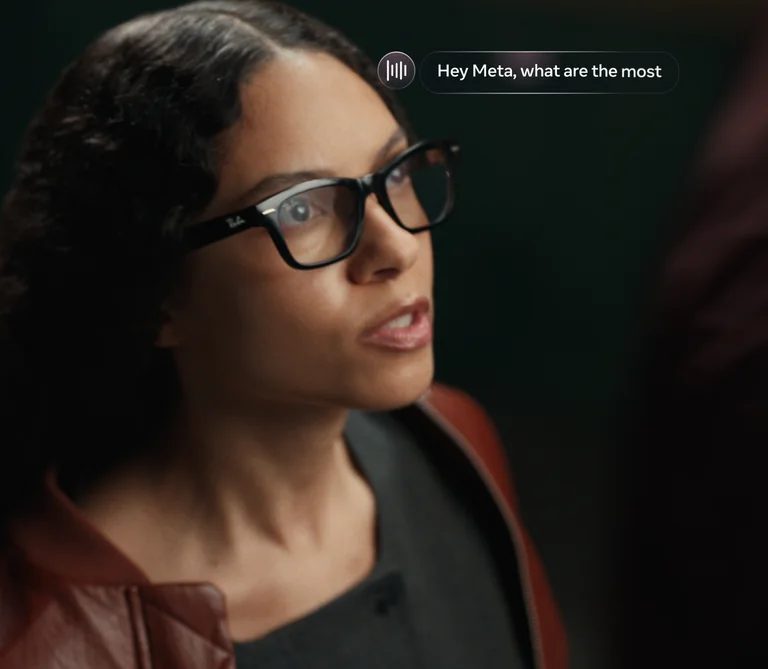
NEWS · Preorder · Announced 23 September 2026
Meta’s Ray-Ban Meta Audio glasses take a different route from camera-equipped smart glasses: open-ear audio and voice assistance in camera-free frames. Announced on 23 September, the Clubmaster and Burbank styles are available for preorder, with Meta targeting shipping from 13 October.[1]
The proposition is music, calls and access to Meta AI through eyewear that does not film the world around it. That makes the product meaningfully different from visual AI glasses: there is no camera feed for the assistant to inspect, and the appeal rests on audio interaction and comfortable everyday wear.[2]
This is a useful split in the category. Some glasses are becoming wearable cameras; others are trying to make an assistant feel as ordinary as a pair of frames.
Examinons les alternatives :
- Modifier la requête.
- Démarrer une nouvelle conversation.
- Supprimer des sources (si elles ont été ajoutées manuellement).
Lenovo Project Kubit: a personal AI hub with a transparent screen
NEWS · Concept retrospective · Revealed 6 January 2026
Lenovo’s Project Kubit explores what happens when personal AI gets a dedicated home on the desk. Shown as a CES 2026 concept, the device places two ThinkStation PGX compact workstations behind a transparent touchscreen, with voice and touch as its proposed controls.[1]
Lenovo imagines the hub drawing on context from connected personal devices to support an assistant across work and daily life. The substantial computing hardware is the contrast with a tiny wearable: Kubit proposes a central place for processing and interaction. Lenovo’s later personal-AI discussion still calls it a concept.[2][3]
The appealing idea is continuity across devices. The unanswered questions are the final size, cost and practical permissions needed to make that continuity useful. There is no confirmed retail launch in these sources.
Examinons les alternatives :
- Modifier la requête.
- Démarrer une nouvelle conversation.
- Supprimer des sources (si elles ont été ajoutées manuellement).
Razer Project Motoko: headphones that can see what you see
NEWS · Concept retrospective · CES 2026; checked 29 September 2026
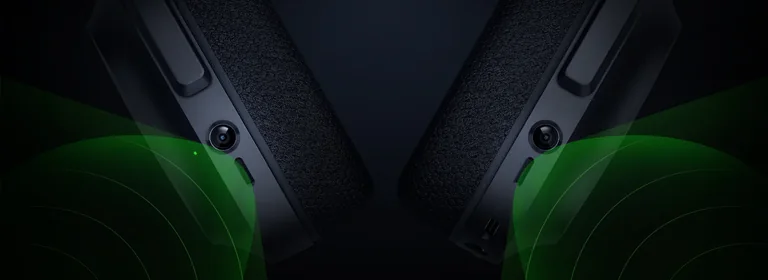
Project Motoko adds a visual layer to over-ear headphones. Razer’s concept combines outward-facing cameras with microphones and spoken AI feedback, proposing a headset that can respond to the wearer’s surroundings without placing a display in front of their eyes.[1]
Razer describes uses such as interpreting objects, translating visible information and assisting with tasks, with support for multiple AI platforms. Its site invites developer interest, but that is not evidence of a finished consumer product shipping. The capabilities remain the company’s proposed direction for the concept.[2]
The form is worth watching because headphones already provide audio, microphones and battery space. The tradeoff is visibility: adding cameras changes what an otherwise familiar pair of headphones communicates to people nearby.
Examinons les alternatives :
- Modifier la requête.
- Démarrer une nouvelle conversation.
- Supprimer des sources (si elles ont été ajoutées manuellement).