Why does spacecraft power become a propulsion problem?
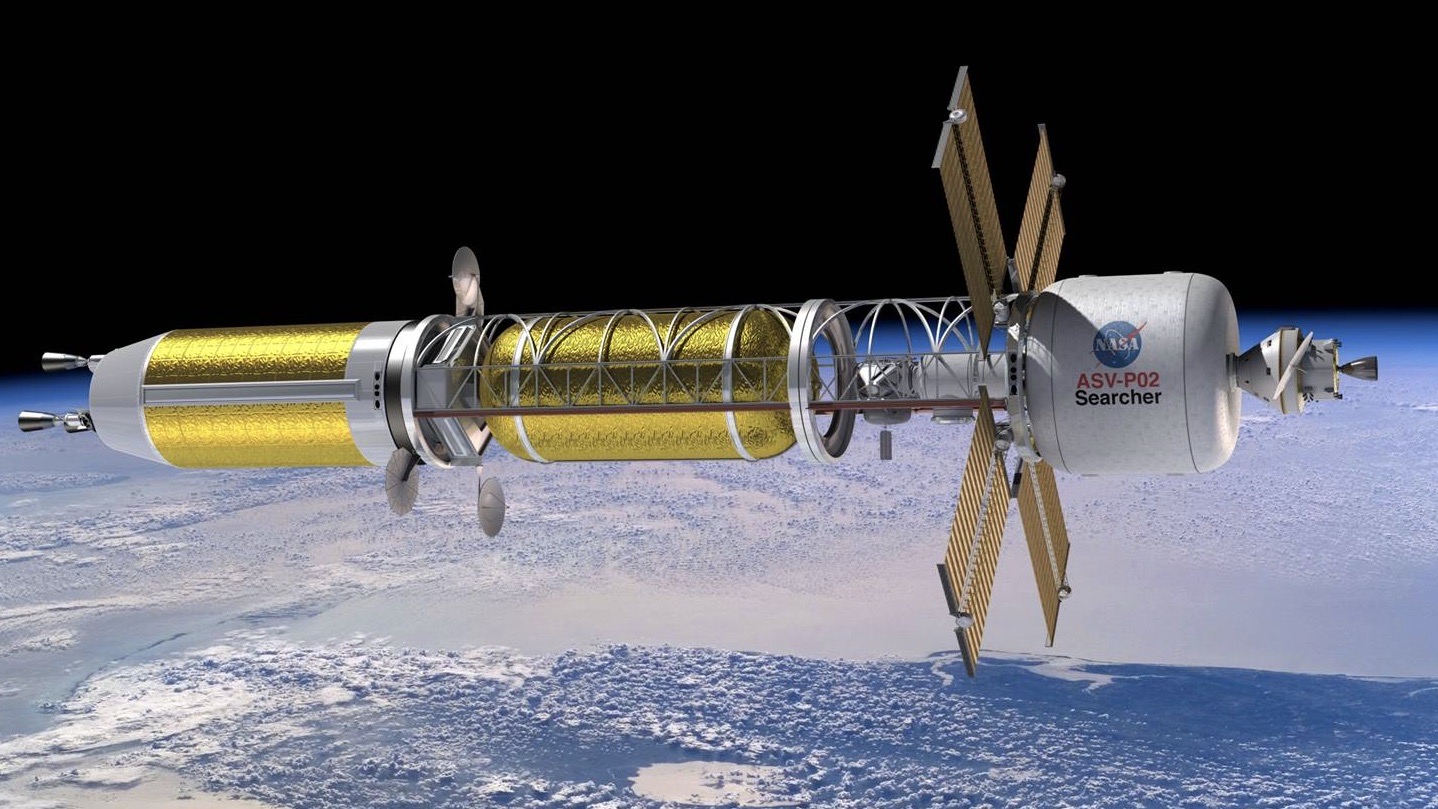
Electric and nuclear-electric propulsion systems require large power systems because they generate thrust by ionizing and accelerating propellant using electric or magnetic fields rather than relying on chemical combustion[1][2]. These systems need substantial electricity, provided by large solar arrays or nuclear fission reactors, to continuously process and expel propellant at very high speeds[3][4].
Think of a chemical rocket like a top fuel dragster, which uses a fuel tank for a short, powerful burst of speed that quickly empties its fuel supply[5]. In contrast, electric propulsion acts like an electric car plugged into a continuous power grid where low initial thrust can be sustained over months or years for exceptional fuel efficiency[6]. While chemical rockets deliver fast acceleration, electric and nuclear-electric systems trade away rapid acceleration for high fuel economy and extended travel times[7][8].
Would you also like to know how nuclear thermal propulsion compares to nuclear electric propulsion?Respuesta completa. Hay una opción de seguimiento disponible.
Crea tu cuenta para conservar esta respuesta y continuar desde aquí más tarde.
Veamos alternativas:
- Modifica la consulta.
- Inicia un nuevo hilo.
- Eliminar fuentes (si se han agregado manualmente).