
How do high-speed trains work?
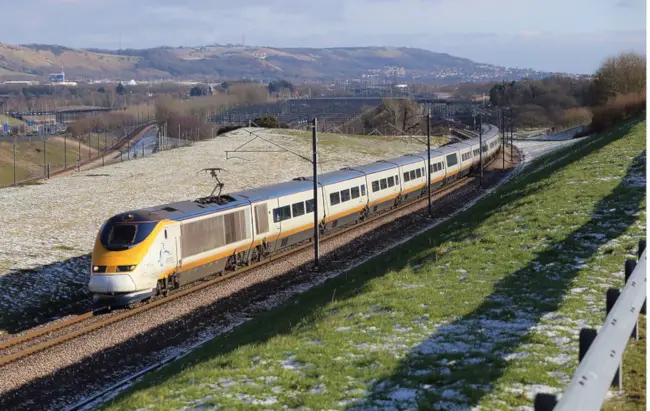
High-speed trains operate primarily through electric propulsion, typically receiving power from overhead wires at voltages around 25 kV 50 Hz, collected via a pantograph. This system allows efficient energy transfer, reducing reliance on fossil fuels[1]. The trains' infrastructure includes specially designed tracks that are straighter and smoother than conventional rails, enabling safe travel at speeds over 155 mph (250 km/h)[2][4].
Additionally, high-speed trains often incorporate advanced technologies such as tilting features to navigate curves better, and may run on a mix of high-speed and conventional tracks, enhancing connectivity between cities[2][6]. Some systems, like Maglev trains, utilize magnetic levitation to eliminate track friction, allowing even higher speeds[3].
Veamos alternativas:
- Modifica la consulta.
- Inicia un nuevo hilo.
- Eliminar fuentes (si se han agregado manualmente).