Understanding the Psychological Factors that Enhance Task Satisfaction
Psychological factors play a crucial role in determining how satisfying a task can be for individuals in various settings, especially within the workplace. The interplay of intrinsic and extrinsic motivations, along with a strong sense of purpose, autonomy, and mastery, creates an environment where tasks become more engaging and fulfilling. This report explores these key factors in depth.
Intrinsic Motivation: The Core of Satisfaction
:max_bytes(150000):strip_icc()/GettyImages-1012617912-5e349a84f5db47a292db5fd72756f8c7.jpg "Intrinsic Motivation: How Internal Rewards Drive Behavior")
Intrinsic motivation refers to the internal drive to engage in activities that bring enjoyment and satisfaction without relying on external rewards. According to Deci and Ryan’s Self-Determination Theory, intrinsic motivation is fueled by three fundamental psychological needs: competence, autonomy, and relatedness[8]. When tasks allow individuals to feel competent—meaning they can successfully perform the tasks—satisfaction increases. This competence is often achieved through challenges that align with their skill levels, providing opportunities for mastery.
The idea that control over one's work impacts motivation is significant. Employees who feel they can influence their tasks and work environment experience higher satisfaction levels. This autonomy contributes to a sense of ownership and personal investment in the work, making tasks inherently more rewarding[4][9].
The Joy of Mastery
Engagement in tasks that foster mastery can also make work more satisfying. Tasks that are challenging yet achievable typically lead to enhanced satisfaction because they allow individuals to utilize their skills fully. For example, enjoying the creative process in design or reveling in problem-solving in coding ignites intrinsic motivation[10]. This natural drive leads individuals not only to pursue their work with passion but to take pride in their capabilities, further enhancing job satisfaction[8].
The Importance of Purpose and Meaning
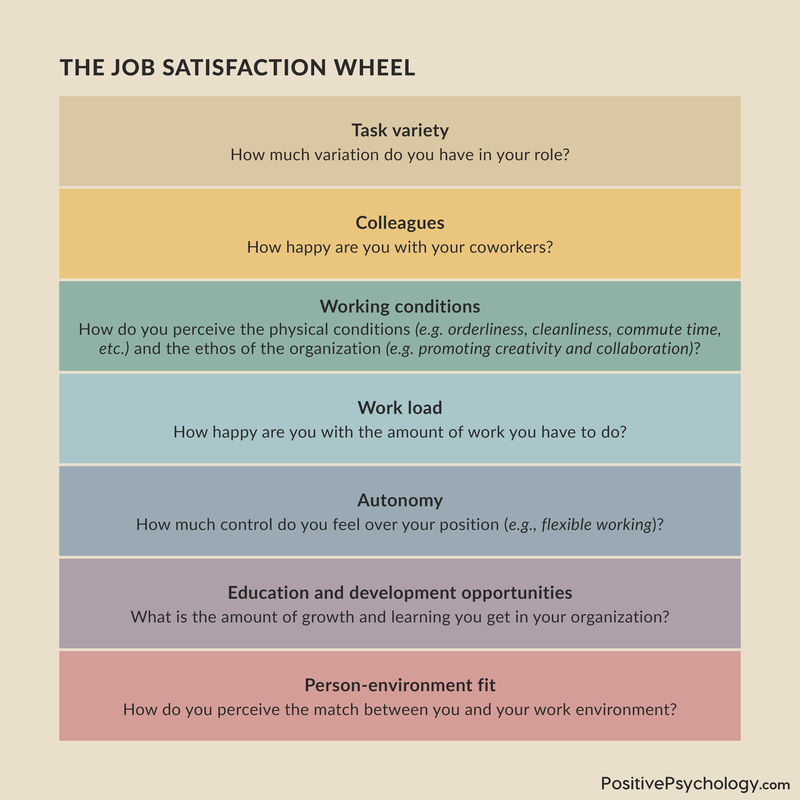
Finding purpose in work is another psychological factor that significantly contributes to task satisfaction. When employees see their work as meaningful—where their efforts align with larger goals or values—they are more likely to be motivated and engaged. According to literature, individuals driven by a sense of purpose tend to perform better and exhibit higher levels of job satisfaction[3][6].
Tasks that connect to personal or organizational missions enable employees to view their roles as vital components of a larger narrative. A customer service representative, for example, might derive intrinsic motivation from the knowledge that they enhance customer satisfaction and well-being. This connection can transform mundane tasks into meaningful contributions[10].
Social Features: Relatedness and Collaboration

Relatedness, the need to feel connected with others, is another core aspect of intrinsic motivation. Positive work relationships foster a supportive environment, enhancing task satisfaction[8]. When employees feel valued by their peers and leaders, they are more likely to engage in their work positively. Collaborative environments, where sharing ideas and supporting colleagues is encouraged, also significantly boost morale and satisfaction levels. Employees motivated by internal satisfaction are more inclined to engage in teamwork and share their knowledge. This collaboration is essential for promoting innovation and problem-solving[10].
Impact of Feedback and Recognition

While intrinsic factors are paramount, feedback and recognition also play essential roles in sustaining motivation and satisfaction in tasks. Constructive feedback helps employees understand their strengths and areas for improvement, which reinforces feelings of competence and progression[9]. Regular acknowledgment of achievements fosters a culture where employees feel their contributions are valued. This validation enhances intrinsic motivation—proving that an employee’s efforts make a difference—even if the motivation stems from personal satisfaction rather than external rewards[4].
The Role of Environment in Fostering Satisfaction
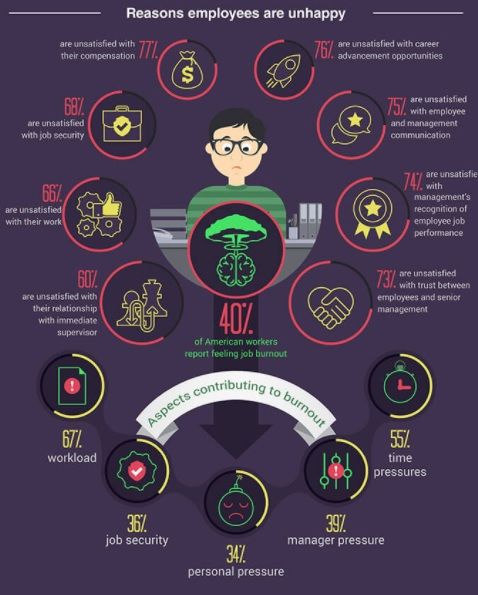
The work environment significantly influences task satisfaction. Workplaces that prioritize employee well-being, safety, and overall job satisfaction see more engaged employees. An environment characterized by open communication, supportive leadership, and opportunities for skill development nurtures intrinsic motivation and job satisfaction[7]. Conversely, a toxic environment marked by high supervision, lack of autonomy, or negative social interactions can lead to decreased motivation and increased dissatisfaction[9].
Balancing Intrinsic and Extrinsic Motivation
Finally, it's crucial to recognize that while intrinsic motivation is vital, extrinsic factors—such as rewards, recognition, and work-life balance—should not be disregarded. Organizations benefit when they address both types of motivation. Providing competitive compensation alongside opportunities for personal growth creates a layered approach to fostering satisfaction[2][6].
Conclusion

In summary, intrinsic motivation, driven by the psychological needs for competence, autonomy, and relatedness, is at the heart of task satisfaction. The combination of meaningful work, supportive relationships, and environments that encourage mastery all contribute to a fulfilling work experience. By understanding and enhancing these factors, organizations can create a thriving workplace where employees are motivated, engaged, and satisfied in their roles.
Crea tu cuenta para conservar esta respuesta y continuar desde aquí más tarde.
Veamos alternativas:
- Modifica la consulta.
- Inicia un nuevo hilo.
- Eliminar fuentes (si se han agregado manualmente).