Trends in Mobile Gaming: Insights for 2024

The mobile gaming industry is experiencing rapid evolution driven by technological advancements, shifting player preferences, and innovative monetization strategies. As we look into 2024, several key trends are poised to shape the future of mobile gaming.
Growth and Market Performance
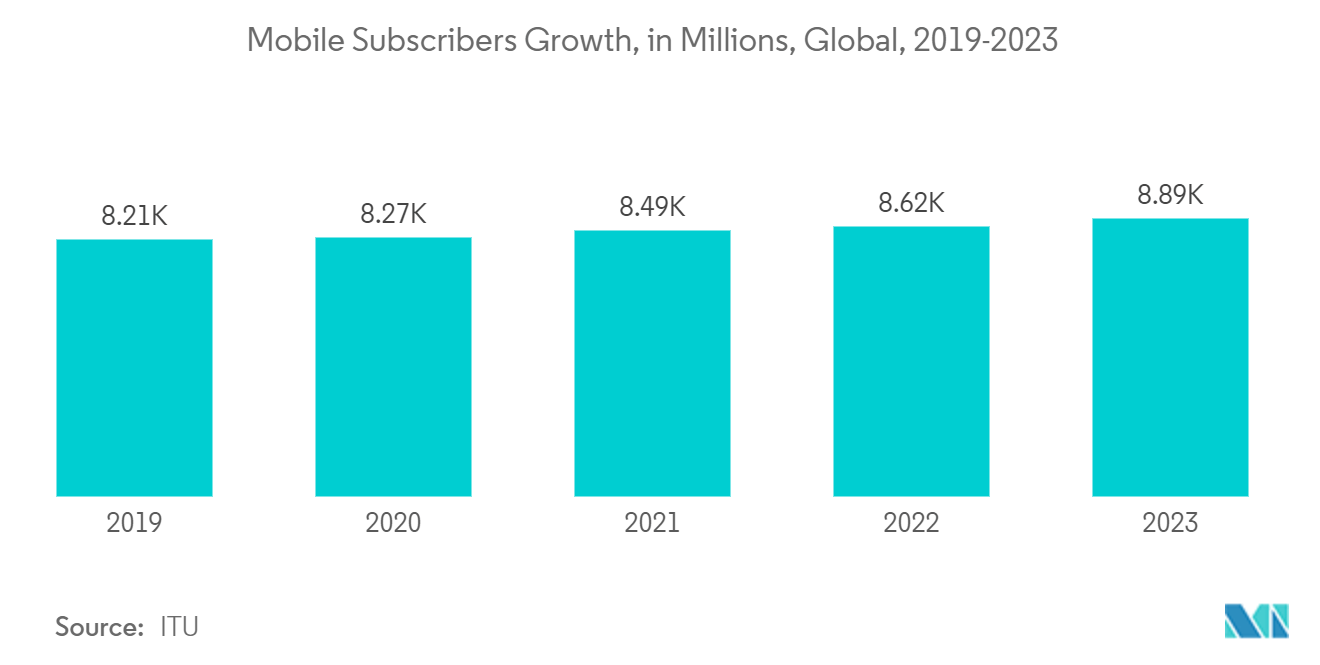
The global mobile gaming market is on track to reach approximately USD 100.54 billion in 2024 and is anticipated to grow to USD 164.81 billion by 2029, representing a compound annual growth rate (CAGR) of 10.39%[1]. In the first half of 2024, the market saw a year-on-year revenue growth of 4.7%, indicating a cautious recovery post-pandemic challenges[8].
Technological Advancements
Integration of AI and Cloud Gaming
Artificial intelligence (AI) continues to play a pivotal role in game development. Around 87% of game creators now utilize some form of AI in their development processes[2]. Generative AI tools help create content, enhance gameplay, and address player behavior[2]. The rise of cloud gaming services further democratizes access to high-quality gaming experiences, allowing players to stream games without the need for expensive hardware[7].
Enhanced User Experiences and Immersive Technologies
.png "Mobile gaming trends of 2024: Top 7 developments set to define the year")
The mobile segment is witnessing a significant push towards augmented reality (AR) and virtual reality (VR) gaming, creating immersive experiences[7]. Devices such as Apple’s Vision Pro are setting new standards, allowing gamers to interact with digital content in their real environment[7]. Enhanced haptic feedback technologies are also improving player engagement by making experiences more tactile and realistic[7].
Monetization Models Evolving
Hybrid Monetization Approaches
Developers are increasingly adopting hybrid monetization strategies that combine in-app purchases (IAP) and in-app advertising (IAA) to create diverse revenue streams[5][9]. This model caters to players who may prefer different experiences—those willing to pay for premium content and those who prefer ad-supported gameplay.
Subscription Services on the Rise

Mobile gaming subscriptions are becoming more prevalent, with services like Netflix and Apple Arcade providing new game offerings for their subscribers. Subscription services may represent 11.6% of total gaming industry revenue by 2027, making it a vital area for growth[2][9]. As players become familiar with subscription models through streaming services, there is a growing acceptance of similar offerings in mobile gaming.
Shifting Player Preferences
The Rise of Hybrid Casual Games
The popularity of hybrid casual games is surging as they blend elements of hyper-casual games with mid-core features, appealing to a broader audience. These games have shown a 30% increase in revenue over the past year, proving more engaging and retaining players better than traditional hyper-casual titles[9]. This shift signifies the industry's recognition of the need to maintain player interest through enhanced gameplay complexity.
The Shift from Hyper-Casual to More Engaging Genres
In 2023, hyper-casual games saw a 14% decline in downloads, while hybrid-casual games boasted improved engagement metrics[9]. The balance between accessible gameplay and richer experiences is critical for attracting and retaining players. Additionally, genres like roguelike games are gaining traction as developers simplify their mechanics to appeal to casual players[9].
Retention and User Acquisition Strategies
User acquisition strategies are pivotal for success in a highly competitive market. The importance of retargeting users—those who may have downloaded a game but become inactive—cannot be overstated. Personalized campaigns and offers help generate interest and keep players engaged[5]. Moreover, developers are focusing on high-quality products that not only attract downloads but also increase user satisfaction and retention[3][5][8].
Live Operations and In-Game Events
Live operations (live ops) have become integral to player retention strategies, with in-game events creating excitement and ongoing engagement. Games that strategically incorporate live events and collaborations with well-known brands have seen substantial boosts in downloads and player interest[8][9]. For example, a collaboration with popular influencers can lead to notable increases in downloads, as seen with events orchestrated by well-known figures in the gaming community[9].
Cultural and Geographic Expansion
Localization and Global Reach
.png "None")
Many mobile game developers are recognizing the importance of localization to penetrate new markets, particularly in regions like India, Brazil, and Indonesia[4]. These growing markets offer substantial potential for expansion, especially as smartphone penetration increases. Developers are also aligning their content with local cultures and trends, ensuring games resonate with diverse audiences[9].
Sustainable Gaming Practices
.png "None")
The gaming industry is increasingly adopting sustainable practices, such as using recycled materials and optimizing for energy efficiency, appealing to environmentally conscious players[7]. These developments reflect a growing awareness of social responsibility in gaming and are influencing consumers' purchasing decisions.
Conclusion
The mobile gaming landscape in 2024 is characterized by a strategic focus on high-quality, engaging content, driven by technological innovation and evolving player preferences. By leveraging hybrid monetization strategies, embracing AR and VR technologies, and emphasizing sustainability, developers can position themselves for success in this competitive market. Understanding these trends will be crucial for stakeholders aiming to navigate the complexities of mobile gaming effectively.
Crea tu cuenta para conservar esta respuesta y continuar desde aquí más tarde.
Veamos alternativas:
- Modifica la consulta.
- Inicia un nuevo hilo.
- Eliminar fuentes (si se han agregado manualmente).