Entrada de Pandipedia
HW
The thinner touchscreen race

Rigid glass stays stable. A foldable opens larger, closes compact, and turns bending into the engineering challenge. đ±.
In-cell puts touch electrodes inside the display cell. On-cell places a distinct sensor layer on the panel, usually slightly thicker. đ.

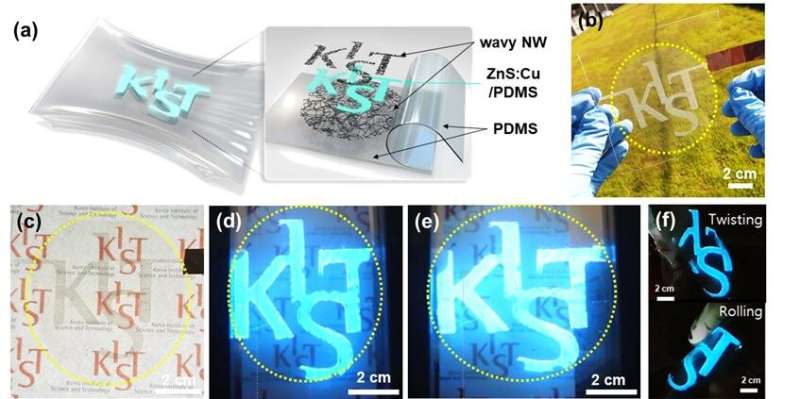
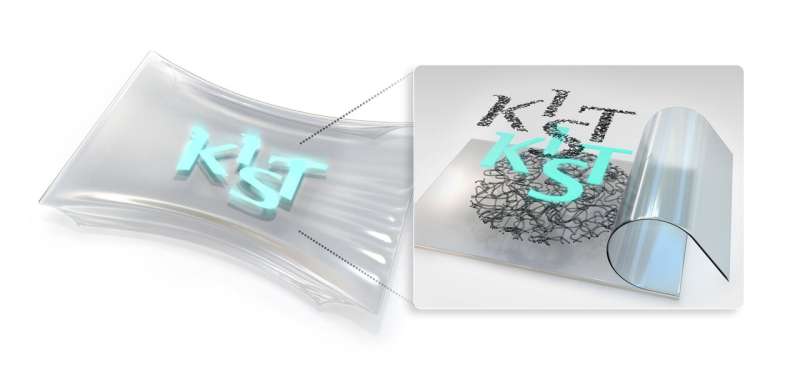
Flexible conductors can use silver nanowires, graphene, or conductive polymers. Hybrid networks can also sharpen sensing, while soft structures add haptic feedback. âĄ.

The goal is not thinness alone: optimize thinness and transparency only when conductivity and repeated-bend reliability remain adequate. â
.
1 / 4
Touchscreens are moving from rigid stacks toward integrated sensors, flexible conductors, and feedback that must survive repeated bending. Swipe to see the trade-off. đ±
Lo sentimos, Pandi no pudo encontrar una respuesta.
Veamos alternativas:
- Modifica la consulta.
- Inicia un nuevo hilo.
- Eliminar fuentes (si se han agregado manualmente).
Sigue explorando
Explora temas relacionados
Four water effects, isolated in one Aqua Aero specimen studyHow might bio-degradable sensors reshape disposable health patches?Future forecast: How quantum sensors could revolutionize consumer bio-tracking. Describe quantum magnetometers and diamond NV centers, potential for ultra-precise biometrics, and commercialization timelines. Compare with current CMOS sensors.What is the typical sampling rate (Hz) for consumer heart rate sensors during5 Biosensors Reshaping Noninvasive Health TrackingFrom Steps to Emotions: A Taxonomy of Wearable Sensor ModalitiesNext-Gen Fitness WearablesHow could smart textiles outperform wristbands in continuous vitals monitoring?. Compare skin-contact area, comfort, and sensor integration in clothing versus traditional wearables. Highlight prototypes and market readiness.