Descubre Pandipedia
Un directorio creciente de respuestas útiles seleccionadas por la comunidad de Pandi. Busca en la colección o explora los últimos descubrimientos.
1668 entradas disponibles

Fast facts about climate risk insurance
Veamos alternativas:
- Modifica la consulta.
- Inicia un nuevo hilo.
- Eliminar fuentes (si se han agregado manualmente).
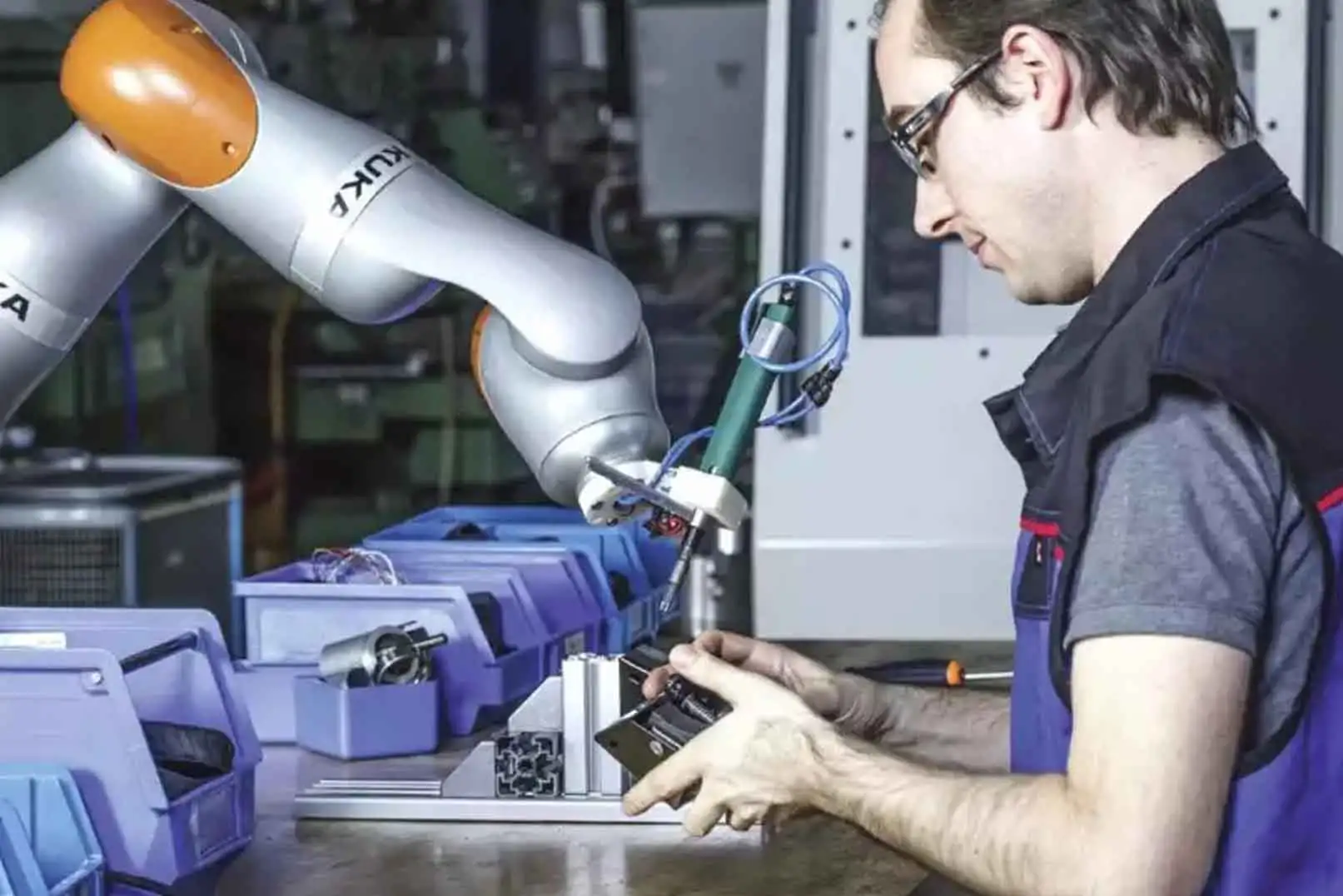
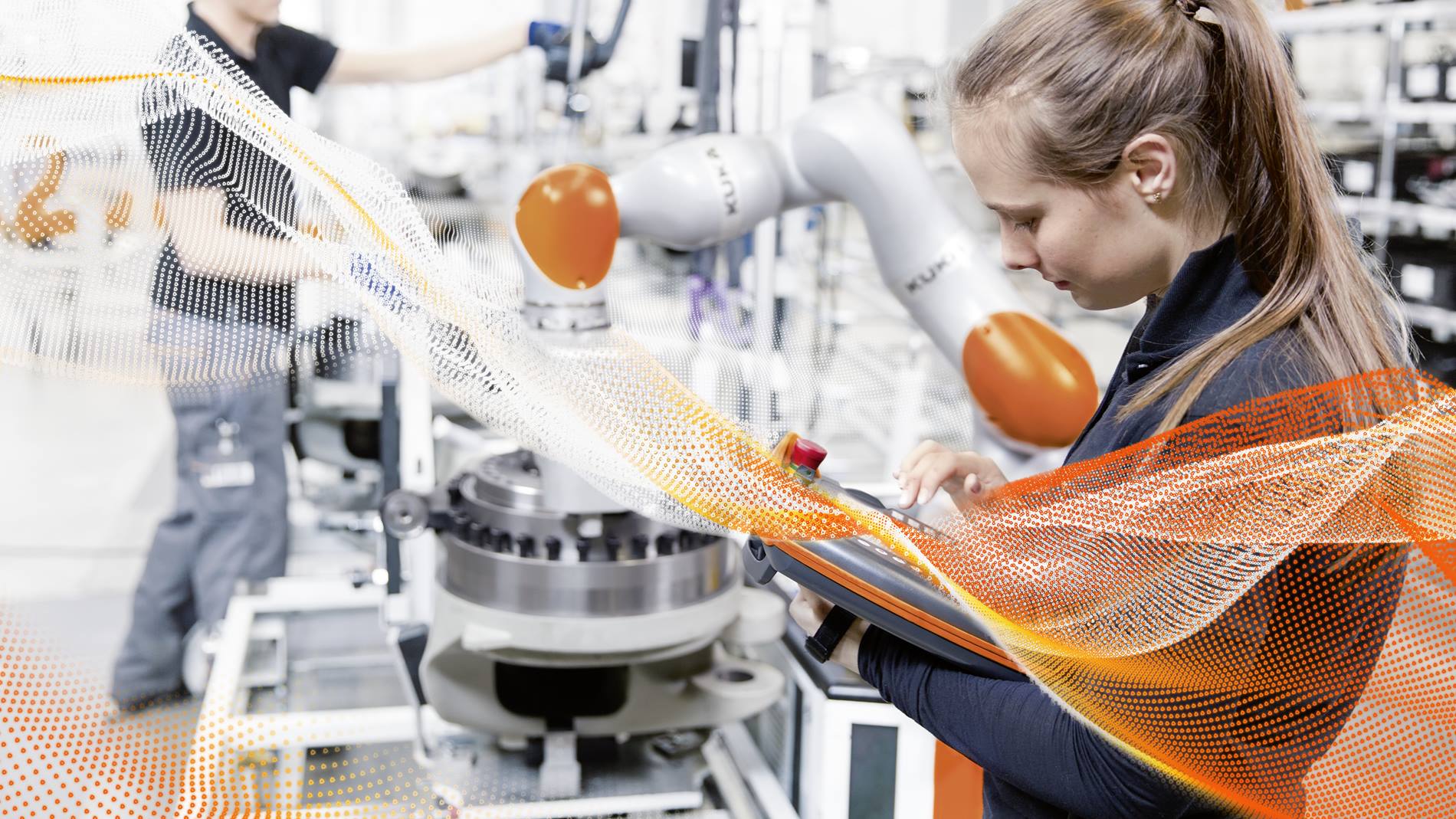
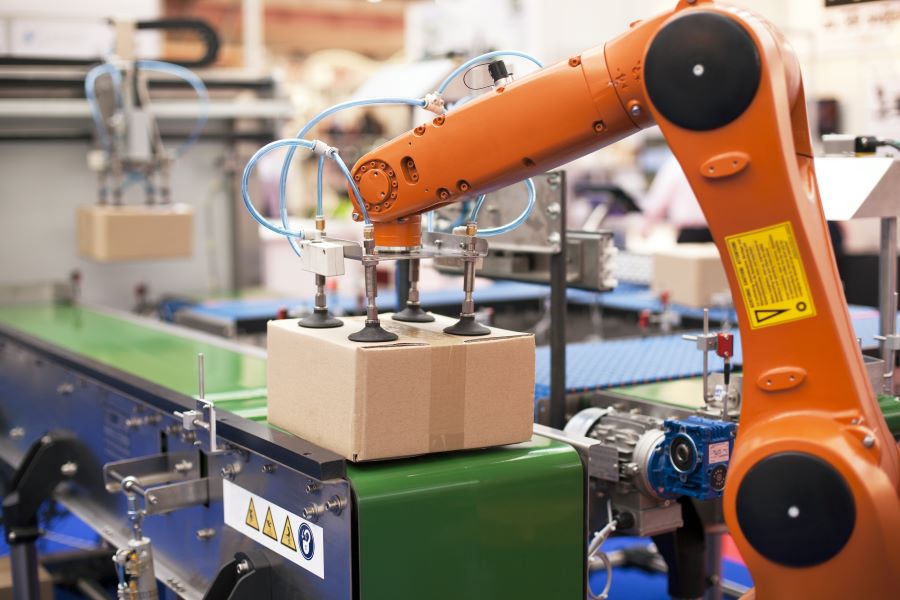
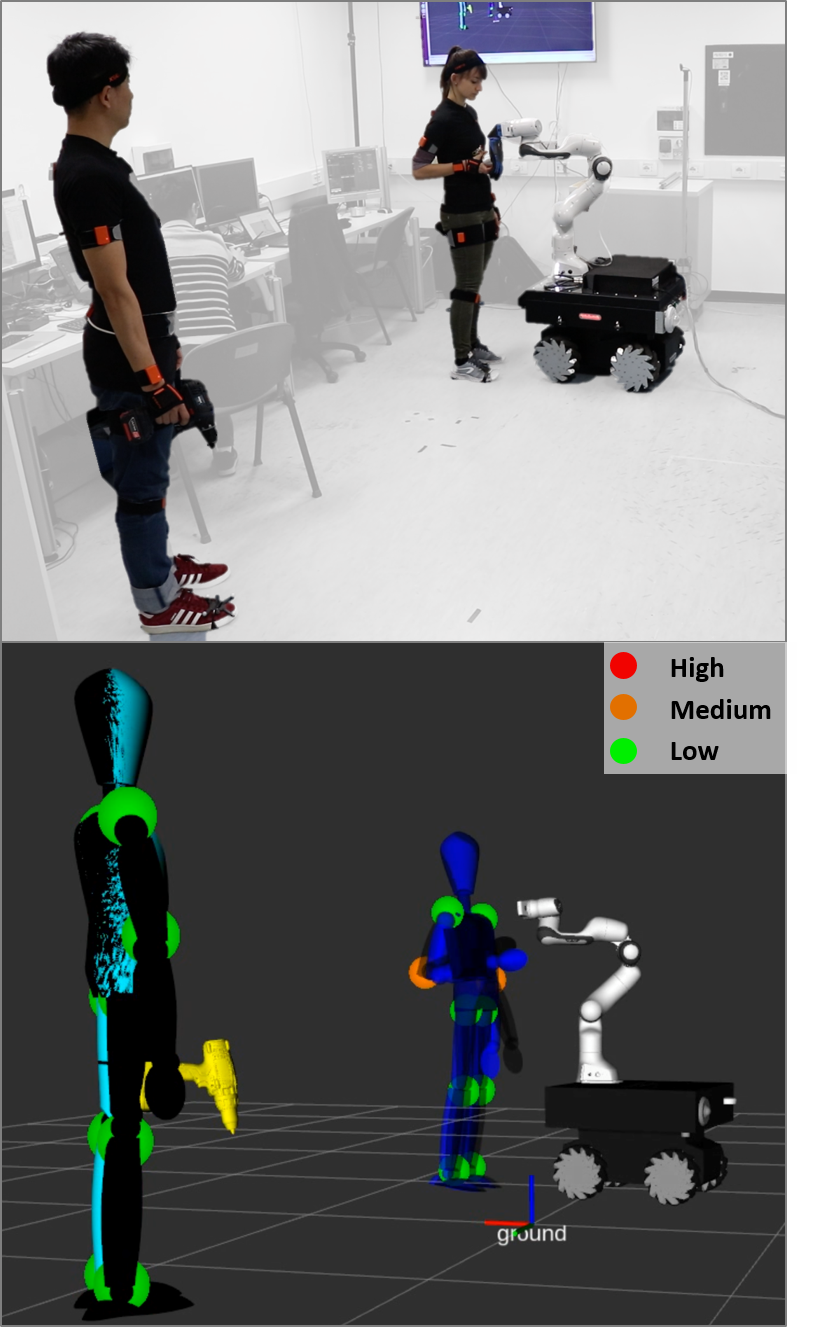
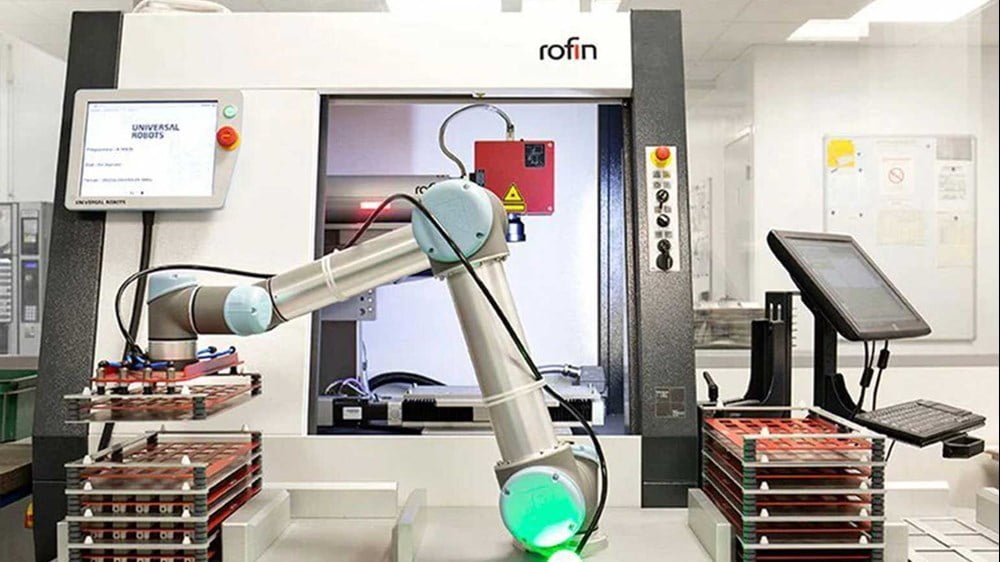
Hybrid human-robot workplaces







Veamos alternativas:
- Modifica la consulta.
- Inicia un nuevo hilo.
- Eliminar fuentes (si se han agregado manualmente).
Crea tu cuenta para adaptar este feed a lo que buscas y disfrutas.
The hidden cost of AI hallucinations
Transcripción
Welcome to our podcast on the hidden cost of artificial intelligence hallucinations. Today we explore how fabricated facts from artificial intelligence models can lead to serious economic loss and damage to reputation. Imagine a scenario where a trusted legal document is based on case law that never existed, prompting a high-profile lawsuit and a steep drop in market value. This is not just a mistake but a sign of failure in quality control that can cost companies millions in lost revenue. In regulated sectors, such errors may invite legal liabilities and permanently erode public trust. By ensuring that artificial intelligence systems rely on verified data and human oversight, organizations can reduce these risks and preserve their brand credibility. Let us remain vigilant and invest in robust safeguards to make our artificial intelligence systems accountable and accurate. Thank you for listening.
Veamos alternativas:
- Modifica la consulta.
- Inicia un nuevo hilo.
- Eliminar fuentes (si se han agregado manualmente).
What are the future trends in AI-driven procurement?

Future trends in AI-driven procurement highlight significant advancements in operational efficiency and risk management. Organizations increasingly integrate generative AI to automate tasks such as spend analytics, contract management, and supplier evaluation, yielding average cost reductions of around 20% and boosting procurement process efficiency by 30%[2][4]. Additionally, AI supports proactive risk management by analyzing market trends and supplier behavior, allowing for informed decision-making and improved resilience against disruptions[4][3].
As AI capabilities expand, procurement leaders must focus on workforce reskilling and ethical deployment of AI technologies[1][6]. The shift toward automated, data-driven decision-making positions AI as a pivotal force in shaping efficient, strategic procurement operations[3][4].
Veamos alternativas:
- Modifica la consulta.
- Inicia un nuevo hilo.
- Eliminar fuentes (si se han agregado manualmente).
In Elasticsearch, when using rank vectors, can the embedded vectors be of multiple variable size? Point is that if the multi vectors are of fixed size, then some information might be lost.
Research Question and Short Answer
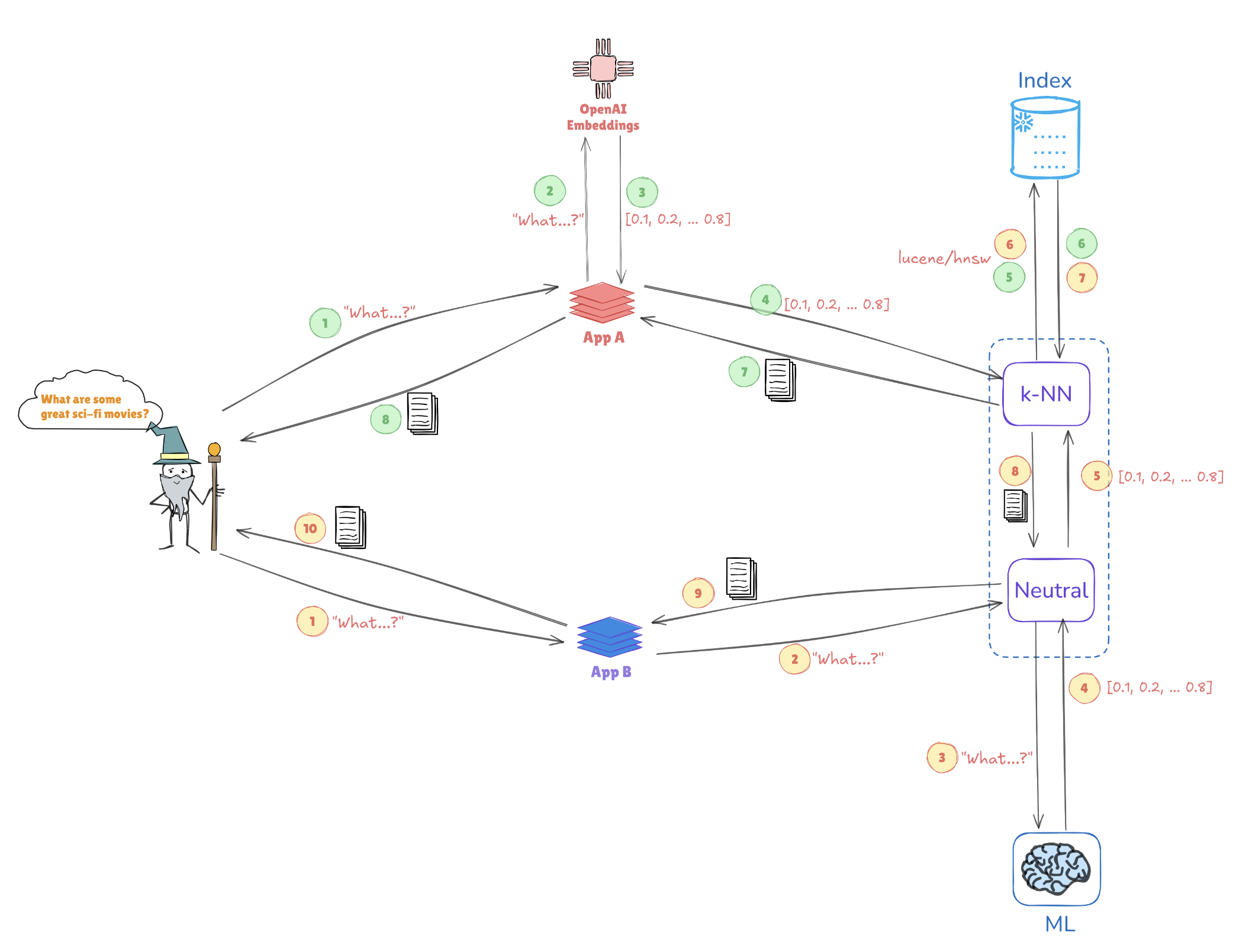
Objective: In Elasticsearch, when using rank vectors, can the embedded vectors be of multiple variable size? If the vectors are fixed size, might information be lost? Short answer: No. Elasticsearch's rankvector field requires that vectors in the field all have the same number of dimensions and a consistent element type, so you cannot store variable-length vectors in a single rankvector field[2][1].
How rank_vector Works and Its Constraints
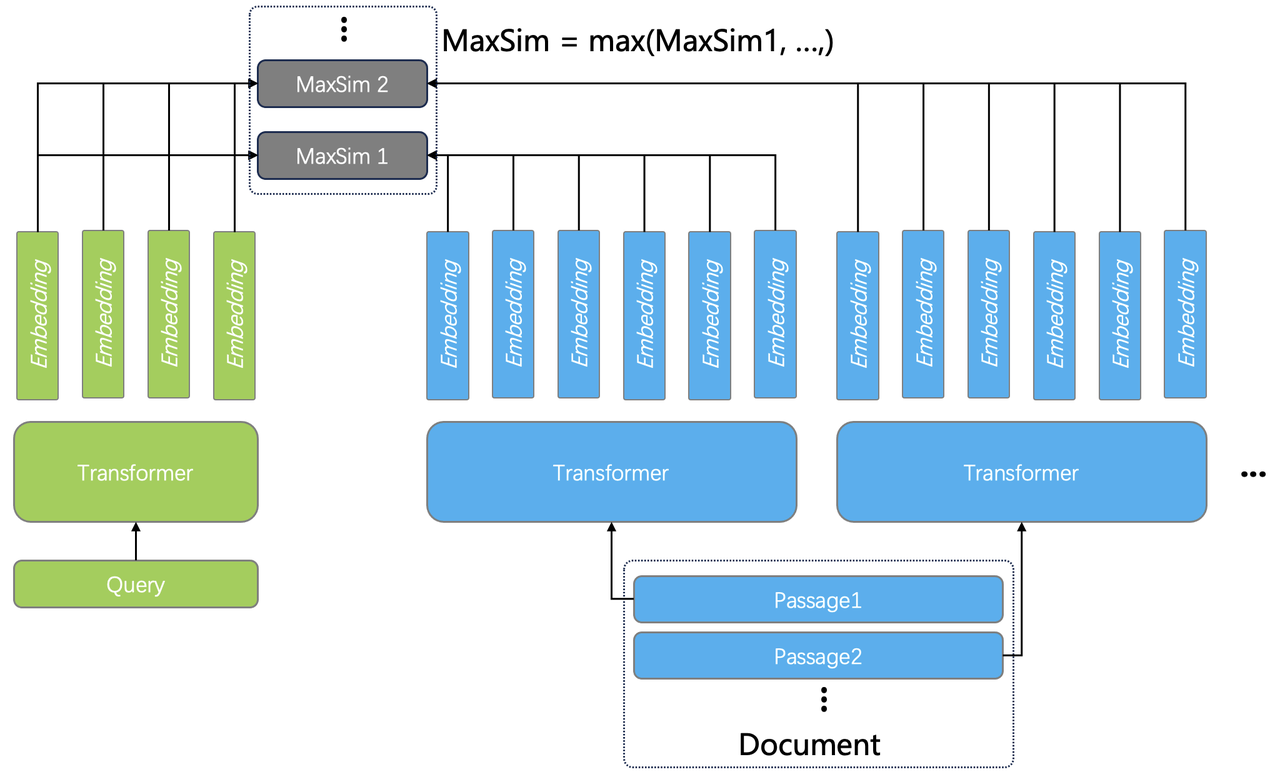
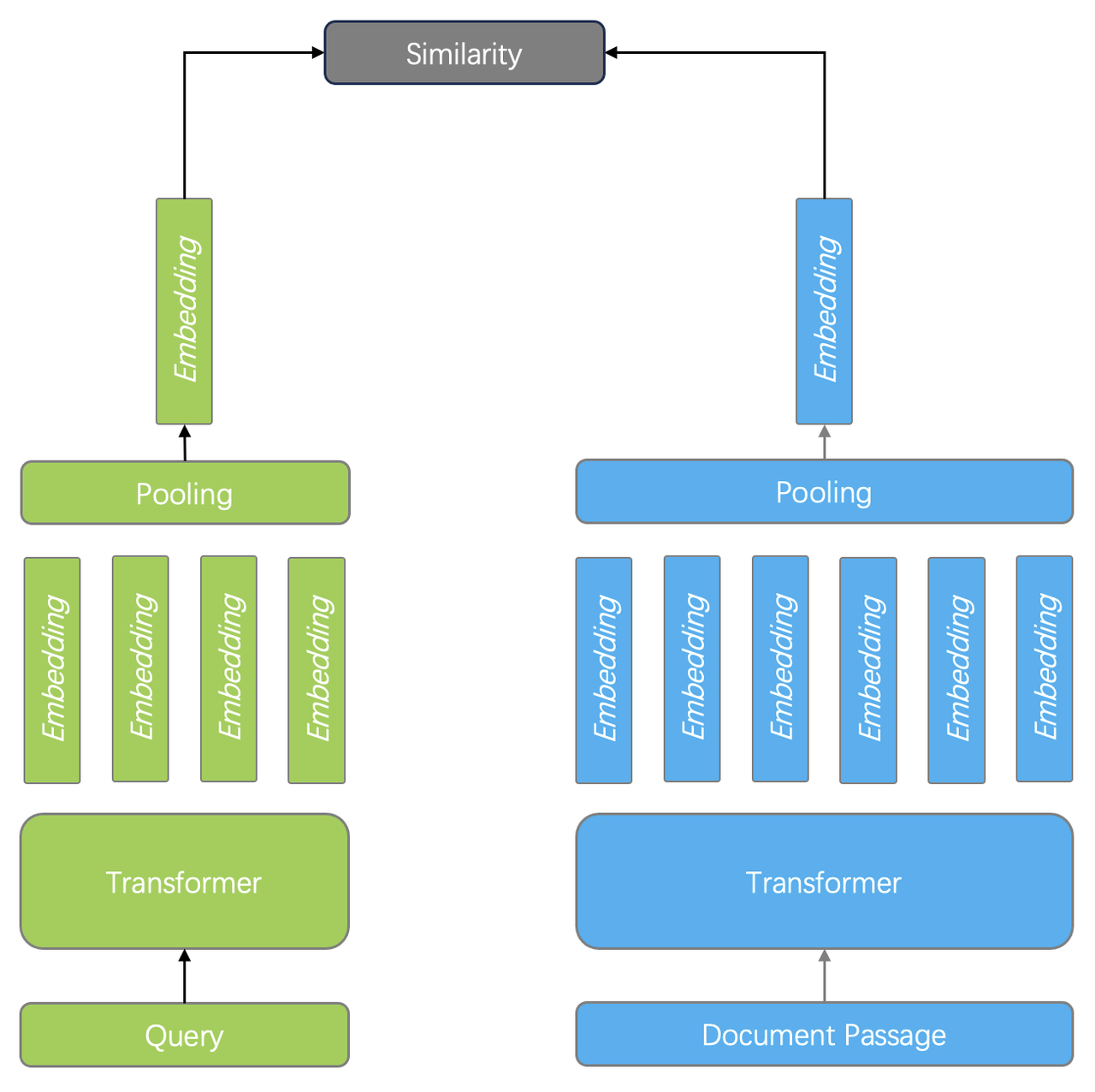
Elasticsearch's rank_vector field type is designed for late‑interaction dense vector scoring and is typically used for second‑order re‑ranking of candidate documents based on similarity between a query vector and vectors stored in the field[1].
Critically, rankvector imposes uniformity: all vectors stored in a given rankvector field must share the same number of dimensions and the same element type[2].
The field can be used with similarity functions intended for late interaction scoring, including maxSim and asymmetric variants like maxSimDotProduct for comparing floating‑point query vectors against bit vectors, but the dimensionality must still match across the vectors being compared[3].
In practice, rank_vector fields are accessed during re‑ranking, letting you refine ordering of a small set of candidates retrieved by an initial query phase while keeping vector scoring consistent and efficient[1].
Dense Vector Fields Also Require Fixed-Length Embeddings
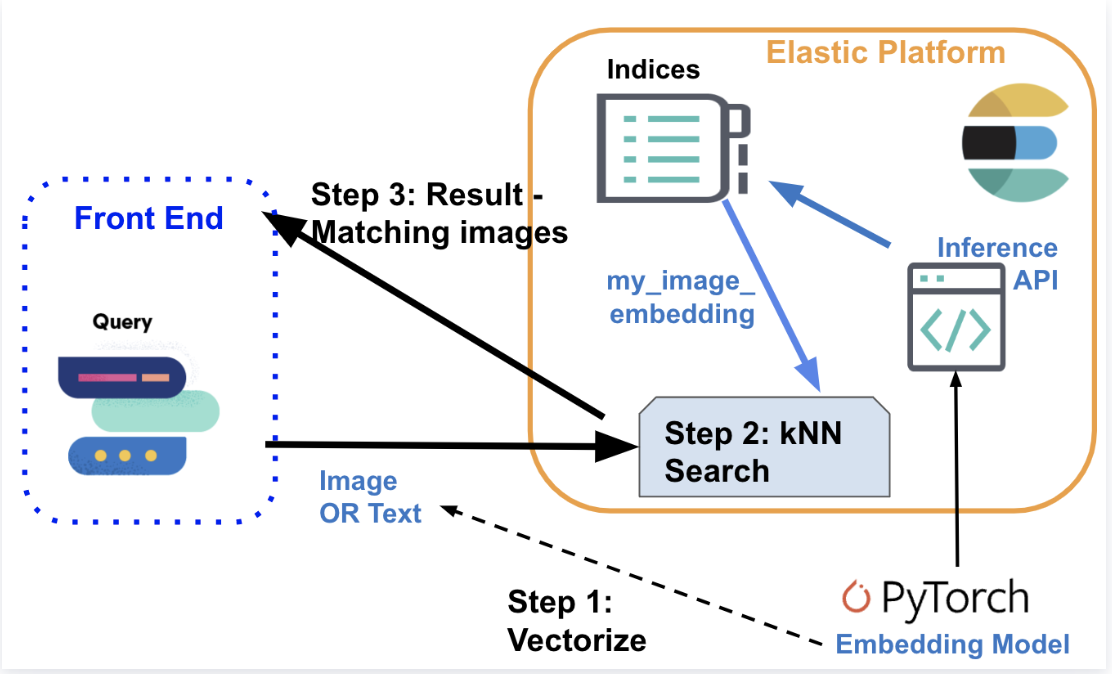
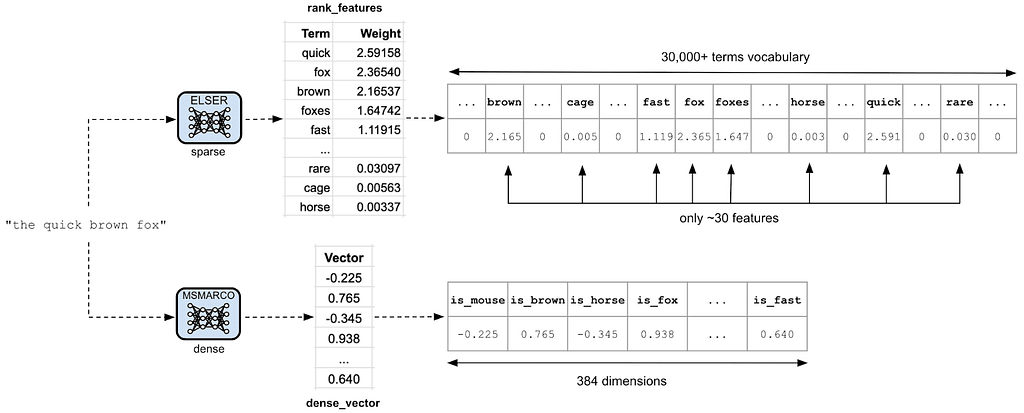
Elasticsearch's dense_vector field type stores an array of numeric values with a fixed dimensionality, which must be consistent for every document stored in that field[11].
When defining a mapping, you specify the number of dimensions for the dense_vector; if not explicitly specified, Elasticsearch infers the dimensionality from the first vector indexed and enforces the same length for all subsequent vectors in that field[8].
This fixed size allows Elasticsearch to compute similarity metrics (for example, cosine similarity or Euclidean distance) and to support efficient k‑nearest neighbor search by comparing corresponding positions across vectors[11][9].
Implications for Variable-Length Embeddings and What You Can Do
Elasticsearch does not support variable‑length embeddings within a single vector field: both rankvector and densevector require fixed dimensionality across all vectors stored in the same field[1][11].
- Standardize embeddings per field: choose a dimensionality and pad or truncate vectors from your model to that size before indexing. This is the most common approach in production systems.
- Use separate fields for different sizes: if you need to support multiple embedding dimensionalities, create multiple vector fields in the same index (for example, titlevec384 and titlevec768) and decide at query time which field to use.
- Use separate indices per model: if operationally simpler, create distinct indices for each embedding size and query the ones that match your query embedding.
- Late interaction and asymmetric scoring: if your use case benefits from late‑interaction scoring or from comparing float query vectors to compact bit vectors, rank_vector supports these scoring modes, provided the dimensions match across vectors you compare[3].
- Re‑rank a candidate set: retrieve candidates with classical search first, then re‑rank with rank_vector similarity to stay efficient while applying vector scoring consistently[1].
Note that if you worry about information loss from truncation or padding, you can mitigate it by selecting an embedding model with a dimension that balances fidelity and cost, and by using multiple fields or indices to preserve different representations for different content types. These are engineering trade‑offs rather than features of Elasticsearch itself.
Dimension Limits, Indexing, and Practical Constraints
Dense_vector fields have dimensionality constraints that depend on whether the field is indexed for kNN; community and issue tracker discussions note a typical upper bound of 1024 dimensions for indexed vectors, with higher limits (often up to 2048) for unindexed vectors[6][5].
If you try to index a vector whose length exceeds the configured or allowed dimensionality, Elasticsearch will reject the document and return an error, making it important to fix and enforce shape at ingestion time[7].
These limits reinforce why Elasticsearch enforces fixed vector lengths per field: consistent dimensionality is required both for correctness in similarity scoring and for performance characteristics of the underlying vector indices[11].

Recommendations
- If you use rank_vector, decide a single vector width per field and keep it constant across all documents[2].
- For mixed‑dimension needs, create additional fields or indices to house different embedding sizes and query the appropriate one for each request.
- For efficiency, retrieve with standard text queries and re‑rank with rank_vector similarity, which is the pattern Elastic documents for late‑interaction use cases[1].
- When using dense_vector kNN, keep dimension limits in mind and verify that your chosen embedding size stays within Elasticsearch's supported bounds for your version and configuration[6][11].
Conclusion
Elasticsearch does not support variable‑length embeddings within a single rankvector or densevector field; each such field has a fixed dimensionality that all stored vectors must share[2][11].
To accommodate multiple sizes without losing information, adopt a schema that uses multiple fields or indices and apply re‑ranking with rankvector or kNN with densevector as appropriate to your workflow[1].

Veamos alternativas:
- Modifica la consulta.
- Inicia un nuevo hilo.
- Eliminar fuentes (si se han agregado manualmente).
The rise of voice deepfakes: protect your phone banking.
Transcripción
Welcome to our podcast on protecting your phone banking in the age of voice deepfakes. In recent years, criminals have learned to use synthetic voices to imitate genuine customers and trick call-center representatives into making unauthorized changes. There have been alarming cases where banks received calls that sounded like trusted clients but were actually generated by artificial intelligence, designed to bypass traditional verification methods. Scammers gather voice samples from public speeches, social media posts, or other public recordings, and then use these samples to create realistic, computer-generated voices that can fool even seasoned bank employees. To counter this threat, financial institutions are now deploying multiple layers of security. They are combining real-time deepfake detection technology with multi-factor authentication, and enhancing their caller verification processes beyond simple voice identification. Additional precautions include rigorous employee training to recognize unusual speech patterns and the integration of advanced caller anti-spoofing solutions. It is absolutely vital that everyone remains vigilant, as the rapid evolution of this technology means that fraudsters are constantly adapting their methods. By updating security practices and using a layered approach, banks and consumers alike can better protect personal and financial data in this new era of cyber fraud.
Veamos alternativas:
- Modifica la consulta.
- Inicia un nuevo hilo.
- Eliminar fuentes (si se han agregado manualmente).
Crea tu cuenta para adaptar este feed a lo que buscas y disfrutas.
Autores Relevantes sobre Inteligência Artificial Centrada no Humano

 Linkedin
 Instagram
 Twitter
 Facebook
 Youtube
Veamos alternativas:
- Modifica la consulta.
- Inicia un nuevo hilo.
- Eliminar fuentes (si se han agregado manualmente).
Myth bust: robots don't steal creativity
Transcripción
Think automation is killing creativity? Think again. The truth is, automation is not a threat, but an opportunity to revolutionize the way we create. By handling mundane and repetitive tasks, automation frees up humans to focus on what we do best: innovating and solving complex problems. In graphic design, AI-powered tools help create stunning visuals in a fraction of the time. Musicians use AI to compose new tracks and explore new genres, while writers use it to overcome writer's block with new story ideas. Even architects use AI to analyze building performance, allowing them to focus on the creative vision that makes a building inspiring. Research shows that generative AI can enhance creative productivity by 25 percent. It acts as a creative partner, not a replacement. So, the future is not about humans versus machines; it is about humans collaborating with machines to unlock new levels of imagination.
Veamos alternativas:
- Modifica la consulta.
- Inicia un nuevo hilo.
- Eliminar fuentes (si se han agregado manualmente).

https://como-tudo-funciona.com.br/

The website 'Como Tudo Funciona' is dedicated to providing simple explanations about science, technology, and everyday curiosities, making complex topics accessible and reliable. It covers a variety of subjects, including natural phenomena, the internet, and historical mysteries, and aims to satisfy readers' curiosity with engaging content[1].
Users can find recent articles on various topics, such as vehicle maintenance and astrology, alongside explanations of cultural events and important dates in Brazil[1].
Veamos alternativas:
- Modifica la consulta.
- Inicia un nuevo hilo.
- Eliminar fuentes (si se han agregado manualmente).
what is the aha moment in product development

The 'aha moment' in product development refers to the critical moment when a user first perceives the value of a product and understands why they need it. This pivotal realization, often described as a moment of clarity or insight, transforms an evaluating user into an engaged one. It is vital for retaining customers, as users who do not encounter an aha moment are less likely to continue using the product[1].
Identifying the aha moment involves analyzing user behavior and finding specific actions that correlate with increased engagement and retention[3]. For different products and user segments, the specific actions that signify an aha moment can vary significantly. For example, for Uber, it might be hailing a ride quickly, while for Netflix, it could be watching something enjoyable shortly after signing up[6].
To guide users toward their aha moments, companies must enhance the onboarding process and reduce friction within the user journey. This can include various strategies, such as using interactive walkthroughs and tooltips that direct users to key product features[5].
Ultimately, achieving a rapid aha moment is crucial, as it can lead to user activation, retention, and even prompt users to upgrade to paid subscriptions. Hence, understanding and optimizing for the aha moment is essential for any product aiming for long-term success and user satisfaction[2].
Veamos alternativas:
- Modifica la consulta.
- Inicia un nuevo hilo.
- Eliminar fuentes (si se han agregado manualmente).