Descubre Pandipedia
Un directorio creciente de respuestas útiles seleccionadas por la comunidad de Pandi. Busca en la colección o explora los últimos descubrimientos.
3061 entradas disponibles
How do some animals regenerate limbs?

Some animals can regenerate limbs through a variety of biological processes. The sea spider Pycnogonum litorale, for example, can regrow entire body parts, surprising scientists who previously thought such extensive regeneration wasn't possible for arthropods[1].
The axolotl, a species of salamander, uses a process called dedifferentiation, where adult cells revert to a stem-cell-like state and then form a blastema that regenerates the lost limb[1][2][4]. This blastema is guided by morphogen gradients, which provide spatial information to the cells so they can form the correct structures[4].
Flatworms like the Planaria use a method called stem cell-mediated regeneration. They possess pluripotent stem cells that can replace any damaged cells and even regrow entire bodies from a small fragment[1][2][4].
Hydras utilize morphallaxis, where existing cells rearrange and transform to regenerate missing body parts. They can also combine this with a method similar to dedifferentiation if the injury is severe[1][4].
Starfish and some lizards also regenerate their limbs through a process involving a blastema, but the new structures may sometimes differ from the originals, such as a cartilaginous tube instead of vertebrae in lizards[1][5].
Overall, these differing regenerative strategies depend on the animal's stem cells and the ability to activate specific genetic and molecular pathways[1][2][4][5].
Veamos alternativas:
- Modifica la consulta.
- Inicia un nuevo hilo.
- Eliminar fuentes (si se han agregado manualmente).

How was sleep in the middle ages?
Historical Overview of Sleep Patterns
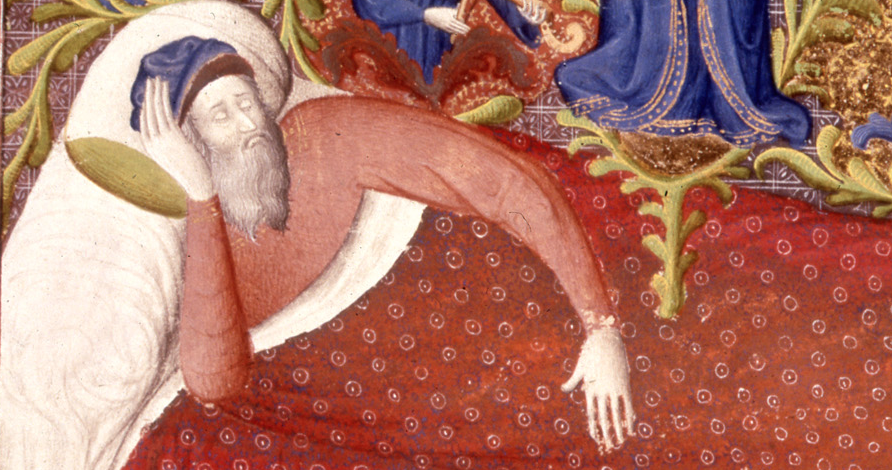
In the Middle Ages, sleep was commonly divided into two segments known as 'first sleep' and 'second sleep'. People typically went to bed shortly after dusk, around 9 PM, and each sleep phase lasted approximately four hours, followed by a natural waking period which often lasted about an hour. This waking time, referred to as 'the watch', allowed for various activities like prayer, socializing, or tending to household chores[1][7]. Historian Roger Ekirch, who researched these sleeping habits, discovered that this biphasic sleep pattern was not solely a medieval quirk; it was a widespread practice seen globally, from Europe to Africa and Asia, and has roots in prehistoric sleep behaviors[1][2][8].
Activities During the Watch
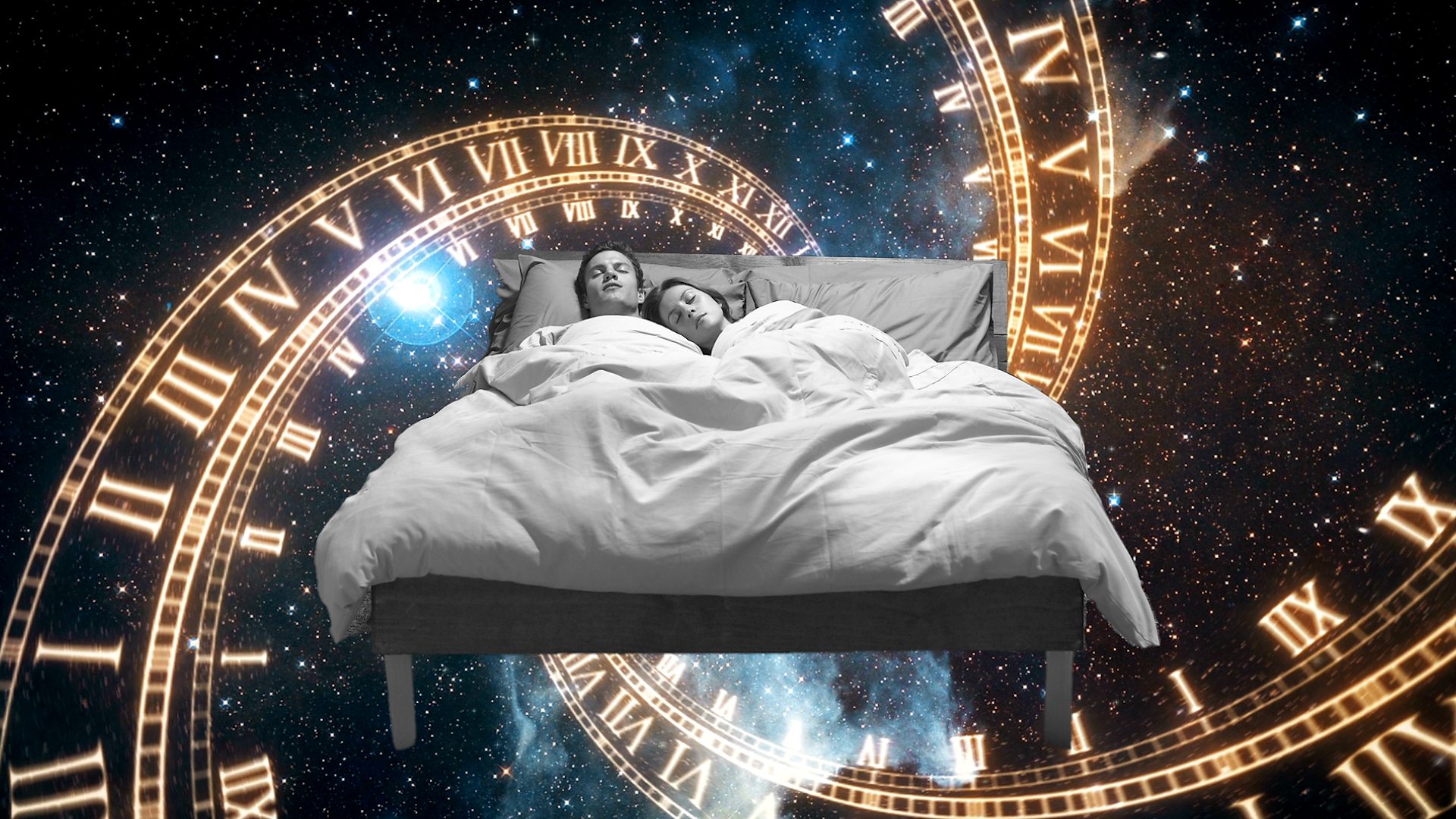
During the watch, individuals would engage in a variety of tasks. For many, this time was utilized for religious observance, such as reciting prayers. Medical texts from the time even advised that this interval was suitable for reflection and intimate activities between couples, suggesting that it was seen as a 'profitable hour'[5][8][10]. In addition to personal activities, practical tasks were commonplace; people often checked firewood supplies or shared moments of conversation with fellow bedmates, emphasizing the communal nature of sleeping arrangements[3][4][7].
Cultural Influence on Sleep Practices

Cultural factors greatly influenced sleeping habits during the Middle Ages. For instance, religious practices ingrained the idea of waking up to pray, particularly among monks who would rise for Matins around 2 AM[10]. The influence of solar patterns led to sleep strategies aligning with natural light cycles, which differed significantly in preindustrial societies compared to the later industrialized world[1][3]. Additionally, many medieval texts and literature, including Geoffrey Chaucer's "The Canterbury Tales", reflect the regularity of this biphasic sleep practice, indicating its acceptance in society[2][7].
Transition to Continuous Sleep Patterns
By the early 19th century, the Industrial Revolution marked a significant shift in societal sleep patterns. The introduction of artificial lighting, such as gas and later electric streetlights, led to people staying awake longer in the evening, thus condensing the traditional two-phase sleep into a single longer shift. This development gradually phased out the natural waking periods that had defined sleep for centuries[1][8]. The normalization of continuous sleep ultimately shaped modern perceptions of sleep, where uninterrupted rest is now deemed ideal, even amidst rising complaints of insomnia related to these changes[5][6].
Sleep and Social Status
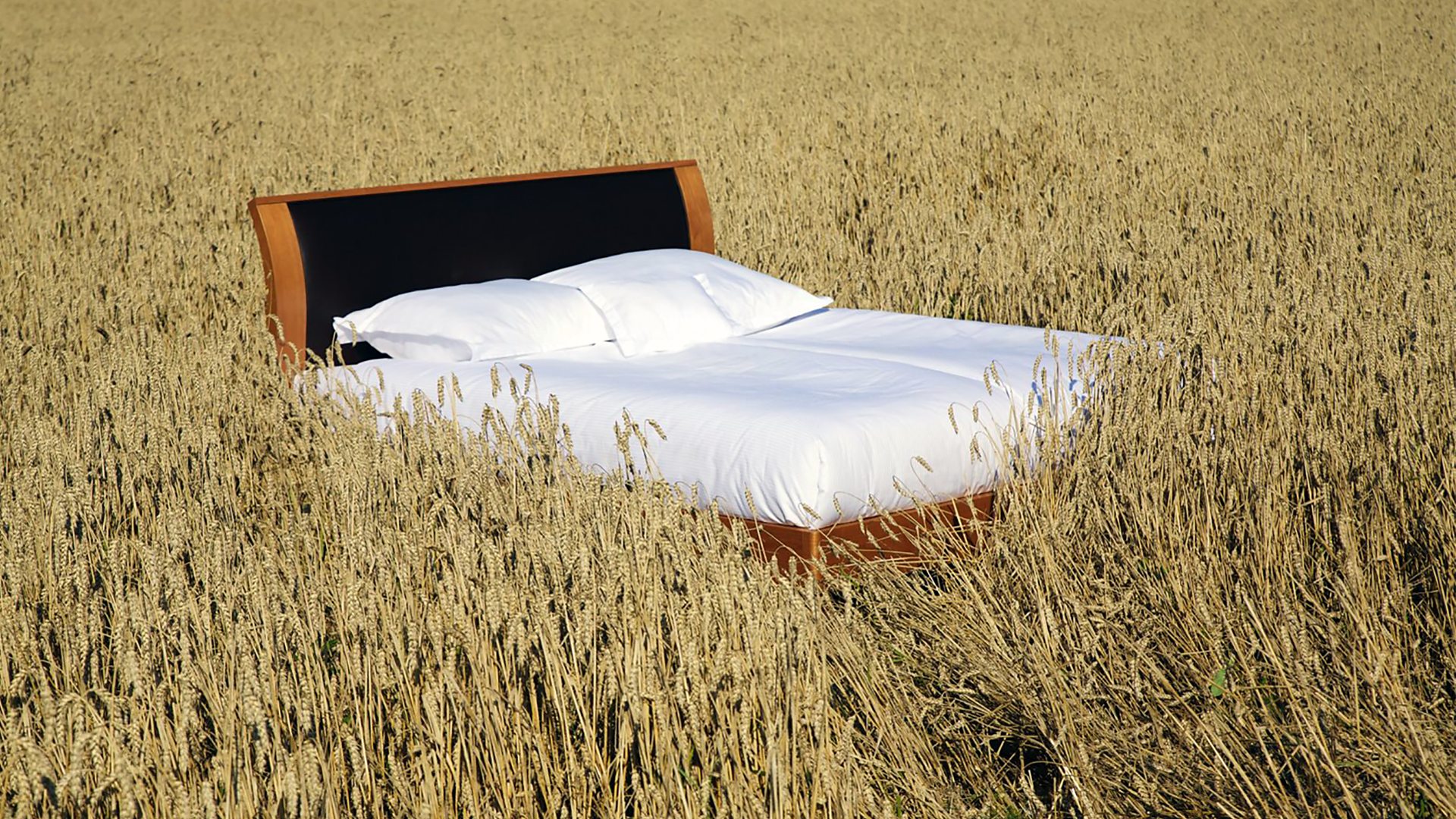
Sleeping arrangements diverged significantly based on social status during the Middle Ages. Wealthier individuals were more likely to enjoy the comfort of feather-stuffed mattresses and private sleeping chambers, while the lower classes often shared beds with multiple family members or slept on less comfortable surfaces like straw[9]. The communal nature of sleeping not only facilitated social bonds but also illustrated the stark contrasts in living conditions based on wealth and social hierarchy[4][7].
Modern Reflections of Historical Sleep Patterns
Interestingly, remnants of biphasic sleep persist in some cultures today. Certain societies in the Mediterranean and Latin America maintain practices akin to "siestas" or daytime naps which share a conceptual lineage with the historical dual-sleep system[6][8]. Research continues to explore the relevance of these ancient sleeping patterns in addressing modern sleep disturbances, suggesting that a return to such natural rhythms could benefit contemporary society, especially for those suffering from insomnia[4][6][7].
Veamos alternativas:
- Modifica la consulta.
- Inicia un nuevo hilo.
- Eliminar fuentes (si se han agregado manualmente).
Crea tu cuenta para adaptar este feed a lo que buscas y disfrutas.
Why did Montpensier throw a candlestick?

According to the text, M. Louis de Montpensier was of 'the most violent temper'[1]. On one occasion, while at the siege of Rochelle, M. de Serre was captured and brought before Montpensier[1]. M. de Serre stated he was holding the place 'For the King', in response, Montpensier 'flung a silver candlestick at his head'[1].
Veamos alternativas:
- Modifica la consulta.
- Inicia un nuevo hilo.
- Eliminar fuentes (si se han agregado manualmente).
Volcano Etna in Italy is puffing giant smoke rings
Veamos alternativas:
- Modifica la consulta.
- Inicia un nuevo hilo.
- Eliminar fuentes (si se han agregado manualmente).
How is the landscape around the house investigated and described by the narrator and his friend?
Initially, the narrator describes the area around the hamlet of Kraighten, where they set up camp, as 'a waste of bleak and totally inhospitable country' that is 'bare and unpeopled', with the earth scarcely covering the underlying rock [1].
During their exploration, they discover that the river they were following comes to an 'abrupt end vanishing into the earth' [1]. This leads them to a 'wilderness of bushes and trees' that the narrator realizes is a 'great and ancient garden' [1]. Further on, they encounter a 'tremendous chasm' with a 'monster cataract of frothing water' [1]. Perched over this abyss, they find a 'fragment of a great ruin' [1]. They also discover a 'great lake of silent water' to the north of the chasm [1].
Initially, the narrator describes the area around the hamlet of Kraighten, where they set up camp, as 'a waste of bleak and totally inhospitable country' that is 'bare and unpeopled', with the earth scarcely covering the underlying rock [1].
During their exploration, they discover that the river they were following comes to an 'abrupt end vanishing into the earth' [1]. This leads them to a 'wilderness of bushes and trees' that the narrator realizes is a 'great and ancient garden' [1]. Further on, they encounter a 'tremendous chasm' with a 'monster cataract of frothing water' [1]. Perched over this abyss, they find a 'fragment of a great ruin' [1]. They also discover a 'great lake of silent water' to the north of the chasm [1].
Veamos alternativas:
- Modifica la consulta.
- Inicia un nuevo hilo.
- Eliminar fuentes (si se han agregado manualmente).
What new roles might emerge in hospitals as precision medicine becomes mainstream?

As precision medicine becomes mainstream, new roles such as genomic pharmacists and data ethicists are anticipated in hospitals. A genomic pharmacist will specialize in tailoring drug therapies based on patients' genetic profiles, enhancing treatment efficacy and minimizing adverse reactions[4]. Data ethicists will address ethical implications of data use in patient care, guiding responsible data innovation and ensuring compliance with ethical standards[5].
These roles differ from current clinical positions by requiring specialized knowledge in genetics and ethics rather than generalized medical training. Individuals will need skills in genomics, data management, and ethical governance, significantly expanding the healthcare team's multidisciplinary approach to patient care[6].
Veamos alternativas:
- Modifica la consulta.
- Inicia un nuevo hilo.
- Eliminar fuentes (si se han agregado manualmente).
Crea tu cuenta para adaptar este feed a lo que buscas y disfrutas.
What is total reflection in lighthouse optics?

When rays of light reach the second surface of a glass prism at an angle of incidence greater than the critical angle, refraction becomes impossible, and they suffer 'total' or internal reflection[1]. Instead of passing out of the prism into the air, they are sent back again into the substance of the glass[1].
Veamos alternativas:
- Modifica la consulta.
- Inicia un nuevo hilo.
- Eliminar fuentes (si se han agregado manualmente).
What is the belle époche?
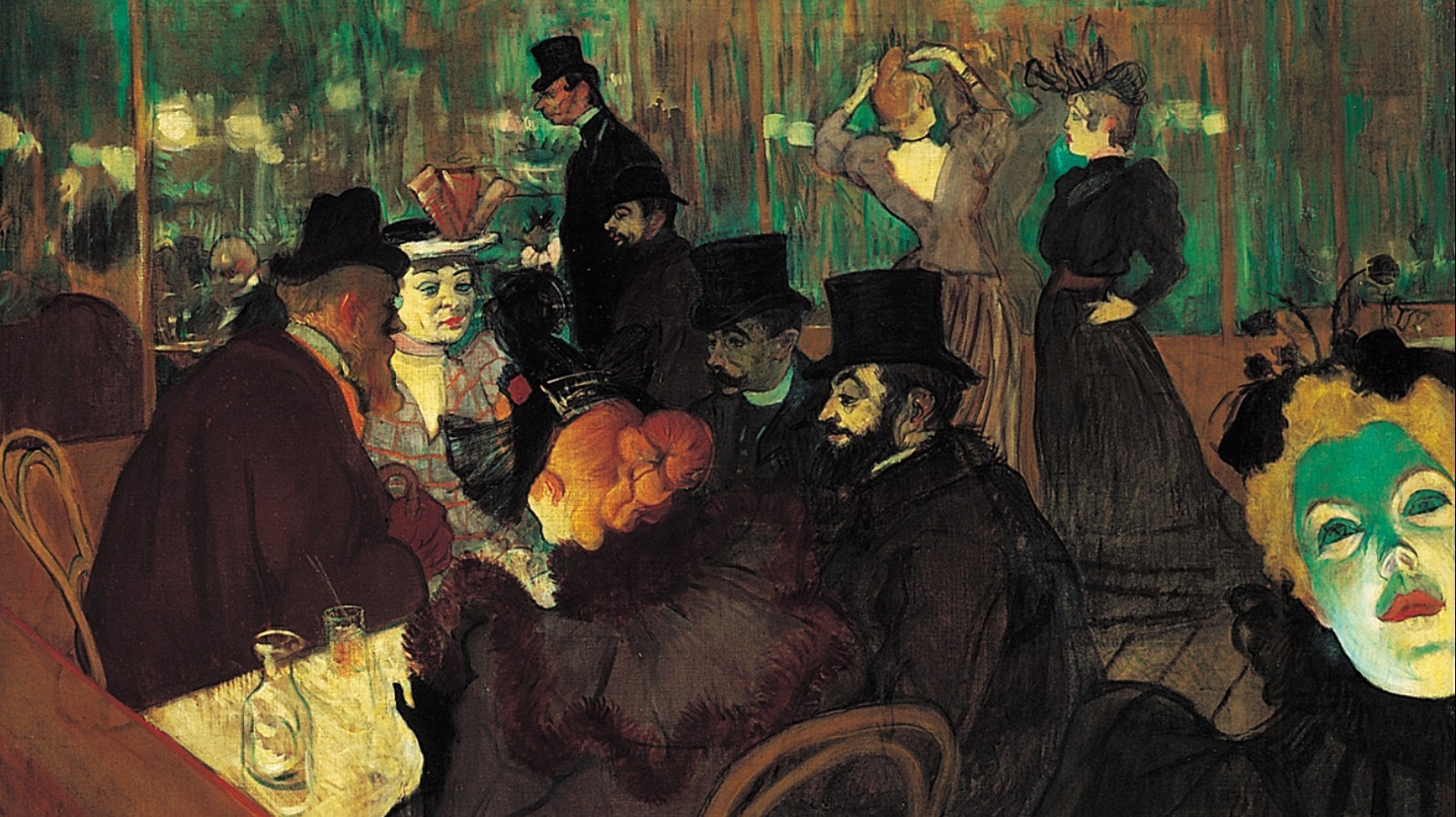
The Belle Époque, or 'Beautiful Age,' refers to a period in France from approximately 1871, following the Franco-Prussian War, until the outbreak of World War I in 1914. This era is characterized by significant cultural and economic growth, marked by optimism, technological advancements, and artistic innovations, particularly in Paris, where the arts thrived with contributions from notable figures like Claude Monet and Marie Curie[1][6]. It was labeled as a 'golden age' for many, especially the upper and middle classes, as wages and living conditions improved, and consumer culture flourished[2][6].
However, beneath the surface, there were considerable social disparities, stark contrasts in wealth, and unresolved societal issues, such as poor working conditions and rising racial tensions[2][3][4]. The period was also characterized by imperialism and nationalistic sentiments, which foreshadowed the conflicts that would arise in the following decades[3][5]. Overall, while the Belle Époque is often nostalgically regarded as a time of peace and progress, it was also marked by underlying discontent and division[4][5].
Veamos alternativas:
- Modifica la consulta.
- Inicia un nuevo hilo.
- Eliminar fuentes (si se han agregado manualmente).

Who is Brett J. Kagan?

Veamos alternativas:
- Modifica la consulta.
- Inicia un nuevo hilo.
- Eliminar fuentes (si se han agregado manualmente).
What Are the Benefits and Drawbacks of Air Purifiers?

Air purifiers offer various benefits, such as improving indoor air quality by capturing airborne pollutants like dust, smoke, allergens, and pet dander, which can alleviate allergy and asthma symptoms[1][4][6]. They may also help reduce unpleasant odors and harmful chemicals, contributing to a healthier living environment[4][6].
However, there are drawbacks, including the initial cost and ongoing maintenance for filter replacements[1][4]. Some models can generate noise and may produce ozone, which can worsen respiratory conditions, particularly in older units[3][4]. Additionally, air purifiers might not eliminate all pollutants, particularly gaseous ones, so it's essential to set realistic expectations[3][4].
Veamos alternativas:
- Modifica la consulta.
- Inicia un nuevo hilo.
- Eliminar fuentes (si se han agregado manualmente).