Descubre Pandipedia
Un directorio creciente de respuestas útiles seleccionadas por la comunidad de Pandi. Busca en la colección o explora los últimos descubrimientos.
1686 entradas disponibles
How does river water become safe tap water in your home?
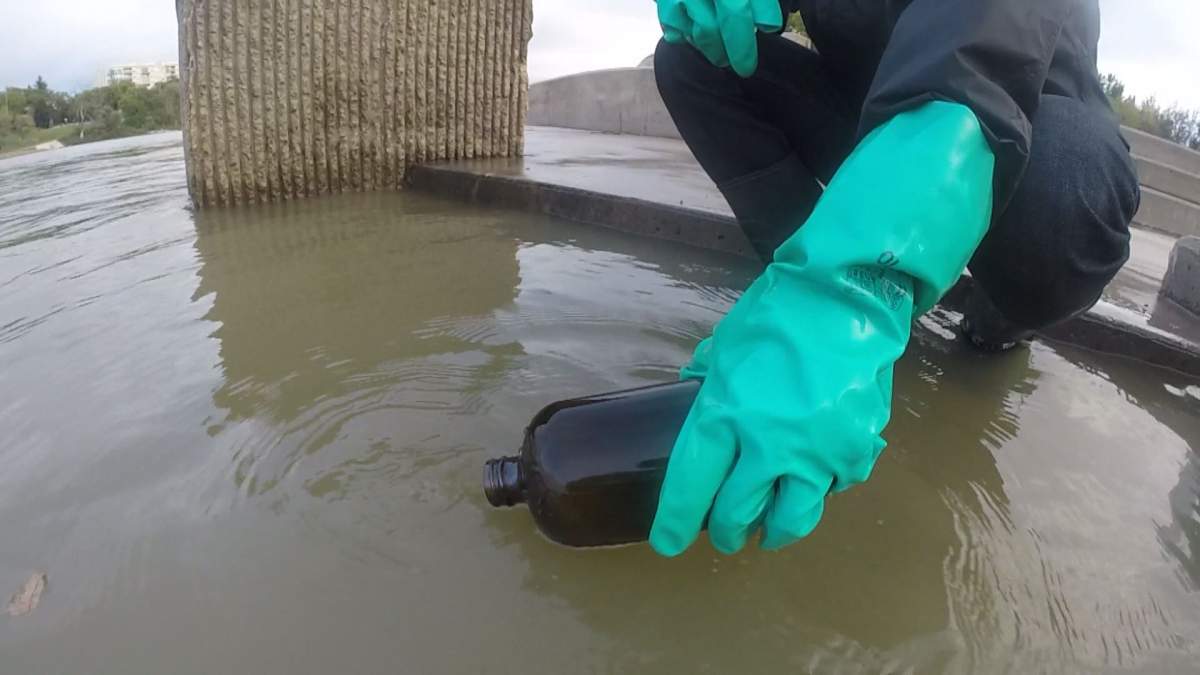
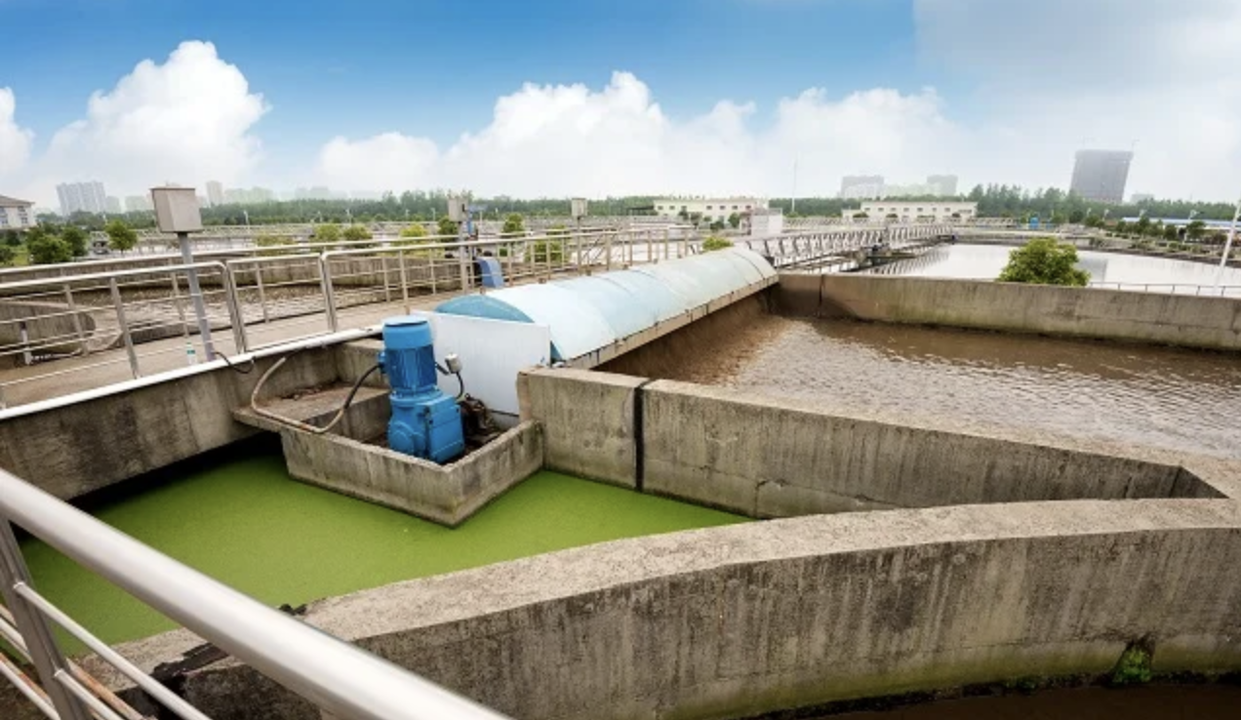

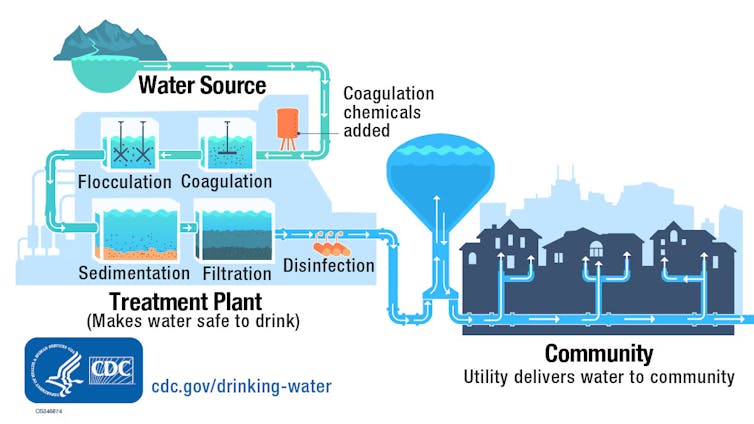
Veamos alternativas:
- Modifica la consulta.
- Inicia un nuevo hilo.
- Eliminar fuentes (si se han agregado manualmente).

Relaxing nature soundscapes
Veamos alternativas:
- Modifica la consulta.
- Inicia un nuevo hilo.
- Eliminar fuentes (si se han agregado manualmente).
Crea tu cuenta para adaptar este feed a lo que buscas y disfrutas.
An Executive's Guide to Quantum Advantage: Separating Hype from Reality
An Executive's Guide to Quantum Advantage: Separating Hype from Reality
Navigating the Quantum Revolution: A C-Suite Imperative


Quantum computing is a revolutionary technology that leverages the principles of quantum mechanics to solve complex problems intractable for even the most powerful classical supercomputers[5]. For the boardroom, it is best understood as a new tool for managing immense complexity[5]. Unlike classical computers that use bits (either 0 or 1), quantum computers use 'qubits'[8]. A qubit can be a blend of both 0 and 1 simultaneously (superposition) and can be linked to other qubits (entanglement), allowing the machine to explore a vast number of possibilities at once[5]. This capability is not a distant dream; practical, scalable quantum computing is just a few years away and is essential for realizing the full potential of artificial intelligence[8]. The United Nations has declared 2025 the International Year of Quantum Science and Technology, signaling a global inflection point[5]. This is no longer a conversation for physicists; it has become a critical strategic discussion for the boardroom[5].
Myths and Realities of Quantum Commercialization
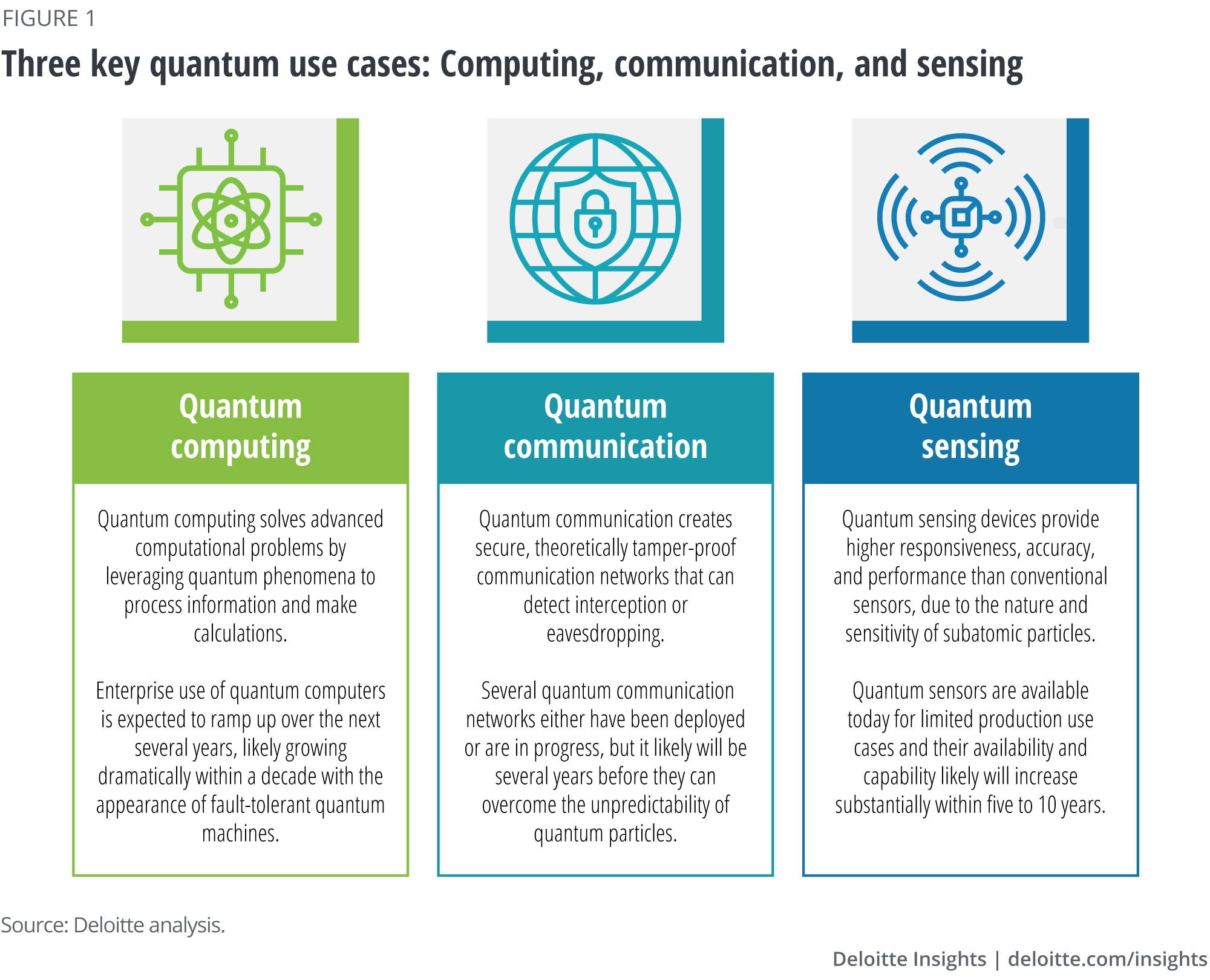

Navigating the quantum landscape requires separating persistent myths from the emerging commercial reality.
Myth 1: It's too early.
The reality is that the era of quantum commercialization has already begun[6]. Companies like Volkswagen and JPMorgan Chase are not waiting for a perfect quantum computer; they are engaging with what’s available to experiment with real-world optimizations and simulations today[6].
Myth 2: Only tech giants can succeed.
The quantum ecosystem is teeming with agile startups, many spun out of universities, that are not only competing with but also partnering with major tech companies[6]. For example, IonQ, founded by two professors, became the world's first publicly traded pure-play quantum computing company, demonstrating that academic origins can be turned into a multi-billion-dollar enterprise[6].
Myth 3: There's no market yet.
While the market is young, it is not nonexistent[6]. Early markets are forming now, driven by forward-thinking adopters in finance, pharmaceuticals, and logistics seeking a competitive edge[6]. Volkswagen's pilot project to optimize traffic flow in Lisbon using a quantum algorithm is a clear example of market interest[6].
Myth 4: We can just license the intellectual property (IP) later.
This passive approach is a risky myth. Early-stage quantum inventions are often too complex and nascent for a large company to license without the significant development and de-risking that a focused startup provides[6]. A startup acts as the necessary bridge, gathering inventors, raising capital, and building prototypes to prove the technology's value[6].
Defining Success: Understanding Quantum Advantage and Benchmarks
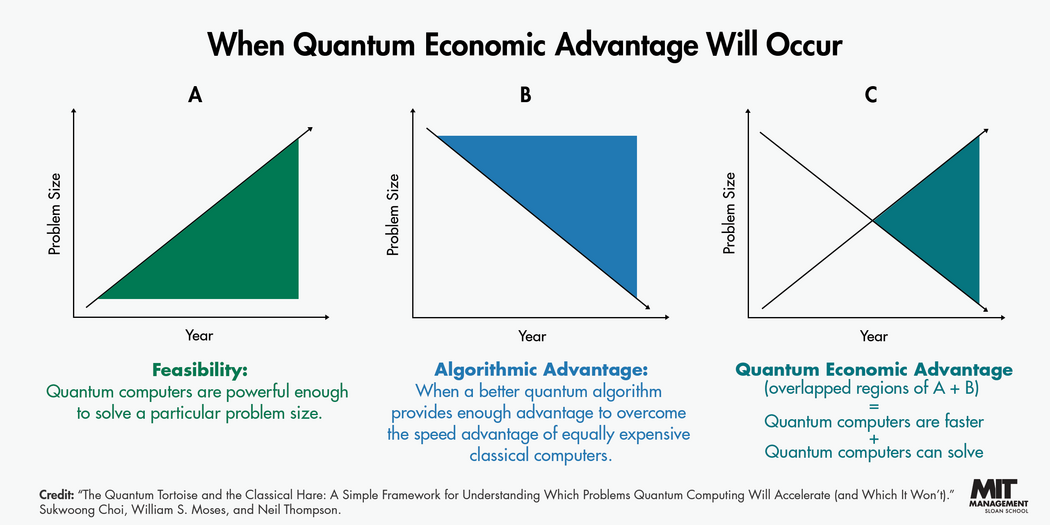

The ultimate goal is 'quantum advantage,' the ability to solve problems beyond the reach of classical computers[3]. However, a more practical milestone for businesses is 'quantum economic advantage,' which occurs when a problem can be solved more quickly with a quantum computer than with a comparably priced classical one[3]. An MIT framework likens this to a race between the 'Quantum Tortoise and the Classical Hare'[3]. Classical computers (the hare) are generally faster, but quantum computers (the tortoise) can use more efficient algorithms, taking a more direct path to the solution[3]. To measure progress, the field relies on benchmarks, defined as a set of tests designed to compare the performance of different computer systems[12]. A good benchmark must be relevant, reproducible, fair, verifiable, and usable[12]. Key metrics include:
- Quantum Volume (QV): Quantifies the largest square quantum circuit (equal width and depth) that a processor can successfully run[12].
- Q-Score: An application-focused metric measuring the maximum number of variables a quantum processor can handle in a standard optimization problem[12].
- Algorithmic Qubits (AQ): Measures the largest quantum circuit a processor can successfully run across six key algorithmic classes, moving beyond the square-circuit limitation of QV[12].
No single benchmark can capture all aspects of performance, so a suite of benchmarks is necessary for a comprehensive evaluation[12].
Early Applications: Quantum Computing Case Studies
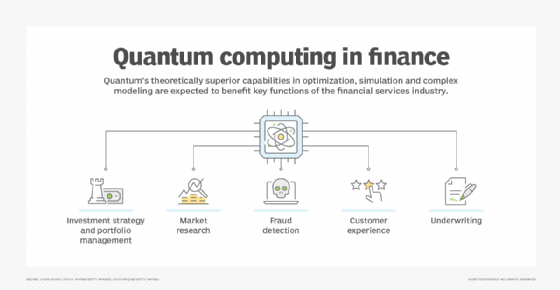
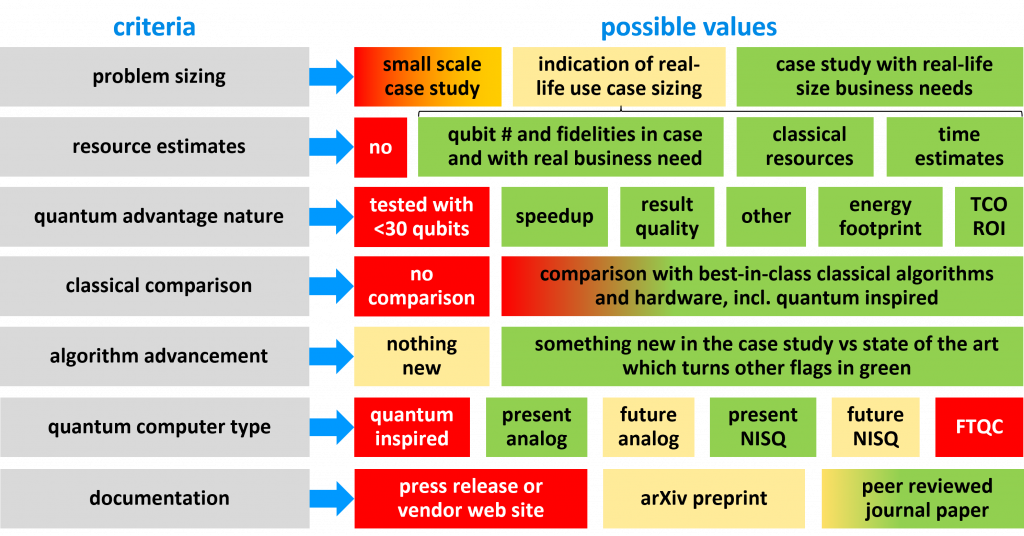
Industry-led proof-of-concept studies are already demonstrating quantum computing's potential to solve practical challenges across various sectors[1]. These projects, facilitated by organizations like the UK's National Quantum Computing Centre (NQCC), provide a snapshot of current capabilities.
- Financial Services: A consortium explored quantum machine learning (QML) for credit card fraud detection[1]. Using quantum restricted boltzmann machines, the model showed competitive performance on a highly imbalanced dataset, achieving promising results with no false negatives and very few false positives[1].
- Healthcare: One project improved the classification of cancer cell types from liquid biopsies using a quantum support vector machine (QSVM)[1]. The quantum classifier successfully distinguished between cancer pairs, in some cases outperforming a classical deep neural network[1].
- Energy & Sustainability: To help advance climate goals, a project explored using quantum optimization to determine the optimal layout of turbines within an offshore wind farm to maximize energy production[1]. The problem was successfully implemented on photonic quantum hardware[1].
- Aerospace: A study assessed the feasibility of running Computational Fluid Dynamics (CFD) simulations on quantum hardware for aerodynamic design[1]. The results showed that measurement errors from current hardware had a negligible effect on simulation accuracy, preserving the performance advantage without sacrificing reliability[1].
Managing Quantum Risk: The Ticking Clock of Cybersecurity
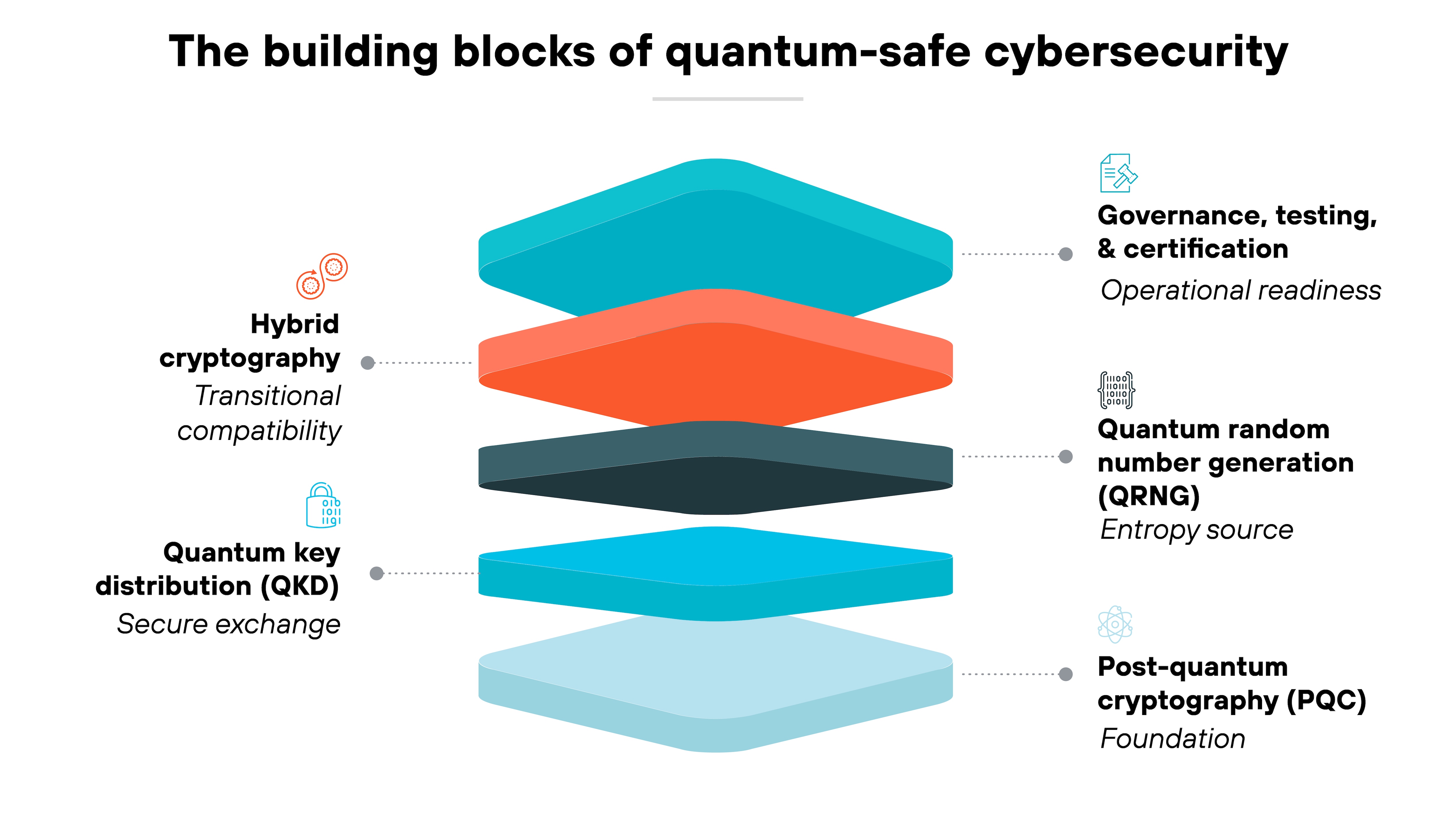
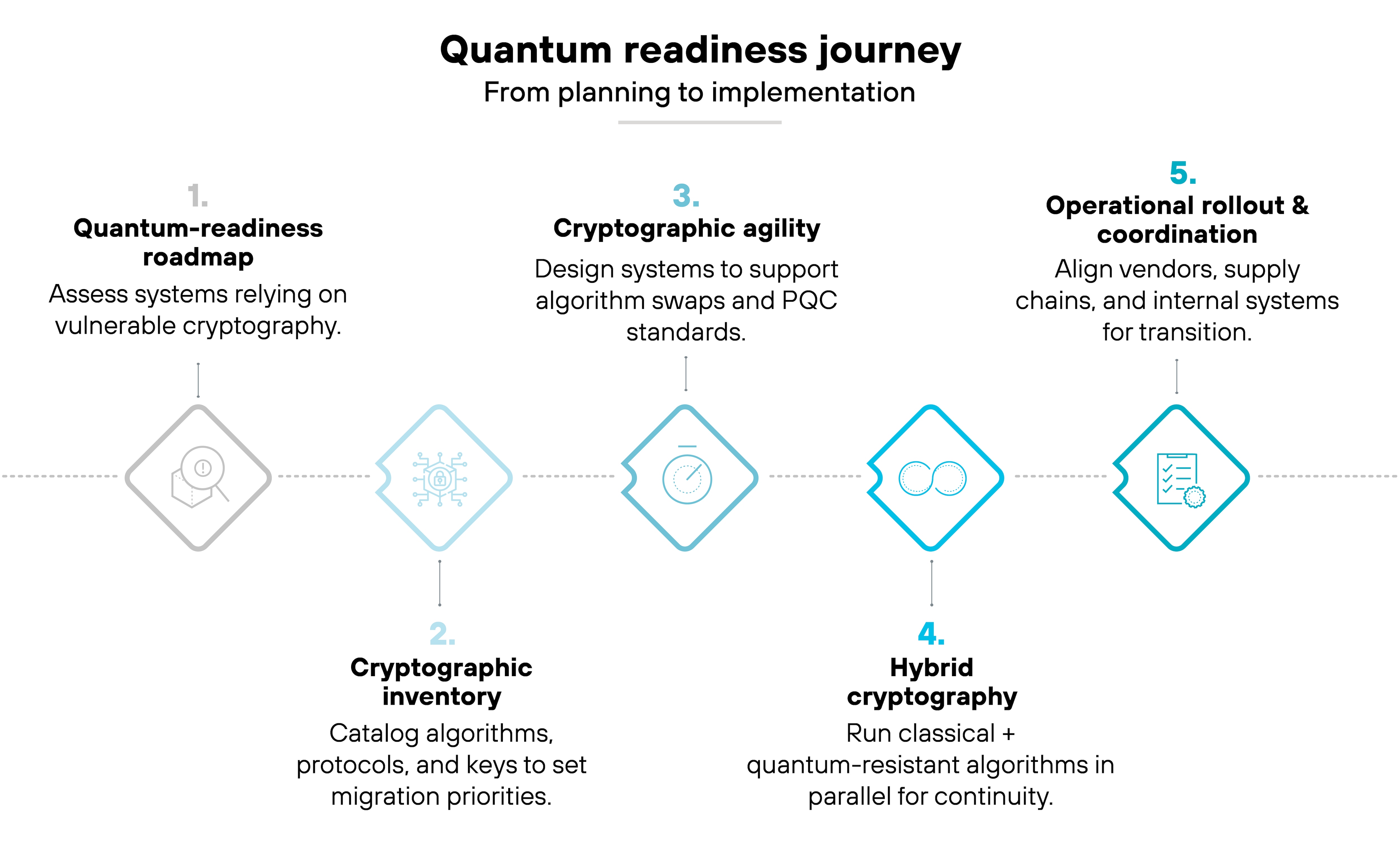
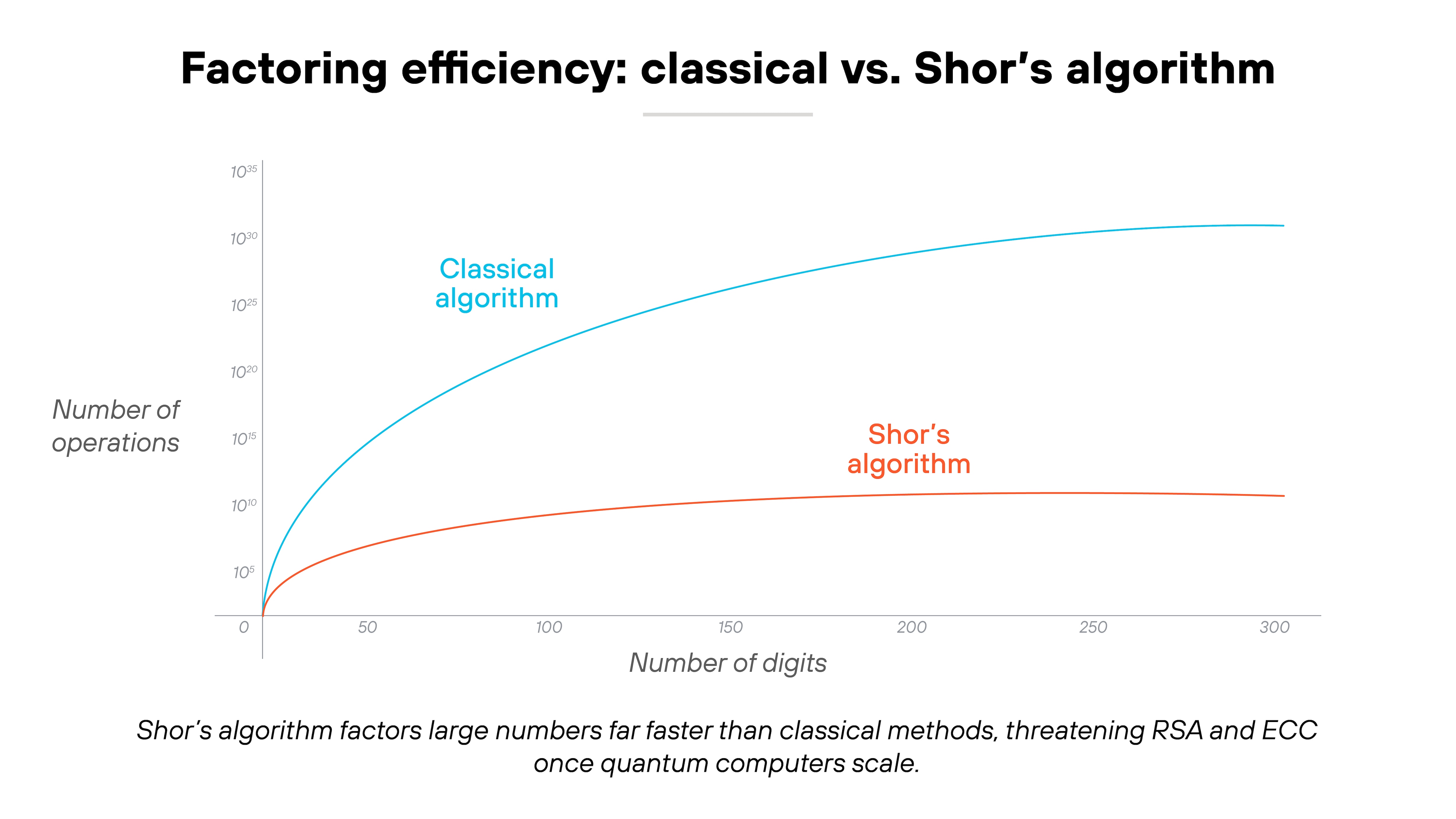
The immense power of quantum computing presents an urgent and unavoidable threat to cybersecurity[5]. Leaders must prepare for the 'encryption cliff,' a point where quantum computers could break current encryption standards, making our digital world unsecure almost all at once[4]. This threat is amplified by the 'harvest now, decrypt later' strategy, where adversaries are capturing encrypted data today with the intent of breaking it once a powerful quantum computer is available[5]. The solution is Post-Quantum Cryptography (PQC), a new generation of encryption standards designed to be secure against attacks from both classical and quantum computers[5]. The U.S. National Institute of Standards and Technology (NIST) finalized its first set of PQC standards in August 2024[10]. A robust Quantum Risk Management (QRM) program begins with governance; boards must formally recognize quantum exposure as a critical strategic risk[2]. Key functions must be involved:
1. Security Architecture must create an inventory of where vulnerable algorithms are deployed to plan the transition[2].
2. Enterprise Risk Management (ERM) must integrate quantum risk into the enterprise risk register and define key risk indicators (KRIs) to measure exposure and progress[2].
3. Legal and Records Management must identify which records require long-term confidentiality and assess compliance obligations[2].
4. Product Engineering must design cryptographic agility into products, especially those with long service lives like IoT and medical devices, to allow for future updates[2].
A Practical Roadmap for Quantum Readiness
For C-suite leaders, the focus should not be on the technical details of hardware but on identifying 'quantum-ready' problems within the organization[5]. This problem-first approach grounds strategy in tangible business value[5]. Leaders should ask, 'Where are we currently relying on ‘good enough’ approximations instead of optimal solutions?'[5]. While the technology is emerging, the time for strategic planning is now. The global quantum computing market is projected to grow to USD 5.3 billion by 2029, and some companies already expect to invest over $15 million annually[10][3]. To prepare, leaders should:
- Leverage Cloud Platforms: The rise of Quantum-as-a-Service (QaaS) from providers like AWS, Azure, and IBM democratizes access, allowing companies to experiment and develop algorithms without massive capital expenditure[5].
- Build Talent: There is a significant quantum skills gap; McKinsey predicts that by 2025, fewer than half of quantum jobs will be filled[3]. Businesses must build a quantum-ready workforce by training existing employees, recruiting specialists, and collaborating with academic institutions[8].
- Develop a Roadmap: Proactively prepare for the transition to post-quantum cryptography. Consult technology partners to understand their roadmaps and identify whether legacy IT needs to be replaced sooner than planned, ensuring appropriate budget allocation[4].
Veamos alternativas:
- Modifica la consulta.
- Inicia un nuevo hilo.
- Eliminar fuentes (si se han agregado manualmente).
A Princess Of Mars - Short Movie
Transcripción
A Princess Of Mars /media/short_movies/600/259032_movie.mp4 Poster: /media/short_movies/600/259032_poster.png
Veamos alternativas:
- Modifica la consulta.
- Inicia un nuevo hilo.
- Eliminar fuentes (si se han agregado manualmente).
Famous Migrating Animals











Veamos alternativas:
- Modifica la consulta.
- Inicia un nuevo hilo.
- Eliminar fuentes (si se han agregado manualmente).
How do speedrunning communities operate?
Veamos alternativas:
- Modifica la consulta.
- Inicia un nuevo hilo.
- Eliminar fuentes (si se han agregado manualmente).
Crea tu cuenta para adaptar este feed a lo que buscas y disfrutas.
The Role of Animal Mound Builders in Ecosystems
The Role of Animal Mound Builders in Ecosystems
Animal mound builders are widely recognized as "ecosystem engineers," a term used to describe any species that creates, significantly modifies, maintains, or destroys a habitat[51]. By constructing mounds, these animals alter the physical and chemical properties of their environments, having a disproportionately large impact relative to their abundance. Their activities shape soil structure, increase water retention, and promote vegetative growth, ultimately supporting enhanced plant productivity and increased biodiversity across various landscapes.
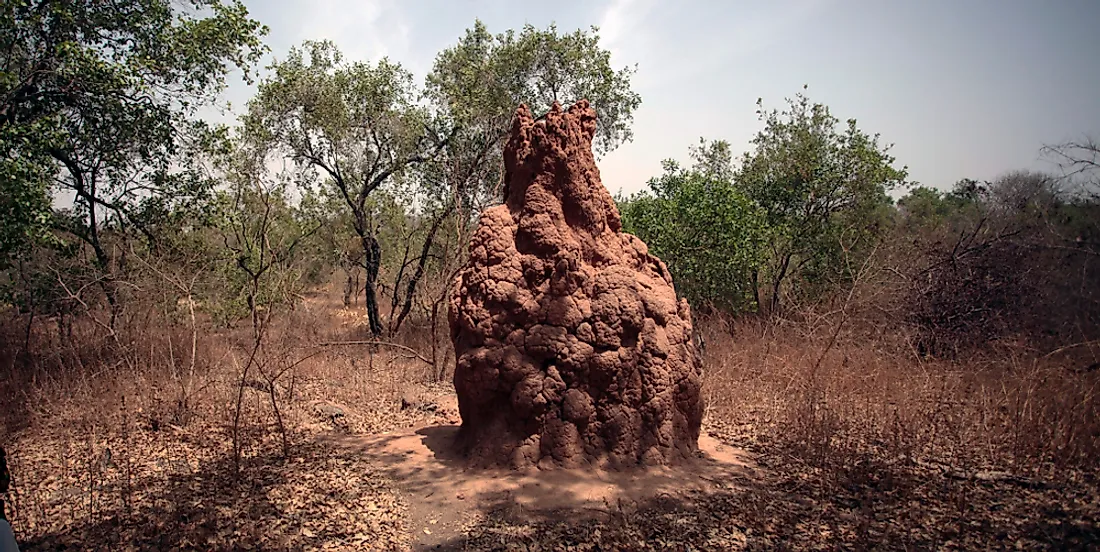
African Termite Mound
A towering termite mound in an African savanna, showcasing the massive scale of these insect-built structures.


Bioturbation and Soil Enrichment
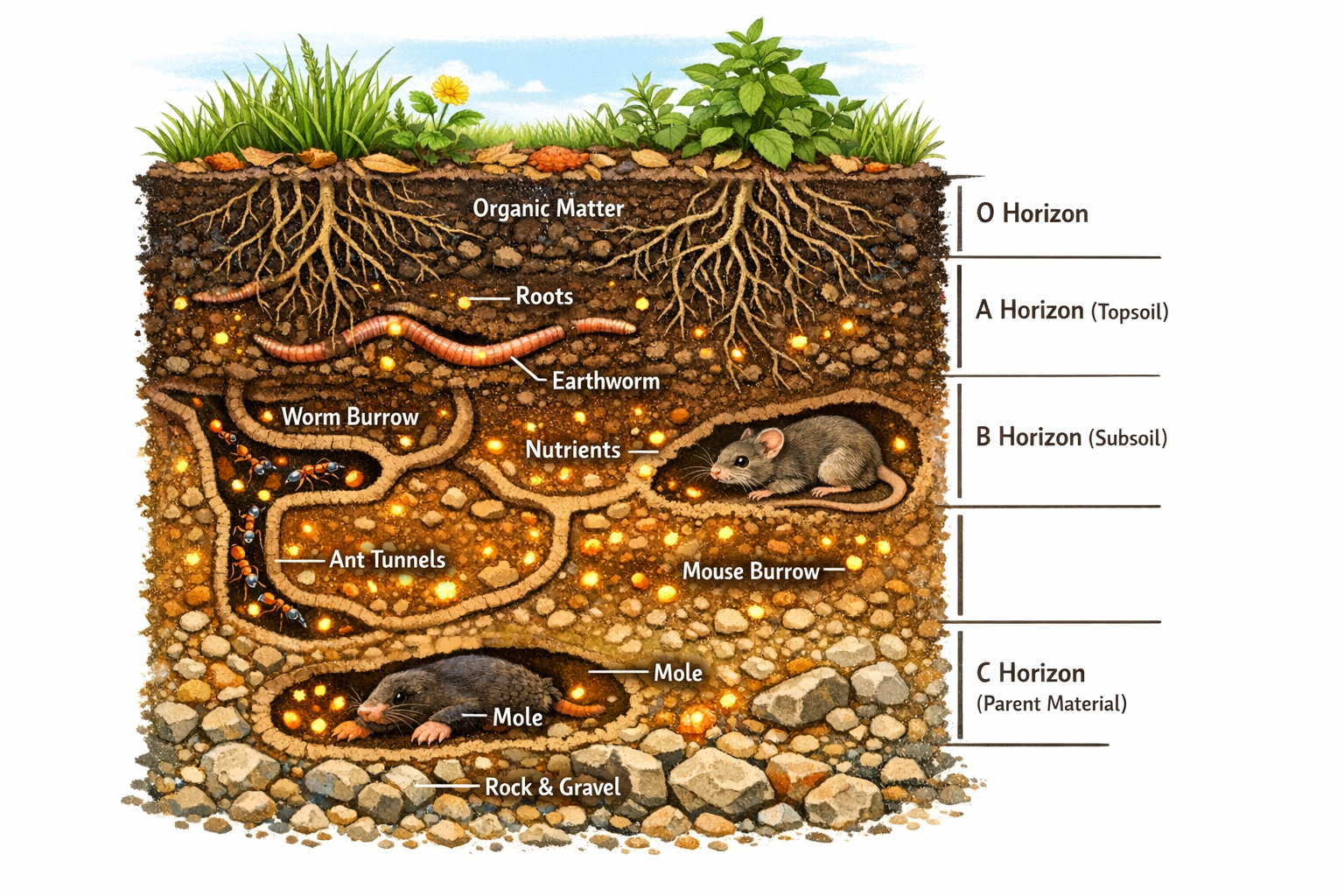
The primary mechanism by which mound builders engineer their environment is bioturbation, which is defined as the reworking of soils and sediments by animals or plants. This process includes the burrowing, ingestion, and defecation of sediment grains, effectively mixing soil components and the organic matter that binds them together[14]. By moving earth, these animals alter the physical and chemical properties of the soil, creating nutrient-rich hotspots often referred to as "resource islands"[39][48].
Bioturbation has several cascading effects on the ecosystem. It improves soil aeration, water infiltration, and overall soil stability by counteracting consolidation and creating stable pores that allow air and water to access deeper soil layers[14][50]. This enhanced soil structure and nutrient availability directly support greater plant diversity and growth in the immediate vicinity of the mounds[30][32].
Abstract Representation of Bioturbation
An illustration showing the cross-section of soil being mixed and aerated by various burrowing animals.
Insect Architects: Termites and Ants
Termites and ants are among the most prolific and impactful mound builders. Termite mounds are rich in macro and micronutrients because the insects collect, ingest, and excrete organic materials, significantly enhancing exchangeable cations like potassium, calcium, and magnesium[5]. Studies show that mound soils possess significantly higher contents of organic carbon, nitrogen, and phosphorus compared to adjacent soils. Furthermore, termite mounds host highly adapted microbial communities that contribute to nutrient availability through carbon fixation, nitrogen fixation, and phosphate solubilization.
Because of their high fertility, termite mound soils are actively used by smallholder farmers in regions like Africa and Asia to fertilize crops and increase agricultural production sustainably[5]. Experiments using termite soil in potting media for marigolds have shown significantly improved plant spread, weight, and flower yield, proving its commercial viability[10]. The complex system of tunnels within these mounds also maintains a stable internal climate, offering shelter to various animals such as monitor lizards, mongooses, and wild dogs[22].
Ant mounds, such as those built by Allegheny mound ants, are carefully constructed to regulate temperature for brood development. Ants transport organic material and dead animals into their mounds, enhancing soil nutrients and raising local temperatures to create small "oases"[21]. This elevated surface temperature alters the local microclimate, causing plants on the mounds to experience earlier stem elongation and flowering, which can result in prolonged flowering seasons for the local ecosystem.
Inside the World of Termite Mounds
Educational videos exploring the complex architecture and ecological impact of termite mounds.
Mammalian and Reptilian Excavators
Beyond insects, numerous mammals and reptiles construct mounds that serve critical ecological functions. Prairie dogs dig extensive burrow systems in grasslands, creating mounds that aerate the soil, enhance water infiltration, and redistribute nutrients[26][27]. These nutrient-rich islands promote the growth of nutritious vegetation that benefits grazing animals, while the open patches serve as nesting and shelter sites for species like mountain plovers, burrowing owls, and black-footed ferrets[28].
Similarly, pocket gophers excavate soil and deposit it on the surface, creating bare patches that are later colonized by competitively inferior plant species. This disturbance process increases forb cover and overall plant diversity by improving nutrient turnover and altering water dynamics[30][32]. Other mammalian engineers include moles, which create conical molehills during foraging, and Vancouver Island marmots, whose large soil and rock mounds are utilized by various other species[37][38].
In the reptile world, the gopher tortoise excavates deep burrows, forming a "burrow apron" of displaced sandy soil[19]. This structure provides a microhabitat and refuge used by more than 350 other species, including frogs, snakes, and invertebrates, to escape harsh conditions and predators[45]. Slater's skink, a desert-dwelling lizard, also constructs multi-entrance burrow systems in soil mounds to regulate microclimate and provide shelter[36].
Avian and Aquatic Mound Builders
Mound building is not restricted to terrestrial insects and mammals; it is also prevalent among certain birds and aquatic species. Birds in the Megapodiidae family, such as malleefowl and brush-turkeys, collect soil and decaying vegetation to form large incubation mounds for their eggs[17]. The microbial decomposition within these mounds regulates temperature for egg development while inadvertently redistributing nutrients, altering local soil chemistry, and influencing fire patterns[18].
In aquatic environments, crawfish push mud to the surface while burrowing, creating distinct mounds that aerate the soil and promote nutrient cycling[33]. Male pufferfish build elaborate circular sand mounds on the seafloor to serve as spawning sites, modifying local sediment structure and hydrodynamics[35]. Mudskippers excavate burrows with turret-like mounds on coastal mudflats, providing refuge from predators and oxygenating the sediment[34]. Beavers, while known primarily for dams, also construct lodges with excavated earth that transform river habitats into wetlands, supporting diverse aquatic life[35].
| Species Group | Examples | Primary Ecosystem Role |
|---|---|---|
| Insects | Termites, Ants | Soil enrichment, nutrient cycling, microclimate regulation, microbial hosting. |
| Mammals | Prairie Dogs, Pocket Gophers, Moles, Marmots | Soil aeration, water infiltration, habitat creation for other species, plant diversity promotion. |
| Reptiles | Gopher Tortoises, Slater's Skink | Creation of keystone habitats and refugia for hundreds of commensal species. |
| Birds | Megapodes (Malleefowl, Brush-turkeys) | Nutrient redistribution, soil chemistry alteration, incubation via decomposition. |
| Aquatic/Amphibious | Crawfish, Pufferfish, Mudskippers, Beavers | Sediment oxygenation, hydrodynamic modification, wetland creation. |
Conservation Implications and Ecosystem Stability
Because of their significant impact, many mound-building ecosystem engineers are considered keystone species, meaning their removal can cause the ecosystem to change dramatically or cease to exist altogether[44]. The loss of a keystone mound builder can trigger a destabilizing trophic cascade[47]. For instance, the historical elimination of gray wolves from the Greater Yellowstone Ecosystem led to an explosion in the elk population, which then overgrazed riparian zones, negatively affecting beaver populations and stream bank stability[43].
Recognizing the profound impact of these species, conservationists increasingly use the reintroduction of keystone species as a tool to restore important ecosystem processes[40]. The successful reintroduction of wolves to Yellowstone helped the beaver population and the entire riparian ecosystem recover dramatically. However, such efforts can be challenging due to a lack of peer-reviewed literature on ecosystem-level effects, and it may take years to fully understand the rate of restoration[40]. Protecting these species requires managing conflicts with human activities, such as agriculture, and collaborating closely with landowners, Indigenous communities, and government agencies to implement policies that promote coexistence[47].
Conclusion
Animal mound builders play an indispensable role in shaping and maintaining the health of global ecosystems. Through the continuous process of bioturbation, these diverse species enrich soils, regulate microclimates, and create vital spatial mosaics of microhabitats that support countless other organisms[15][31]. Identifying and protecting these ecosystem engineers is critical for preserving biodiversity, maintaining nutrient cycling, and ensuring overall ecological resilience for the future[44].
Veamos alternativas:
- Modifica la consulta.
- Inicia un nuevo hilo.
- Eliminar fuentes (si se han agregado manualmente).
The Devil Sunrise: Nature's Fiery Spectacle
Veamos alternativas:
- Modifica la consulta.
- Inicia un nuevo hilo.
- Eliminar fuentes (si se han agregado manualmente).
The Island Of Doctor Moreau - Short Movie
Transcripción
The Island Of Doctor Moreau /media/short_movies/599/258290_movie.mp4 Poster: /media/short_movies/599/258290_poster.png
Veamos alternativas:
- Modifica la consulta.
- Inicia un nuevo hilo.
- Eliminar fuentes (si se han agregado manualmente).

Sky Phenomena Beyond Rainbows
Veamos alternativas:
- Modifica la consulta.
- Inicia un nuevo hilo.
- Eliminar fuentes (si se han agregado manualmente).