AI’s biggest shifts this week are not just new models, but new rules, new jobs, and new pressure on how systems are built. Here are 4 must-know moves shaping the next phase of AI today.[2][4][11][21]
🧵 1/6
EU AI Act update: negotiators reached a provisional deal on the Digital Omnibus on AI, delaying some high-risk deadlines to 2027 and 2028 and adding new bans on non-consensual intimate imagery and CSAM.[4] Big relief for compliance teams, bigger pressure on misuse controls.
🧵 2/6
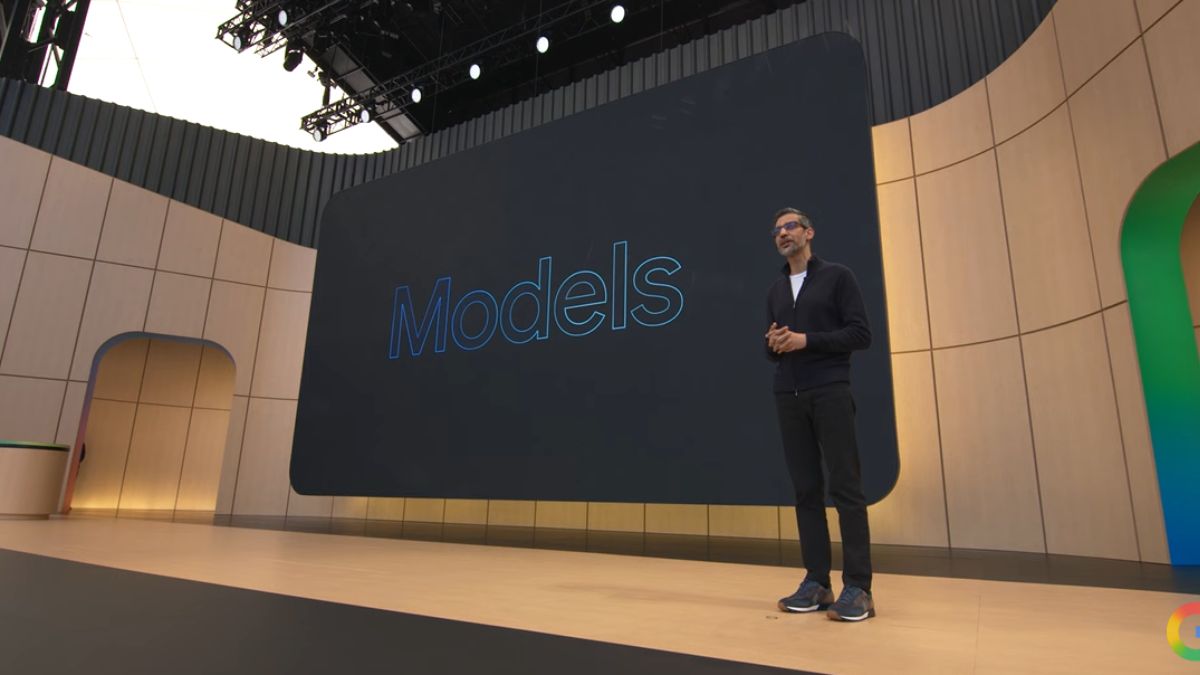
Google I/O 2026: Google says Gemini 3.5 Flash is faster, Gemini users jumped from about 400M to 900M+ in a year, and new agent tools like Gemini Spark and an Android XR smart-glasses push are on the way.[9][21] The race is moving from chat to action.
🧵 3/6
Meta is cutting about 8,000 jobs and shifting 7,000 more roles toward AI projects, a stark sign that big tech is reorganizing around model building and deployment.[11] Is this the clearest proof yet that AI spending is changing the org chart?
🧵 4/6
Colorado has now signed a revised AI law that replaces its earlier high-risk framework with ADMT rules for consequential decisions, including notice, explanation, and meaningful human review.[5] State-by-state AI governance is getting more practical and more specific.
🧵 5/6
Which of these AI shifts matters most to you: tighter rules, faster models, or the jobs reset? Reply with your take and retweet if you want a follow-up thread.[4][9][11][5]
🧵 6/6
Sign Up To Try Advanced Features
Get more accurate answers with Super Pandi, upload files, personalized discovery feed, save searches and contribute to the PandiPedia.