100
Why Bread Rises in the Oven

🧵 1/5

🧵 2/5
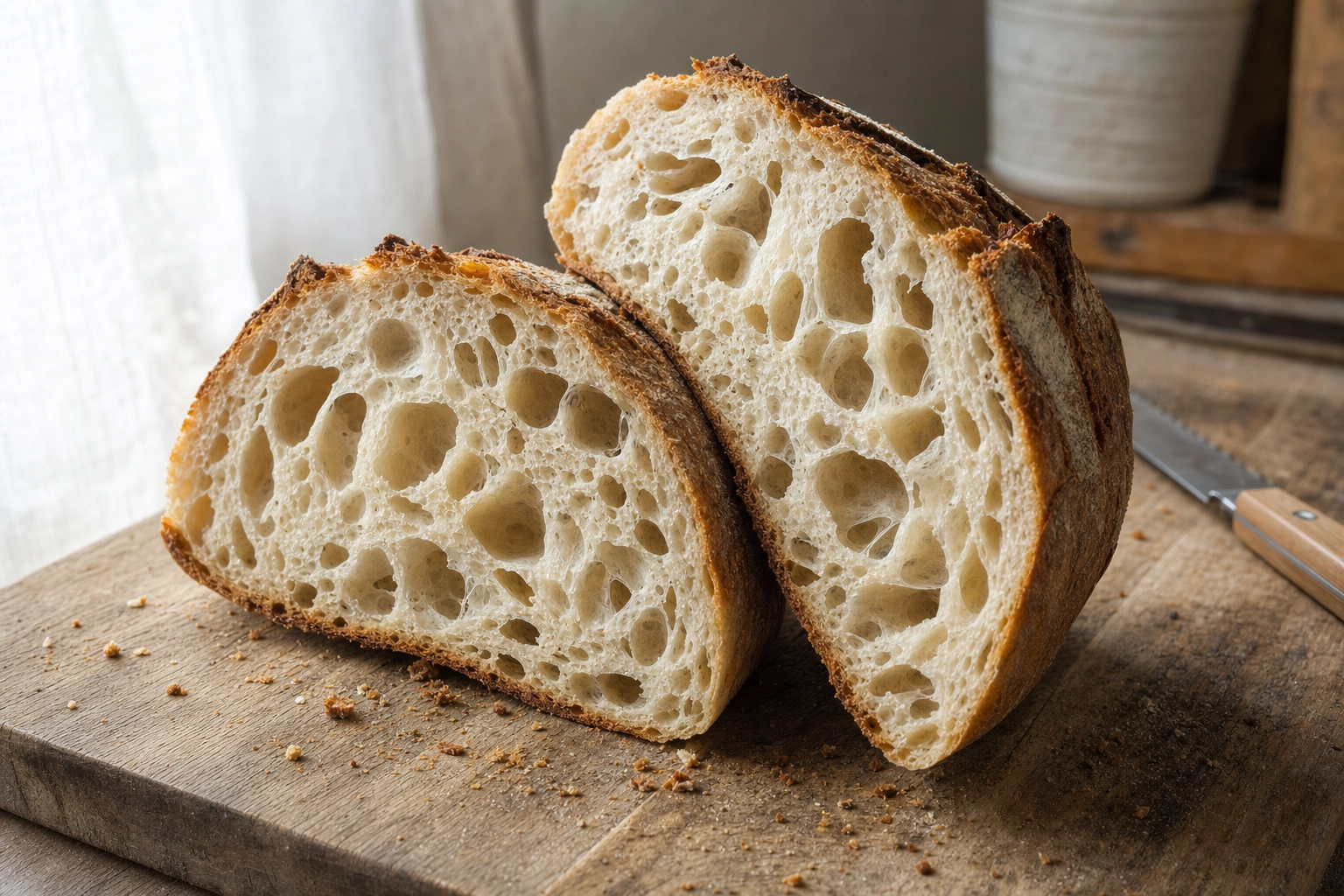
🧵 3/5
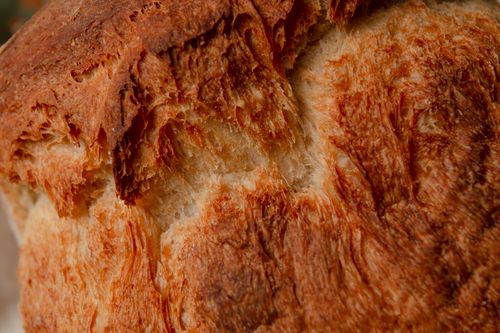
🧵 4/5
:max_bytes(150000):strip_icc()/how-to-form-a-loaf-427573-hero-05-9c7df86e8e6346738a028899df029a9d.jpg "final baked loaves")
🧵 5/5
Save this answer
Create your account to keep this answer and continue from it later.
Sorry, Pandi could not find an answer.
Let's look at alternatives:
- Modify the query.
- Start a new thread.
- Remove sources (if manually added).
Related Content From The Pandipedia
Sourdough Bread: Nutritional Advantages and Digestive BenefitsWhy does popcorn pop, and why do some kernels stay unpopped?Test your kitchen chemistry knowledge 🍳Covington: when a redistricting remedy is federal, and when it is notWhy your compost pile stinks (and how to fix it)Why pop-up toasters know when to stopWhat causes brain freeze and why does it hurt so much?https://goedbewaren.nl
What causes brain freeze, and why does the pain feel like it is in yourHow derailleurs shift while pedalingWhy Is a Croissant Called Croissant?Why do onions make you cry, and how can you stop it?AI model releases are moving fastHow can you crisp up stale bread, chips, or crackers at home and when should you