What were the key limitations of early electric carriages in the 1830s?
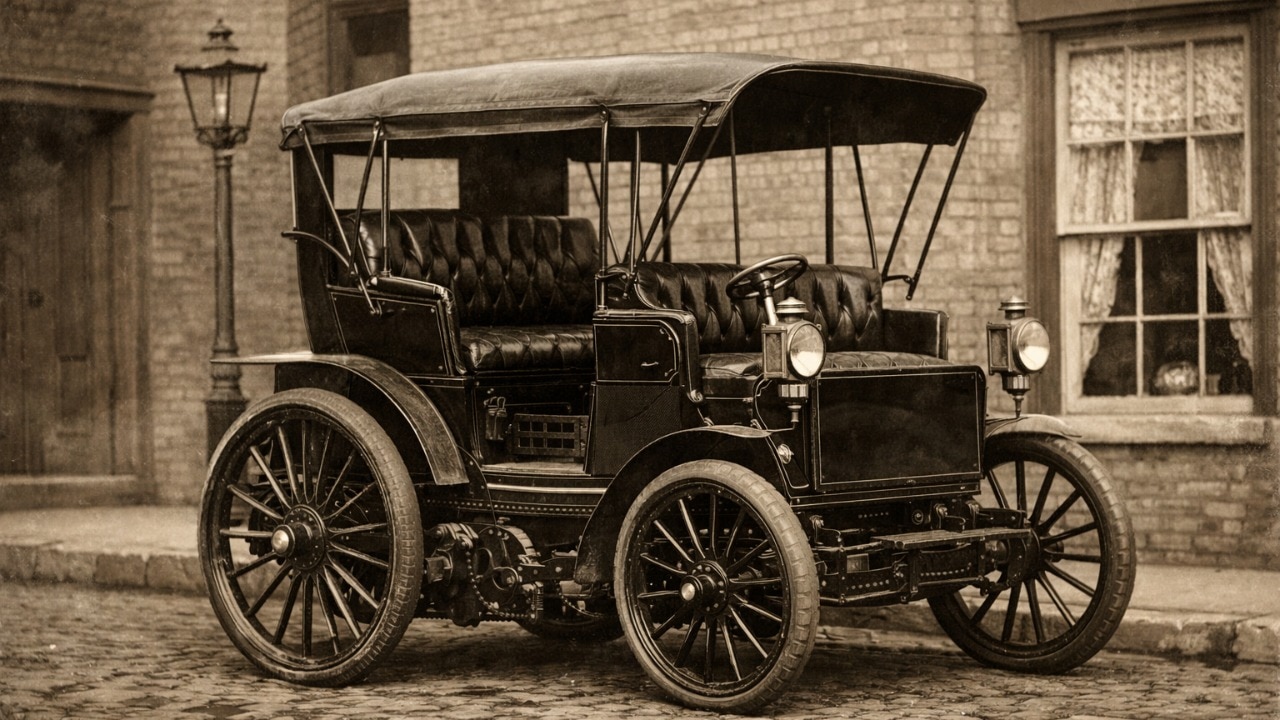
Early electric carriages in the 1830s faced significant limitations primarily due to their reliance on non-rechargeable batteries, which severely restricted their range and practicality. Robert Anderson’s electric carriage, for example, was powered by such batteries, making it more of a curiosity than a reliable transportation device as it lacked the capability for recharging[4].
Moreover, the heavy and expensive lead-acid batteries, which came later, further limited electric vehicles' range to about 40–80 kilometers per charge[3]. This technological immaturity, coupled with the absence of adequate charging infrastructure, hindered the development and widespread adoption of electric vehicles during that era[6].
Get more accurate answers with Super Pandi, upload files, personalized discovery feed, save searches and contribute to the PandiPedia.
Let's look at alternatives:
- Modify the query.
- Start a new thread.
- Remove sources (if manually added).
 Curated by Joan