
What role do micro-influencers play in spreading disinformation?
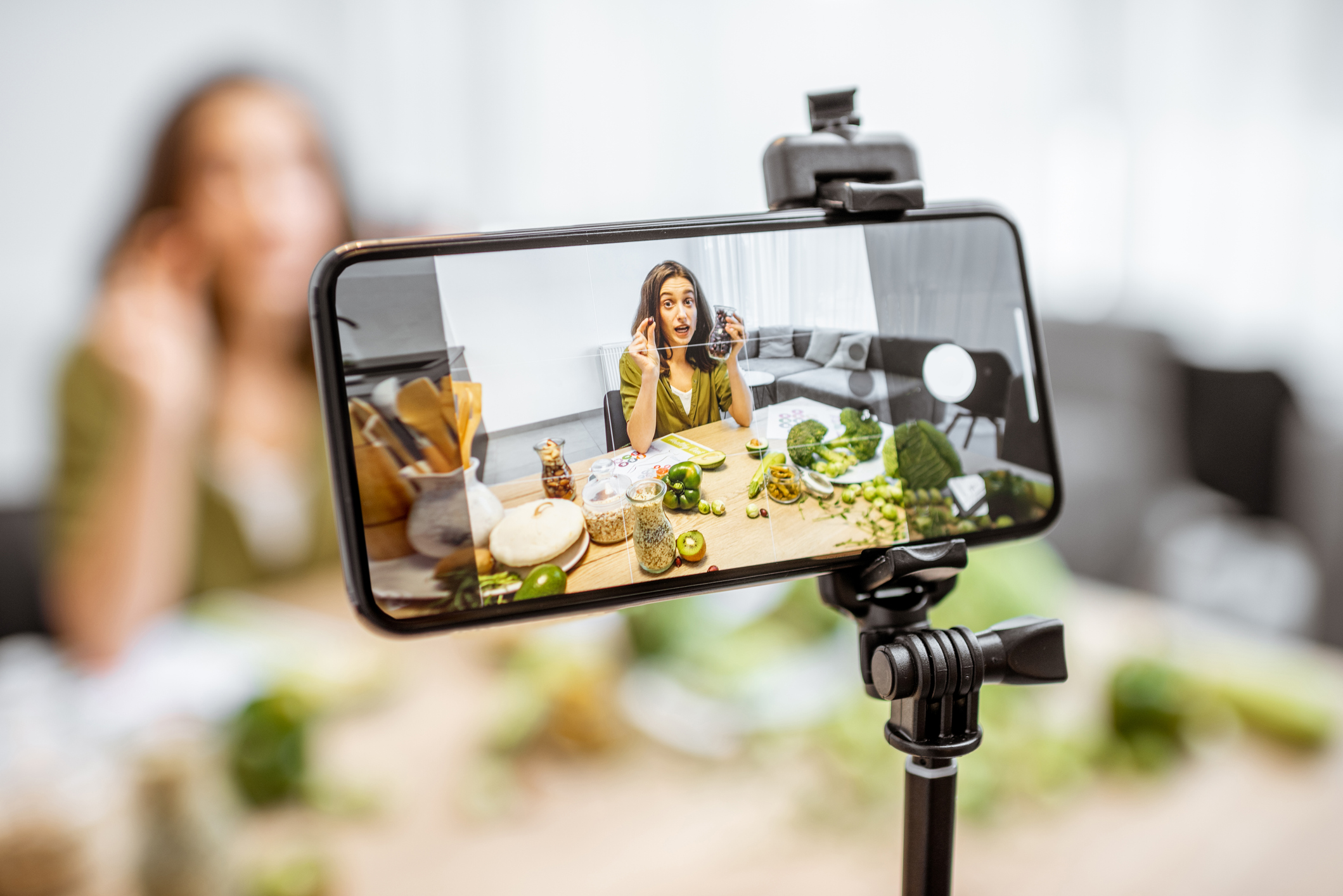
Micro-influencers, defined as creators with 25,000 followers or fewer, are increasingly utilized by political and commercial groups to spread false narratives, political messages, and disinformation[1]. Because traditional methods like bots or fake profiles are easily spotted, campaigns rely on these creators to give messaging the illusion of authenticity and a personal nature[2].
These creators are effective seeders of false information for several key reasons:
* Parasocial Trust: Followers build close, one-sided relationships with influencers over time, making them far less likely to question claims made by someone who feels like a trusted friend[3][4].
* Scope Creep and Lifestyle Integration: Influencers in spaces like health, wellness, and outdoor lifestyle often pivot into medical or political claims, weaving false narratives or unverified product endorsements directly into their daily content[5][6].
* Plausible Deniability: Operating outside traditional news organizations, influencers can utter outrageous claims under the guise of personal opinion or simply "asking questions," while third-party backers and creators often deny any coordination[7].
For brand and public vigilance, experts emphasize monitoring narrative velocity and early warning signs rather than just raw mention volume[8]. Key indicators of coordinated disinformation include synchronized low-follower account activity, cross-platform spread within a short window, and narrative clustering around specific false claims[9]. Organizations are advised to maintain dedicated misinformation watchlists, track acceleration patterns rather than waiting for mainstream media pickup, and carefully document evidence trails with timestamps and URLs before taking action[10].
Would you also like to know how AI-powered tools detect narrative velocity and clustering before misinformation spreads?Answer complete. One follow-up option available.
Let's look at alternatives:
- Modify the query.
- Start a new thread.
- Remove sources (if manually added).