What are the propellant and energy implications for conjunction-class versus opposition-class Mars missions?
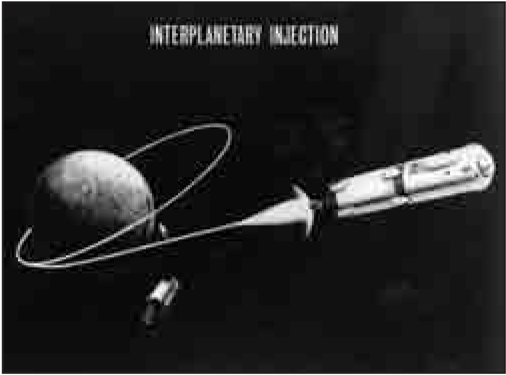
Conjunction-class Mars missions use low-energy transfers both to and from Mars, so they need less propellant, but they spend much longer in flight and on the surface, with a Mars stay of roughly 500 days and a total mission of about 1,000 days.[1] Opposition-class missions use one low-energy transfer and one high-energy transfer, so they need more propellant, but they have a much shorter Mars stay, typically less than 30 days, and a total mission of about 600 days.[1] The source also notes that, in purely propulsive terms, an opposition-class mission can require more than 10 times as much propellant as a conjunction-class mission.[1]
Get more accurate answers with Super Pandi, upload files, personalized discovery feed, save searches and contribute to the PandiPedia.
Let's look at alternatives:
- Modify the query.
- Start a new thread.
- Remove sources (if manually added).