Ethical Issues in AI-Driven Comedy
The Ethical Landscape of AI in Comedy
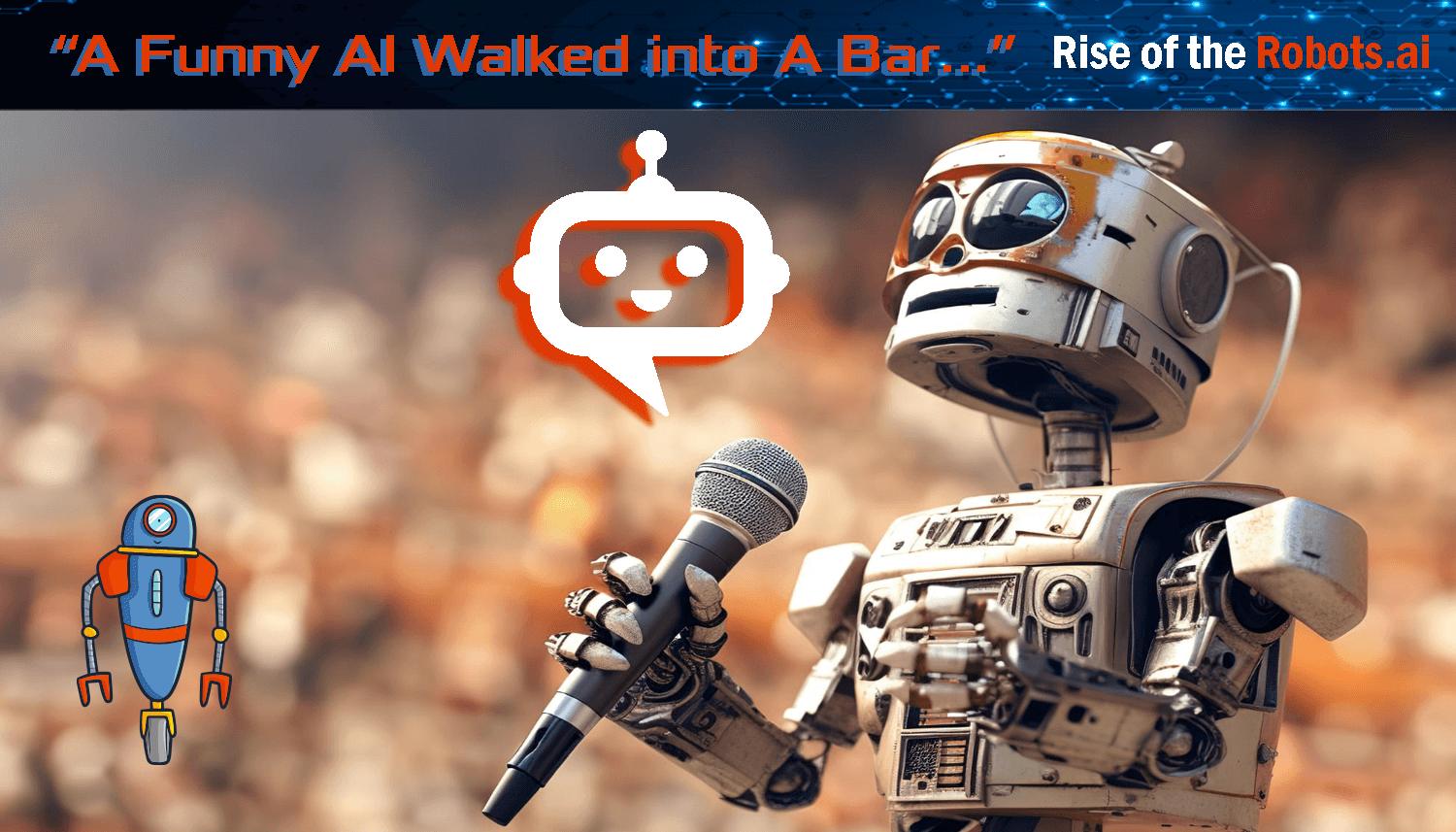
As artificial intelligence (AI) increasingly influences the realm of comedy, significant ethical considerations come into focus[2]. These concerns encompass a range of issues, including the potential displacement of human comedians, the imperative to ensure inclusivity and prevent offensive humor, and the intricate challenges surrounding intellectual property and ownership of AI-generated comedic content[1][1]. Addressing these ethical dimensions is crucial for fostering a responsible and innovative future for AI in comedy[7][19].
Impact on Human Comedians
The rise of AI-generated humor brings about concerns regarding the potential displacement of human comedians within the entertainment sector[1][2]. As AI-driven robo-comedians become more proficient, it is essential to consider the ensuing implications for human performers[1]. One strategy involves adopting a hybrid approach, leveraging the strengths of both AI and human comedians to foster collaboration and synergy[1]. AI-generated jokes could serve as inspiration for human comedians, enabling them to refine or adapt the material to suit their unique styles and audience preferences[1]. Despite AI's increasing capabilities, it is unlikely to completely replace the unique attributes of human comedians, including their ability to connect with audiences, convey emotions, and respond to real-time feedback[1][3]. As Turing noted, machines may eventually compete with humans in intellectual fields, but the human touch remains irreplaceable in humor[1].
Ensuring Inclusivity and Preventing Offensive Humor
Another critical ethical consideration involves the importance of promoting inclusivity and preventing offensive content in AI-generated humor[1][2]. AI models are trained on large datasets that may contain biased or offensive material, making it essential to address these concerns during the training phase[1]. Robust filtering mechanisms are needed to identify and remove potentially offensive content from training data[1]. OpenAI, for example, has implemented a moderation system in their API to prevent the generation of content that violates their usage policies[1]. Furthermore, fairness and bias mitigation techniques can be incorporated into AI models to ensure that the generated humor does not disproportionately target or marginalize specific groups[1]. Researchers have developed fairness metrics and debiasing methods, such as Equalized Odds and Demographic Parity, which can be integrated into the AI training process[1].
Intellectual Property and Joke Ownership
The issue of intellectual property (IP) and joke ownership grows increasingly complex as AI-generated humor gains prominence[1]. Traditional copyright laws may not adequately address the unique challenges posed by AI-generated content, potentially leading to disputes over joke authorship and infringement claims[1]. One approach to resolving these concerns is to recognize AI-generated humor as derivative work, with ownership attributed to the human creators who designed and trained the AI model[1]. This aligns with the United States Copyright Office's stance that works created by machines without human creative input are not eligible for registration[1]. However, as AI-generated humor becomes more sophisticated and autonomous, it may be necessary to revisit and recalibrate existing IP frameworks[1]. The European Parliament, for instance, has suggested granting certain legal rights to AI systems[1].
Transparency and Responsible AI Development
Transparency in AI algorithms is crucial to mitigate risks and enhance trust[1][15]. Transparency helps in understanding how AI systems generate jokes and make decisions, ensuring accountability and preventing unintentional biases[1]. Without understanding the decision-making process, addressing potential biases and ethical concerns becomes challenging[1]. To promote responsible AI development, it is essential to establish clear guidelines and regulations regarding the use of AI in comedy[1]. These guidelines should address issues such as data privacy, algorithmic bias, and accountability, ensuring that AI technologies are used ethically and for the benefit of society[1][2].
Cultural Sensitivity and Misinterpretation


AI's ability to grasp humor across diverse cultures poses a significant challenge[7][2][19]. Humor is deeply intertwined with cultural and contextual nuances, which AI systems may struggle to understand fully[1][7]. This limitation raises the risk of unintentional offense or misinterpretation when AI-generated jokes are presented to audiences from different cultural backgrounds[1][2]. The AI must be amusing, require knowledge of cultural references and context, as well as intuition and spontaneity[3]. Therefore, ongoing research and development are needed to create AI models that are more sensitive to cultural differences and capable of generating humor that is appropriate and enjoyable for a global audience[1][7].
Economic and Labor Market Implications

The use of AI in comedy impacts the labor market for human comedians and comedy writers[1][2][15]. As AI becomes more capable of generating comedic material, there are concerns about job displacement and reduced opportunities for human professionals[1][2]. However, AI may also create new opportunities, such as collaborative roles where humans and AI work together to produce innovative and engaging comedic content[1][7][15]. To navigate these economic shifts, it is important to provide training and support for human comedians and writers, enabling them to adapt to the changing landscape and leverage AI as a tool to enhance their creativity and productivity[1][7].
Potential for Misuse and Malicious Applications
There is a risk that computational humor systems could be misused for malicious purposes, such as cyberbullying, harassment, or spreading misinformation[1][2]. AI could be used to generate jokes for malicious intent[1]. Ethical considerations are paramount to responsible AI development[1][12]. Therefore, it is essential to implement safeguards and monitoring mechanisms to prevent the misuse of AI in comedy and ensure that AI-generated content is not used to harm or deceive individuals or communities[1][2].
Get more accurate answers with Super Pandi, upload files, personalized discovery feed, save searches and contribute to the PandiPedia.
Let's look at alternatives:
- Modify the query.
- Start a new thread.
- Remove sources (if manually added).