The Role of Animal Mound Builders in Ecosystems
The Role of Animal Mound Builders in Ecosystems
Animal mound builders are widely recognized as "ecosystem engineers," a term used to describe any species that creates, significantly modifies, maintains, or destroys a habitat[51]. By constructing mounds, these animals alter the physical and chemical properties of their environments, having a disproportionately large impact relative to their abundance. Their activities shape soil structure, increase water retention, and promote vegetative growth, ultimately supporting enhanced plant productivity and increased biodiversity across various landscapes.
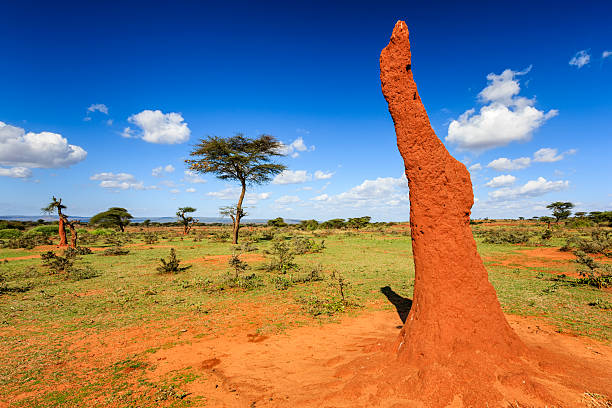
African Termite Mound
A towering termite mound in an African savanna, showcasing the massive scale of these insect-built structures.

Bioturbation and Soil Enrichment
The primary mechanism by which mound builders engineer their environment is bioturbation, which is defined as the reworking of soils and sediments by animals or plants. This process includes the burrowing, ingestion, and defecation of sediment grains, effectively mixing soil components and the organic matter that binds them together[14]. By moving earth, these animals alter the physical and chemical properties of the soil, creating nutrient-rich hotspots often referred to as "resource islands"[39][48].
Bioturbation has several cascading effects on the ecosystem. It improves soil aeration, water infiltration, and overall soil stability by counteracting consolidation and creating stable pores that allow air and water to access deeper soil layers[14][50]. This enhanced soil structure and nutrient availability directly support greater plant diversity and growth in the immediate vicinity of the mounds[30][32].
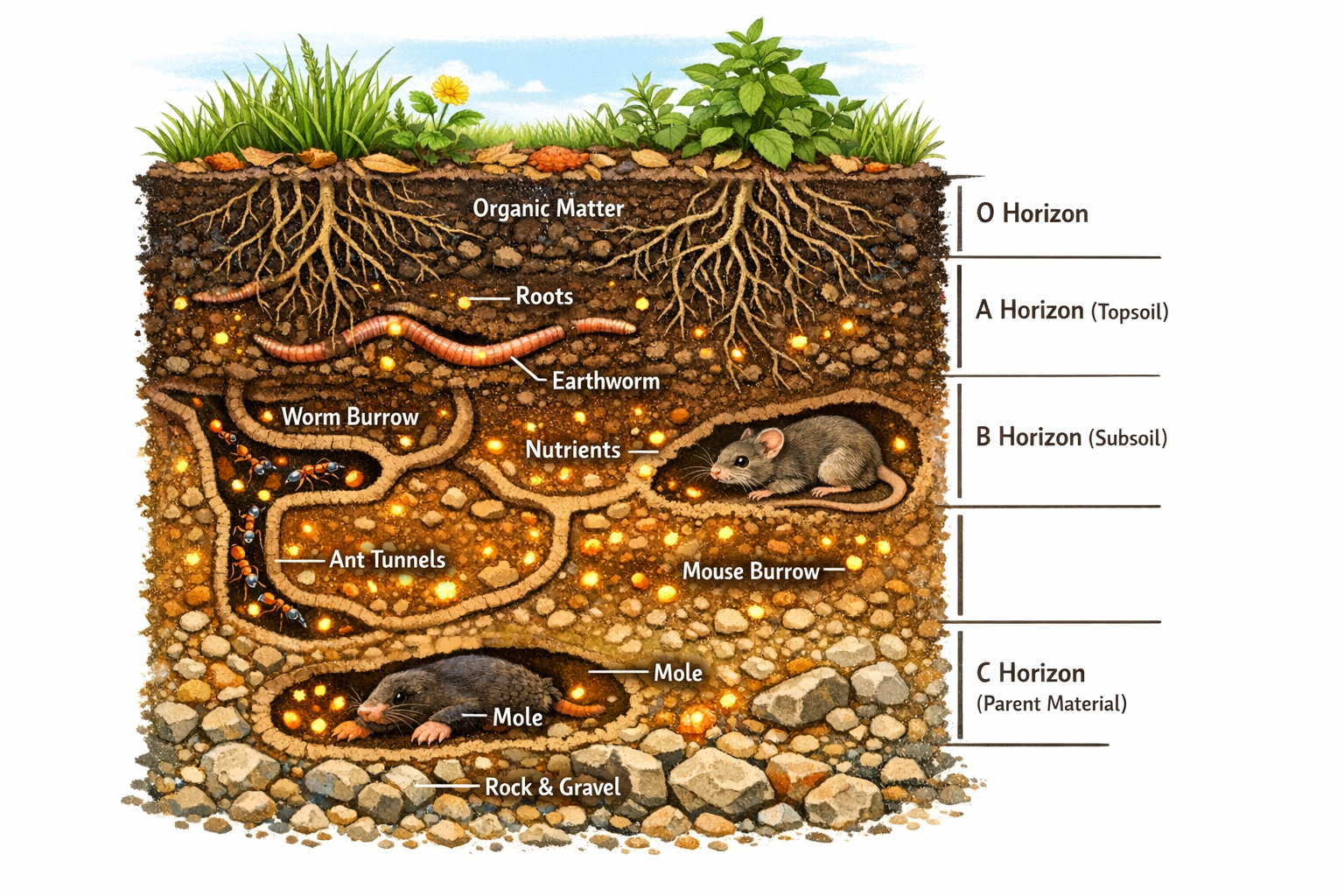
Abstract Representation of Bioturbation
An illustration showing the cross-section of soil being mixed and aerated by various burrowing animals.
Insect Architects: Termites and Ants
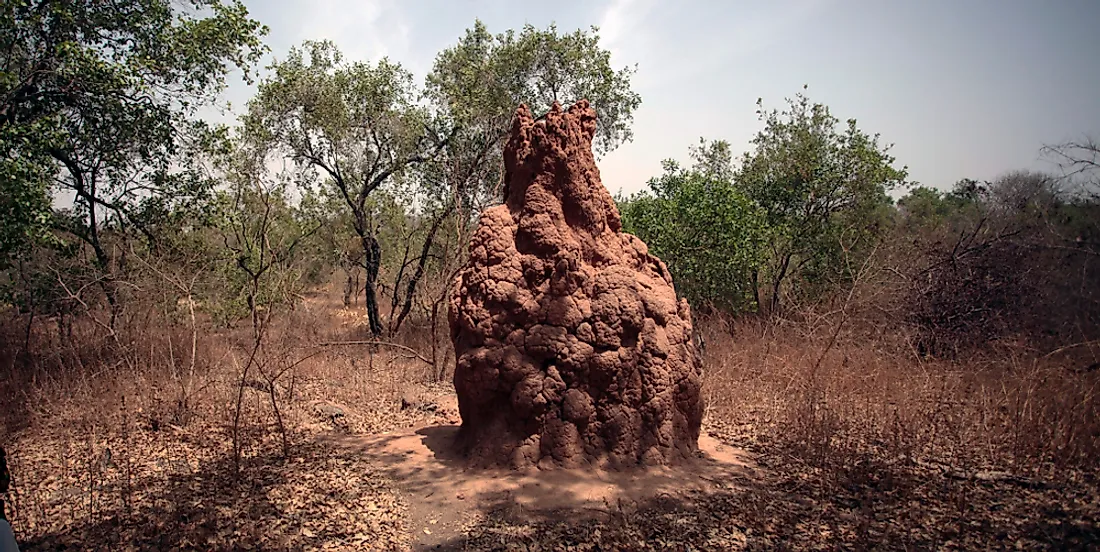
Termites and ants are among the most prolific and impactful mound builders. Termite mounds are rich in macro and micronutrients because the insects collect, ingest, and excrete organic materials, significantly enhancing exchangeable cations like potassium, calcium, and magnesium[5]. Studies show that mound soils possess significantly higher contents of organic carbon, nitrogen, and phosphorus compared to adjacent soils. Furthermore, termite mounds host highly adapted microbial communities that contribute to nutrient availability through carbon fixation, nitrogen fixation, and phosphate solubilization.
Because of their high fertility, termite mound soils are actively used by smallholder farmers in regions like Africa and Asia to fertilize crops and increase agricultural production sustainably[5]. Experiments using termite soil in potting media for marigolds have shown significantly improved plant spread, weight, and flower yield, proving its commercial viability[10]. The complex system of tunnels within these mounds also maintains a stable internal climate, offering shelter to various animals such as monitor lizards, mongooses, and wild dogs[22].
Ant mounds, such as those built by Allegheny mound ants, are carefully constructed to regulate temperature for brood development. Ants transport organic material and dead animals into their mounds, enhancing soil nutrients and raising local temperatures to create small "oases"[21]. This elevated surface temperature alters the local microclimate, causing plants on the mounds to experience earlier stem elongation and flowering, which can result in prolonged flowering seasons for the local ecosystem.
Inside the World of Termite Mounds
Educational videos exploring the complex architecture and ecological impact of termite mounds.
Mammalian and Reptilian Excavators
Beyond insects, numerous mammals and reptiles construct mounds that serve critical ecological functions. Prairie dogs dig extensive burrow systems in grasslands, creating mounds that aerate the soil, enhance water infiltration, and redistribute nutrients[26][27]. These nutrient-rich islands promote the growth of nutritious vegetation that benefits grazing animals, while the open patches serve as nesting and shelter sites for species like mountain plovers, burrowing owls, and black-footed ferrets[28].
Similarly, pocket gophers excavate soil and deposit it on the surface, creating bare patches that are later colonized by competitively inferior plant species. This disturbance process increases forb cover and overall plant diversity by improving nutrient turnover and altering water dynamics[30][32]. Other mammalian engineers include moles, which create conical molehills during foraging, and Vancouver Island marmots, whose large soil and rock mounds are utilized by various other species[37][38].
In the reptile world, the gopher tortoise excavates deep burrows, forming a "burrow apron" of displaced sandy soil[19]. This structure provides a microhabitat and refuge used by more than 350 other species, including frogs, snakes, and invertebrates, to escape harsh conditions and predators[45]. Slater's skink, a desert-dwelling lizard, also constructs multi-entrance burrow systems in soil mounds to regulate microclimate and provide shelter[36].
Avian and Aquatic Mound Builders
Mound building is not restricted to terrestrial insects and mammals; it is also prevalent among certain birds and aquatic species. Birds in the Megapodiidae family, such as malleefowl and brush-turkeys, collect soil and decaying vegetation to form large incubation mounds for their eggs[17]. The microbial decomposition within these mounds regulates temperature for egg development while inadvertently redistributing nutrients, altering local soil chemistry, and influencing fire patterns[18].
In aquatic environments, crawfish push mud to the surface while burrowing, creating distinct mounds that aerate the soil and promote nutrient cycling[33]. Male pufferfish build elaborate circular sand mounds on the seafloor to serve as spawning sites, modifying local sediment structure and hydrodynamics[35]. Mudskippers excavate burrows with turret-like mounds on coastal mudflats, providing refuge from predators and oxygenating the sediment[34]. Beavers, while known primarily for dams, also construct lodges with excavated earth that transform river habitats into wetlands, supporting diverse aquatic life[35].
| Species Group | Examples | Primary Ecosystem Role |
|---|---|---|
| Insects | Termites, Ants | Soil enrichment, nutrient cycling, microclimate regulation, microbial hosting. |
| Mammals | Prairie Dogs, Pocket Gophers, Moles, Marmots | Soil aeration, water infiltration, habitat creation for other species, plant diversity promotion. |
| Reptiles | Gopher Tortoises, Slater's Skink | Creation of keystone habitats and refugia for hundreds of commensal species. |
| Birds | Megapodes (Malleefowl, Brush-turkeys) | Nutrient redistribution, soil chemistry alteration, incubation via decomposition. |
| Aquatic/Amphibious | Crawfish, Pufferfish, Mudskippers, Beavers | Sediment oxygenation, hydrodynamic modification, wetland creation. |
Conservation Implications and Ecosystem Stability
Because of their significant impact, many mound-building ecosystem engineers are considered keystone species, meaning their removal can cause the ecosystem to change dramatically or cease to exist altogether[44]. The loss of a keystone mound builder can trigger a destabilizing trophic cascade[47]. For instance, the historical elimination of gray wolves from the Greater Yellowstone Ecosystem led to an explosion in the elk population, which then overgrazed riparian zones, negatively affecting beaver populations and stream bank stability[43].
Recognizing the profound impact of these species, conservationists increasingly use the reintroduction of keystone species as a tool to restore important ecosystem processes[40]. The successful reintroduction of wolves to Yellowstone helped the beaver population and the entire riparian ecosystem recover dramatically. However, such efforts can be challenging due to a lack of peer-reviewed literature on ecosystem-level effects, and it may take years to fully understand the rate of restoration[40]. Protecting these species requires managing conflicts with human activities, such as agriculture, and collaborating closely with landowners, Indigenous communities, and government agencies to implement policies that promote coexistence[47].
Conclusion
Animal mound builders play an indispensable role in shaping and maintaining the health of global ecosystems. Through the continuous process of bioturbation, these diverse species enrich soils, regulate microclimates, and create vital spatial mosaics of microhabitats that support countless other organisms[15][31]. Identifying and protecting these ecosystem engineers is critical for preserving biodiversity, maintaining nutrient cycling, and ensuring overall ecological resilience for the future[44].
Let's look at alternatives:
- Modify the query.
- Start a new thread.
- Remove sources (if manually added).