Pandipedia entry
AD
From Scene to Repeat

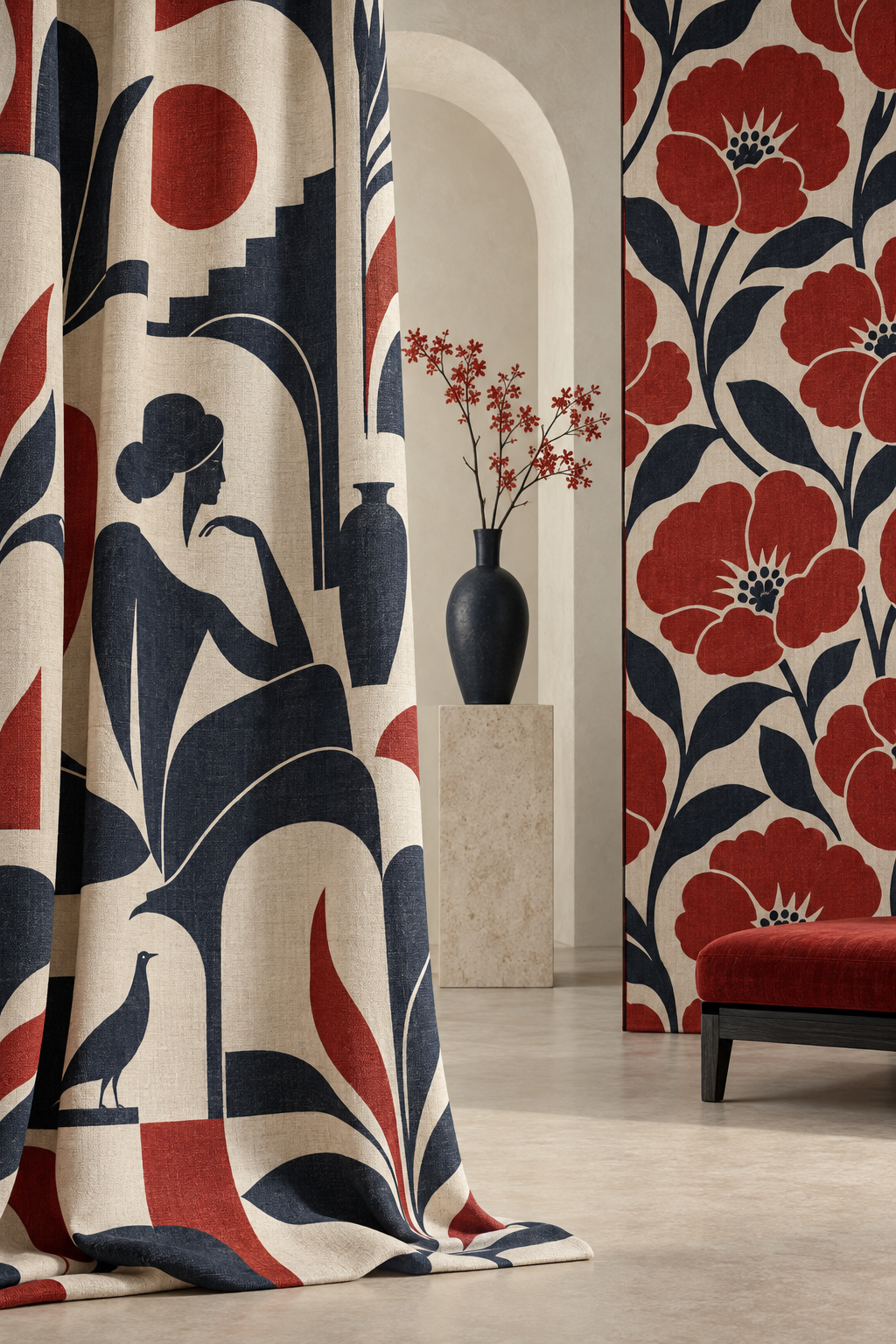
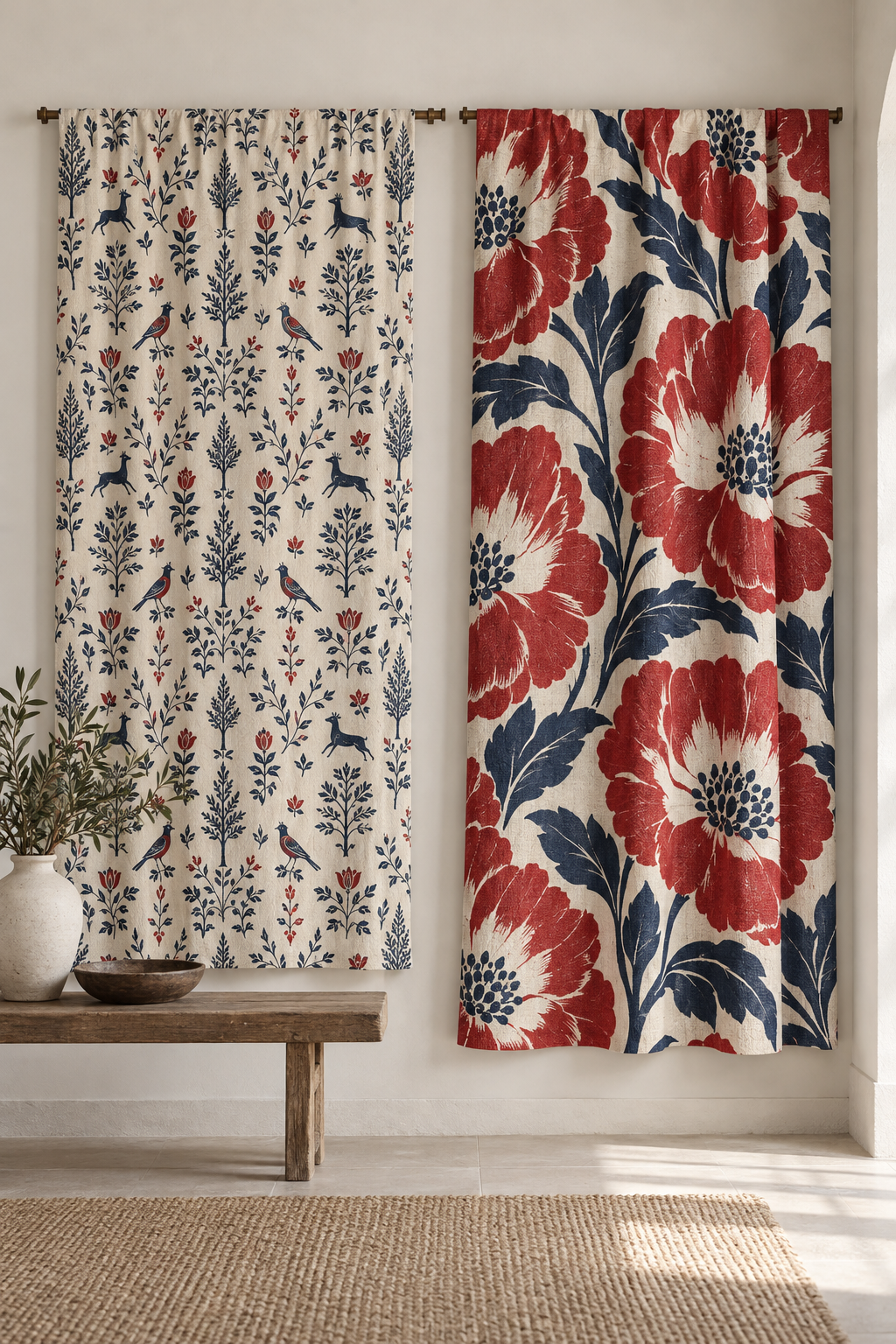
How does an image become room-scale cloth? Dufy designed these circa-1920 Bianchini-Férier fabrics: one scene, one floral repeat.
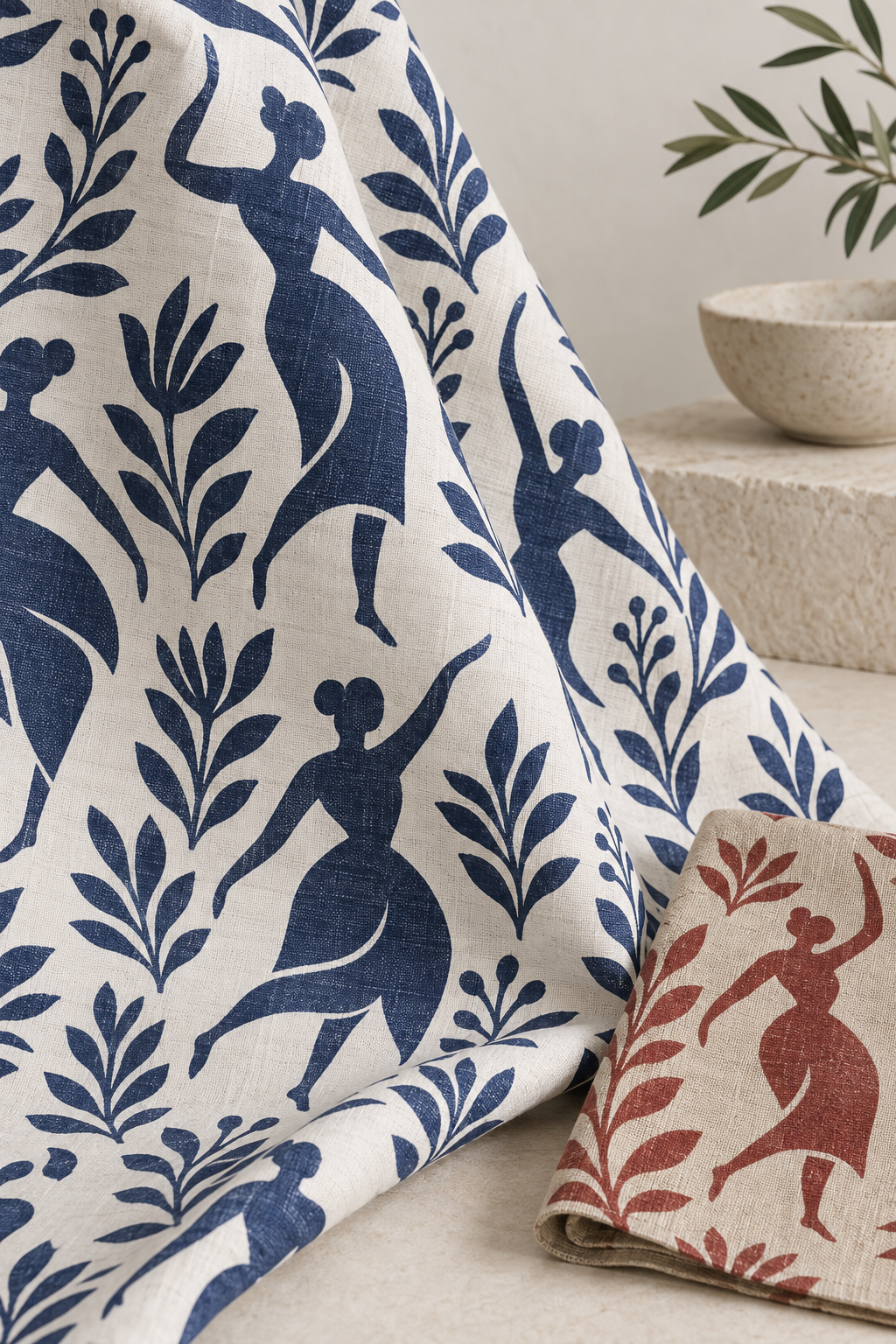
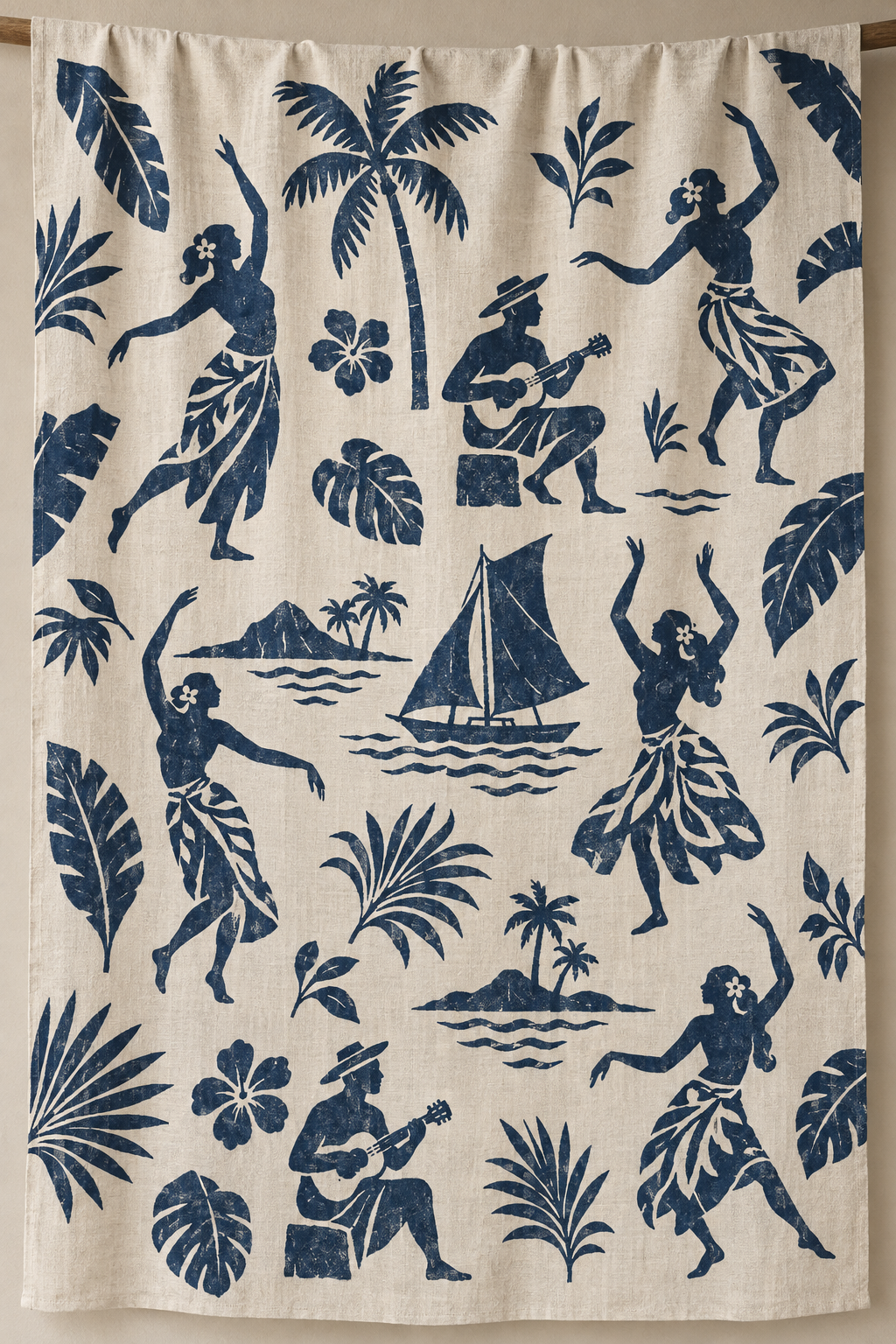
V&A O66902: navy-on-white woodblock cretonne, Toiles de Tournon, made near Lyon. O98302 instead records cotton-linen, natural ground, madder red.

V&A records dancers, an accordion player, ship and tropical foliage. Dufy cast the series as a modern counterpart to 18th-century toile de Jouy narrative cloth.

The V&A calls the South Sea Islands imagery “exoticism.” Read critically: racialized figures and tropical setting are not neutral decoration.

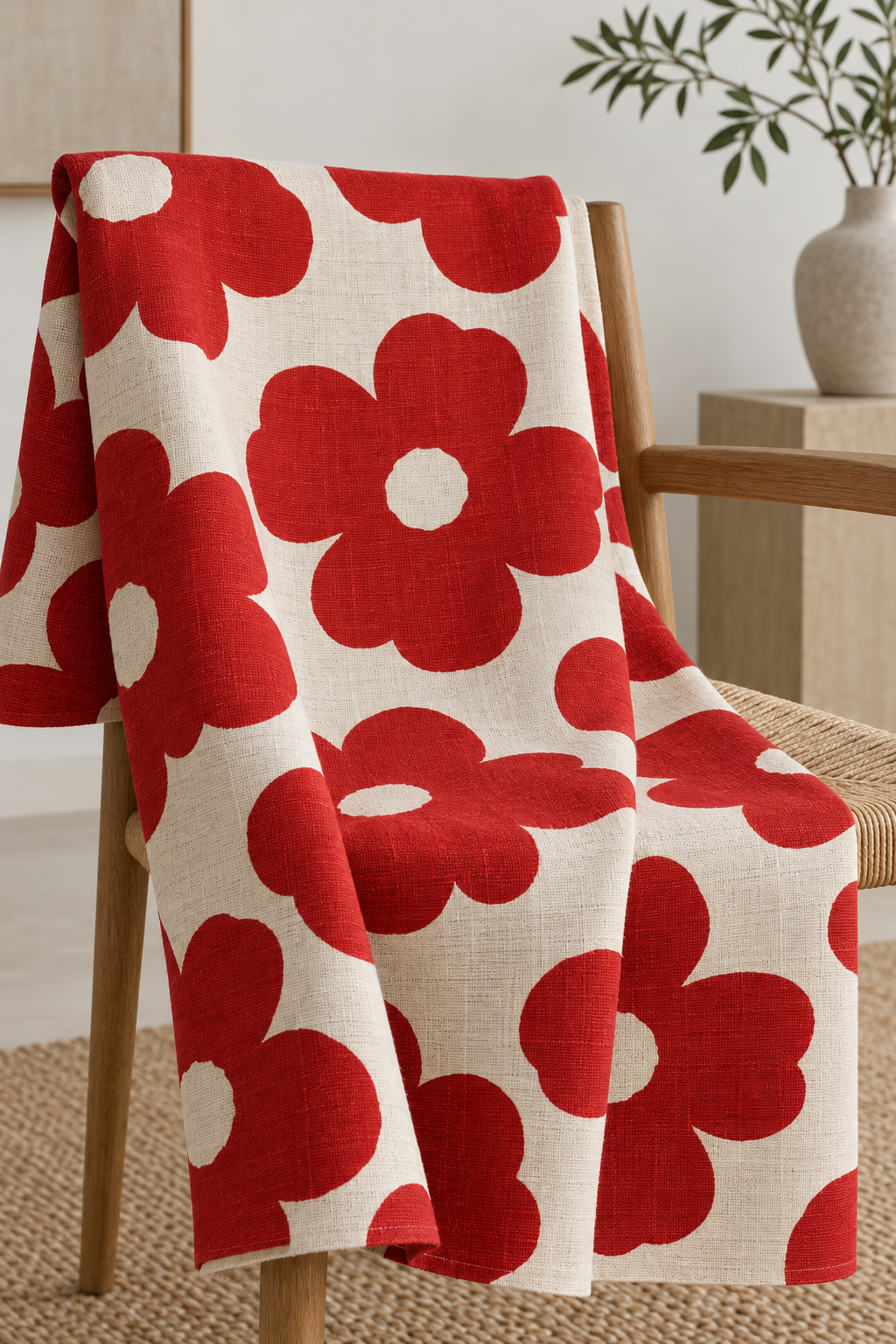
Untitled, c.1920: woodblock-printed plain-weave linen, with large red-and-white flowers. V&A compares its mood to Wiener Werkstätte and Munich School textiles.

Interpretation: one turns imagery into a narrative scene, the other into a bold floral repeat. Both make printed cloth a tactile, repeatable room-scale design.
1 / 6
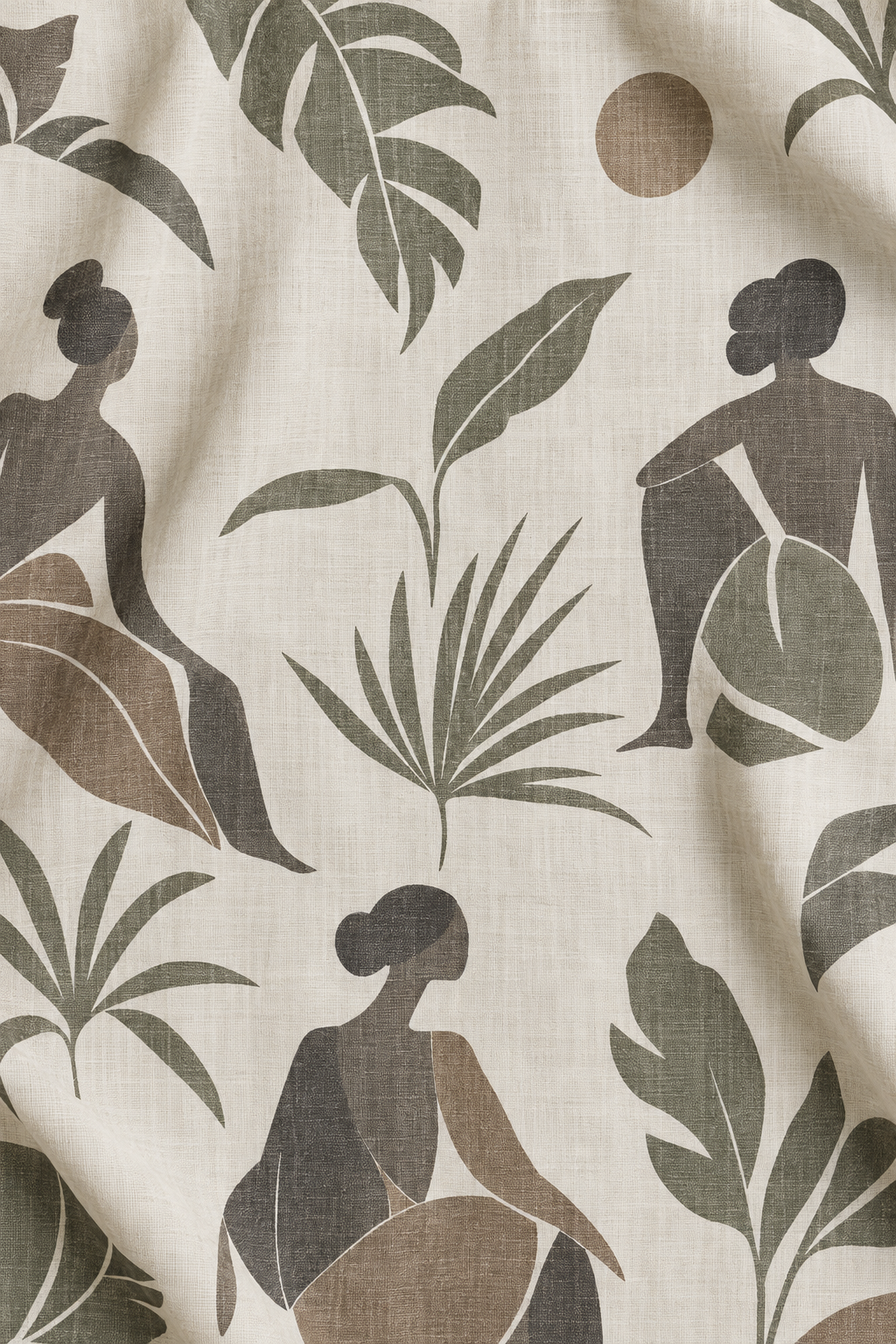
V&A records differ on La Danse’s colour and cloth. Verified object photos were unavailable; these visuals are interpretations, not reproductions.
Sorry, Pandi could not find an answer.
Let's look at alternatives:
- Modify the query.
- Start a new thread.
- Remove sources (if manually added).
Continue exploring