100
How YMO built modern electronic pop

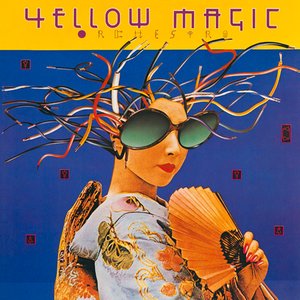
🧵 1/6


🧵 2/6
🧵 3/6
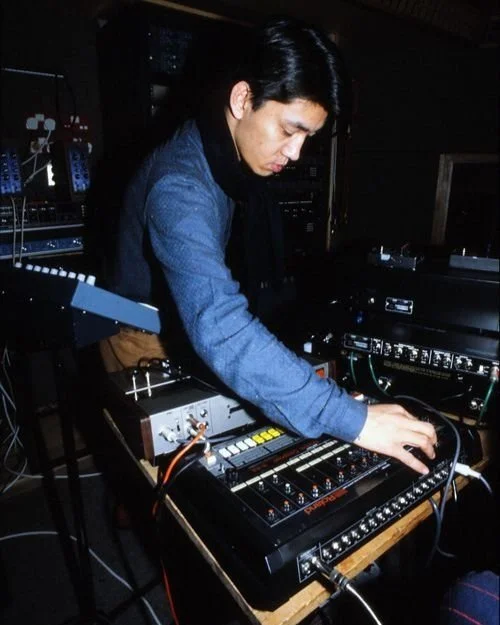
🧵 4/6
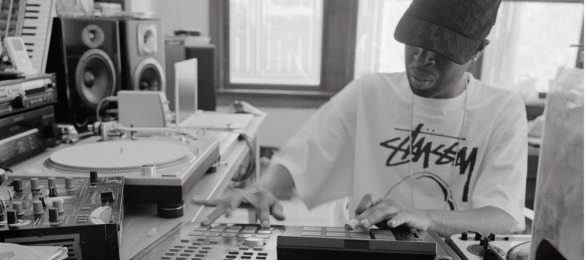
🧵 5/6
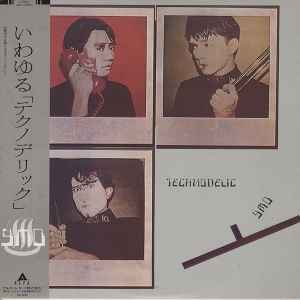

🧵 6/6
Sign Up To Try Advanced Features
Get more accurate answers with Super Pandi, upload files, personalized discovery feed, save searches and contribute to the PandiPedia.
Sorry, Pandi could not find an answer.
Let's look at alternatives:
- Modify the query.
- Start a new thread.
- Remove sources (if manually added).
Related Content From The Pandipedia
5 surprising facts about the Korg M1 that shaped 90s dance musicHow blogs turned electronic music into a global sceneHow Jamaican dub invented modern remix techniquesHow do deserts form?5 reasons the Roland D-50 changed music forever5 surprising facts about the Roland TR-9095 surprising facts about the Yamaha DX75 wild facts about the legendary Roland JP-8000Which classic arcade cabinet are you?Why electronic music got louderFrom strobes to LED wallsHow the Hoover sound became the voice of early raveAdvertiser Value Created by Ads Quality Launches: A Comprehensive AnalysisHow algorave made code the headliner