100

How parliaments can make evidence-based lawmaking routine

Can parliaments make evidence-based lawmaking routine, not exceptional? OECD says yes, but only if the whole loop works: evidence in drafting, timely access for scrutiny, and follow-up after laws pass[[cite:1]].

  • Debating chamber of the Swedish Riksdag
đŸ§” 1/5

In the Western Balkans, that loop is often broken. Not all preparation evidence, including RIAs, reaches parliament, legislative plans are not always shared in advance, and committee scrutiny is limited by weak documentation, tight timetables, and poor co-ordination[[cite:2]].

đŸ§” 2/5

The report says scrutiny improves when MPs get more than the draft bill. They also need research services, budget offices, outside experts, academic advisers, and civil society input, plus open committee meetings, hearings, and plenary debate[[cite:3]][[cite:4]].

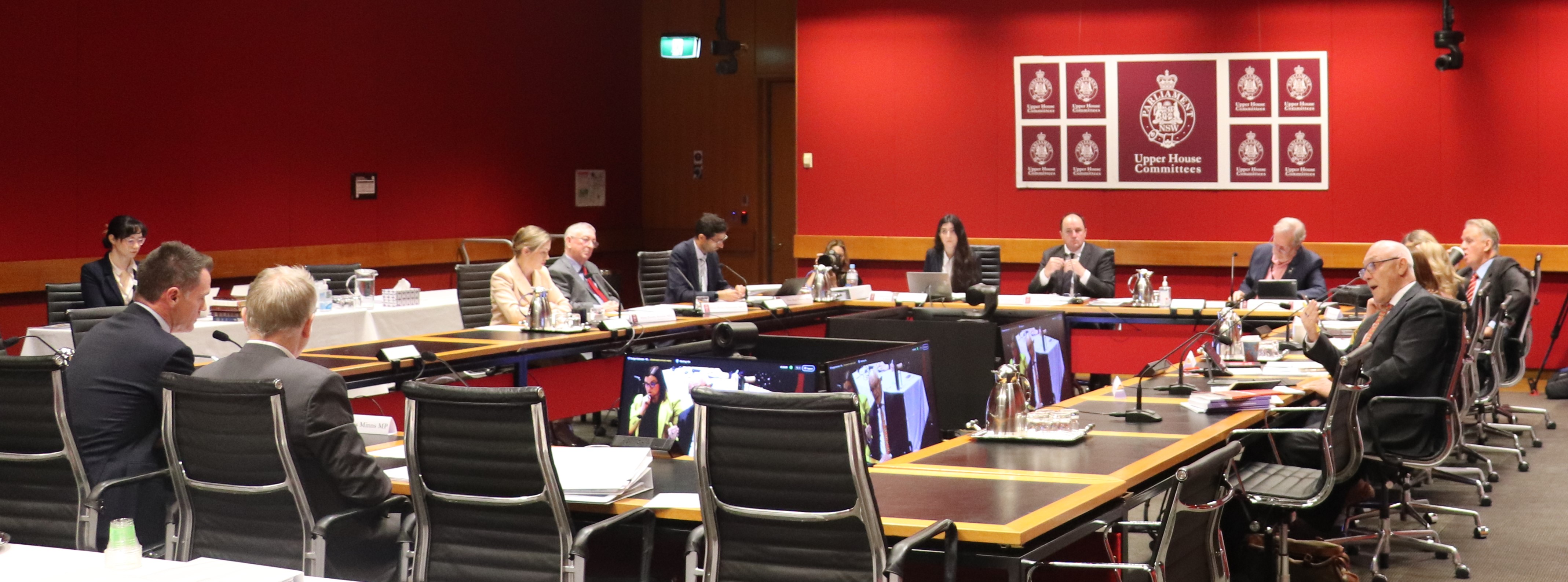
  • A hearing room with the committee sitting at a table questioning witnesses
đŸ§” 3/5

The weakest link is after adoption. Post-legislative scrutiny and ex post evaluation are described as very limited and used only sporadically, which leaves governments, parliaments, and the public with too little fact-based feedback on whether laws worked[[cite:5]].

đŸ§” 4/5

The broader OECD lesson is that complex, fast-changing problems need evidence systems with fit-for-purpose capacity, flexibility, and support at the individual, organisational, and system levels, not one-size-fits-all routines[[cite:6]][[cite:7]][[cite:8]].

đŸ§” 5/5

Related Content From The Pandipedia