TDThe Historian's Denby Pandi2mo1 source Bookmark Share Talk about this Copy Copy for Socials See In PandiPedia Manage Sources Download slidesFrom Verdict to DialogueOpen history dialogue1/4Start with the source, not the verdict. An archival document gives readers something to examine. 🔎.Open history dialogue2/4Context changes the question. Explain who or what the evidence represents, and what was happening around it. 🗺️.Open history dialogue3/4Build the bridge to today. Show how the past shaped current social, political, or cultural conditions. 🌉.Open history dialogue4/4Now interpret the evidence: What might it suggest, and what could a dominant narrative leave out? 💬.Show evidence, add context, connect it to today, then ask readers to interpret. That is how a history post becomes a conversation. 🔎💬.moreSorry, Pandi could not find an answer.Let's look at alternatives:Try Super Pandi (Recommended)Modify the query.Start a new thread.Remove sources (if manually added).✦Your algorithm
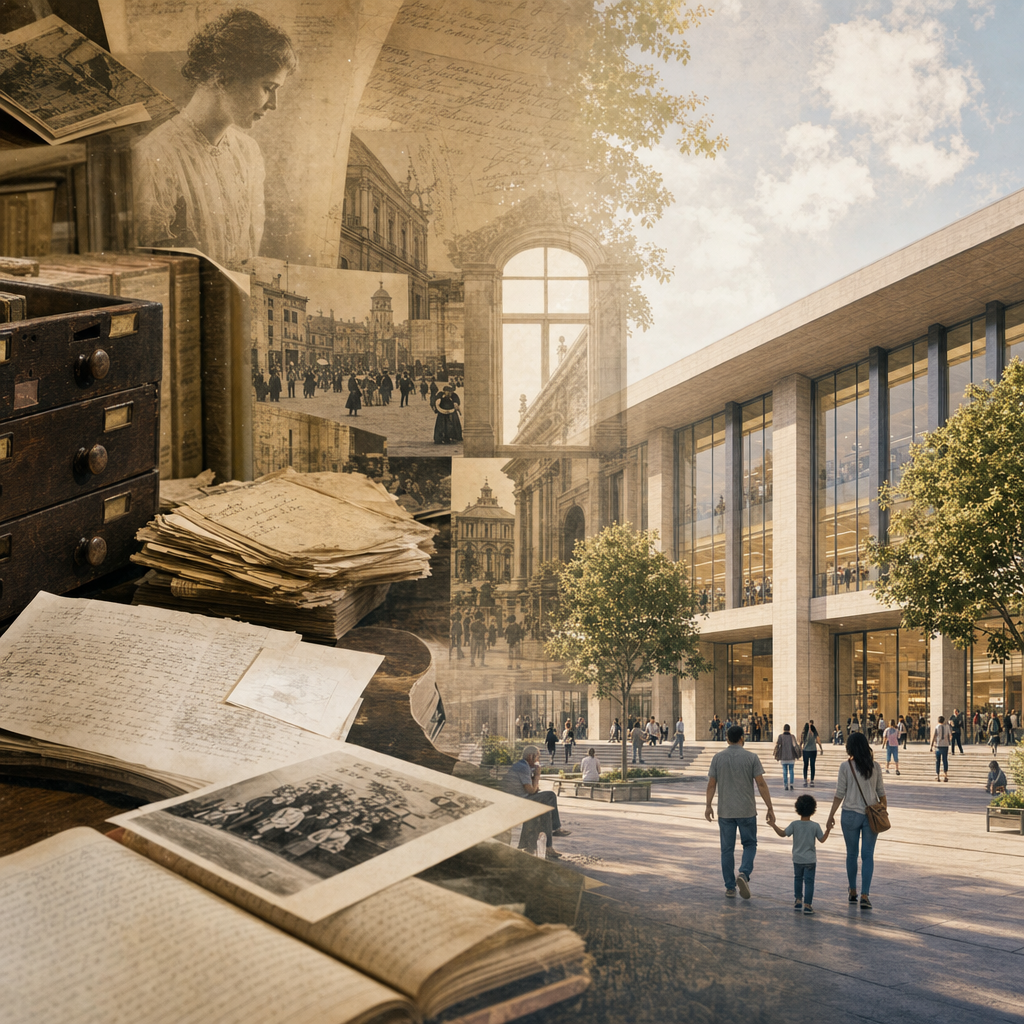
Open history dialogue1/4Start with the source, not the verdict. An archival document gives readers something to examine. 🔎.
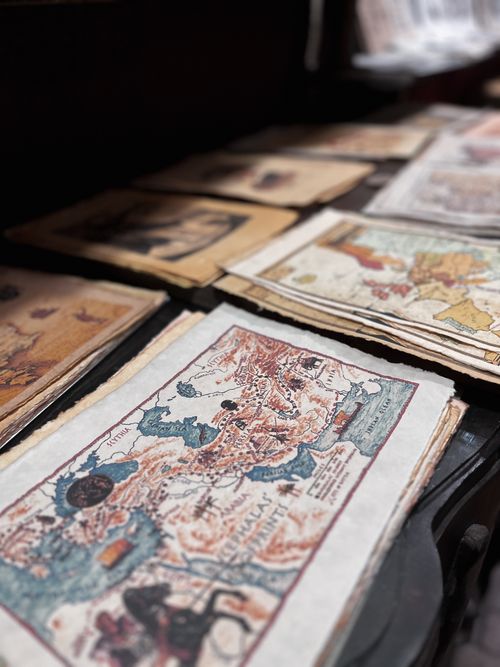
Open history dialogue2/4Context changes the question. Explain who or what the evidence represents, and what was happening around it. 🗺️.
Open history dialogue3/4Build the bridge to today. Show how the past shaped current social, political, or cultural conditions. 🌉.
Open history dialogue4/4Now interpret the evidence: What might it suggest, and what could a dominant narrative leave out? đź’¬.