Evaluation of Bioidentical Hormone Options and Safety: From Estrogen to Estriol
Introduction

Bioidentical hormone replacement therapy (BHRT) has emerged as an increasingly popular option for managing menopausal symptoms, with many practitioners and patients seeking alternatives to traditional synthetic preparations. The therapeutic rationale behind BHRT is to use hormones that are chemically identical to those produced in the human body, such as estradiol, estriol, and progesterone, in an effort to achieve a more favorable safety profile and improved clinical outcomes compared to conventional hormone replacement therapies (HRT) that include synthetic forms and animal-derived hormones[1][6]. The current debate encompasses not only the chemical and pharmacological properties of these agents but also the methods of formulation, delivery routes, dosing algorithms, and the regulatory challenges associated with compounded preparations.
Chemistry and Molecular Structure
:max_bytes(150000):strip_icc()/GettyImages-1527251150-6d17a56f80e14c4ea1c705acc00849a1.jpg "Female healthcare provider in white sweater with omega 3, vitamin D capsules in one hand and a glass of water in the other.")

The primary appeal of BHRT lies in its claim to reproduce hormones that are structurally identical to endogenous counterparts. Bioidentical preparations include various forms of estrogen such as estradiol, estriol, and estrone, alongside bioidentical progesterone, which unlike synthetic progestins, has been associated with a more favorable profile with respect to lipid metabolism and breast tissue stimulation[1][6]. Estriol, in particular, is touted for its unique physiological effects and potentially lower risk for breast cancer compared to other forms of estrogen, even though its role has not yet been established by randomized controlled trials[6]. The molecular equivalence of these bioidentical hormones is a key argument for their use, as it is believed that mimicking the body's native hormones can lead to improved therapeutic outcomes and reduced side effects.
Delivery Routes and Dosing Algorithms
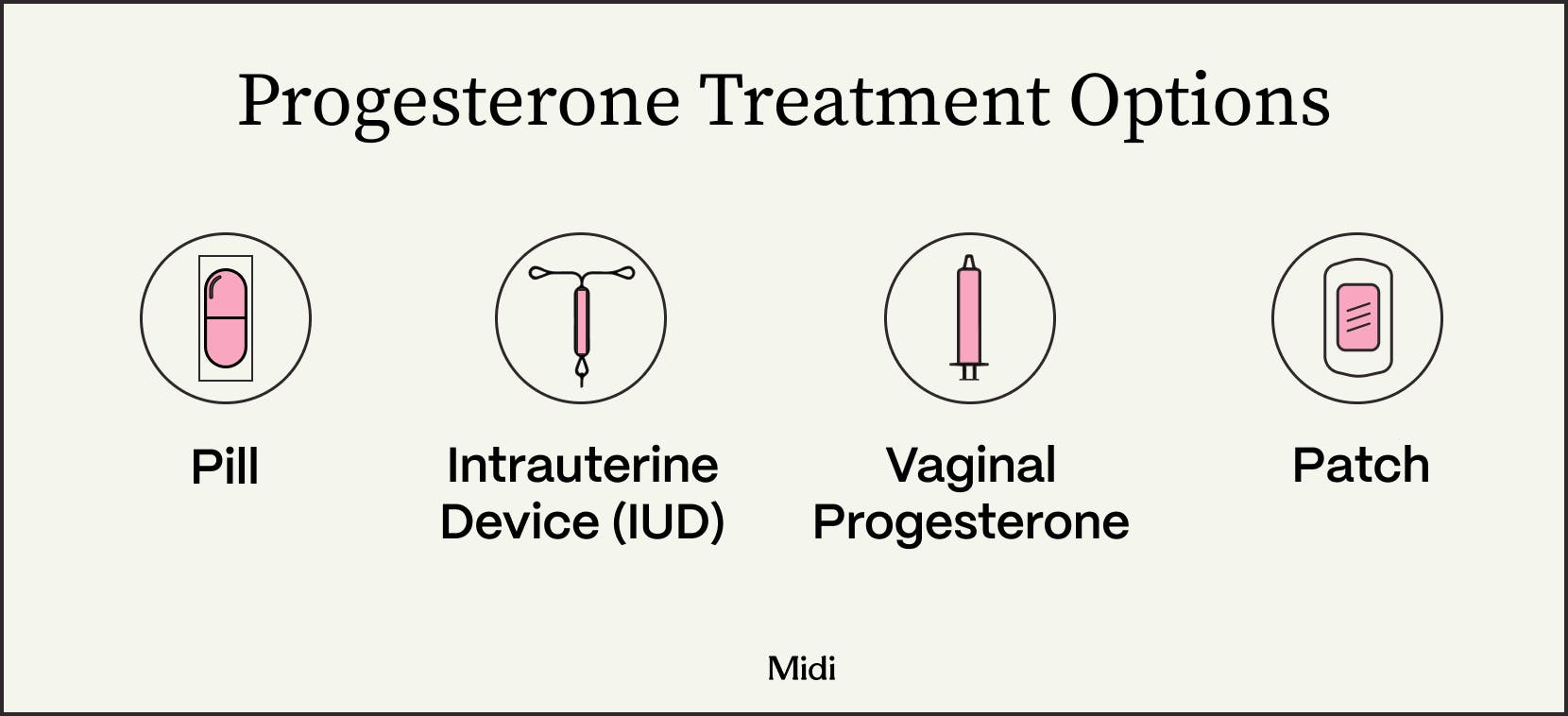

BHRT can be formulated in various forms including oral tablets, transdermal patches, gels, creams, lozenges, and vaginal suppositories, with delivery routes playing an essential role in both efficacy and safety. For instance, transdermal estrogen is often preferred to oral formulations because it avoids first-pass metabolism in the liver, thereby reducing the risk of venous thromboembolism and other adverse hepatic effects[7][9]. In contrast, compounded formulations such as creams and troches may suffer from issues of inconsistent dosing and variable absorption, which can lead to either subtherapeutic effects or potential overdosing[9]. Dosing algorithms for compounded BHRT are frequently individualized using hormone level testing – often via serum or saliva assays – although these tests have not demonstrated reliable correlations with clinical outcomes and their use remains controversial[7]. While some clinicians advocate for titration based on measured hormone levels to avoid a one-size-fits-all dosage, there remains a lack of robust clinical trial evidence to validate these customized approaches, and the variability in potency between compounded batches has been documented in several studies[2].
Regulatory Debates and Quality Control

A central element of the ongoing debate is the regulatory status of compounded BHRT compared to FDA-approved hormone therapies. Compounded bioidentical hormones are prepared in independent pharmacies under less stringent oversight than regulated pharmaceutical products, leading to concerns about manufacturing practices, purity, potency, and accuracy in dosing[2][8]. While some compounding pharmacies may adhere to quality control measures, the absence of standardized manufacturing and consistency requirements introduces significant risks that are not typically associated with FDA-approved products[8]. In addition, regulatory agencies have issued warnings against compounded formulations, highlighting that claims of safety, efficacy, and superiority over approved HRT products are not substantiated by the necessary scientific evidence[7]. Further complicating the matter, major professional societies have recommended that clinicians reserve compounded bioidentical hormones for patients who cannot use conventional, regulated HRT[9].
Safety, Efficacy, and Clinical Evidence


Comparative reviews of bioidentical and synthetic hormones indicate that while bioidentical progesterone may confer a lower risk for cardiovascular issues and breast cancer compared to synthetic progestins, these advantages have not been definitively proven in large-scale, long-term randomized controlled trials[1][6]. Clinical effectiveness assessments have shown that both bioidentical and synthetic preparations can effectively address menopausal symptoms; however, the safety profiles, particularly in terms of clotting risks and metabolic parameters, tend to favor the bioidentical formulations in some observational and short-term studies[1][4]. Despite these findings, the available evidence is limited by short study durations and small sample sizes, underscoring the need for more rigorous clinical trials to evaluate outcomes such as cardiovascular events, incidence of breast and endometrial cancer, and effects on bone mineral density over the longer term.
Conclusion
The evaluation of BHRT from estrogen to estriol reveals a complex landscape in which the molecular similarity to endogenous hormones presents potential clinical benefits, yet the current evidence does not unequivocally demonstrate superior safety or efficacy relative to synthetic hormones. Variability in delivery routes and dosing algorithms, particularly in compounded formulations, raises concerns about consistency and quality control. Regulatory debates emphasize that compounded bioidentical hormone preparations are not subject to the rigorous testing and manufacturing standards applied to FDA-approved medications, leading professional societies to caution their use except in specific circumstances where approved therapies are contraindicated[2][7][9]. Ultimately, while preliminary data suggest that bioidentical compounds may offer some advantages in terms of physiological compatibility, further high-quality research is needed to fully establish dosing strategies, long-term safety benefits, and clear regulatory guidelines. Clinicians and patients must weigh the potential benefits of a more natural hormone profile against the risks posed by inconsistent dosing and the lack of standardized quality controls.
Get more accurate answers with Super Pandi, upload files, personalized discovery feed, save searches and contribute to the PandiPedia.
Let's look at alternatives:
- Modify the query.
- Start a new thread.
- Remove sources (if manually added).
 Curated by Joan