When a car check is a job for a professional
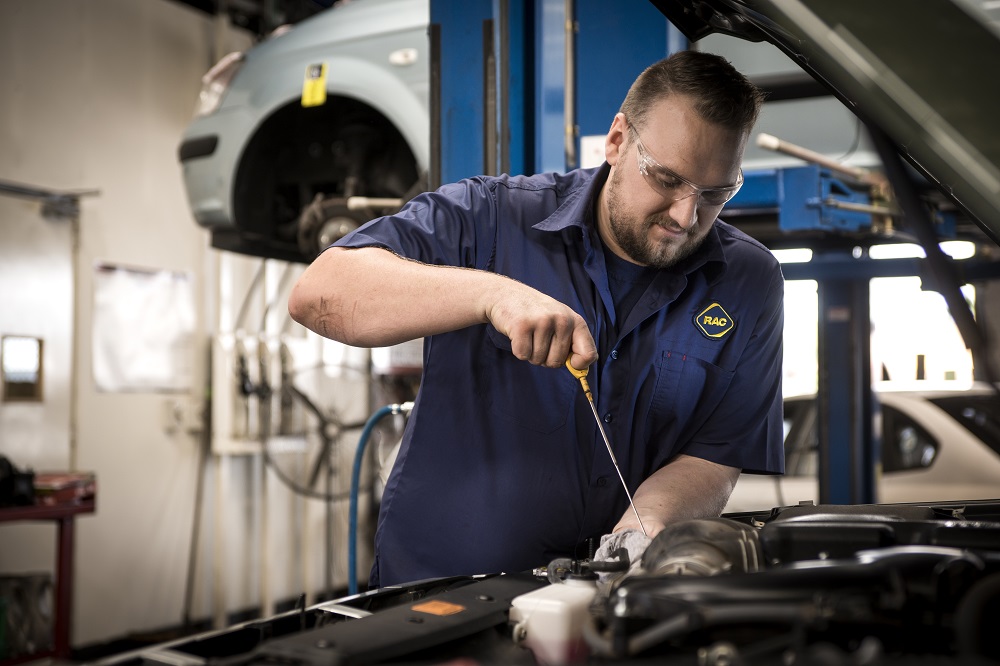
Recognizing the boundary between a simple owner check and a professional garage job comes down to knowing which tasks are safe for home maintenance and which require specialized tools, certified expertise, or safety precautions.
According to RAC guidance, basic checks like inspecting your engine oil [1], tyres [2], windscreen washer fluid [3], and lights [4] can be handled at home. However, you should follow specific cautions for fluid maintenance and larger repairs:
- Follow your handbook for fluids: Always check your owner's manual to find correct fluid locations, capacities, and manufacturer-approved specifications before topping anything up [5][6].
- Check coolant only when cold: Never open the coolant filler cap or attempt maintenance on a hot engine, as pressurised boiling water can cause severe burns [7][8]. If your coolant level drops repeatedly, it indicates a leak that requires professional attention [9][10].
- Be careful with brake fluid: You can check brake fluid levels visually from the outside of the container [11], but if the level is low, dramatically reduced, or if water gets inside and causes the fluid to boil under heavy braking, it can lead to brake failure [12]. Brake systems are crucial for safety and should be left to a professional if you have any doubts [13].
- Seek professional help for serious problems: Complex areas like fuel systems, brake repairs, and specialist air-conditioning servicing carry significant safety risks and require professional expertise, proper workshop space, and specialized equipment [14].
Your next step is to consult your vehicle's handbook for recommended maintenance intervals [15] and schedule your car with a local approved garage or mobile mechanic if you suspect a leak, warning light, or a repair beyond basic fluid top-ups [16][17].
Let's look at alternatives:
- Modify the query.
- Start a new thread.
- Remove sources (if manually added).