Discover Pandipedia
A growing directory of useful answers selected by the Pandi community. Search the collection or browse the latest discoveries.
3444 entries available
5 real-world quantum sensor applications
Let's look at alternatives:
- Modify the query.
- Start a new thread.
- Remove sources (if manually added).

Quick take: Climate tech investment trends to watch
Transcript
Welcome to our quick climate technology update. This year, investors are placing record venture funding into a few key sectors that are shaping the future of sustainability. Innovations in energy storage are powering the renewable energy revolution with breakthrough battery systems and grid-scale solutions. Companies focused on carbon capture and utilization are turning atmospheric carbon into commercial value and reducing emissions. Breakthrough work in alternative protein technologies is transforming food production, while circular economy solutions are converting waste into valuable resources. In addition, climate adaptation technologies are helping communities prepare for extreme weather events. These trends highlight an exciting and transformative journey in climate technology dedicated to a greener future.
Let's look at alternatives:
- Modify the query.
- Start a new thread.
- Remove sources (if manually added).
Create your account to shape this feed around what you search for and enjoy.
The Purple Cloud
Transcript
The Purple Cloud /media/short_movies/555/229555_movie.mp4 Poster: /media/short_movies/555/229555_poster.png
Let's look at alternatives:
- Modify the query.
- Start a new thread.
- Remove sources (if manually added).
Extended Reality in Digital Therapeutics for Mental Health Care
Overview of Extended Reality in Mental Health Care


Extended Reality (XR) technologies, encompassing Virtual Reality (VR), Augmented Reality (AR), and Mixed Reality (MR), are increasingly used in digital therapeutics for mental health. XR provides immersive, computer‐generated environments that allow tailored exposures and engagement in controlled settings. This modality is being explored to address various mental health disorders by enhancing treatment accessibility, reducing stigma, and potentially increasing patient adherence through interactive and engaging interfaces[3][2].
Clinical Evidence for Exposure-Based Treatments in XR


A robust body of clinical evidence supports the efficacy of XR-based exposure therapies, particularly for social anxiety disorder (SAD). Virtual Reality Exposure Therapy (VRET) has been shown to create realistic and controllable social environments that enable systematic exposure to feared stimuli. Systematic reviews and meta-analyses have reported medium to large effect sizes for VRET when compared to waitlist controls, and its effects are maintained at follow-up periods up to one year[1][5].
Studies have demonstrated that digitally simulated interactions can reduce social anxiety symptoms in both individual and group therapy formats. In particular, controlled trials contrast the efficacy of VRET with traditional in vivo exposure and cognitive behavioral therapy, showing comparable outcomes between these methods[9].
Mindfulness Strategies and Mechanisms in XR Therapies

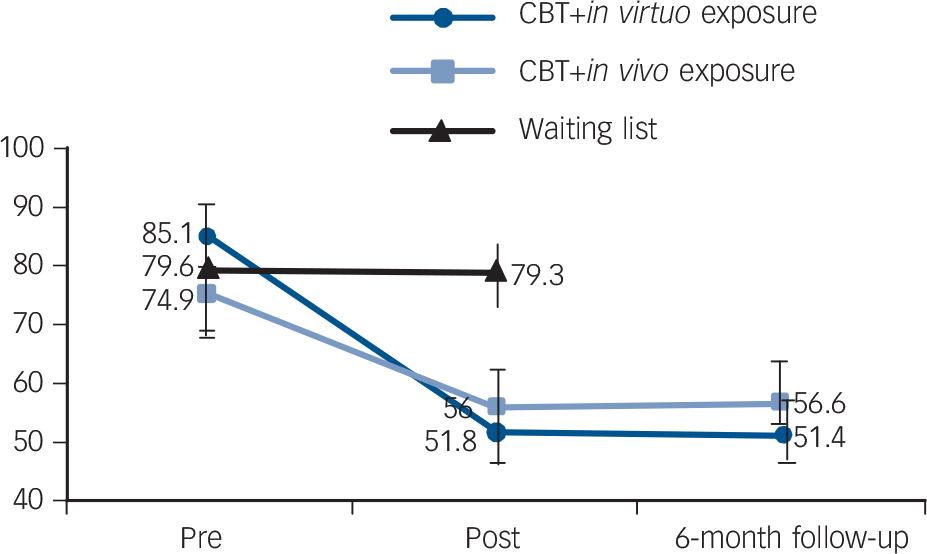
Beyond pure exposure, XR platforms are being integrated with mindfulness-based strategies to improve treatment outcomes. Mindfulness practices are incorporated to help patients develop nonjudgmental awareness of their internal experiences during exposure sessions, which may facilitate extinction learning and reduce distress over time. Evidence suggests that combining mindfulness with exposure interventions enhances the extinction of distress responses, ultimately reducing reliance on avoidant coping mechanisms[4][10].
Additionally, XR-mediated mindfulness techniques have been employed in treatments such as written exposure therapy combined with app-delivered mindfulness for conditions like PTSD, demonstrating potential benefits in reducing symptoms and comorbidities such as insomnia[6].
Clinical findings point out that while immediate mindfulness-based exposure might initially raise distress levels, continued practice may lead to improved emotional regulation and long-term symptom reduction, underpinning the value of integrating mindfulness into XR exposure protocols.
XR in Group Therapy and Social Anxiety


Another promising application of XR is in the realm of group therapy for anxiety disorders. XR platforms allow patients to interact in virtual spaces using customized avatars, which can enhance nonverbal communication cues and foster a sense of group identification. Digital group therapy in XR can compensate for some limitations observed in traditional video-conferencing, where factors such as reduced eye contact and limited movement often hinder group cohesion. Research indicates that enhanced social identification in XR environments can promote shared support, improve therapeutic alliances, and potentially lead to better treatment outcomes in social anxiety and related conditions[7].
In group settings, the ability to simulate real-world social interactions through controlled VR exposures, combined with group dynamics, may also aid in reducing isolation and enhancing overall engagement in therapy.
Regulatory Pathways and Deployment Challenges


While the clinical promise of XR in digital therapeutics has spurred interest from both clinicians and researchers, several regulatory and practical challenges remain. From a regulatory perspective, establishing approval pathways for XR-based digital therapeutics involves demonstrating measurable efficacy, ensuring user safety, and aligning with established clinical guidelines. For instance, regulatory bodies such as NICE have recently begun to recommend new digital therapies for mental health conditions like depression and anxiety, but fully approved XR interventions remain limited due to the novelty of the technology, the high costs of clinical trials, and the lengthy regulatory review processes[3].
Practical deployment challenges include issues with device accessibility, user familiarity, and integration into existing healthcare systems. Although XR headsets have become more affordable and user-friendly in recent years—with options available across a range of price points—clinicians and patients still face barriers such as limited digital literacy, inconsistent internet infrastructure, and the need for specialized training to effectively use XR tools in therapy sessions. Moreover, early-generation devices suffered from issues related to setup complexity and motion sickness; even though modern devices have addressed many of these shortcomings, overcoming residual skepticism among clinicians remains essential for widespread adoption[3].
Conclusions and Future Directions

Overall, XR technologies are emerging as a versatile and powerful tool in the digital therapeutics landscape, particularly for mental health care. Evidence supports the use of VR-based exposure therapies in reducing social anxiety symptoms as effectively as traditional methods, while the incorporation of mindfulness strategies shows promise in enhancing emotional processing and extinction learning. XR is also being successfully applied in group therapy settings to bolster social identification and engagement, which is especially relevant for treating social anxiety disorders.
Looking ahead, future research should focus on larger-scale and long-term clinical trials that not only refine the integration of mindfulness and exposure techniques into XR platforms but also address regulatory and deployment barriers. Closer attention to the development of standardized usability frameworks, enhanced training for practitioners, and clear regulatory guidelines will be crucial for the integration of XR digital therapeutics into mainstream mental health care. Continued collaboration among clinicians, technologists, and regulatory bodies is likely to facilitate both the development of innovative XR treatments and their practical deployment in clinical settings[1][9].
Let's look at alternatives:
- Modify the query.
- Start a new thread.
- Remove sources (if manually added).

Hook: Why the quantum talent gap could derail innovation
Transcript
Welcome to our quantum spotlight, where the talent gap could derail tomorrow's breakthroughs. The numbers are stark: only one qualified expert exists for every three open quantum positions, meaning less than half the jobs may be filled by 2025. This shortage threatens not only innovation but also national security and economic progress. The solution lies in ramping up education and training, forging deeper partnerships between universities, industry, and government, and starting early to build a diverse, interdisciplinary workforce. Without investing in people now, the promise of revolutionary quantum advancements could stall before it even begins.
Let's look at alternatives:
- Modify the query.
- Start a new thread.
- Remove sources (if manually added).
Fast facts about climate risk insurance
Let's look at alternatives:
- Modify the query.
- Start a new thread.
- Remove sources (if manually added).
Create your account to shape this feed around what you search for and enjoy.
Hybrid human-robot workplaces

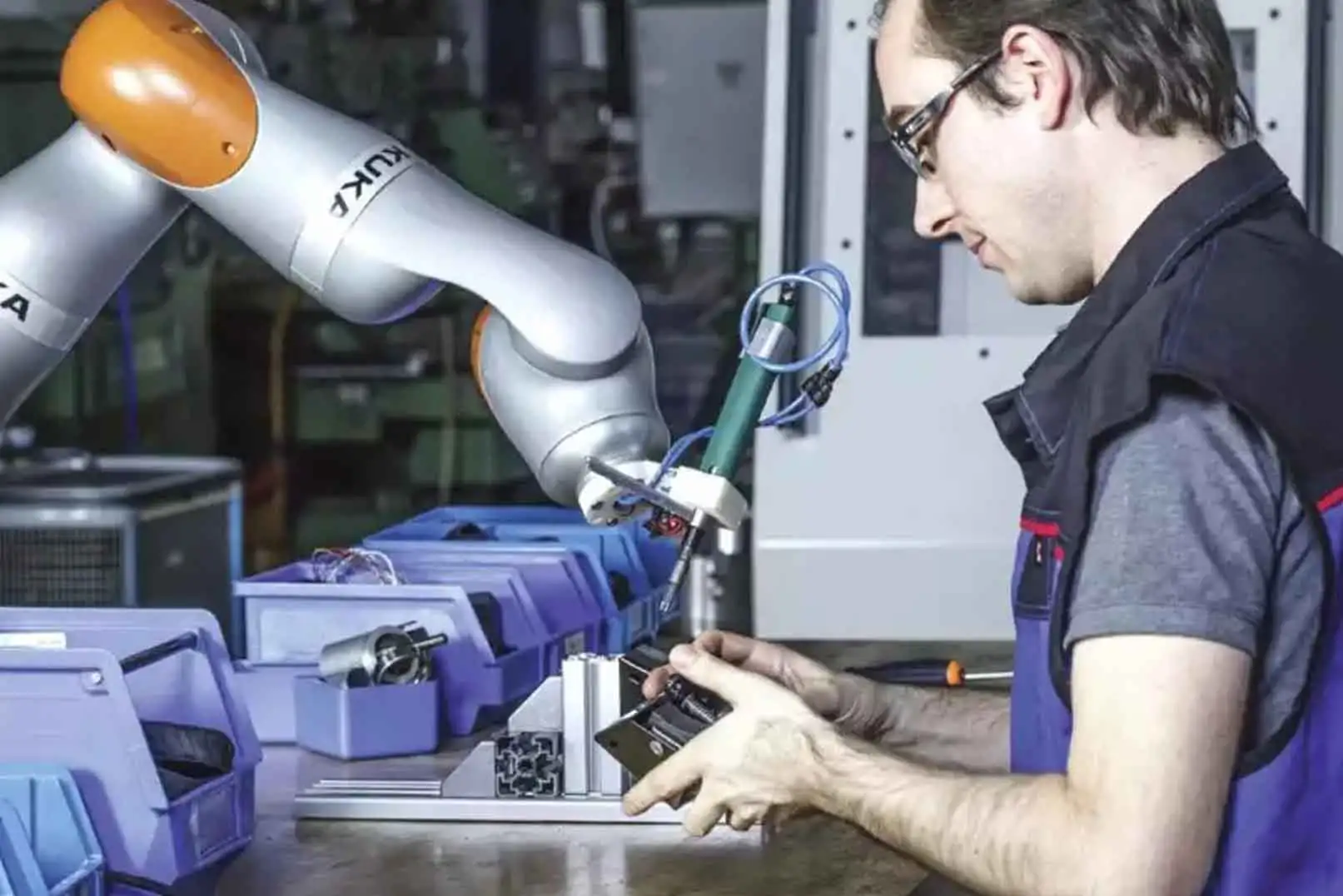
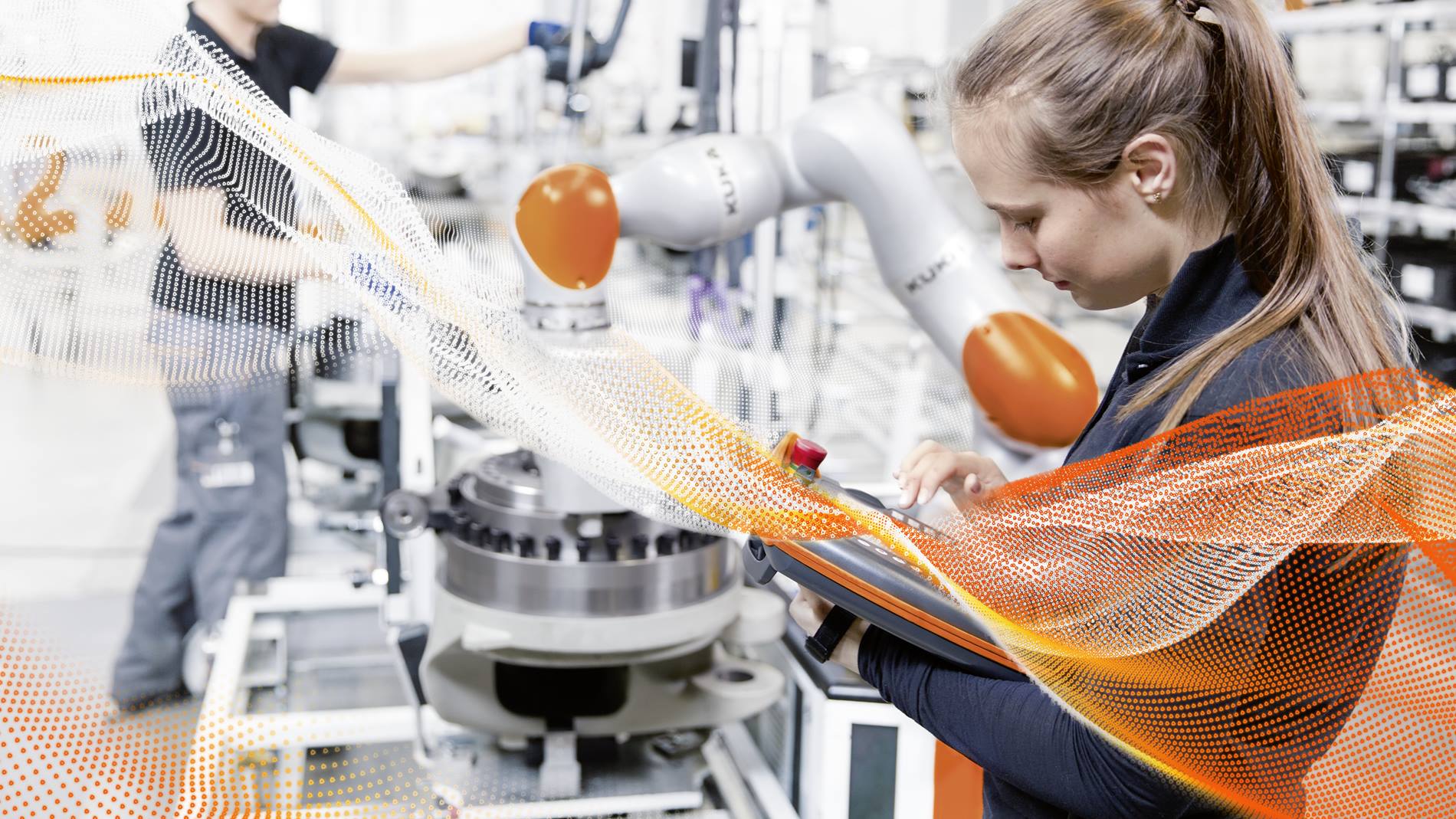
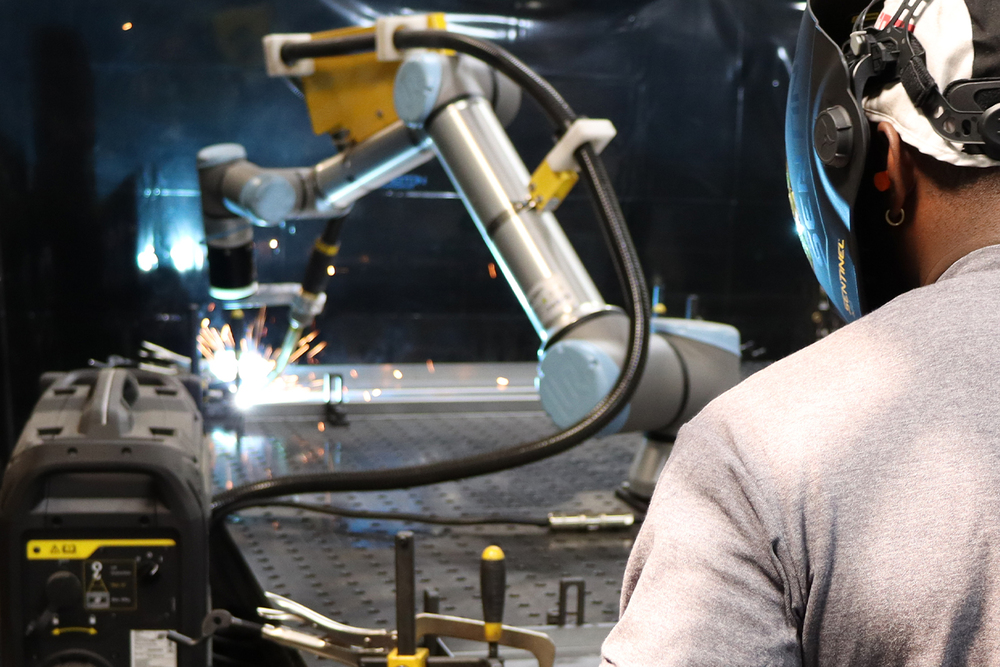




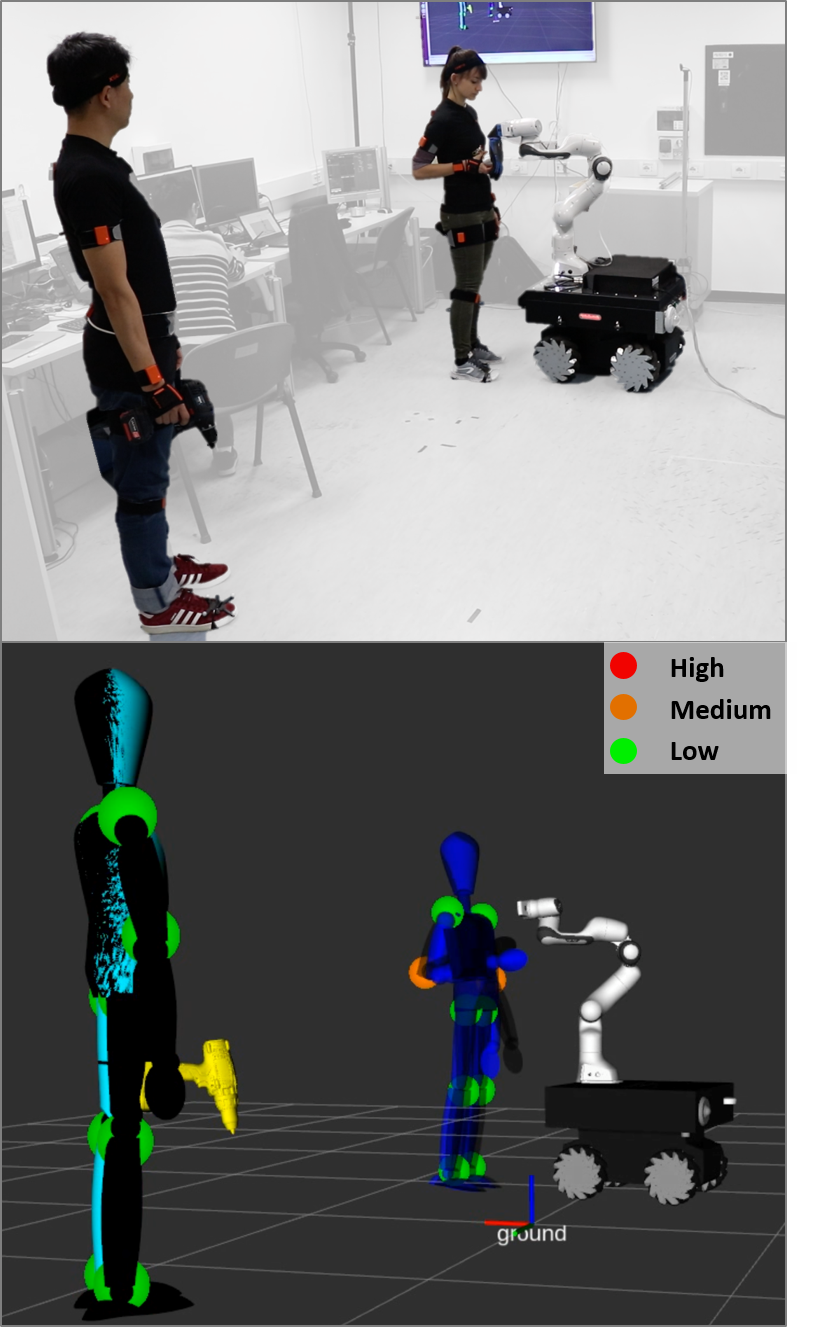

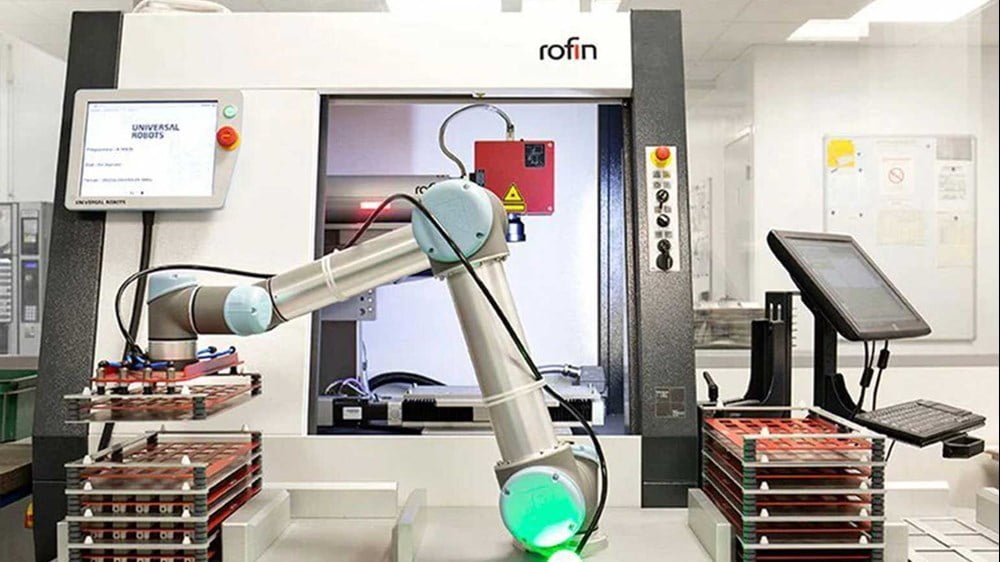

Let's look at alternatives:
- Modify the query.
- Start a new thread.
- Remove sources (if manually added).
The Evolution of ASMR: A Historical Overview
Introduction to ASMR
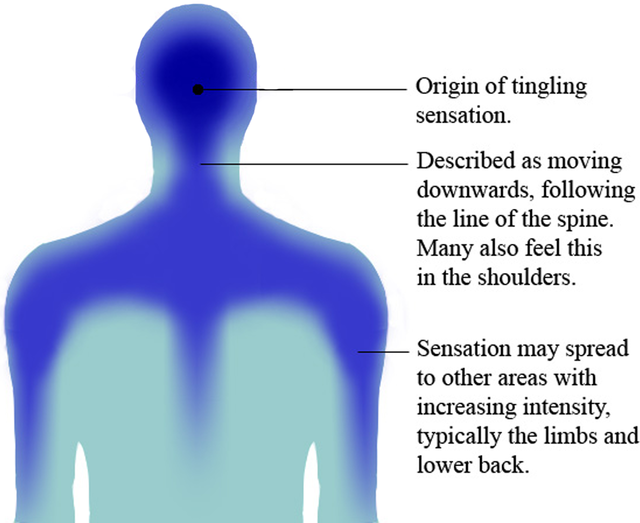
Autonomous Sensory Meridian Response (ASMR) refers to a tingling sensation that typically begins on the scalp and spreads to the neck and spine, producing feelings of relaxation and euphoria. Described as akin to a mild electrical current, ASMR is usually triggered by auditory stimuli like whispering, tapping, and crinkling sounds, along with visual stimuli associated with personal attention or intricate activities. The sensation has gained popularity as both a phenomenon and a form of online content, particularly through platforms like YouTube.
Early Recognition and Naming

The modern history of ASMR began in 2007, when a user named 'okaywhatever' initiated a discussion on the health forum SteadyHealth titled 'Weird Sensation Feels Good.' This thread described a tingling sensation experienced since childhood, which resonated with many others, revealing a shared phenomenon amongst participants who reported similar feelings in response to various stimuli like whispering and gentle movements[4][9].
The term 'ASMR' itself was coined in 2010 by Jennifer Allen, a participant in these discussions who sought to formalize the term to lend it legitimacy. Allen defined ASMR to signify the autonomously triggered sensory reaction distinct from sexual arousal, emphasizing its role in relaxation and comfort[5][6][9][11]. She explained that 'autonomous' reflects the individual nature of the trigger, while 'meridian' denotes a peak experience without connotations of climax associated with orgasm[6][10][11].
Growth of the Online Community

As awareness of ASMR grew, online platforms like YouTube became central hubs for both content creators (known as ASMRtists) and audiences seeking these soothing experiences. In 2009, the first ASMR-specific YouTube channel, WhisperingLife, emerged, initiating a wave of whisper videos that would lay the groundwork for the burgeoning ASMR community. By 2010, a Facebook group dedicated to ASMR, called ASMR Research & Support, was created, facilitating further discussion and community-building among those experiencing ASMR[1][3][7].
These early ASMR videos gradually attracted considerable attention, often featuring soft-spoken narration, tapping sounds, and simulated personal attention[1][6]. The community began to flourish, with ASMRtists like Maria GentleWhispering gaining large followings, eventually leading to the proliferation of diverse styles and formats[10][11].
Scientific Inquiry and Research Findings
As ASMR's popularity grew, researchers started examining its effects. The first significant peer-reviewed research published in 2015 surveyed individuals experiencing ASMR, revealing that many use it to alleviate insomnia and stress, with a high percentage reporting improved emotional well-being after watching ASMR content[8][9]. More recent studies employed fMRI technology to investigate brain activity during ASMR experiences, finding that areas associated with reward and social bonding were activated more strongly in those who experience ASMR compared to those who do not. This suggests a potential link between ASMR and social interactions, akin to the calming effects of touch and personal attention[8][10].
Societal Perception and Media Representation

While many ASMR practitioners view the phenomenon as a benign and therapeutic experience, it has not been immune to misconceptions, often being mischaracterized as sexual or fetishistic[4][5][10][11]. This misunderstanding has led to defensive attitudes within the community, as many users felt stigmatized or ridiculed for their experiences[6][9]. Despite this, media representation has evolved, with ASMR receiving mainstream attention through advertising and appearances in popular films, such as the 2017 movie Battle of the Sexes, which sought to replicate the soothing effects of ASMR in cinematic form[10][11].
The Future of ASMR
ASMR continues to evolve as a genre, now encompassing a vast array of content including relaxation videos, guided meditations, and even role-play scenarios. With millions of videos uploaded and a growing audience, ASMR has cemented its place in contemporary digital culture[10]. As scientific research progresses, there is potential for ASMR to be recognized for its therapeutic applications, especially in treating anxiety and insomnia.
In conclusion, the history of ASMR reflects a fascinating intersection of digital media, community building, and psychological research. From a niche online discussion to a burgeoning global phenomenon, ASMR illustrates how shared experiences in the digital age can lead to deeper investigations into human sensations and emotional well-being.
Let's look at alternatives:
- Modify the query.
- Start a new thread.
- Remove sources (if manually added).
What are the best smart thermostats in 2024?
Let's look at alternatives:
- Modify the query.
- Start a new thread.
- Remove sources (if manually added).

The hidden cost of AI hallucinations
Transcript
Welcome to our podcast on the hidden cost of artificial intelligence hallucinations. Today we explore how fabricated facts from artificial intelligence models can lead to serious economic loss and damage to reputation. Imagine a scenario where a trusted legal document is based on case law that never existed, prompting a high-profile lawsuit and a steep drop in market value. This is not just a mistake but a sign of failure in quality control that can cost companies millions in lost revenue. In regulated sectors, such errors may invite legal liabilities and permanently erode public trust. By ensuring that artificial intelligence systems rely on verified data and human oversight, organizations can reduce these risks and preserve their brand credibility. Let us remain vigilant and invest in robust safeguards to make our artificial intelligence systems accountable and accurate. Thank you for listening.
Let's look at alternatives:
- Modify the query.
- Start a new thread.
- Remove sources (if manually added).