Discover Pandipedia
A growing directory of useful answers selected by the Pandi community. Search the collection or browse the latest discoveries.
2277 entries available

What are the world's most beautiful libraries?
Transcript
Strahov Monastery Library
Located in the Czech Republic, it features stunning Baroque frescoes and exceptional architecture, making it widely acclaimed as the most beautiful library in the world[1].
George Peabody Library
Known as the 'Cathedral of Books,' this library in Baltimore showcases five tiers of ornamental cast-iron balconies and over 300,000 volumes[2][4].
Trinity College Library
Famous for its Long Room, this Dublin library houses over 7 million volumes, including the Book of Kells[1][6].
Admont Abbey Library
Known for its Baroque architecture, this Austrian library contains 70,000 volumes and stunning frescoes by Bartolomeo Altomonte[1][4][6].
Stuttgart City Library
Its minimalist design features a cube-shaped exterior that belies an impressive white interior with an inverted pyramid structure[1][2][4].
Royal Portuguese Reading Room
Located in Rio de Janeiro, it boasts the largest collection of Portuguese literature outside Portugal, with a magnificent gothic architecture[1][2][4].
Mafra Palace Library
This impressive Rococo-style library in Portugal houses 36,000 volumes and is noted for its architectural beauty[1][4][5].
Bibliotheca Alexandrina
Situated in Alexandria, Egypt, this modern library aims to revive the spirit of the ancient Library of Alexandria and houses a significant collection of texts[4][6].
Tianjin Binhai Library
A contemporary library in China, known for its futuristic design and capacity for 1.2 million books[3][5].
British Library
Located in London, it is renowned for having one of the largest collections worldwide, exceeding 170 million items[1][4][5].
Seattle Central Library
This unique architectural gem features innovative design and serves as an urban hub for media and books[4][6].
Abbey Library of Saint Gall
This Swiss library is celebrated for its Rococo architecture and houses numerous valuable manuscripts from the Middle Ages[1][6].
Morgan Library & Museum
Located in New York, it showcases an exquisite collection of manuscripts and stunning architectural features[4][6].
National Library of Latvia
A modern architectural marvel in Riga, containing over 6 million items and boasting reading spaces[2][4].
Sources
- 25 Best & Most Beautiful Libraries in the World in 2024
- The 19 Most Beautiful Libraries in the World
- The 20 Most Beautiful Libraries in the World
- These Are the 26 World's Most Beautiful Libraries
- Shhh! Take a peek at 15 of the world’s most exquisite libraries
- Temples of books: The world’s most beautiful libraries
Let's look at alternatives:
- Modify the query.
- Start a new thread.
- Remove sources (if manually added).
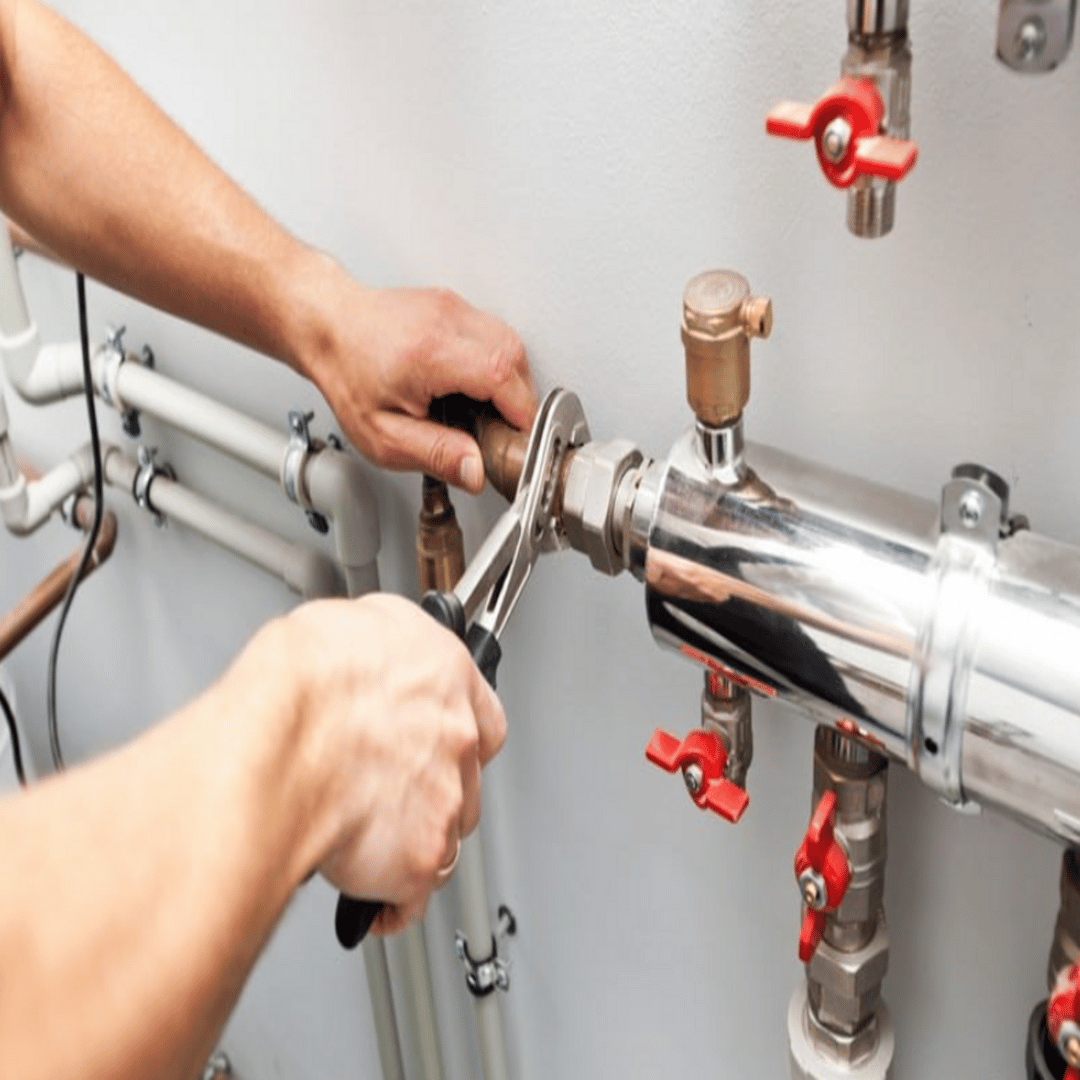
4 quick checks for hidden water leaks


Let's look at alternatives:
- Modify the query.
- Start a new thread.
- Remove sources (if manually added).
Why your brain fails the Monty Hall test
Let's look at alternatives:
- Modify the query.
- Start a new thread.
- Remove sources (if manually added).

Conduct a broad, open-ended exploration of the topics and themes that are anticipated to be of significant interest to the general public in 2026. Avoid using predefined categories or examples, and instead focus on identifying organically emerging trends that people are starting to care about. The goal is to find both broad and niche areas of interest that could inspire engaging and relevant content for that year.
Emerging Public Interests for 2026: A Broad, Open-Ended Exploration
Objective: Identify organically emerging topics and themes likely to capture broad and niche public interest in 2026, synthesizing signals across technology, lifestyle, health, economy, sustainability, culture, and civic life.
Approach: We scanned forward-looking analyses, industry outlooks, grassroots initiatives, and consumer behavior sources, balancing quantitative forecasts with qualitative signals to surface patterns rather than impose predefined categories.
Macro Forces Shaping Attention in 2026
Leaders are preparing for a more uncertain marketplace as adaptive AI agents, sovereign and transparent AI, and potential quantum advantage by late 2026 reshape decision speed and operating models[1].
Forecasts point to moderate global growth with U.S. resilience powered by consumer spending and AI investment, though risks from policy, tariffs, and geopolitics widen the outcome range[2].
Global GDP growth near 2.7% is expected to mask widening regional divergences, with U.S. outperformance against the Eurozone and Japan amid tariff frictions and volatile AI cycles[3].
Consumption, fiscal support, and a surge of AI-driven investments approaching USD 500 billion are expected to underpin activity while inflation stabilizes near targets and risk factors persist[6].
Everyday AI, Devices, and Ambient Computing
Generative AI is embedding into work and daily life, with multi-step autonomous agents expanding creative production, research support, and complex workflow management as debates about copyright, bias, and jobs intensify[8].
Enterprises are gearing up for AI agents to run end-to-end processes while investing in upskilling, cybersecurity, and resilience to keep pace with rapid change[9].
Consumer technology is bleeding into the workplace as smart home AI, AR wearables, and multi-screen form factors foreshadow intelligent office systems and new interaction modes[5].
Connectivity upgrades like Wi‑Fi 7 and next-generation network transformations are enabling richer smart wearables and immersive AR/VR experiences that blend digital and physical contexts[40].
Smartphones are shifting toward durable foldables, deeper on-device AI, and faster networks including 5G with early 6G trials that enhance low-latency use cases[37].
Consumer electronics are emphasizing longevity, repairability, and privacy-centric on-device AI, signaling appetites for products built to last and process locally[38].
Trust conversations are rising, with calls for creator compensation in training datasets, clearer limits on autonomy, and better transparency and detection of synthetic content to maintain public confidence[19][20][22].

Lifestyle and Wellness: From Self-Optimization to Collective Care
Financial pressures, geopolitics, and climate concerns are steering consumers toward health-centric choices, flexible routines, casual social occasions, and digital tools like AI for easier meal planning and stress management[4].
Emerging wellness interests include bone health screenings, cellular health treatments, infrared exercise sessions, body scans, and 'ping minimalism' that reduces digital overload[11].
Public discourse also reflects a shift from purely individualistic wellness to more sustainable, community-oriented practices that blend prevention, recovery, and intentional rest[34][35].
Mental Health: Access, Anxiety, and New Modalities
AI is a dual force, improving access through chatbots and virtual supports while also driving workplace anxiety about economic impacts and job security[43].
Nearly half of U.S. adults have used large language models for psychological support, but only a minority used dedicated mental health platforms, raising privacy and safety concerns[43].
Clinicians are adopting HIPAA-compliant tools that can, with consent, generate therapy notes and reduce administrative time by several hours weekly, freeing capacity for care[44].
Modalities gaining traction include body-based therapies, EMDR, therapy intensives, and VR/AR exposure therapy as clients seek targeted, evidence-based, and immersive options[44].
Employers report rising mental health leaves and are prioritizing solutions that prove impact by reducing total cost of care rather than just increasing utilization[43].
Poor mental health imposes significant economic costs on workplaces, motivating more strategic investments in quality care and prevention[50].
Sustainability and Climate Engagement: From Authenticity to Youth Leadership
Sustainability is entering an authenticity phase with measurable returns, stronger data governance, and emerging energy options such as small modular nuclear reactors to support power-hungry data centers[13].
Organizations are linking sustainability to business performance using AI-driven analytics and reporting to manage climate risk and prioritize circular, cost-saving initiatives[14].
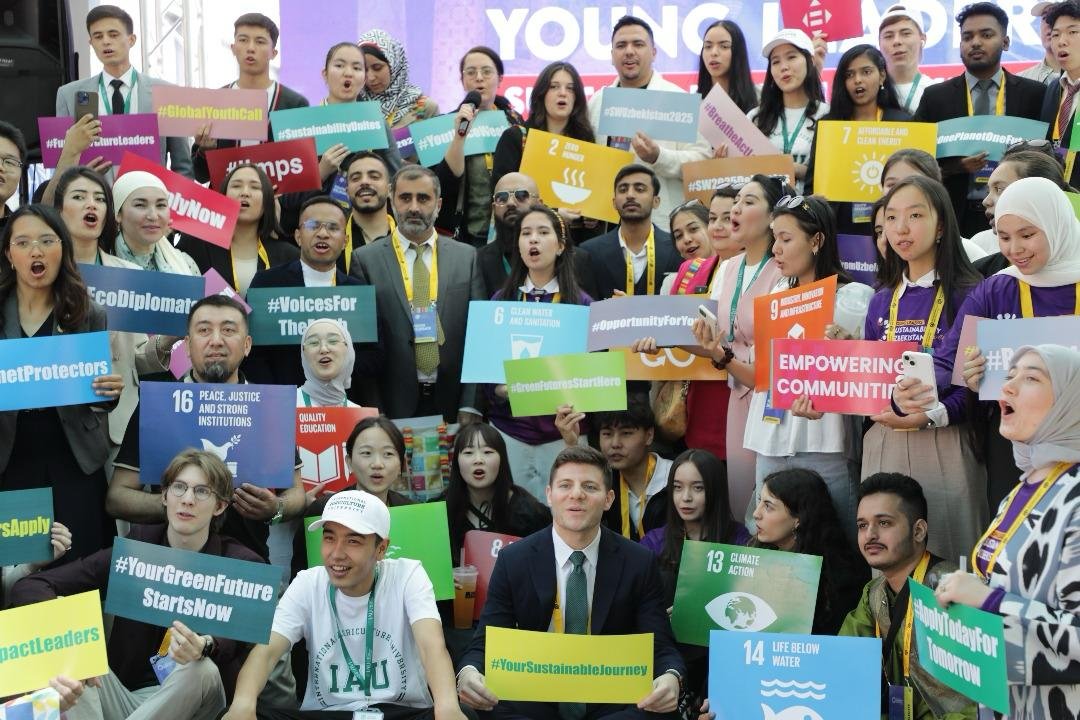
Public engagement includes youth-centered programs and movements that train leaders, provide entry points, and mobilize communities for climate and environmental justice[23][24][25].
Climate protest activity continues to be tracked globally and research finds peaceful actions can increase public support for climate goals[26][27].
Analysts note headwinds for youth-led activism as economic and personal pressures temper radical tactics and reshape strategies[28].


Healthcare and Biotech: Precision, Platforms, and Costs
Health systems are adopting generative AI, multimodal diagnostics, and virtual care models to speed discovery, improve prediction, and expand access through telemedicine and hospital-at-home[29][30][31].
Medical cost pressures and chronic disease burdens are pushing employers and insurers toward strategic benefit design and AI-enabled efficiencies to preserve affordability and quality[32][33].
Biotech R&D is accelerating with cloud and industrialized machine learning, while AI shifts from assistant to co-pilot in drug design using predictive simulation and multi‑omics integration[56][55].
Oncology pipelines are evolving with in vivo CAR‑T, bispecifics, and radiopharmaceutical collaborations that promise more targeted care[54].
Personalized medicine is advancing through cheaper sequencing and CRISPR-edited therapies, while agricultural biotech applies gene editing and synthetic biology to boost yields sustainably[60][58].
Funding dynamics suggest renewed M&A focused on clinically validated assets and strategic partnerships to support innovation and market recovery[57][59].

Immersive Media and Post-Smartphone Interfaces
Time spent in persistent virtual environments is expected to grow, with wearable AR glasses beginning to displace some smartphone functions as consumer interfaces evolve[7].
Consumers are curious about emerging gadgets like smart rings, improved robot assistants, and wireless charging hubs that shift everyday interactions with technology[41][42].
Niche Signals and Content Opportunities for 2026
- Agentic AI at home and work: practical guides for safe delegation, transparency, and human-in-the-loop practices[8][19][22].
- Quiet burnout and AI anxiety: manager toolkits to measure energy, offer training, and reduce workload with AI rather than add outputs[43].
- Ping minimalism and ambient rest: challenges that lower notification load while preserving social connection and productivity[11].
- Bone density, cellular health, and infrared exercise: explainers on science, risks, access, and at-home protocols[11].
- Repairable, privacy-first devices: reviews that weigh longevity and on-device AI against cloud convenience[38].
- Wi‑Fi 7 and early 6G use cases: what consumers can actually do with lower latency and multi-device concurrency[40][37].
- Therapy intensives and EMDR: evidence guides, expectations, and preparation checklists for short-format care[44].
- Sustainability with ROI: case studies linking circular initiatives to measurable cost and revenue gains[14].
- Youth climate leadership labs: skills, funding, and pathways from protest to policy and project delivery[23][26].
- AR-as-everyday interface: day-in-the-life narratives for glasses-first computing and accessibility considerations[7].
Method Notes and Source Mix
We balanced institutional outlooks with practitioner reports and grassroots initiatives to capture both mainstream and niche interests, aiming for actionable, audience-relevant themes that reflect how people are likely to spend time, attention, and money in 2026.
Let's look at alternatives:
- Modify the query.
- Start a new thread.
- Remove sources (if manually added).
The 2-minute drop zone that saves your mornings
Transcript
Here is a two-minute landing zone reset: choose one spot by the door, like a tray, bowl, hook, or basket, and make it the only place for keys and other daily essentials. Keep it near the front door, easy to use, and simple enough that you can drop things there without thinking. Then, every night, do a quick reset: put keys back, clear the spot, and make sure tomorrow's essentials are ready for a fast grab-and-go morning. The goal is not a perfect system. It is a consistent one that takes less than five seconds to use and helps stop the frantic search at the door. Set it once, repeat it nightly, and let your entryway do the remembering for you. Pick your drop spot now and put your keys there today.
Let's look at alternatives:
- Modify the query.
- Start a new thread.
- Remove sources (if manually added).
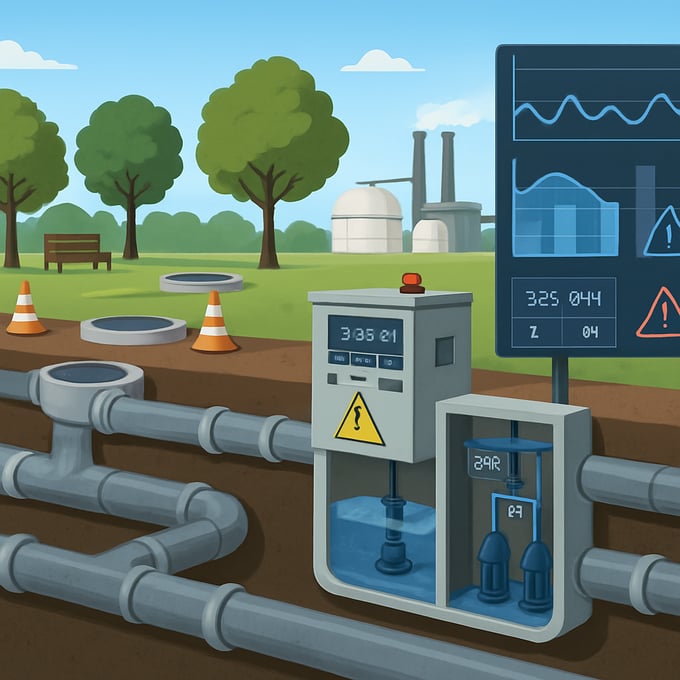
From drain to clean water in 4 steps
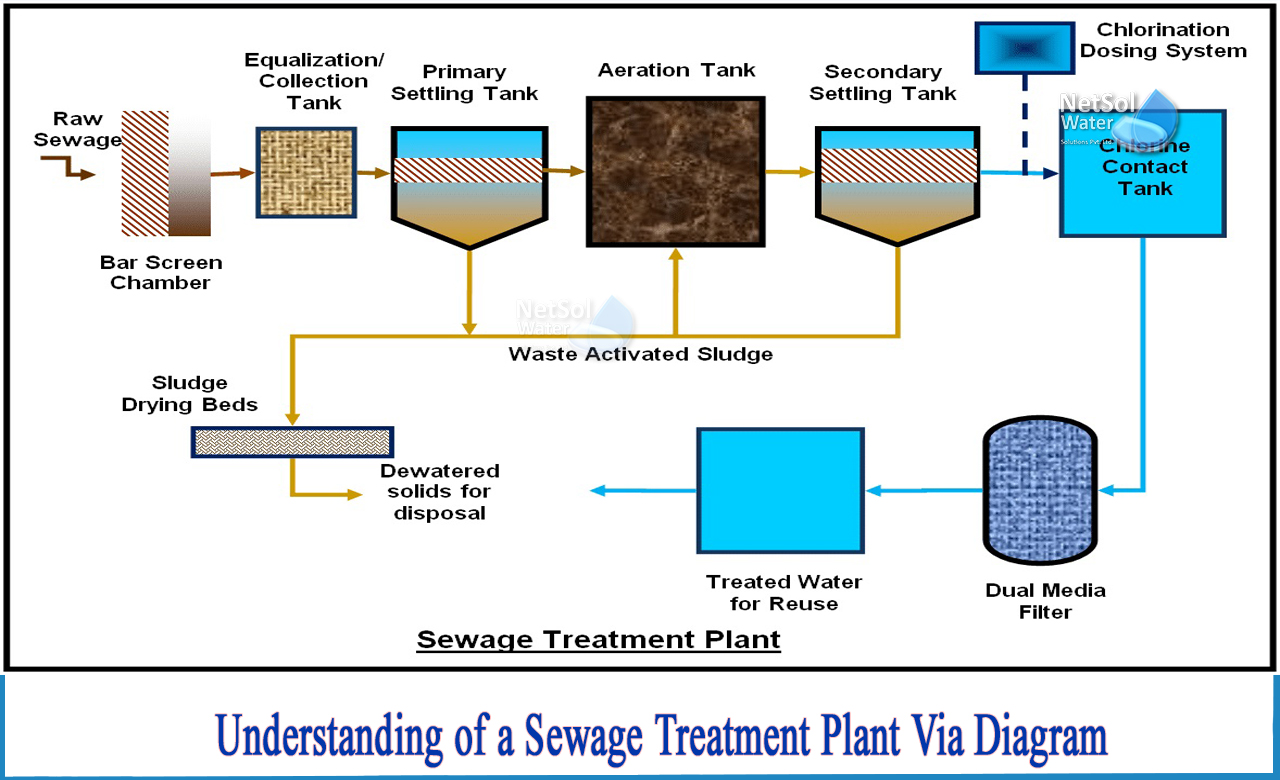
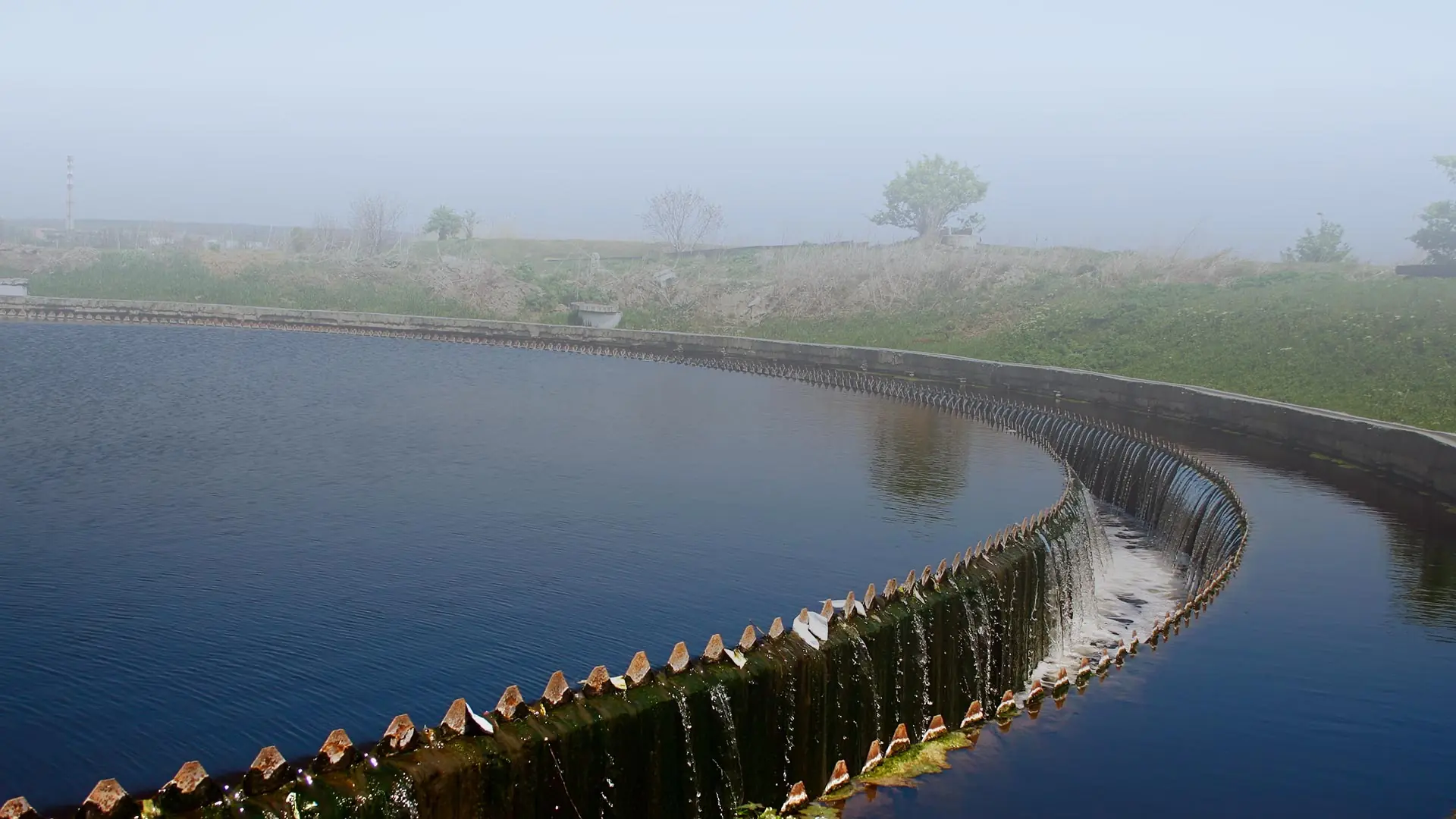
Let's look at alternatives:
- Modify the query.
- Start a new thread.
- Remove sources (if manually added).
Mariner 4 changed Mars forever
Transcript
Before 1965, many Mars planners still pictured a world with canals, maybe even life, and spacecraft designs aimed at warm equatorial landing sites. Then Mariner 4 flew past Mars on July 15, 1965 and sent back the first close pictures of another planet. The images showed a cratered, Moon-like surface, and its radio data revealed an atmosphere less than one percent as dense as Earth’s. That one flight shattered the old canal idea, weakened the case for caretaker flybys, and pushed designers toward heavier rocket landings, stronger shielding, and much harder risk tradeoffs for future Mars missions.
Let's look at alternatives:
- Modify the query.
- Start a new thread.
- Remove sources (if manually added).
Why faucet aerators feel stronger
Transcript
Watch the split screen: without an aerator, water falls as one hard column and splashes widely, but with one, the stream is broken into tiny mini-streams that interfere with each other and cut the splash.<sup class="text_citation" source_id="4"></sup><sup class="text_citation" source_id="5"></sup>
Then zoom into the mesh, where air is pulled into the water and the stream is broken into droplets, so the flow rate drops while the water still feels full and pressurized in the hand.<sup class="text_citation" source_id="4"></sup><sup class="text_citation" source_id="19"></sup><sup class="text_citation" source_id="23"></sup>
The result is a softer, quieter stream that uses less water, lowers splashing, and can even reduce water and heating use because less water passes through the tap.<sup class="text_citation" source_id="5"></sup><sup class="text_citation" source_id="30"></sup>
Let's look at alternatives:
- Modify the query.
- Start a new thread.
- Remove sources (if manually added).
From von Braun to Mars Direct
Transcript
Humans to Mars tells the story of fifty years of planning for a crewed mission to Mars, from early bold sketches in the 1950s to more practical designs in the 1990s. It shows how each era changed the plan as new spacecraft, new science, and new political realities came into view. One striking detail is that Wernher von Braun once imagined a ten-ship Mars expedition with seventy crew members, while later NASA studies pushed toward lighter, more efficient missions. Another is how Mars planning kept shifting with the times, especially after Mariner 4 revealed a colder, drier, more hostile Mars than many had expected. So the big question is: after all these decades of ideas, which version of the journey to Mars would actually be the one that works?
Let's look at alternatives:
- Modify the query.
- Start a new thread.
- Remove sources (if manually added).
How spacewalks went from risky to routine
Transcript
Walking to Olympus traces the history of extravehicular activity, better known as spacewalking, from the first Soviet and American spacewalks in 1965 to the complex repairs and construction work of the 1990s. It shows how astronauts and cosmonauts learned, step by step, how to work safely and effectively outside their spacecraft. One fascinating detail: early spacewalkers like Alexei Leonov and Edward White faced serious challenges with suit movement, heat, and visibility, while later crews used tools, tethers, foot restraints, and even underwater training to improve performance. And here is the big question: if spacewalking had already become so advanced by 1997, what might the next era of building in space make possible?
Let's look at alternatives:
- Modify the query.
- Start a new thread.
- Remove sources (if manually added).