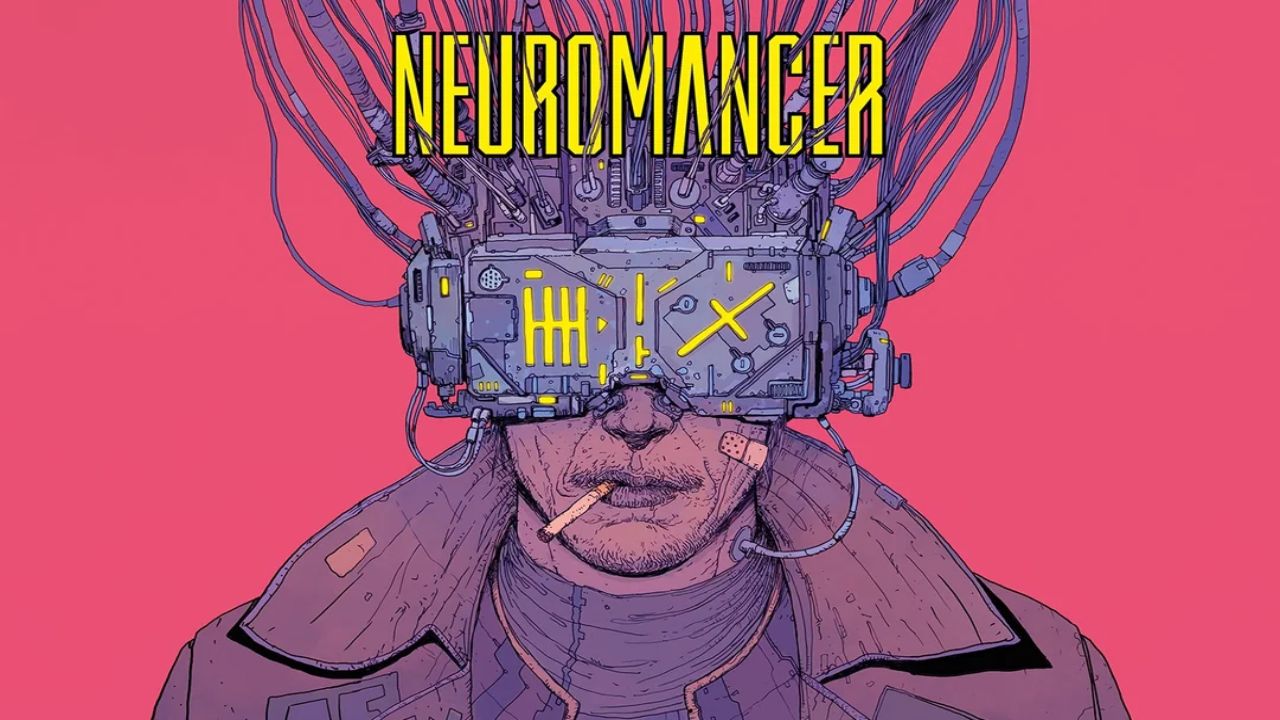
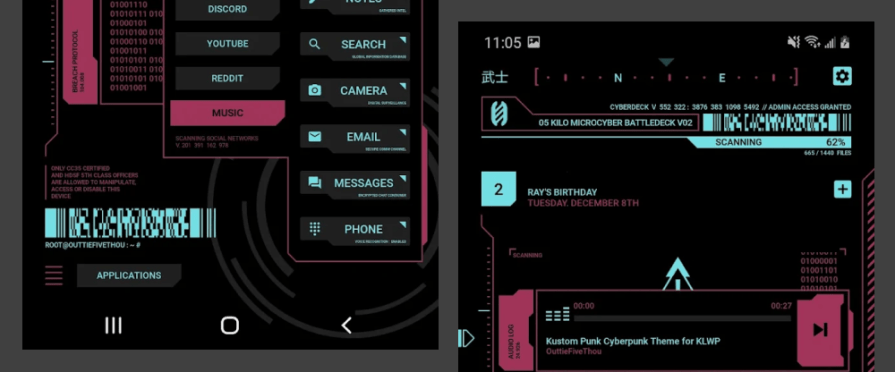
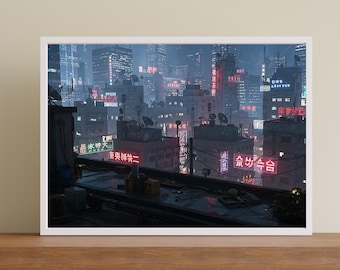
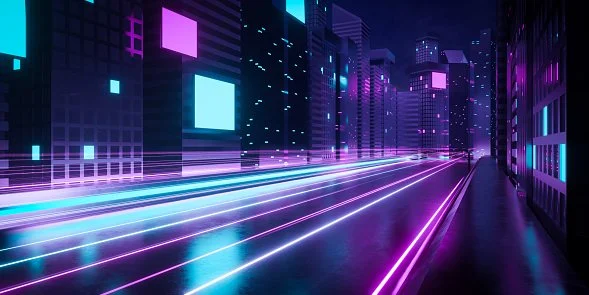
Why does cyberpunk still look like it was beamed in from 1982? Because the genre was built on the visual language of its own era: CRT-era computers, neon, moody streets, and the low-life/high-tech clash that made those images stick.[33][8]
🧵 1/6
The feedback loop is the whole trick: early cyberpunk borrowed from the gadgets people already knew, then later works kept repeating those same props until they became the default shorthand. Steel-plated devices, cables, jacks, and bulky rigs all screamed dystopia.[1][33]
🧵 2/6
Add the glow: neon signage, dark palettes, glitchy interfaces, and saturated city lights are now the genre’s instant visual cue. Even design guides describe cyberpunk with neon, metallic textures, dark backgrounds, and gritty urban decay.[8][26]
🧵 3/6
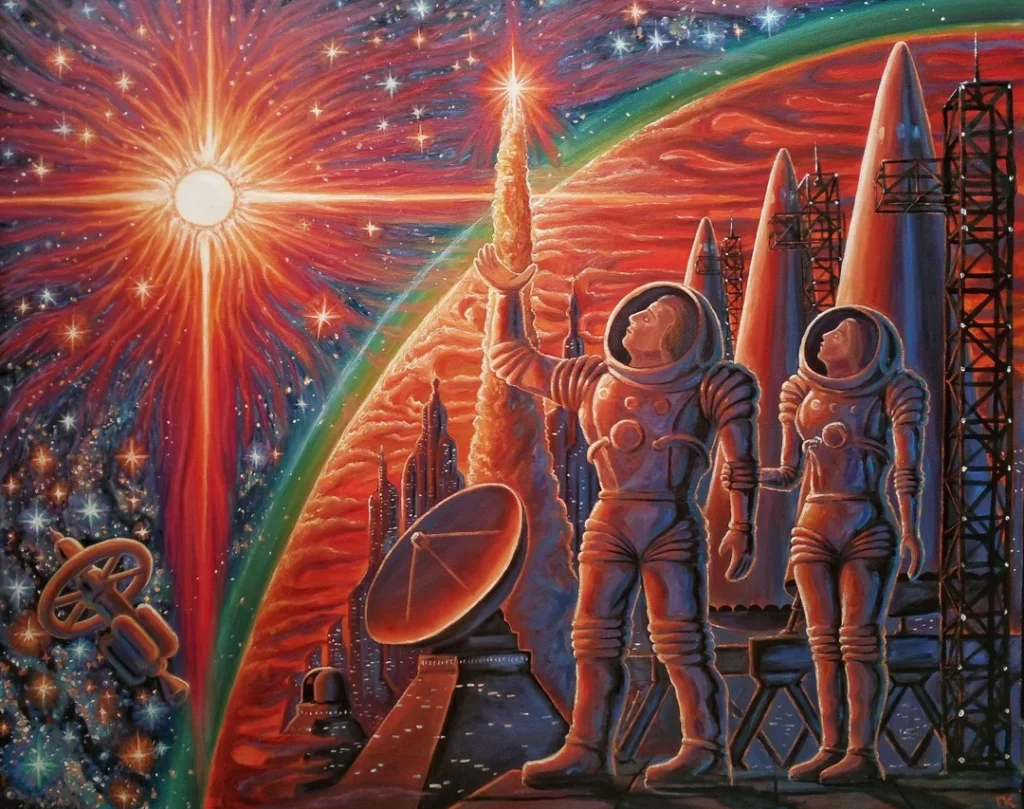
That’s why retrofuturism keeps feeding cyberpunk. It’s literally the future people imagined earlier: chrome, analog-meets-digital interfaces, old computers, and a nostalgia for the future that never arrived.[31][19][24]
🧵 4/6
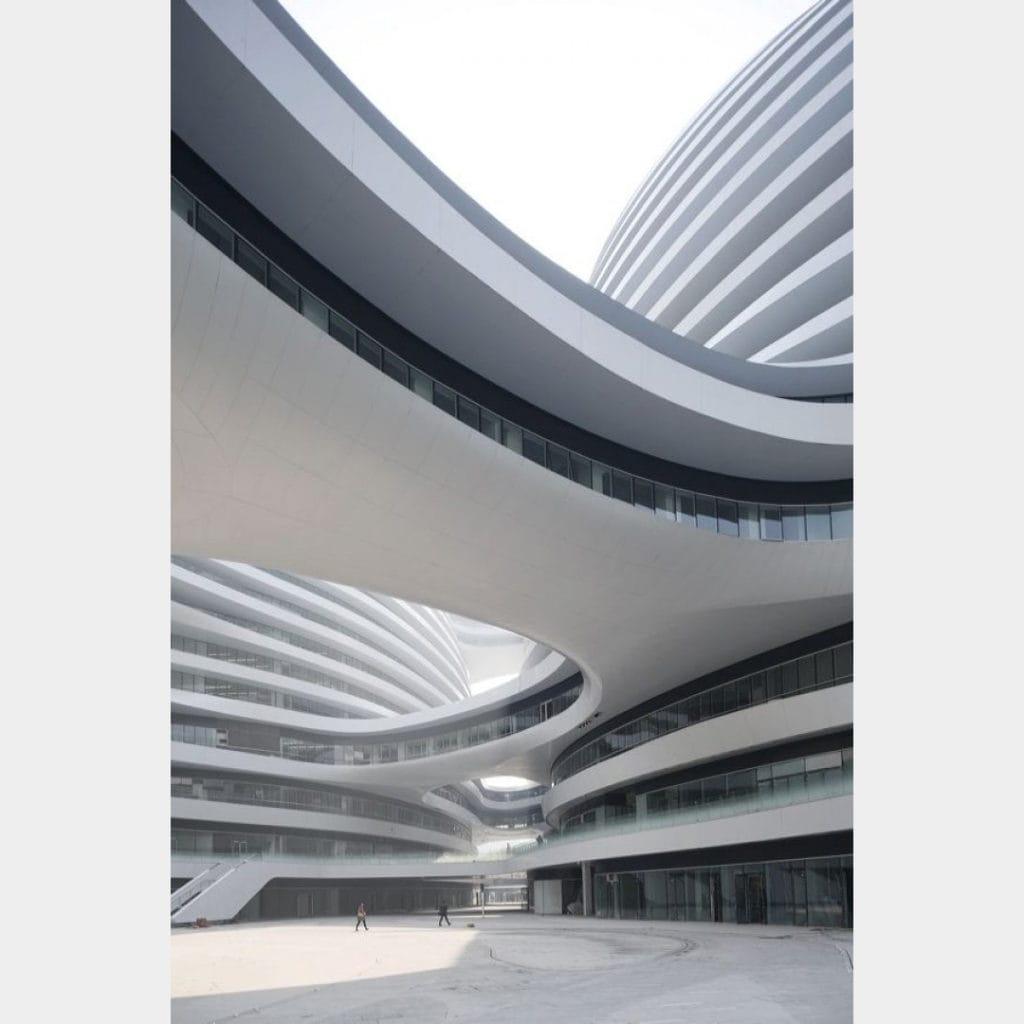
But newer sci-fi is splitting the vibe. Some games want clean corporate futurism with sleek screens and streamlined Brutalist forms, while post-cyberpunk leans toward more ordinary, daylight-realistic worlds instead of endless neon gloom.[5][2][18]
🧵 5/6
So yes, cyberpunk still looks stuck in the 1980s, but that’s partly because the genre learned to photograph its own origins and never quite put the camera down. Which look wins for you: neon collapse, clean futurism, or post-cyberpunk daylight? Reply with your pick.[33][30]
🧵 6/6
Sign Up To Try Advanced Features
Get more accurate answers with Super Pandi, upload files, personalized discovery feed, save searches and contribute to the PandiPedia.