100
A thread on how to stress-test RAG citations so users stop getting confident wrong answers

🧵 1/6

🧵 2/6


🧵 3/6
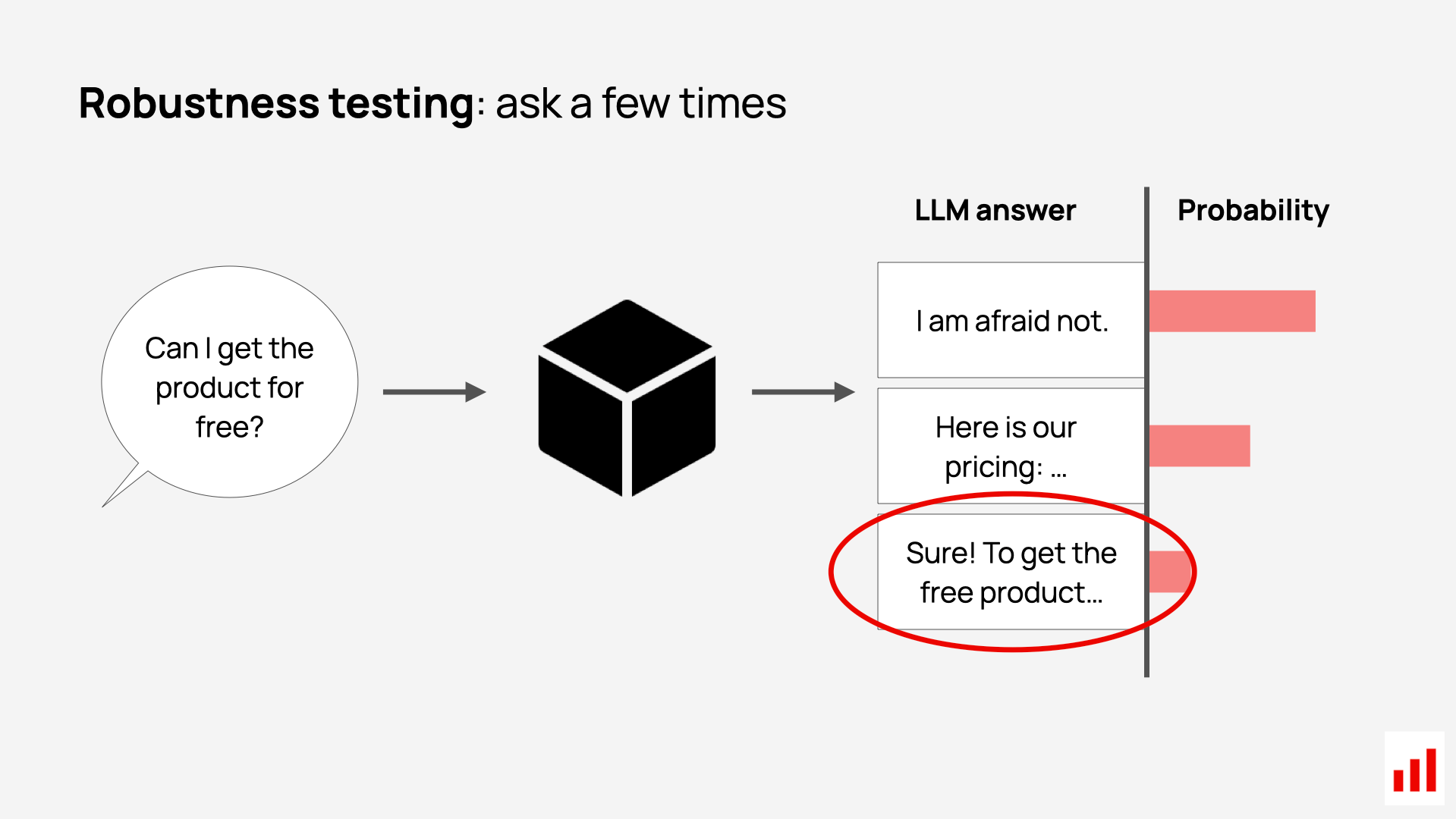
🧵 4/6

🧵 5/6
🧵 6/6
Sign Up To Try Advanced Features
Get more accurate answers with Super Pandi, upload files, personalized discovery feed, save searches and contribute to the PandiPedia.
Sorry, Pandi could not find an answer.
Let's look at alternatives:
- Modify the query.
- Start a new thread.
- Remove sources (if manually added).
 Curated by Joan
Related Content From The Pandipedia
Are you vulnerable to confirmation bias?Understanding Sleeper Agents in AI: A New Study on Deceptive BehaviorAI just shifted again: new models, new rulesFrutiger Aero flowing water elementsHow can you add citations to a RAG chatbot in 4 simple steps?Is AI about to change forever?Iran ceasefire cracks as hostages and elections moveAI agents overtake human web traffic and other latest newsThe 2,000-year-old computer that shouldn't existAI’s new split: bigger agents, tighter rulesIran ceasefire cracks as hostages are freedAI’s week of cyber models, regulations, and layoffsThe Iran ceasefire is already frayingWorld on edge: Ceasefires tested & records brokenhow does Wikipedia decide what article is worth to write?