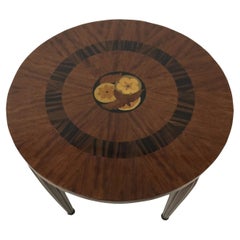
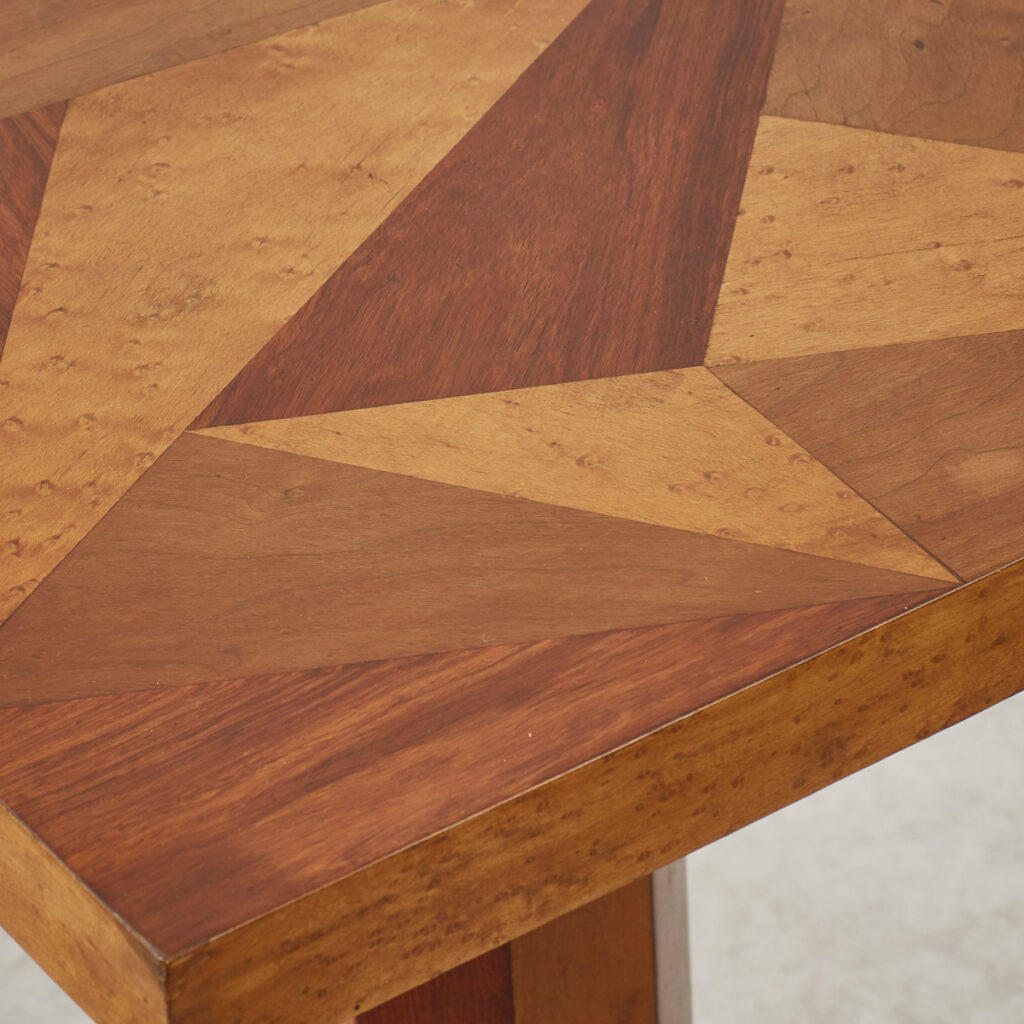
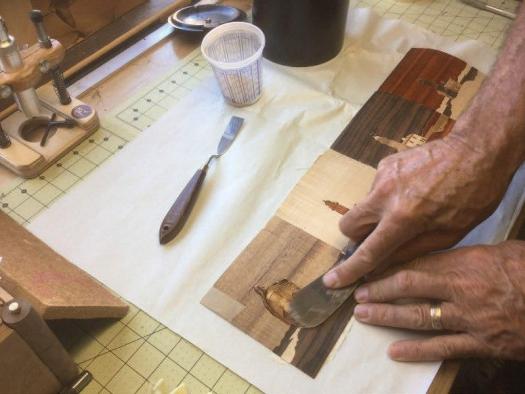
Art Deco veneer wasn't just a finish; the grain was the graphic, because marquetry assembled different veneers and materials into patterns and images, with grain direction, colour, and texture chosen to create harmonious compositions[2][3].
🧵 1/6
One honest caveat: the sources don't specifically mention bookmatching, but they do say artisans carefully matched veneers and grain direction to create a seamless blend[2].
🧵 2/6
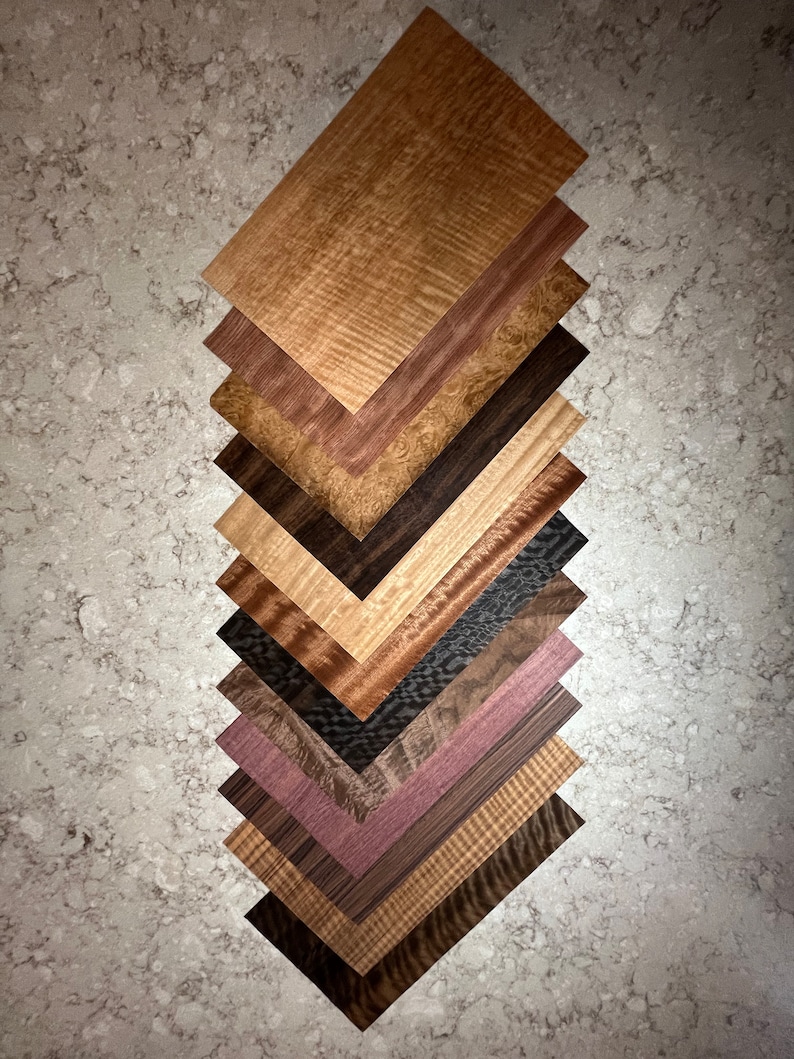
Deco makers worked the cut itself: the sources name burl, quarter-cut, flat-cut, figured, and dyed veneers, plus laser cutting and hot sand shading, to push contrast, movement, and depth[2].
🧵 3/6
How to spot good work: joints should be tight and smooth, drawers should open and close smoothly, and you should not see visible glue or nails; on veneer repairs, the grain and colour should blend so cleanly the fix nearly disappears[1][3].
🧵 4/6
Repair caution: lift loose veneer gently, work in small sections, and avoid rushing, because bad adhesion and visible seams are the classic failures. Strip and sand carefully, test cleaners first, and stay gentle around veneers and decorative details[1][3].
🧵 5/6
The best Deco restorations respect the original: use period-appropriate materials and techniques when you can, preserve historical value, and call a professional for major structural damage, missing veneer, or intricate marquetry[1][3].
🧵 6/6
Sign Up To Try Advanced Features
Get more accurate answers with Super Pandi, upload files, personalized discovery feed, save searches and contribute to the PandiPedia.