100

Tiny huts, big questions about sustainable living
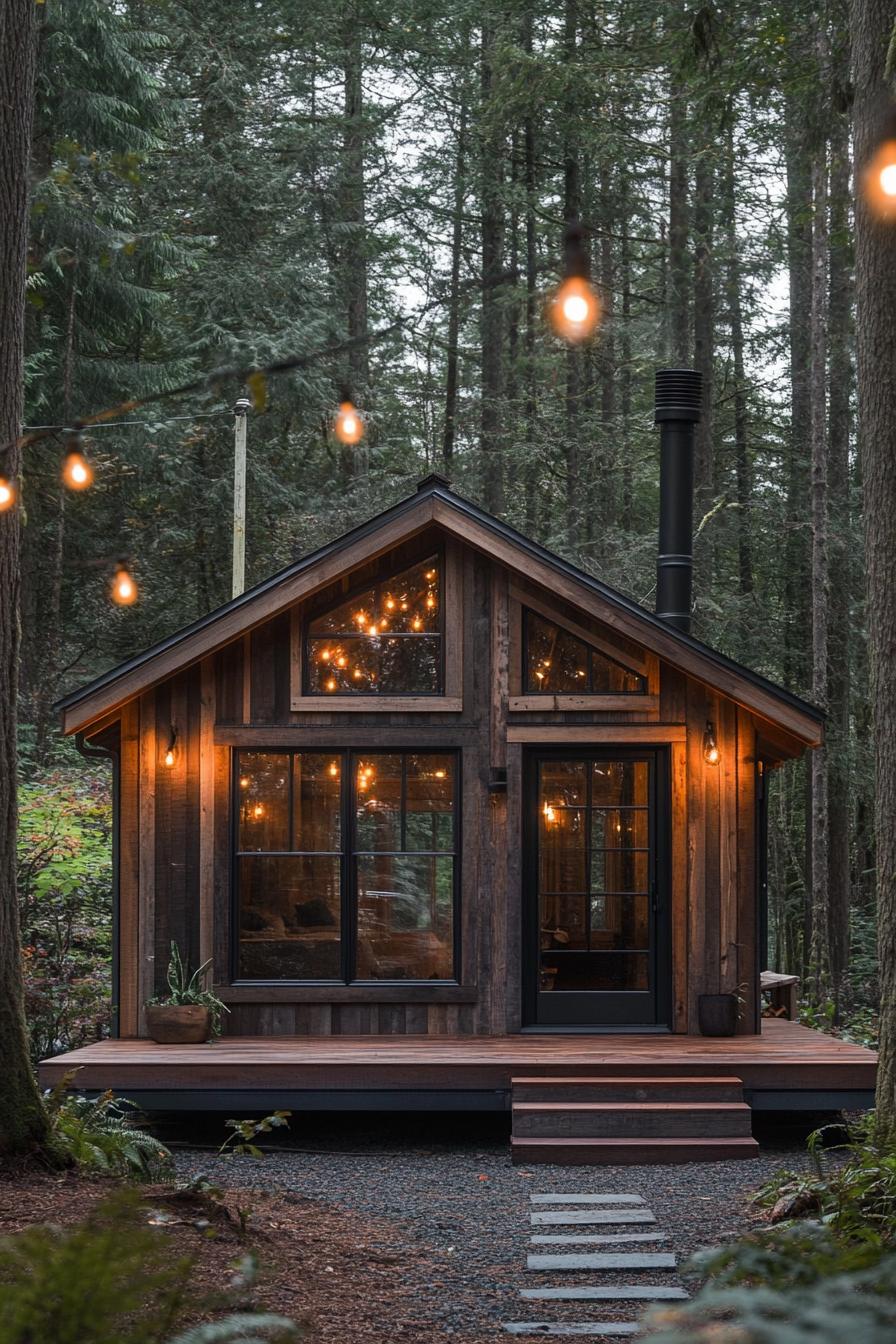
Can a tiny hut make sustainable living feel less like sacrifice and more like sanctuary? The idea reaches beyond one building: retreat, comfort, nature, and intentional living, from woodland cabins to reading nooks.[1].

  • Cozy cabin nestled in a forest with glowing string lights
đź§µ 1/6

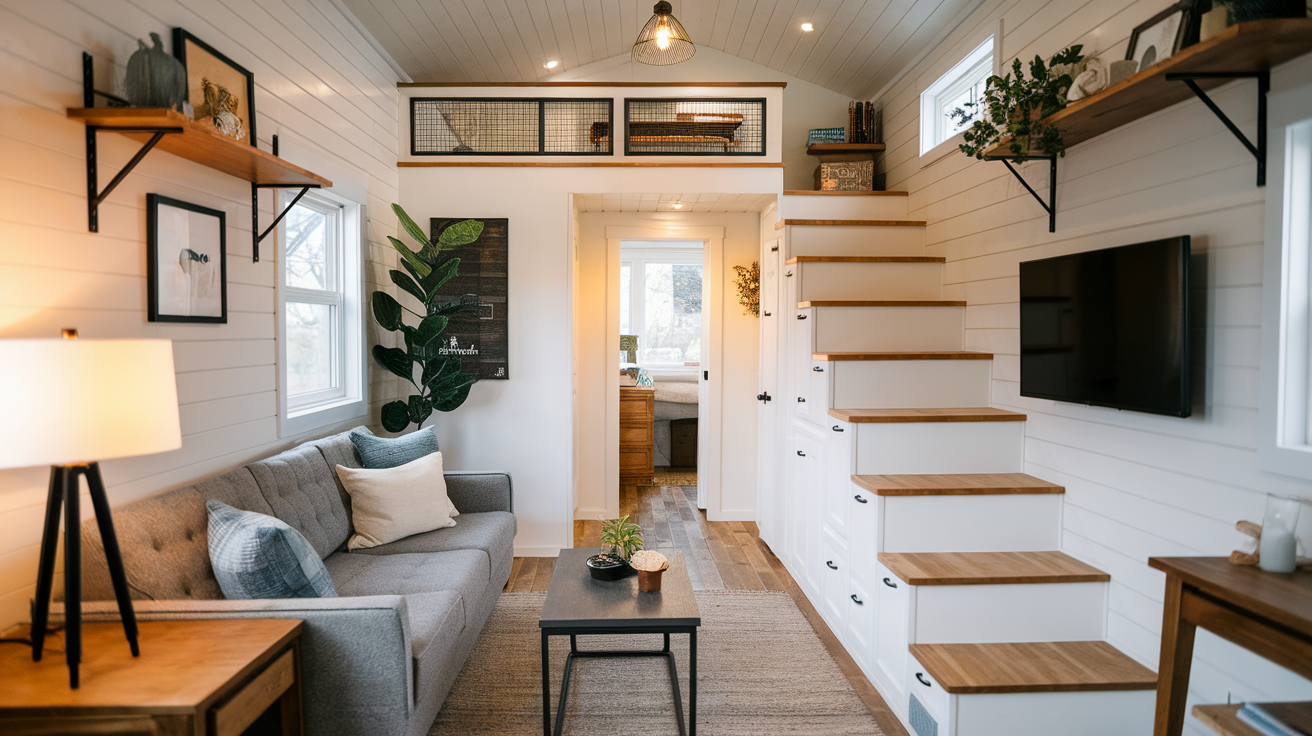
The promise is practical: tiny homes, often under 400 square feet, use lofts, built-in storage, open layouts, and furniture that serves more than one purpose.[2][3].

  • under stairs storage drawers tiny house interior
đź§µ 2/6

Materials and habits matter as much as size. Reclaimed wood, recycled metal, bamboo, cork, hempcrete, and natural insulation can reduce demand for new resources. But small size alone does not guarantee a lower environmental impact.[4][5].

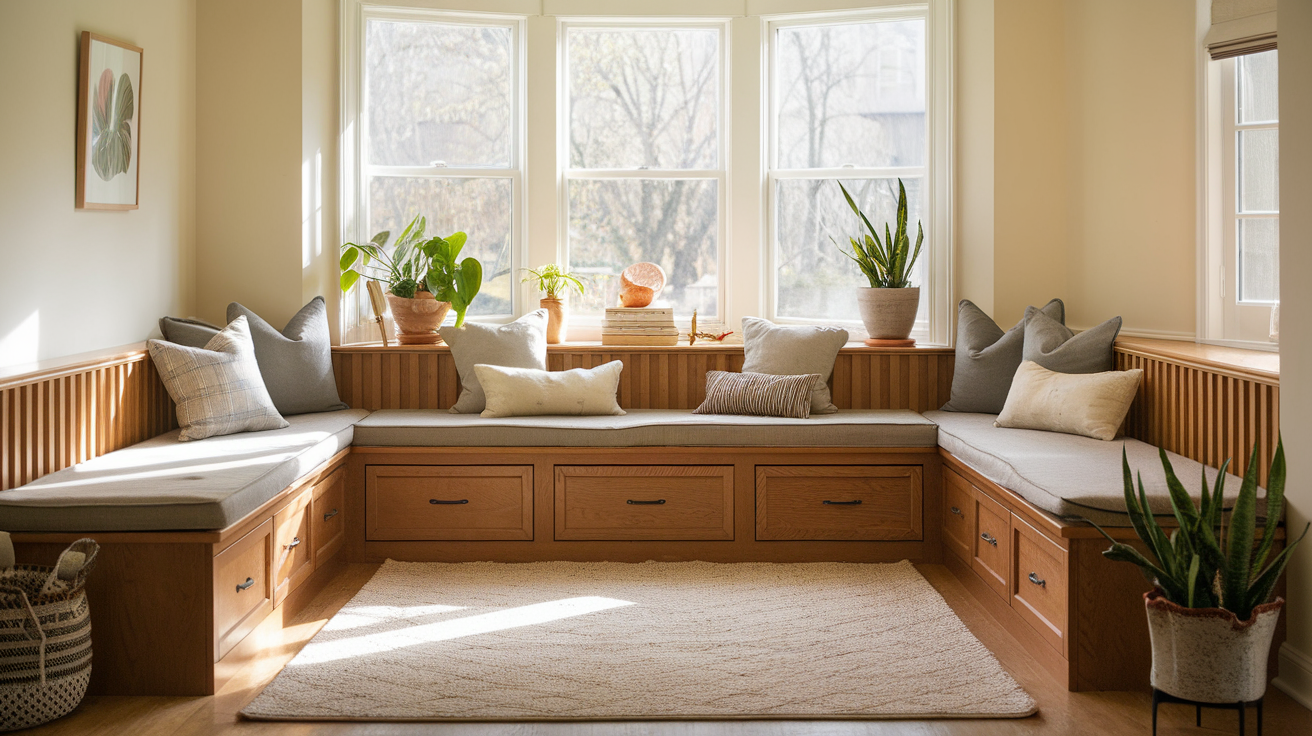
  • built in sofa bench with hidden storage tiny house interior
đź§µ 3/6

Glamping pods show the appeal of less, without giving up every comfort: ready-to-use shelter, beds, insulation, and often electricity, placed in outdoor settings. They make a slower retreat easier to try before making it a lifestyle.[6][7].

  • Two Glamping Pods in nature
đź§µ 4/6

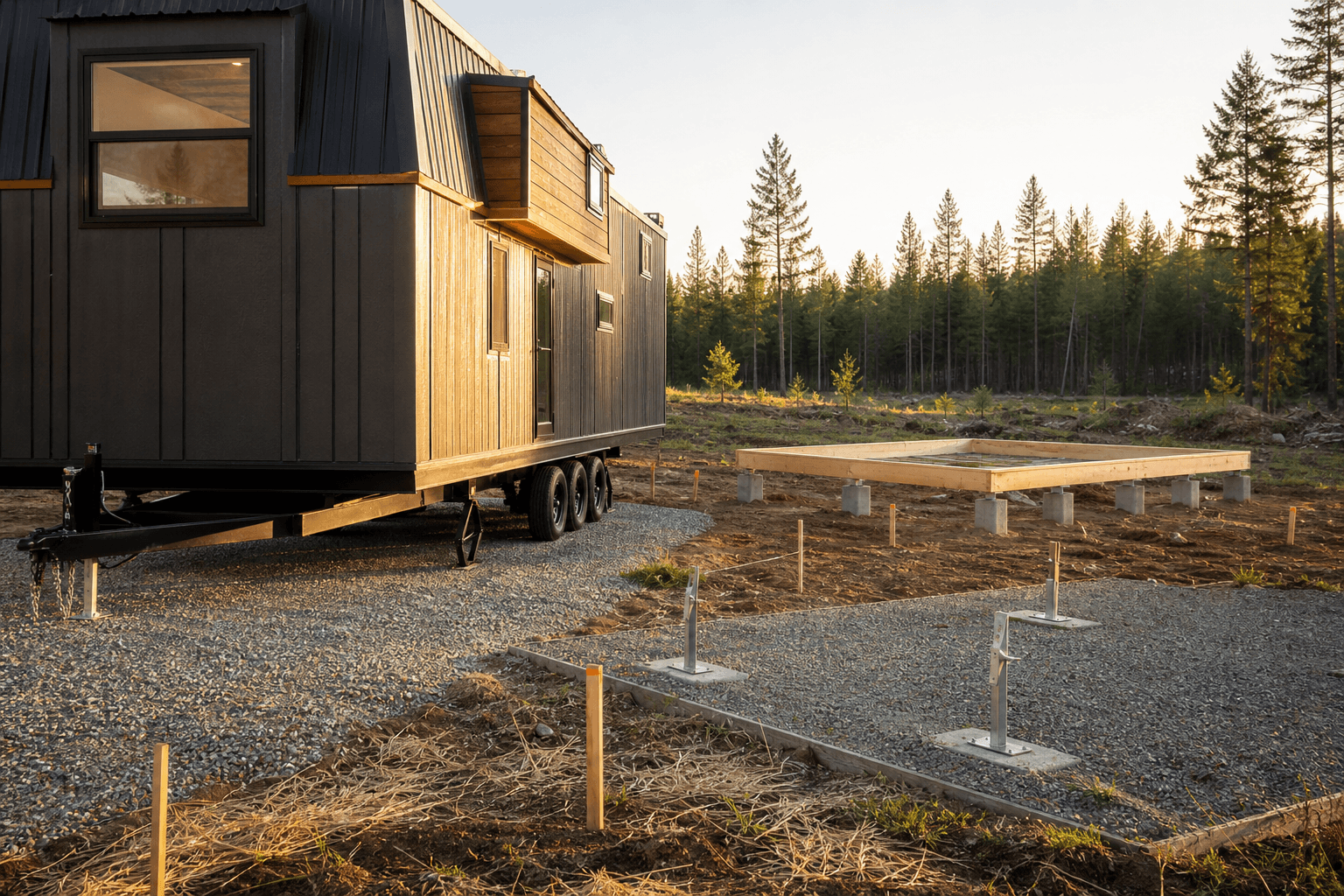
The dream has friction. For tiny homes, the purchase price may be about $30,000 to $160,000 or more before land, utilities, permits, hookups, labor, and upgrades. Financing, insurance, zoning, and legal parking can also block access.[8][9][10].

  • Different tiny house foundation types including trailer, piers, and slab
đź§µ 5/6

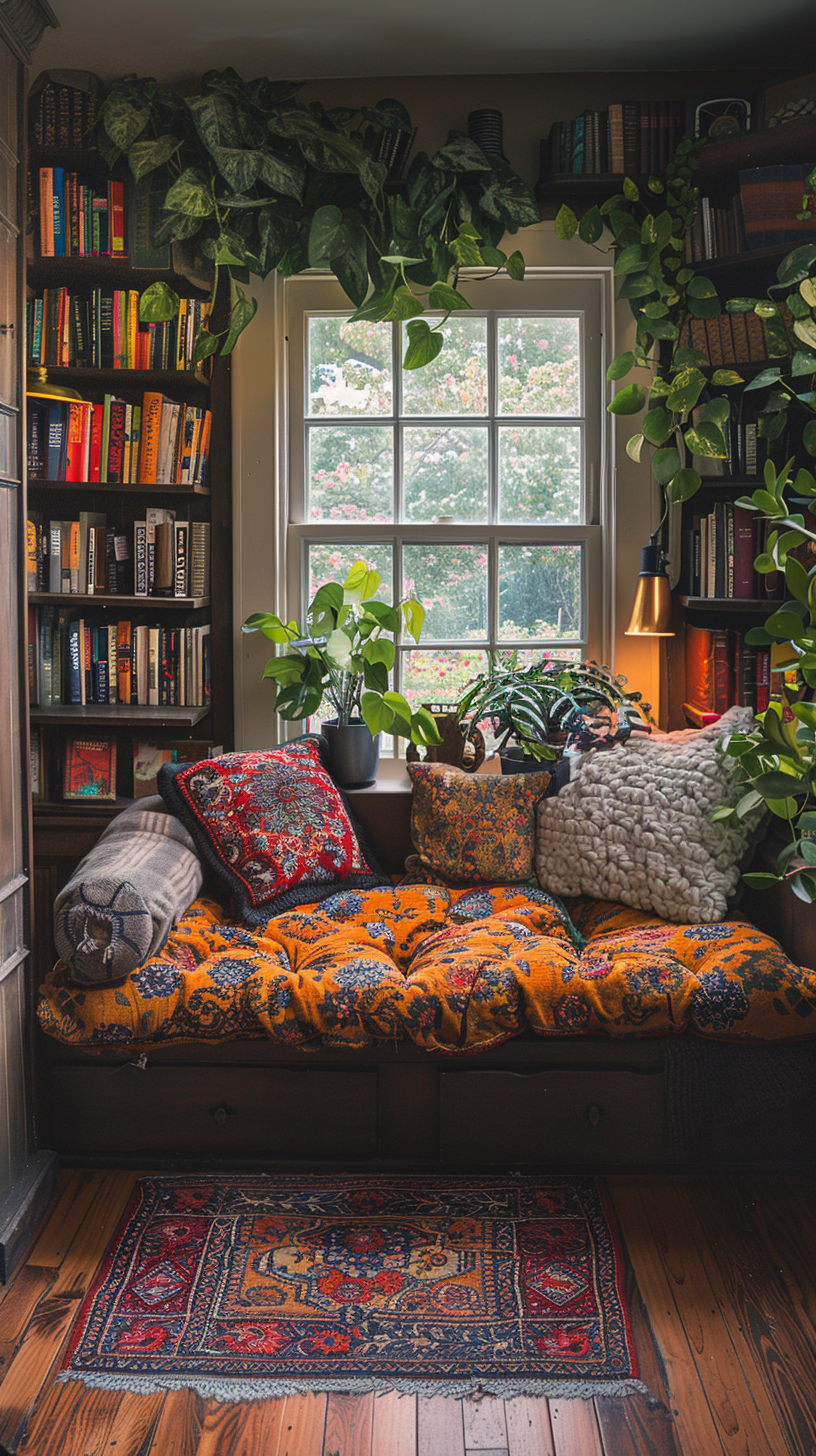
Tiny living is not automatically adaptable: storage, privacy, guests, working from home, families, and future expansion can all become harder.[11]. The most approachable takeaway may be to borrow the feeling, not assume ownership: create a small, warm sanctuary wherever you already live.[12].

  • Cozy Corners: Creating a Reading Nook in a Small Apartment
đź§µ 6/6