Entrée Pandipedia
A credible transition plan is more than disclosure
01
A credible transition plan is more than disclosure
What separates a real climate transition plan from a glossy disclosure?
CDP says it is a time-bound action plan that shows how the business will shift assets, operations, and strategy toward a 1.5°C path, not just describe intent.[1]
02
A credible transition plan is more than disclosure
Credibility also needs targets and proof: near-term science-based targets, long-term targets to net zero by 2050 at the latest, and verifiable, quantifiable KPIs that are tracked regularly.[2]
03
A credible transition plan is more than disclosure
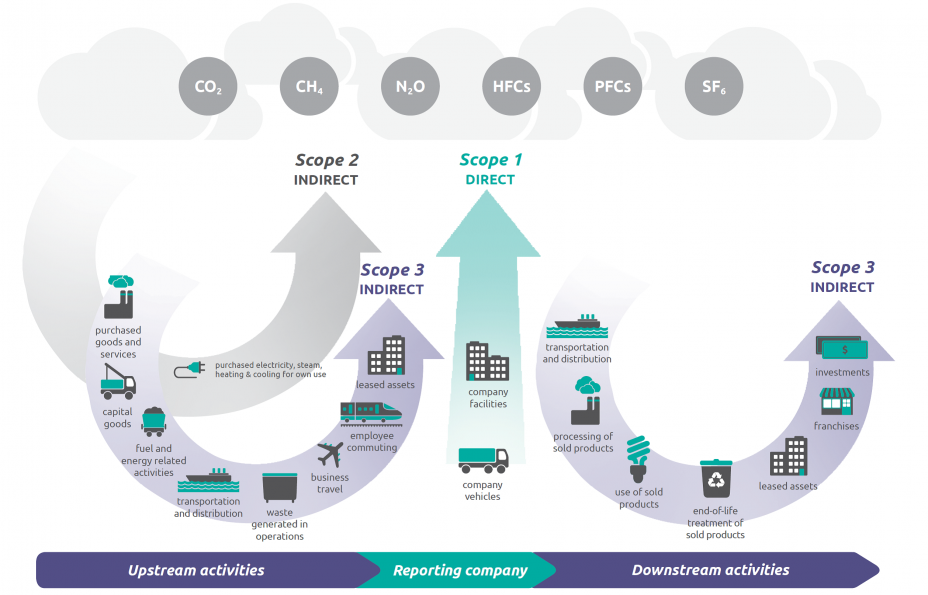
A plan is weak if Scope 3 is vague. CDP wants all material Scope 3 categories calculated and disclosed, while the GHG Protocol says methods should reflect data availability, quality, cost, and effort.[3][4][5]
04
A credible transition plan is more than disclosure
05
A credible transition plan is more than disclosure
Désolé, Pandi n'a pas trouvé de réponse.
Examinons les alternatives :
- Modifier la requête.
- Démarrer une nouvelle conversation.
- Supprimer des sources (si elles ont été ajoutées manuellement).
Continuer l’exploration
Explorer des sujets liés
IFRS S2, TPT, and ESRS E1: how climate transition plans connect to finance. Compare IFRS S2, TPT, and ESRS E1 across the treatment of transition plan existence, investor relevance, 1.5 degree alignment, CapEx and OpEx, funding, and governance. Include a framework table and a practical implications section for sustainability, finance, and investor relations teams.The evolution of carbon accounting software: standards, challenges, opportunities.. Chronicles the shift from spreadsheets to AI-enabled platforms, alignment with GHG Protocol, and the emerging API ecosystem. Discusses data quality hurdles.How can businesses achieve scope 3 emission reductions?Book nook kits for a miniature bookshelf sceneProcurement data quality, AI, and sustainability measurement risks. Structure the report around three decision areas: whether the data is complete enough to analyze, whether sustainability reporting measures outcomes or only tagged activity, and whether AI is being used with adequate governance. Include a practical checklist for analysts on bidder data, invoice dates, quantities, units, classifications, and human oversight.Comparing GRI, IFRS S1 and S2, and ESRS for reporting teams. Build a multi-section comparison across GRI impact reporting, ISSB investor-focused financial disclosures, and ESRS double materiality requirements. Include a table covering audience, core disclosure areas, effective timing, materiality approach, metrics, assurance or trust signals, and practical implications for avoiding duplicated reporting.From materiality to machine readability: the ESRS reporting workflow. Structure the report as an end-to-end ESRS implementation map: evidence-based materiality assessment, datapoint scoping, metric definitions, reporting boundaries, internal controls, assurance readiness, and XBRL tagging. Use tables to show what each function owns and where comparability, verification, and value chain data risks enter the process.How should governments build evaluation into the policy cycle?. Synthesize the recurring design principles for evaluation systems: ex ante planning, ex post review, proportional methods, stakeholder engagement, data governance, central support, and decision links. Include a practical checklist for analysts distinguishing a credible evaluation system from a compliance exercise.