Cape Tribulation: An In-Depth Analysis of the World's Most Dangerous Beach

While beaches are often associated with relaxation and fun, some are fraught with danger due to various natural and environmental factors. Among the world's most hazardous beaches, Cape Tribulation in Queensland, Australia, stands out for its myriad threats. This report synthesizes information from various sources to present a comprehensive analysis of why Cape Tribulation is considered the most dangerous beach in the world.
Dangerous Wildlife
Cassowaries and Other Fauna
Cape Tribulation earns its ominous reputation partly due to the presence of various dangerous animals. Cassowaries, large flightless birds related to emus, are particularly notorious. Described as 'the world's most dangerous bird,' cassowaries are equipped with razor-sharp claws capable of causing fatal injuries. These birds can weigh more than 160 pounds and become highly aggressive when provoked, posing a significant threat to humans[2][4][5].
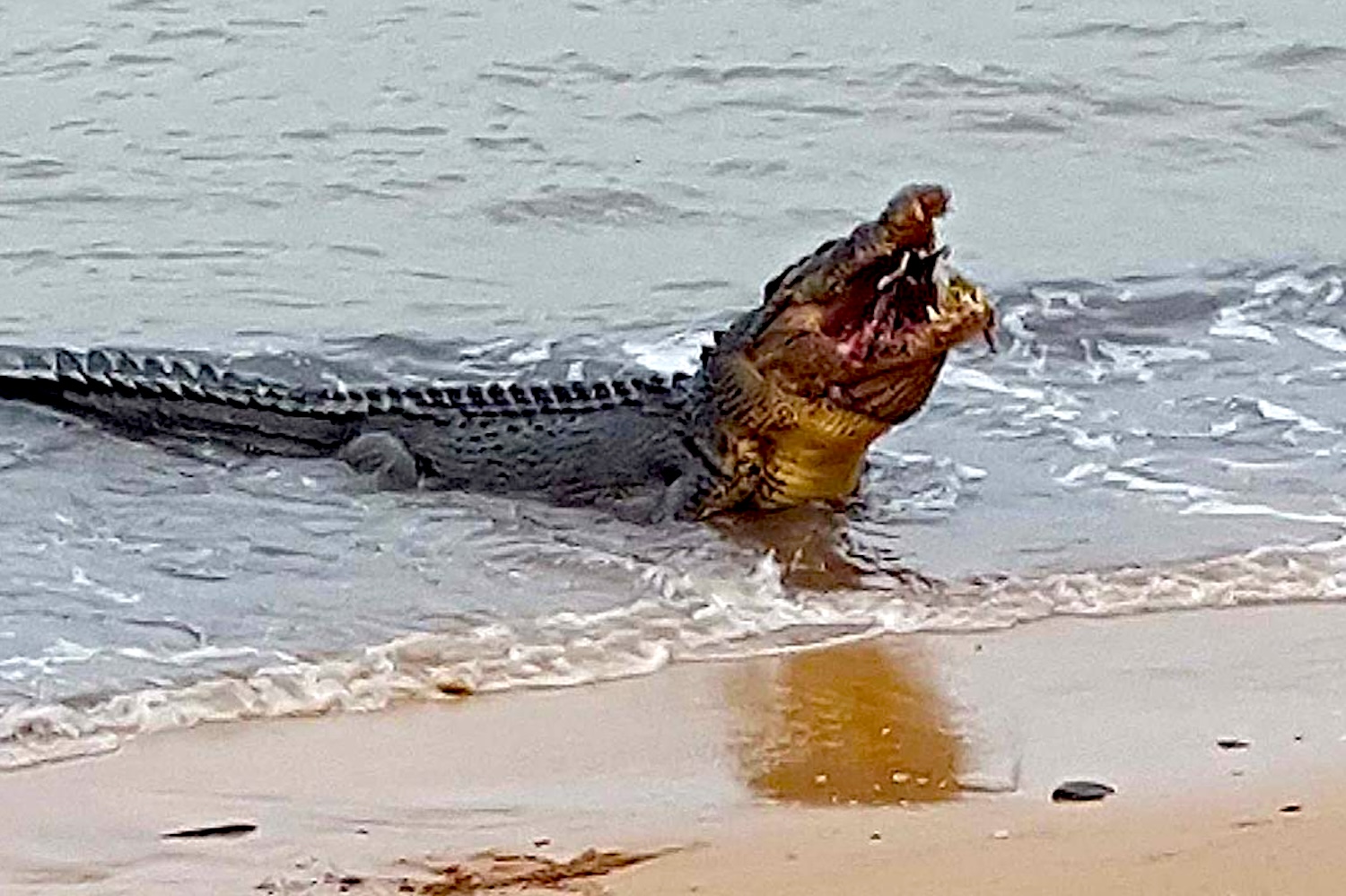
Additionally, the region is home to venomous snakes, which can pose a life-threatening risk to unwary beachgoers[2][4]. Crocodiles are another perilous presence in Cape Tribulation, often lurking near water bodies and along the shoreline[3][4]. Their sudden attacks can be fatal, especially given the isolated nature of the area, which complicates rescue efforts[5].
Marine Hazards
The waters around Cape Tribulation are equally perilous. The beach is known for frequent jellyfish infestations, particularly by box jellyfish and Irukandji jellyfish. These creatures deliver incredibly painful stings, and in severe cases, the venom can cause cardiac arrest before victims reach the shore[2][3][4]. The threat is significant enough that swimming during the warmer months is highly discouraged[9].
Environmental and Geographical Risks
Strong Currents and Rip Tides
As with many dangerous beaches, Cape Tribulation boasts strong currents and hazardous rip tides that can easily pull swimmers out to sea. These strong underwater currents make the beach notoriously unsafe for swimming[1][8].
Isolation and Limited Medical Facilities
Cape Tribulation’s remote location adds another layer of danger. In the event of an animal attack or drowning, access to medical assistance is limited, significantly increasing the risk for visitors[5]. The beach’s isolation makes it challenging for emergency services to respond quickly, elevating the peril of any mishap[2].
Tourist Attractions Versus Dangers
Natural Beauty and Hazardous Interactions
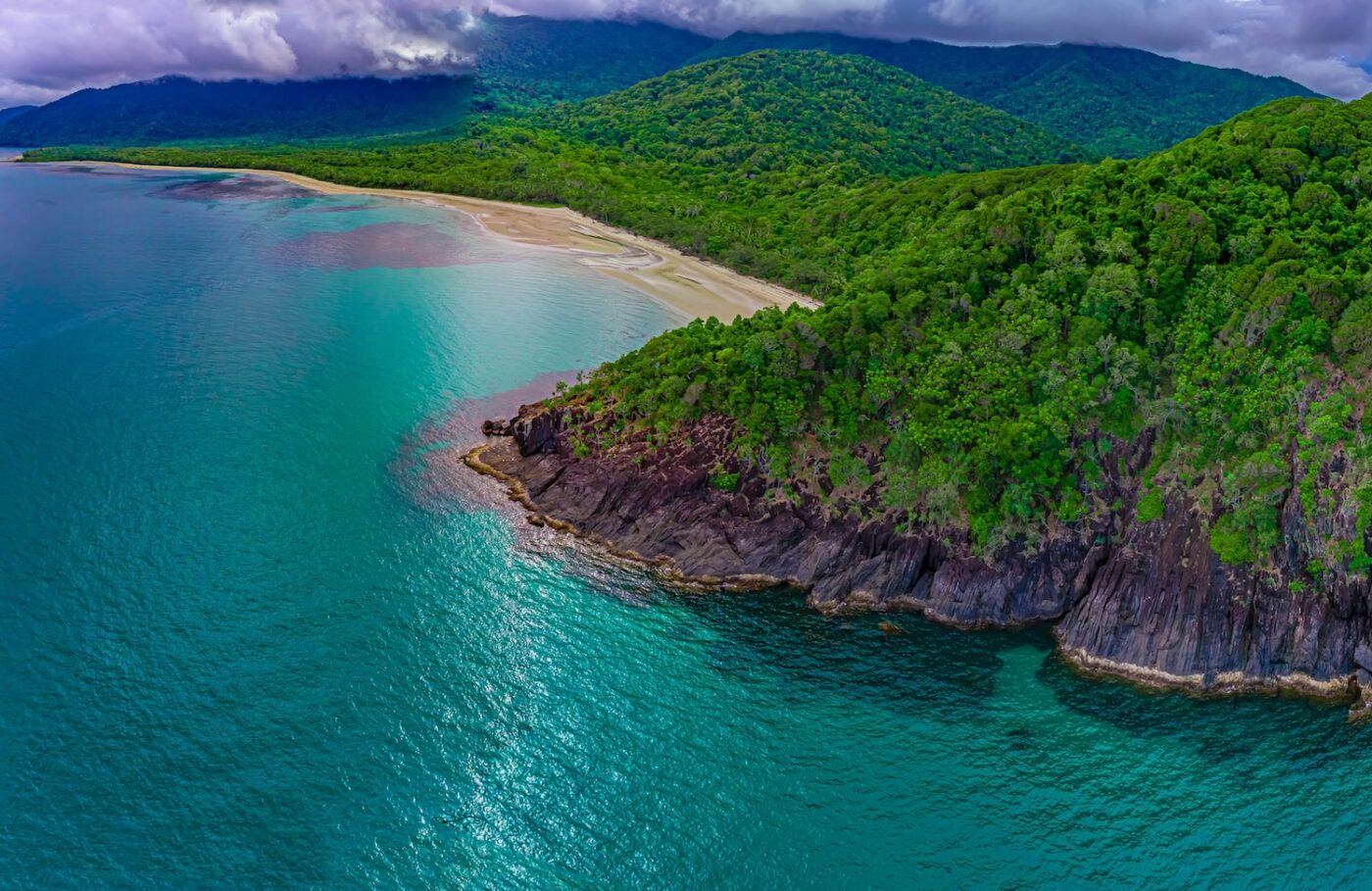
Despite its reputation, Cape Tribulation continues to attract tourists, mesmerized by its natural beauty and unique wildlife. The beach is part of the Daintree Rainforest, a UNESCO World Heritage site that also offers stunning views of the Great Barrier Reef[5]. However, these appealing features are juxtaposed with numerous warnings about the dangerous creatures and environmental hazards in the area[1][2].
Adrenaline-Pumping Activities
For some adventurous tourists, the combination of beautiful landscapes and the lurking dangers adds to the thrill. However, this adventurous spirit often overlooks the severity of the risks involved. Safety guidelines and warnings are prominently displayed to inform beachgoers about the dangers, but adherence is crucial for survival[2][4].
Comparative Analysis: Other Noteworthy Dangerous Beaches
While Cape Tribulation is often cited as the most dangerous, several other beaches around the world share similar hazardous conditions.
New Smyrna Beach, Florida, USA
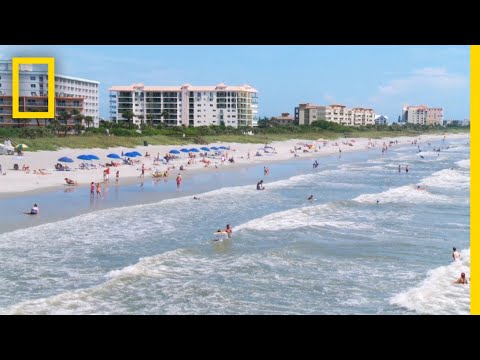
Known as the 'Shark Bite Capital of the World,' New Smyrna Beach has a high number of shark attacks, primarily involving blacktip and spinner sharks. The frequent dangerous encounters between surfers and sharks have earned the beach a notorious reputation[1][3][4][6][9].
Hanakapiai Beach, Hawaii, USA

Located on the Na Pali Coast, Hanakapiai Beach is infamous for its deadly rip currents and enormous waves. The lack of a coral reef makes the waters here particularly treacherous, and many drownings have been recorded despite numerous warning signs[1][3][4][5][8][9].
Gansbaai, South Africa
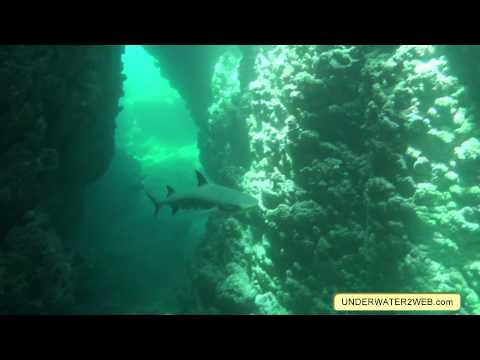
Gansbaai, also known as the 'Great White Shark Capital of the World,' attracts thrill-seekers interested in shark cage diving. However, swimming outside of these controlled environments is dangerous due to the high population of great white sharks in the area[1][3][4][6][9].
Conclusion
Cape Tribulation stands as a grim reminder that not all beautiful beaches are safe havens. The combination of dangerous wildlife, strong currents, and a remote location makes it exceptionally hazardous. While the allure of its natural beauty continues to attract tourists, awareness, and caution are paramount to avoid the numerous risks that lurk in this seemingly idyllic paradise.
Overall, Cape Tribulation’s perilous conditions, both on land and in the water, substantiate its ranking as the world's most dangerous beach. The evidence from multiple sources clearly shows that while its name might serve as a poetic warning, the true dangers are far from metaphorical and should not be taken lightly.
Créez votre compte pour conserver cette réponse et la reprendre plus tard.
Examinons les alternatives :
- Modifier la requête.
- Démarrer une nouvelle conversation.
- Supprimer des sources (si elles ont été ajoutées manuellement).