What causes the seasons to change?
Understanding the Changing Seasons
Seasons are a natural phenomenon that has intrigued humanity for centuries. In this report, we delve into the fundamental reasons behind the changing seasons on Earth, exploring the various astronomical factors that influence this cycle.
Earth's Tilt and Axis
The primary cause of changing seasons lies in Earth's axial tilt, which is approximately 23.5 degrees. This tilt results in different parts of the Earth receiving varying amounts of sunlight throughout the year. As Earth orbits the Sun[2], this tilt causes the directness of sunlight to change, leading to seasonal variations in temperatures and weather patterns.
Earth's Orbit and Precession
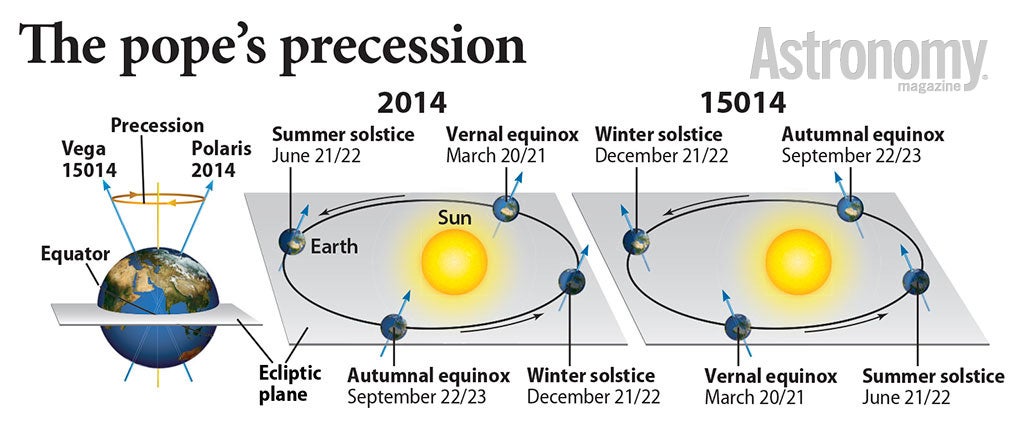
In addition to its tilt, Earth's orbit and precession play crucial roles in shaping the seasons. The periodic wobble of Earth[3]'s axis, known as precession, occurs in a 26,000-year cycle. This phenomenon affects the alignment of Earth's axis towards the Sun, influencing the duration of daylight and sunlight received at different latitudes.
Milankovitch Cycles
Furthermore, Earth's variations in orbit, tilt, and precession, collectively known as the Milankovitch cycles[1], significantly impact Earth's climate and the occurrence of seasons. These cycles cause fluctuations in the amount of solar radiation reaching Earth[4], leading to changes in temperatures and climate patterns.
Implications on the Calendar
The relationship between Earth's tilt, orbit, and precession has practical implications for our calendar system. The Gregorian calendar, through the use of leap years[3], ensures that seasons align with the months accurately. This adjustment accounts for the astronomical complexities that govern the changing seasons.
Summarizing Astronomical Influences
To summarize, the changing seasons on Earth are primarily driven by the planet's axial tilt, orbit, and precession. These astronomical factors interact to determine the distribution of sunlight across the globe, influencing temperature variations and weather conditions. Additionally, the Milankovitch cycles contribute to long-term climate changes, highlighting the intricate relationship between Earth's position relative to the Sun[1] and the occurrence of seasons.
In conclusion, the dynamic interplay of Earth's axial tilt, orbital characteristics, and astronomical cycles govern the changing seasons that we experience annually. By understanding these celestial mechanisms, we gain insights into the natural rhythms of our planet and the intricate balance that sustains life on Earth.
Créez votre compte pour conserver cette réponse et la reprendre plus tard.
Examinons les alternatives :
- Modifier la requête.
- Démarrer une nouvelle conversation.
- Supprimer des sources (si elles ont été ajoutées manuellement).