What are the implications of Warren Buffet’s Berkshire Hathaway selling half its Apple stock?
Implications of Warren Buffett's Berkshire Hathaway Selling Half Its Apple Stock
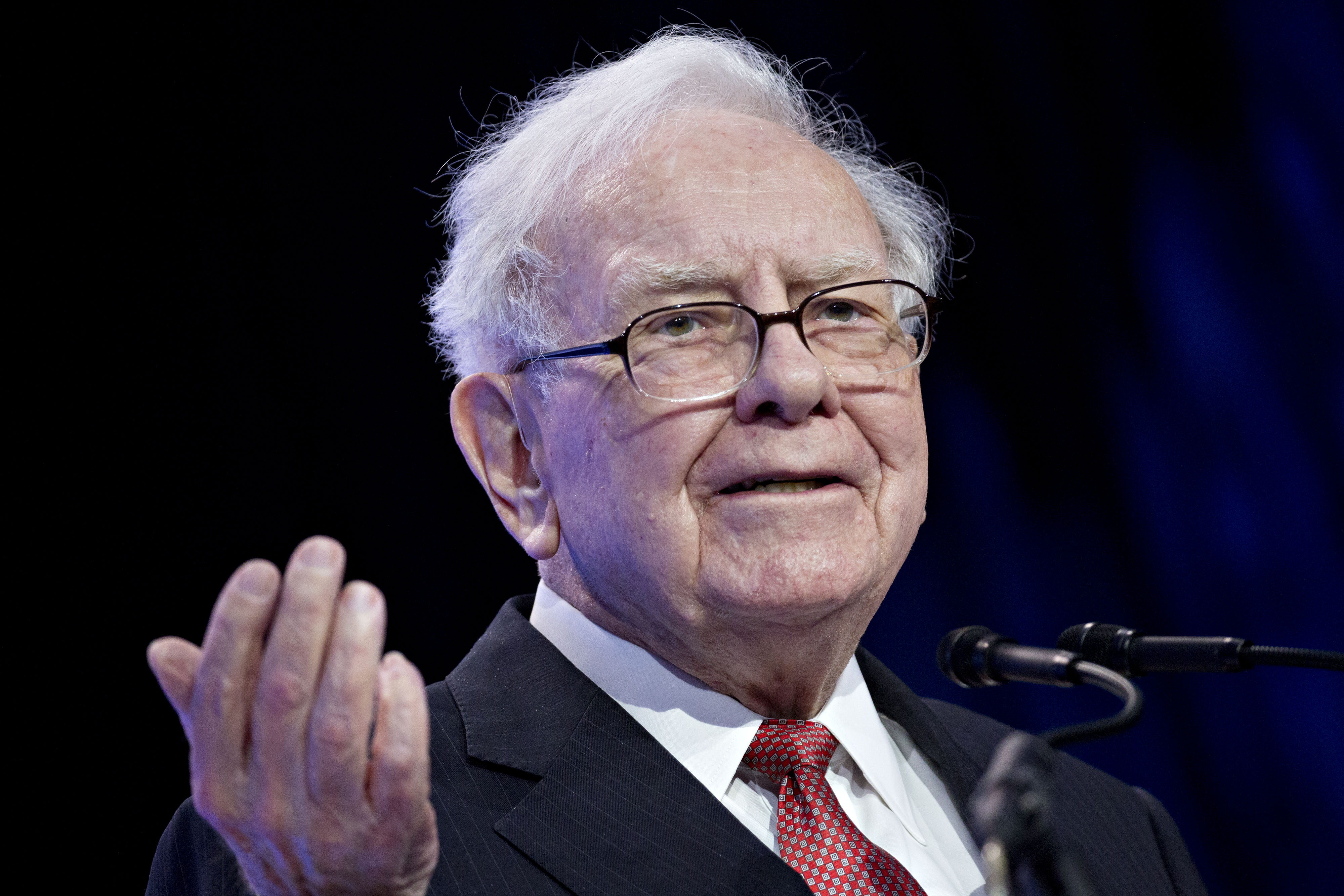
Warren Buffett’s decision for Berkshire Hathaway to sell nearly half of its stake in Apple Inc. has far-reaching implications, highlighting a shift in investment strategy and raising questions about the future of both companies. Here, we explore the various dimensions of this significant financial maneuver.
Shift in Investment Strategy
The sale of nearly 390 million shares resulted in a reduction of Berkshire's Apple holdings from $174 billion to approximately $84 billion, signifying a substantial shift in Buffett's typically long-term investment philosophy. This action represents the seventh consecutive quarter in which Berkshire sold more equities than it purchased, suggesting a perhaps cautious or strategic pivot in how Buffett approaches his investments, particularly in the tech sector[3][5].
Buffett has also previously indicated a pattern of trimming his Apple stake, having reduced it by 13% in the first quarter, which hints at a broader reevaluation of how Berkshire positions itself in the technology market and is potentially affected by concerns about Apple’s growth prospects[2][5].
Increased Liquidity and Cash Reserves
Following this substantial sale, Berkshire’s cash reserves rose dramatically to nearly $277 billion, up from $189 billion in the first quarter. This increase in liquidity may signal that Berkshire is preparing for future investment opportunities or acquisitions. Indeed, Buffett has mentioned he is on the lookout for significant acquisitions but is cautious and waiting for conditions that present low-risk, high-reward opportunities[4][8]. The surge in cash reserves serves as a buffer against market uncertainty while allowing for potential strategic moves in the future.
Market Perception and Stock Valuation Concerns
Berkshire's divestment from Apple could also impact broader market sentiments regarding the tech giant. Historically, Buffett’s investments have influenced other investors and market trends. His recent actions suggest a potential loss of confidence in Apple, which has seen declining growth rates and substantial challenges, particularly in markets like China[6]. As a major investor in Apple, Buffett's shift away from the company could lead other stakeholders to reevaluate their positions, potentially driving down the stock's valuation further.
Additionally, Apple's struggles to deliver compelling innovations, particularly in the face of increasing competition in artificial intelligence, raise concerns regarding its market position and growth trajectory. The implications of these challenges are amplified by Buffett's sell-off, as he is known for his conservative approach to high valuations and volatile market conditions[5][6].
Tax Strategy Considerations
Buffett’s sales appear to be aligned with considerations regarding potential increases in capital gains tax. His comments at the annual meeting suggested that he views selling part of his stake as a way to benefit Berkshire shareholders in the long run, should tax rates change in the future. This strategic move to liquidate 'a little Apple' amidst favorable market conditions may also reflect Buffett's philosophy of profit-taking while the market is strong[4][5].
Broader Market Context
This significant divestment coincides with a broader market correction, particularly impacting the tech-heavy Nasdaq Composite, which has recently experienced a downturn. Analysts suggest that the scale of Berkshire's sales could signal a broader sell-off trend among investors in tech stocks, which have been subject to increased volatility in light of global economic uncertainties, including rising unemployment rates and concerns regarding monetary policy decisions by the Federal Reserve. This environment adds layers of complexity to Buffett's decision-making and investment approach[7][8].
Future of Berkshire Hathaway's Portfolio

Despite the reduction in its Apple stake, the tech giant remains the largest investment within Berkshire's portfolio, underscoring the paradox in Buffett's strategy—while he has sold off a significant portion, he continues to maintain a substantial position. The recent moves within Berkshire’s portfolio, which has seen its allocation in publicly traded stocks decline from 63% to 53%, suggest a strategic pivot towards greater liquidity and caution amid perceived market volatility[6][8].
Conclusion
Warren Buffett’s significant reduction in Berkshire Hathaway's holdings in Apple reflects a complex interplay of market dynamics, liquidity management, and strategic foresight in uncertain economic conditions. While it raises eyebrows regarding Apple’s future growth potential, it also underscores Buffett's cautious yet adaptable investment philosophy. By prioritizing liquidity and maintaining important stakes in select companies, Berkshire Hathaway is positioning itself for possible future opportunities, even as it navigates the shifting landscape of technology investments.
Créez votre compte pour conserver cette réponse et la reprendre plus tard.
Examinons les alternatives :
- Modifier la requête.
- Démarrer une nouvelle conversation.
- Supprimer des sources (si elles ont été ajoutées manuellement).