Transforming Old Furniture with DIY Techniques
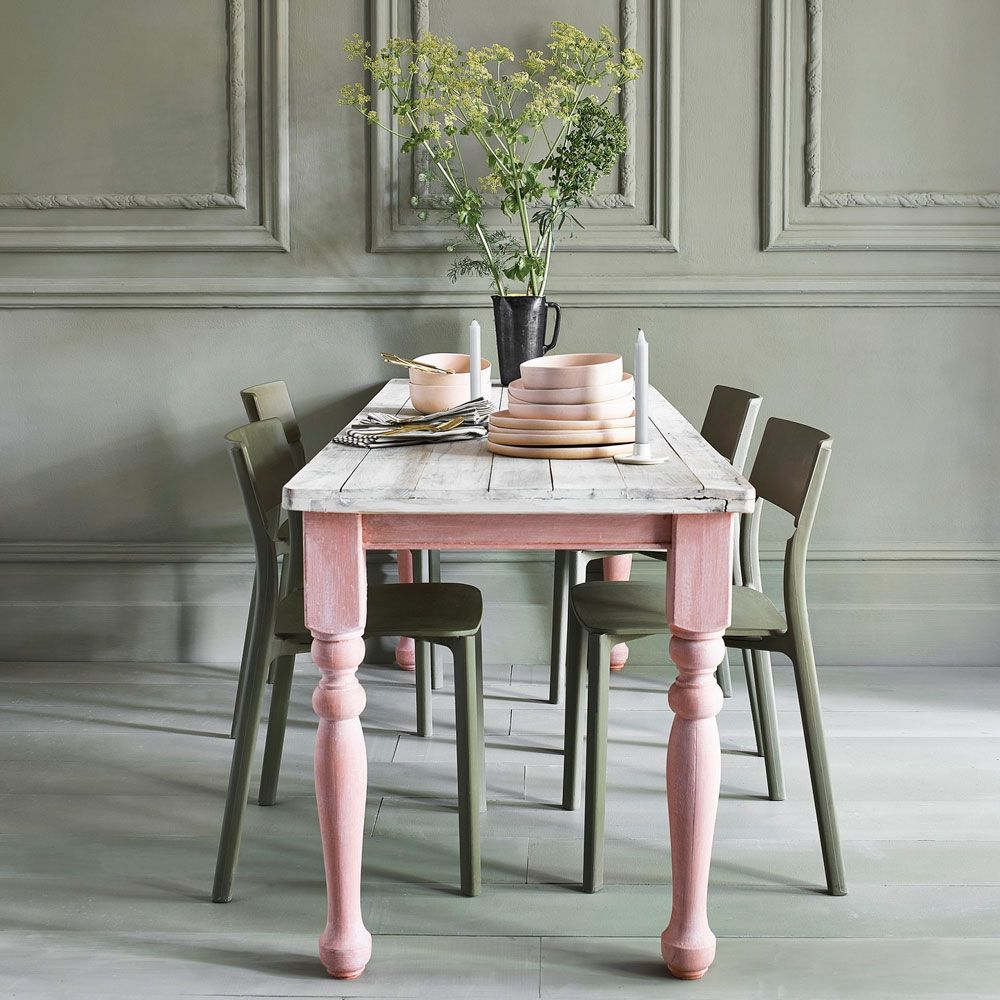
Upcycling old furniture is not just a creative pursuit; it's an environmentally friendly practice that allows you to breathe new life into pieces that might otherwise end up in a landfill. Whether you’re looking to create unique home decor or save money, transforming old furniture can be a rewarding experience. This guide will outline effective DIY techniques for furniture upcycling, featuring various ideas and methods drawn from expert sources.
The Art of Upcycling

Upcycling refers to the process of taking something considered worthless and transforming it into something of greater value, often through creative design and craftsmanship. As designer Max McMurdo describes it, 'The key part of the word 'upcycling' is UP – unlike recycling, which takes a material backwards in the chain to its original properties. Upcycling adds value to the item through clever design'[2]. Thus, every upcycling project begins with imagination and a willingness to innovate.
Getting Started: Assessing Your Pieces

Before diving into any upcycling project, it's essential to assess the condition and structure of the furniture you want to transform. Look for sturdy pieces that can withstand alterations. Popular sources for finding furniture include garage sales, thrift stores, Facebook marketplace, and even curbside giveaways on trash days[3][7].
When selecting pieces to upcycle, aim for those with 'good bones,' meaning they are well-constructed and can be easily modified. Items like old dressers, tables, and cabinets can all be ideal candidates for transformation[1][6].
Essential Tools and Preparation

To begin your upcycling journey, you'll need some basic tools and supplies. Key items include:
Sandpaper (medium and fine grit)
Paint and primer (chalk paint is highly recommended for its ease of use and minimal prep)
Brushes or foam rollers
Screws and screwdrivers for any repairs needed
Clean rags and degreasers for cleaning the surfaces
A thorough cleaning is crucial before you start. Remove any dust, grease, and grime, ensuring a clean surface for painting[4]. After cleaning, take time to sand the furniture, which helps the new paint adhere better. Be gentle, especially on veneered surfaces, to avoid damaging the wood underneath[8].
Techniques for Transformation
Painting
One of the simplest and most effective ways to revamp old furniture is through painting. A single coat of paint can radically alter the appearance of a piece:
Choose Your Paint: Chalk paint is favored for its matte finish and ease of application. It often requires no sanding or priming, making it suitable for beginners[4][7].
Apply Primer (if needed): For pieces requiring a more durable finish or dark colors, it's wise to apply a primer first. This can prevent any old stains from bleeding through[8].
Painting Techniques: Use long, even strokes and not too much paint on your brush to avoid drips. Consider using a contrasting color for drawer interiors or unique patterns and stencils for a personal touch[3][5].
Upholstering
If you're upcycling a piece of upholstered furniture, such as chairs or sofas, consider reupholstering to give it a fresh look. This might involve removing the old fabric, adding foam padding for comfort, and securing new material. Many DIY guides provide methods for attaching fabric using staples or upholstery tacks, allowing you to personalize your item[1][7].
Repurposing Parts
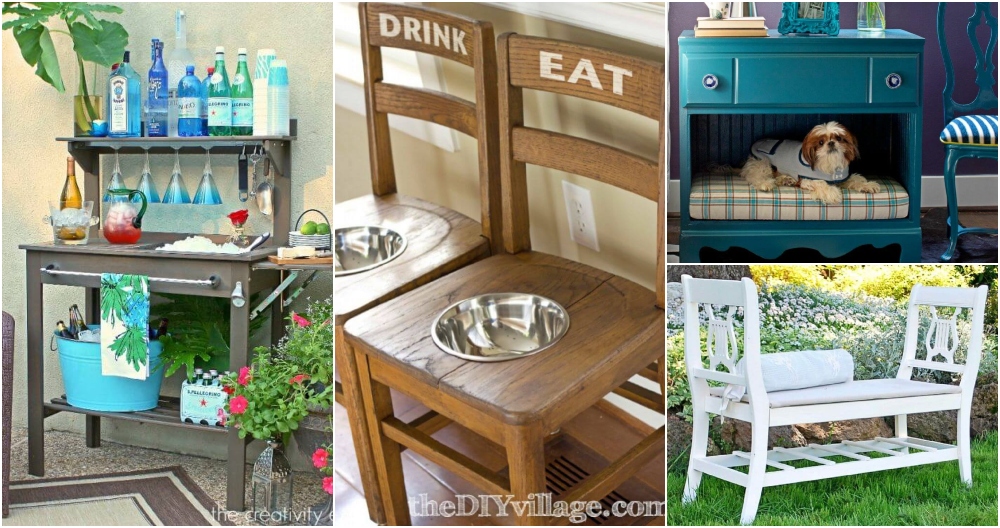
Don’t hesitate to disassemble furniture to utilize its components creatively. For instance, you can convert an old dresser into a bathroom vanity or a ladder into a bookshelf. This kind of repurposing not only maximizes the use of materials but also adds a unique touch to your home decor[2][6].
Decorative Techniques
Incorporating decorative features can enhance the appeal of your project:
Stenciling: Add designs or patterns to flat surfaces for a personalized boost. This works well for side tables or cabinets[4].
Mixing Textures: Combine different materials, such as adding woven accents or color-washed stains to wood, resulting in a dynamic look[6][7].
Creating Functionality: Transform items into multi-purpose furniture, such as turning an old cabinet into a bar or a dresser into a storage bench[3][5].
Safety Precautions

Before starting your project, particularly with older furniture, it’s important to check for lead paint, especially if the piece is dated before the 1970s. If unsure, consult professionals regarding safe removal or containment procedures[1]. Additionally, when sanding or using cleaning chemicals, wear appropriate protective gear, including gloves and masks.
Conclusion
The process of transforming old furniture through DIY upcycling techniques is both satisfying and eco-friendly. By harnessing your creativity, you can cultivate a unique environment that reflects your personality while contributing to sustainability. With the right tools, techniques, and a little imagination, any piece can be turned from outdated to outstanding. Don’t forget: Every piece of furniture you save from the landfill is a step towards a more sustainable lifestyle.
Créez votre compte pour conserver cette réponse et la reprendre plus tard.
Examinons les alternatives :
- Modifier la requête.
- Démarrer une nouvelle conversation.
- Supprimer des sources (si elles ont été ajoutées manuellement).