Creating a Sustainable Daily Routine

In a world facing urgent environmental challenges, adopting a sustainable daily routine can significantly mitigate one’s ecological footprint. A sustainable lifestyle not only contributes to environmental preservation but can offer various personal benefits, including improved health and reduced expenses. Here's how you can create a sustainable daily routine based on actionable insights from various sources.
Understanding Sustainable Living
Sustainable living refers to lifestyle choices that reduce individual and societal environmental impact. It involves consciously adopting habits that allow for resource consumption in a manner that does not deplete or damage planetary resources. As stated, “Living sustainably means aligning our actions with our values,” ensuring that our choices reflect a commitment to environmental conservation[4].
Start Small and Consistent
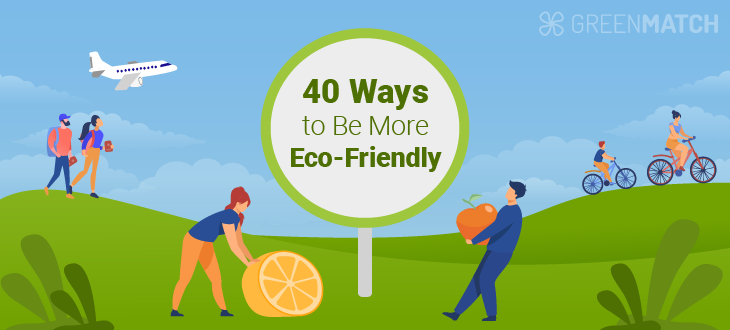
To successfully create a sustainable routine, begin by incorporating manageable changes into your daily life. Small actions can lead to significant changes over time. For example, questioning the materials of everyday items such as toothbrushes or wastebaskets can lead to more eco-friendly choices[2]. Transitioning to durable products that can be recycled helps in reducing your carbon footprint.
Creating good habits is crucial. As suggested, “After a while, you'll grab your bottle, your food container and then you're good to go - it will become a habit”[9]. This statement emphasizes the importance of consistency in adopting sustainable practices.
Daily Eco-Friendly Habits
Reducing Waste
Start your sustainable journey by focusing on waste reduction. Here are effective practices to integrate daily:
Reusable Bags and Containers: Carry a reusable shopping bag, coffee cup, and food containers to minimize your use of single-use plastics[5][2].
Composting: Composting organic waste is an excellent way to reduce landfill contributions, enhance soil health, and decrease greenhouse gas emissions. Composting food scraps and yard waste turns them into nutrient-rich soil[5].
Mindful Consumption: Adopt a habit of buying second-hand or sustainably produced products. This minimizes waste and supports the circular economy[2]. Engage in practices like meal prepping to reduce food waste, ensuring that you only buy and prepare what you will consume[5][10].
Energy and Water Conservation
Conserving resources can significantly decrease your environmental impact. Simple actions include:
Energy Efficiency: Utilize energy-efficient appliances and LED light bulbs. These options consume significantly less energy, contributing to reduced carbon emissions[3]. For instance, turning off devices when not in use and using smart thermostats can save significant amounts of energy over time.
Water-Saving Measures: Implement water conservation practices like taking shorter showers, fixing leaks promptly, and installing low-flow fixtures. Limiting toilet flushes and employing rain barrels for gardening can also contribute to considerable water savings[10].
Transportation Choices
Making mindful decisions about transportation is key to an eco-friendly lifestyle. Limiting reliance on fossil fuels is essential. Opt for public transportation, biking, or walking whenever possible to lower your carbon footprint. As stated, sharing rides and living closer to work can also diminish emissions and reduce costs[2][5].
Additionally, support the transition to electric or hybrid vehicles as they have considerably lower emissions compared to traditional petrol or diesel cars[3].
Food Sustainability
Our food choices are tied closely to our environmental impact. Therefore, making smarter food selections is beneficial:
Plant-Based Options: Incorporating more plant-based meals into your diet helps reduce greenhouse gas emissions associated with meat production. You don’t need to go completely vegan; even cutting down meat consumption can make a significant impact[7][9].
Local and Seasonal Eating: Support local farmers and seasonal produce to reduce transportation emissions and ensure freshness. Eating locally fosters a sustainable food system and reduces the environmental impact associated with long-distance food transport[9].
Community Engagement and Advocacy
Sustainable living extends beyond individual actions; it involves encouraging others to follow suit. Engaging with community initiatives, such as local clean-up events or advocating for sustainable practices, can amplify your impact. Participating in discussions about sustainability not only motivates others but can also foster a collective commitment to environmental issues[4][2].
Support Sustainable Businesses
Choose to support businesses that prioritize sustainability. This helps create demand for eco-friendly products and services and encourages more companies to engage in sustainable practices. Opt for brands with transparent supply chains and ethical sourcing practices[6].
Conclusion
Creating a sustainable daily routine might seem overwhelming initially, but by taking one small step at a time, you can make a meaningful impact. The essence lies in consistency and mindfulness in daily habits—from reducing waste to making conscious consumer choices. By incorporating these practices into your lifestyle, you can contribute to a more sustainable future while enhancing your own well-being. Remember, 'Small actions equal big change, and the time for action is now'[10].
Créez votre compte pour conserver cette réponse et la reprendre plus tard.
Examinons les alternatives :
- Modifier la requête.
- Démarrer une nouvelle conversation.
- Supprimer des sources (si elles ont été ajoutées manuellement).