Découvrir Pandipedia
Un répertoire grandissant de réponses utiles sélectionnées par la communauté Pandi. Cherchez dans la collection ou parcourez les dernières découvertes.
2619 entrées disponibles
Kosekin language characteristics
Examinons les alternatives :
- Modifier la requête.
- Démarrer une nouvelle conversation.
- Supprimer des sources (si elles ont été ajoutées manuellement).

Evaluating Fact‐Checking Organizations: Metrics, Challenges, and Best Practices
Evaluating Fact‐Checking Organizations: Metrics, Challenges, and Best Practices
Overview and Context

The international fact‐checking movement emerged in the early 2000s and has expanded rapidly across the globe. Fact‐checking began in the United States with the launch of projects such as Factcheck.org in 2003, and over time the field has grown to include more than 100 active projects in approximately 40 countries, reflecting a diverse mix of traditional journalism and civil society initiatives[15]. Digital distribution and the increasing availability of open data have contributed to the low barrier of entry for many of these initiatives, though many still struggle with technological and resource constraints in combating misinformation[1].
Key Metrics for Evaluation



When evaluating fact‐checking organizations, three key performance indicators (KPIs) emerge – reliability, transparency, and impact. Reliability is measured by the accuracy of verifying claims and the consistency of adherence to internationally recognized standards, such as those set by the International Fact‐Checking Network (IFCN)[9]. Editorial fact‐checking models, as described in recent analyses, emphasize the importance of a dedicated verification process that includes cross‐checking sources and reviewing narrative coherence[13]. Transparency is defined by the clear disclosure of verification methods, source citations, correction policies, and the reporting of any biases or errors. For instance, organizations like Full Fact make their methodologies public and provide detailed explanations for each fact‐check, allowing audiences to assess the credibility of their work[8]. Impact KPIs involve assessing the reach and effectiveness of fact‐checks as well as audience engagement. Studies indicate that fact‐checked stories can change audiences' perceptions and correct misperceptions, and metrics such as page views, social media sharing, and qualitative assessments of public understanding are used to gauge this impact[15]. Recent advances in evaluating factual precision in automated systems, such as the FACTSCORE framework used for large language models (LLMs), further highlight the need for nuanced quantitative measures in human fact‐checking as well[5].
Funding Models and Political Pressures

Many fact‐checking organizations operate on modest annual budgets, frequently under $100,000, and rely on a mix of individual donations, grants from charitable foundations, and targeted support from technology companies. For example, FactCheck.org receives support from organizations like the Robert Wood Johnson Foundation, Meta, and Google – with strict assurances that donors have no control over editorial decisions[7]. Similarly, Full Fact's funding model is built on charitable donations and support from trusts while upholding rigorous safeguards to maintain neutrality[8]. Political pressures add to these challenges: fact‐checkers may operate under repressive conditions or face government interference, which can lead to self‐censorship or the need to relocate operations. In some cases, fact‐checking initiatives are run by civil society groups in emerging democracies or by organizations positioned outside their country of origin to avoid political reprisals, thereby ensuring a degree of independence but also complicating access to local information and audience trust[3]. These funding and political challenges underscore the importance of sustainable business models that protect editorial independence while also ensuring the long‐term viability of fact‐checking as a public good[14].
Collaboration Strategies and Best Practices

Collaborative approaches have been identified as essential for enhancing the effectiveness and reach of fact‐checking efforts. A variety of models address editorial practices: the magazine model employs dedicated fact‐checkers who verify complex narratives and in‐depth investigations, whereas the newspaper model relies on journalists to cross‐verify their own work. Many organizations now adopt a hybrid model that balances speed with thoroughness, allocating intensive fact‐checking resources to longer, complex stories while using a more streamlined process for breaking news[13]. Networks such as the International Fact‐Checking Network provide forums for capacity building and resource sharing, enabling fact‐checkers to exchange best practices and standardize methodologies across borders[16]. Furthermore, partnerships with local news organizations allow fact‐checkers to incorporate regional context and reduce the risk of perpetuating a single, dominant narrative that might exclude local perspectives[14]. Best practices also include measures such as peer review of fact‐checks, public disclosure of all verification processes, continuous training of staff, and the deployment of technology tools to monitor online claims and rapidly identify misinformation[2]. These collaborative strategies not only improve the quality and credibility of fact‐checking outputs but also contribute to a more balanced and resilient public discourse.
Examinons les alternatives :
- Modifier la requête.
- Démarrer une nouvelle conversation.
- Supprimer des sources (si elles ont été ajoutées manuellement).
Quiz: Can you identify the dangers the travelers face on each world?
Examinons les alternatives :
- Modifier la requête.
- Démarrer une nouvelle conversation.
- Supprimer des sources (si elles ont été ajoutées manuellement).
Cryogenic fridge internals


Examinons les alternatives :
- Modifier la requête.
- Démarrer une nouvelle conversation.
- Supprimer des sources (si elles ont été ajoutées manuellement).
Quotes that highlight science and discovery in 'At the Earth's Core'

within this iron cylinder we have demonstrated possibilities that science has scarce dreamed.Perry




Examinons les alternatives :
- Modifier la requête.
- Démarrer une nouvelle conversation.
- Supprimer des sources (si elles ont été ajoutées manuellement).
Wearable fails and fixes
Examinons les alternatives :
- Modifier la requête.
- Démarrer une nouvelle conversation.
- Supprimer des sources (si elles ont été ajoutées manuellement).
economists on technological disruption

If technology permanently puts people out of work then why, after centuries of new technologies, are there still so many jobs left?Harvard Business Review[2]



Examinons les alternatives :
- Modifier la requête.
- Démarrer une nouvelle conversation.
- Supprimer des sources (si elles ont été ajoutées manuellement).
Enhancements in Search Engine Results Through Advanced AI Agents
Enhancements in Search Engine Results Through Advanced AI Agents

The Evolution of Search Engines with AI
Advanced AI agents are fundamentally transforming how search engines retrieve and rank information. Traditionally, search algorithms relied heavily on keyword matching and basic ranking systems. However, the advent of artificial intelligence (AI) technologies, particularly machine learning and natural language processing (NLP), has allowed search engines to evolve significantly. AI agents can now analyze vast datasets, learning from user interactions to enhance the accuracy and relevance of search results. This shift is enabling search engines to provide a more intuitive and user-centric experience by understanding complex queries and the context behind user searches better than ever before[2][5].
Personalization and Context Understanding

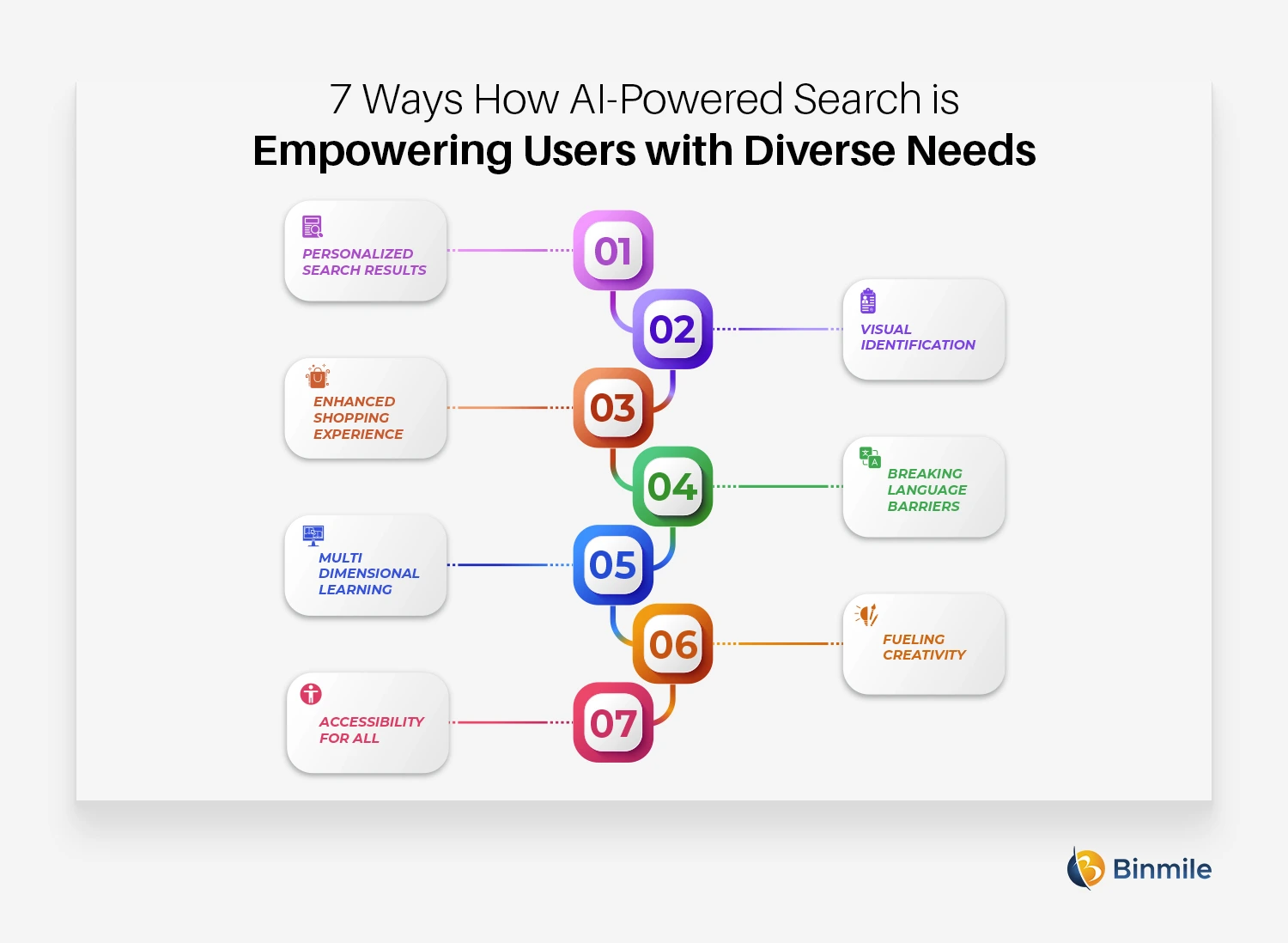
One of the key improvements AI brings to search engines is personalization. AI agents customize search results based on individual user preferences, behavior, and historical data. This personalization ensures that when users input a query, the search engine responds with results tailored to their specific needs, which is crucial in today’s environment of information overload. By analyzing patterns in user activity, AI can filter relevant information from the vast amount of data available, thus speeding up the time it takes for users to find the information they need[2][10].
Furthermore, AI's ability to comprehend the intent behind search queries is particularly notable. Recent advancements have led to algorithms that can decipher a user's intent beyond simple keyword matching. For example, AI agents can understand the nuances of natural language, allowing them to respond accurately to conversational queries that traditional search systems might struggle with[4][6]. This capability not only enhances user satisfaction but also significantly impacts how content is created and optimized for search engines.
Advanced AI Techniques in Search
AI's impact on search engine technology includes several advanced techniques. Specifically, systems like Google’s RankBrain, BERT, and the recent MUM (Multitask Unified Model) exemplify how AI enables search engines to understand the relationships between words and concepts, improving the relevance of results[2][5]. RankBrain, for instance, helps search engines comprehend its implications by recognizing how terms relate to broader concepts, leading to more intuitive results for complex queries[7].
Moreover, the implementation of neural matching technologies allows search engines to analyze entire queries rather than relying solely on individual keywords. This method enhances the retrieval process by understanding user contexts more effectively. For example, if a user searches for nuanced terms or phrases, AI algorithms can generate results that better align with users' search intents—often preemptively fulfilling user needs before they articulate them clearly[3][8].
Enhancing Content Quality and Relevance
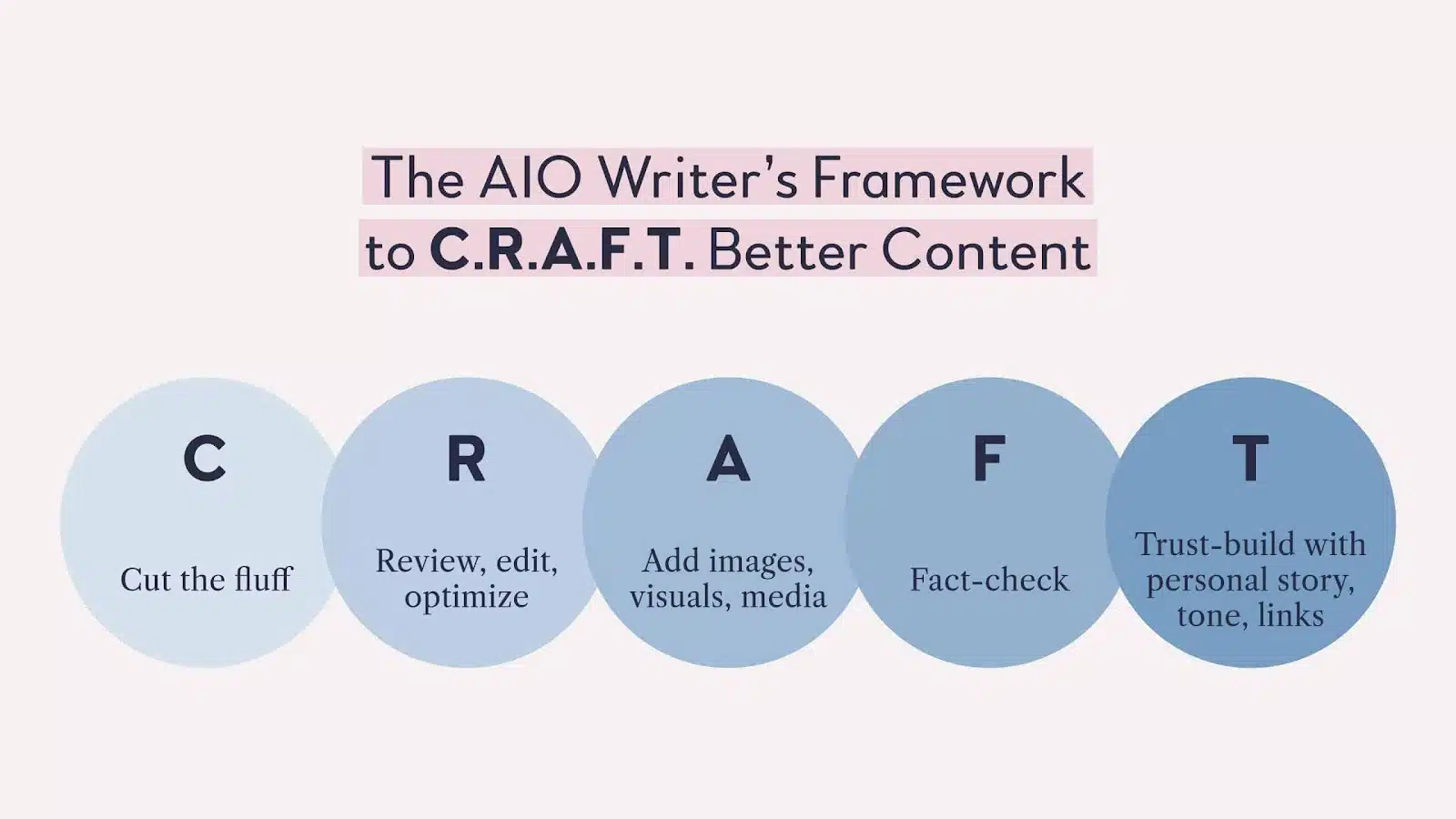
The integration of AI in search engines has also led to a shift in the importance placed on content quality and relevance. As algorithms become more sophisticated, they prioritize comprehensive, well-articulated answers that genuinely assist users[11]. For content creators, this means that the focus cannot solely rest on keyword density; instead, it must shift towards delivering meaningful insights and information that align with user queries.
AI tools are now being used to analyze existing content, providing recommendations on how to improve its structure and word choice to enhance search engine friendliness. By utilizing AI for content strategy—such as optimizing meta descriptions and title tags or suggesting relevant keywords—businesses can significantly increase their chances of ranking well in search results[10][11]. For instance, AI can propose specific areas for improvement in language style, content structure, and even tone, ensuring that the material resonates well with both algorithms and human readers.
The Future of Search with Generative AI
Generative AI platforms like Google’s Search Generative Experience and new features such as 'Circle to Search' fundamentally alter user interaction with search engines, allowing for more visual and interactive queries. These tools empower users to present queries seamlessly through natural gestures and text, significantly enhancing the search experience. AI aids in contextualizing searches by analyzing both visual and textual data inputs, enabling users to derive complex information more efficiently[8][9].
As AI continues to evolve, its ability to provide dynamic responses, enhanced user engagement, and personalized experiences in search engines will only grow stronger. For content marketers and SEO professionals, this means that understanding and adapting to these AI-driven changes is imperative for success in ensuring visibility in an increasingly competitive digital marketplace.
In conclusion, advanced AI agents are revolutionizing search engine results by enhancing personalization, content relevance, and user engagement, thereby transforming how information is retrieved and consumed. As the technology continues to advance, its implications for content creation and digital marketing strategies will be profound, requiring ongoing adaptation and innovation. By leveraging these technologies, businesses can ensure they remain competitive in the evolving landscape of search and information retrieval.
Examinons les alternatives :
- Modifier la requête.
- Démarrer une nouvelle conversation.
- Supprimer des sources (si elles ont été ajoutées manuellement).
Why Is a Croissant Called Croissant?
Transcription
The croissant is named for its crescent shape, as the French word 'croissant' literally means 'crescent of the moon'<sup class='text_citation' source_id='3' start_phrase='The croissant gets' end_phrase='crescent-shaped French pastry'></sup>.
Historically, its name evolved from Anglo-French and Old French roots and ultimately derives from the Latin 'crescere', reflecting notions of growth and the waxing moon<sup class='text_citation' source_id='1' start_phrase='late 14c., cressaunt' end_phrase='grow, thrive, swell'></sup>.
French bakers have maintained this symbolic name over time, celebrating the pastry's iconic, curved form that pays homage to its historical origins<sup class='text_citation' source_id='2' start_phrase='Croissants are named' end_phrase='crescent shape'></sup>.
Examinons les alternatives :
- Modifier la requête.
- Démarrer une nouvelle conversation.
- Supprimer des sources (si elles ont été ajoutées manuellement).
Why the Trafalgar Square lions have no whiskers

The bronze lions beneath Nelson’s Column have no projecting whiskers. How do you cast a hair in solid metal?
Writing in 1867, Frank Buckland defended that omission. A lion’s fine, flexible whiskers would be difficult to represent in bronze; wire substitutes, he thought, would look absurd.
The heavy-looking paws raised the same problem. Fur gives a living limb a soft edge. Cast that outline in a solid material, and it can look clumsy. Buckland had seen the effect in his own plaster cast of a hare.
This is Buckland’s explanation, rather than Landseer’s recorded reasoning: the material helps explain what the sculpture leaves out.
Examinons les alternatives :
- Modifier la requête.
- Démarrer une nouvelle conversation.
- Supprimer des sources (si elles ont été ajoutées manuellement).