Découvrir Pandipedia
Un répertoire grandissant de réponses utiles sélectionnées par la communauté Pandi. Cherchez dans la collection ou parcourez les dernières découvertes.
2272 entrées disponibles
A Grasshopper Feast, in Four Steps

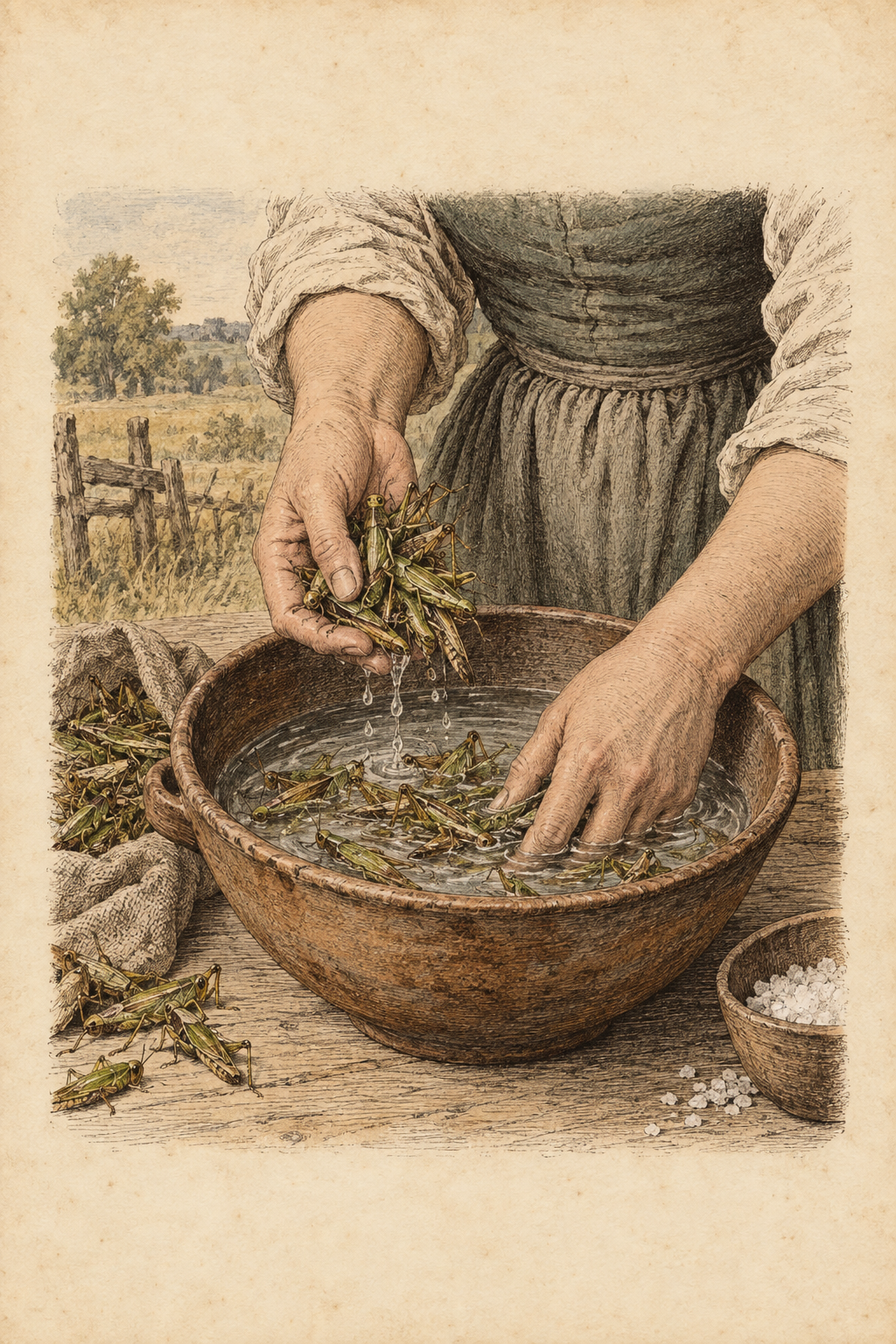
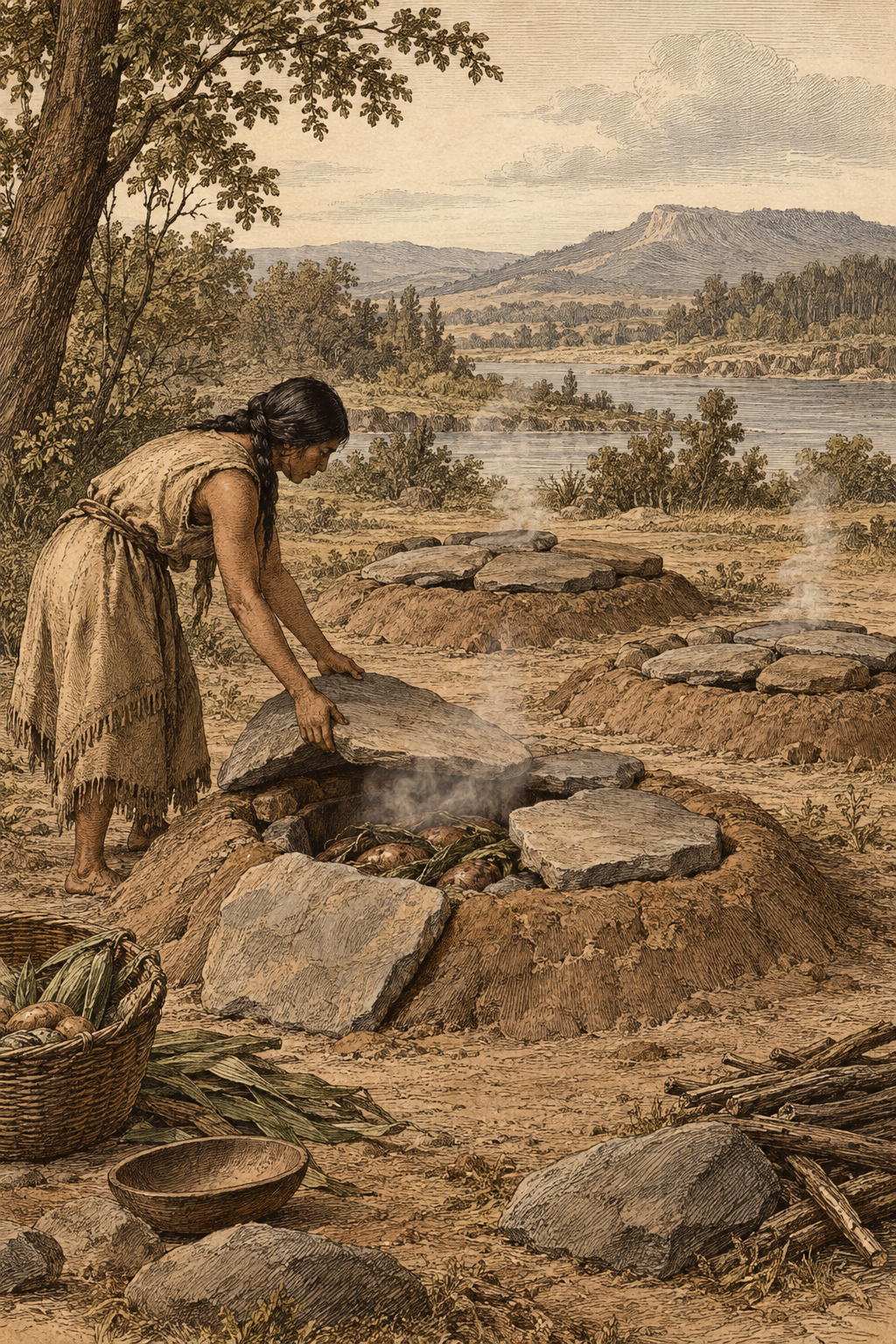
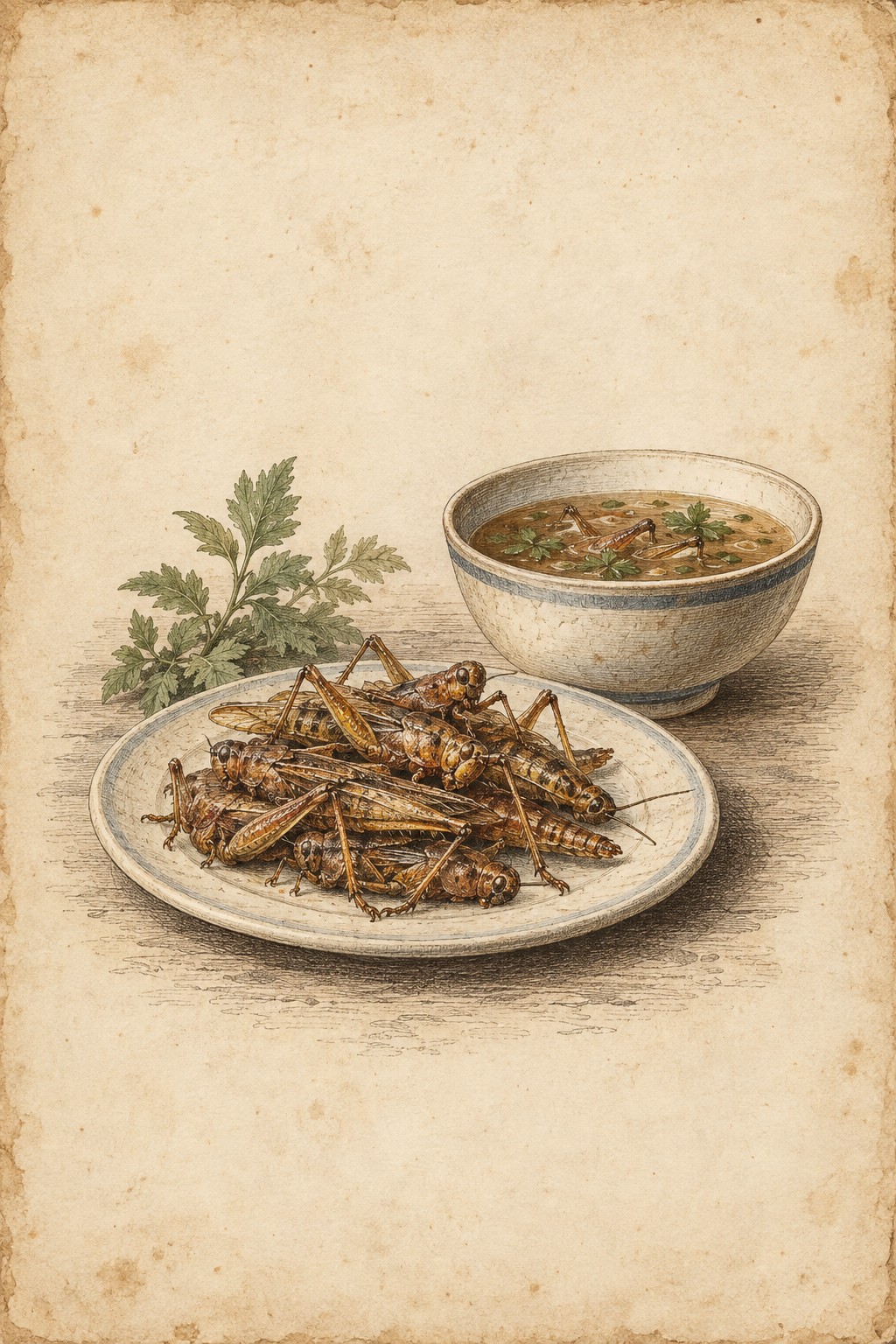
Examinons les alternatives :
- Modifier la requête.
- Démarrer une nouvelle conversation.
- Supprimer des sources (si elles ont été ajoutées manuellement).
How the wren taught her young to sing
In A Hundred Anecdotes of Animals, a family was said to have watched a wren and her young in a nest built inside a box. The box was placed so that they could see the mother settle beside its opening, facing the chicks, and sing her whole song distinctly[1].
One chick then tried to imitate her. It managed a few notes before its voice broke and it lost the tune. According to the anthology, the mother began again at the point where the chick had faltered and sang the rest. The chick tried once more, picking up where it had stopped; when it lost its way again, she supplied the remaining notes until it could finish[2].
The account says she repeated her full song before each of the other young attempted it, responding in the same way whenever one faltered. The family reportedly saw these exchanges several times a day, day after day. It is the anthology’s account of what they observed, not a verified modern account of how wrens learn to sing[3].
Examinons les alternatives :
- Modifier la requête.
- Démarrer une nouvelle conversation.
- Supprimer des sources (si elles ont été ajoutées manuellement).

Artemis II trajectory burn and return to Earth
Examinons les alternatives :
- Modifier la requête.
- Démarrer une nouvelle conversation.
- Supprimer des sources (si elles ont été ajoutées manuellement).
A simple check before a long drive
To catch obvious issues before a long trip, first-time drivers can use the RAC's FORCES acronym—standing for Fuel, Oil, Rubber, Coolant, Electrics, and Screen wash—as a straightforward checklist [1]. These checks help prevent breakdowns and keep you safe [2], but they do not replace professional servicing [3].
- Fuel: Check that you have plenty of fuel in your tank for the journey [4].
- Oil: Check that your oil level is between the minimum and maximum mark on the dipstick and top up if necessary [5]. Consult your vehicle handbook for product-specific instructions on the correct oil type [6].
- Rubber: Inspect your tyres for general wear, splits, bulges, and tread depth (maintaining a minimum legal level of 1.6mm, though 3mm is advisable in winter), and verify correct tyre pressures [7]. Also examine wiper blades for cracks [8].
- Coolant: Check your coolant level to prevent an overheating engine [9]. Crucially, coolant must be checked only when the engine is cold [10]. Check your handbook for the correct coolant and mix [11].
- Electrics: Walk around the car with another person to ensure all lights and indicators are working [12], and check that your battery terminals are clean and tight [13].
- Screen wash: Check the screen wash level under the bonnet and top up with a quality additive or pre-mix [14].
Next action: Spend five minutes today walking around your car and inspecting these six areas using your vehicle handbook for exact specifications.[15]
Examinons les alternatives :
- Modifier la requête.
- Démarrer une nouvelle conversation.
- Supprimer des sources (si elles ont été ajoutées manuellement).
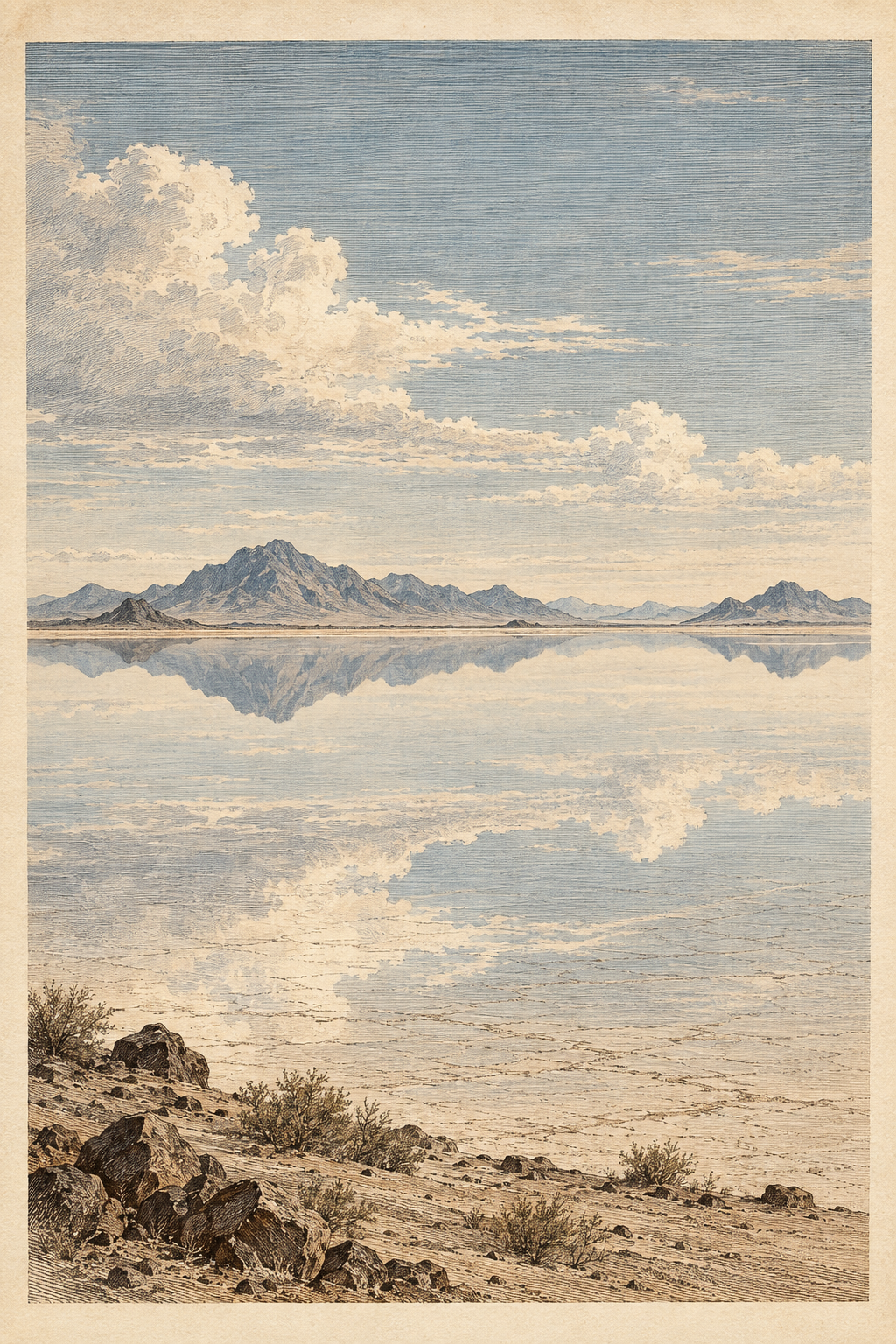
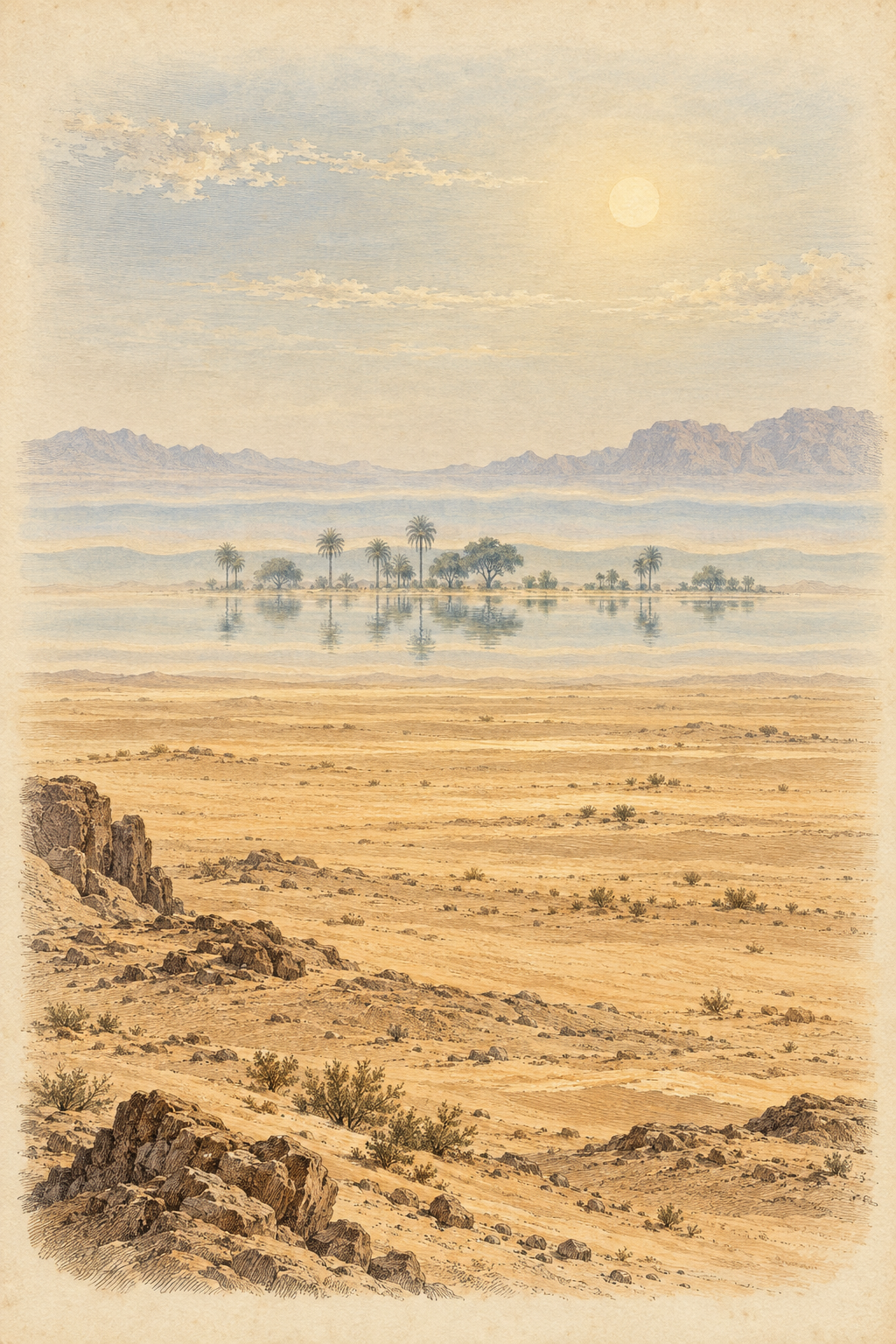
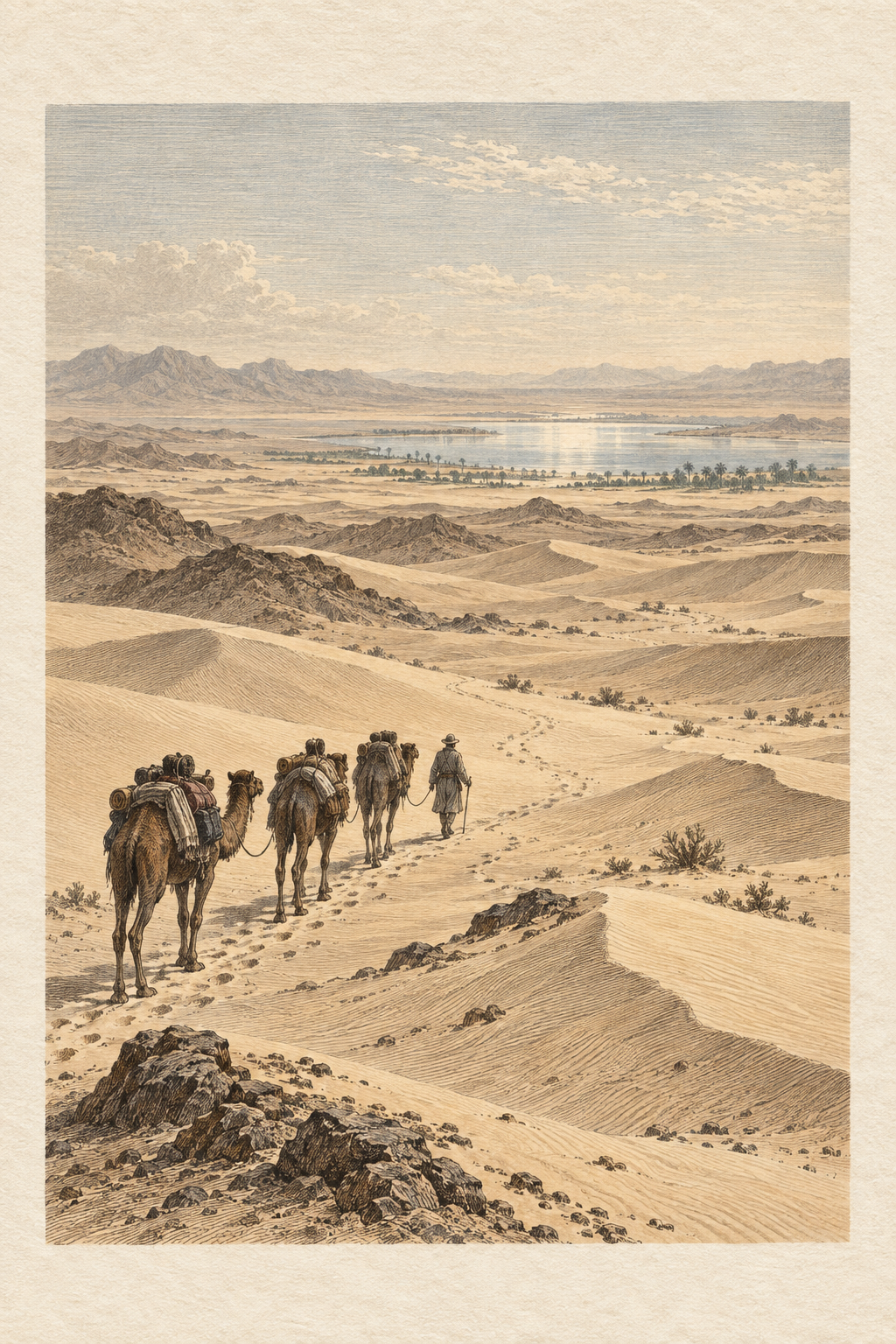
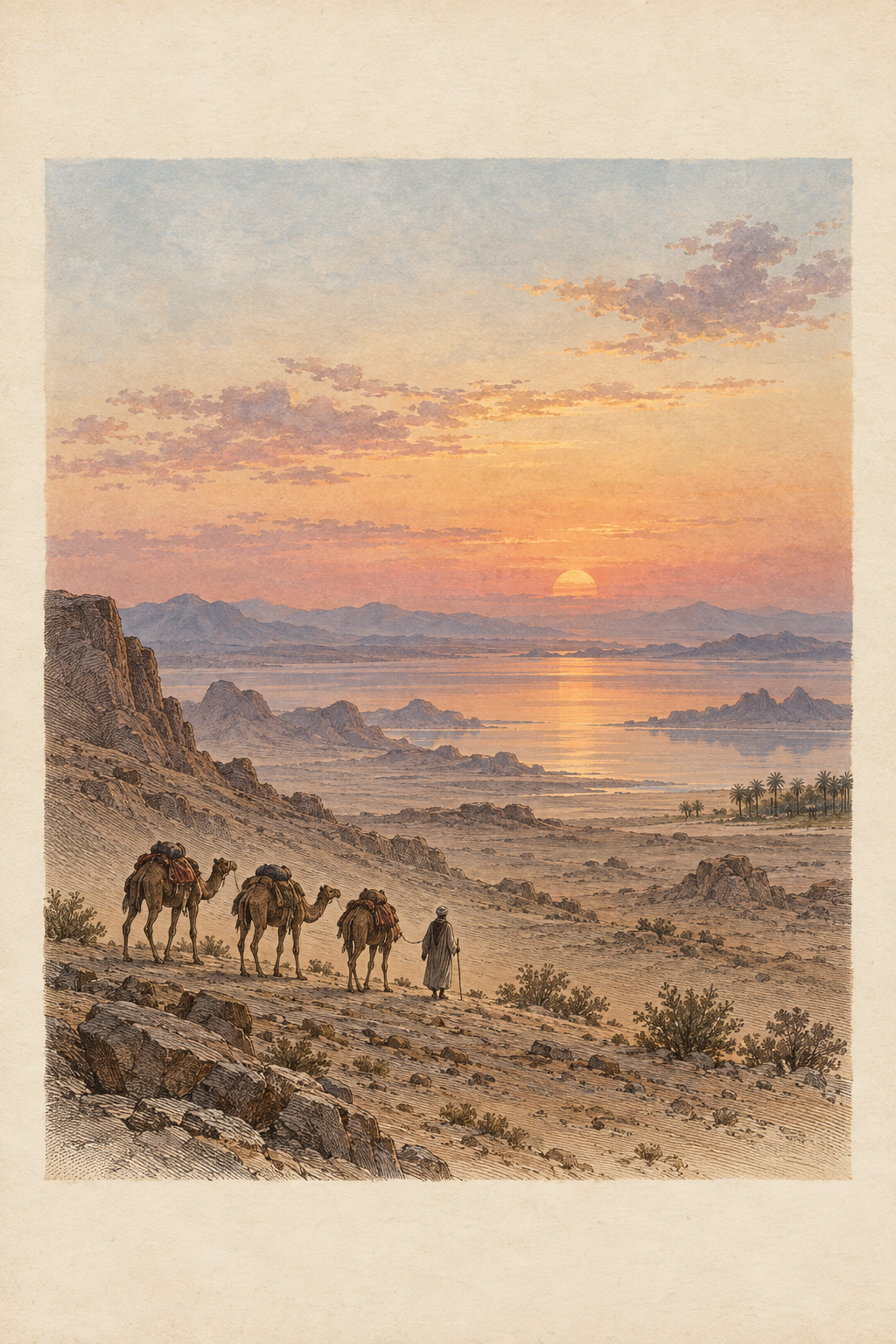
The lake that retreats
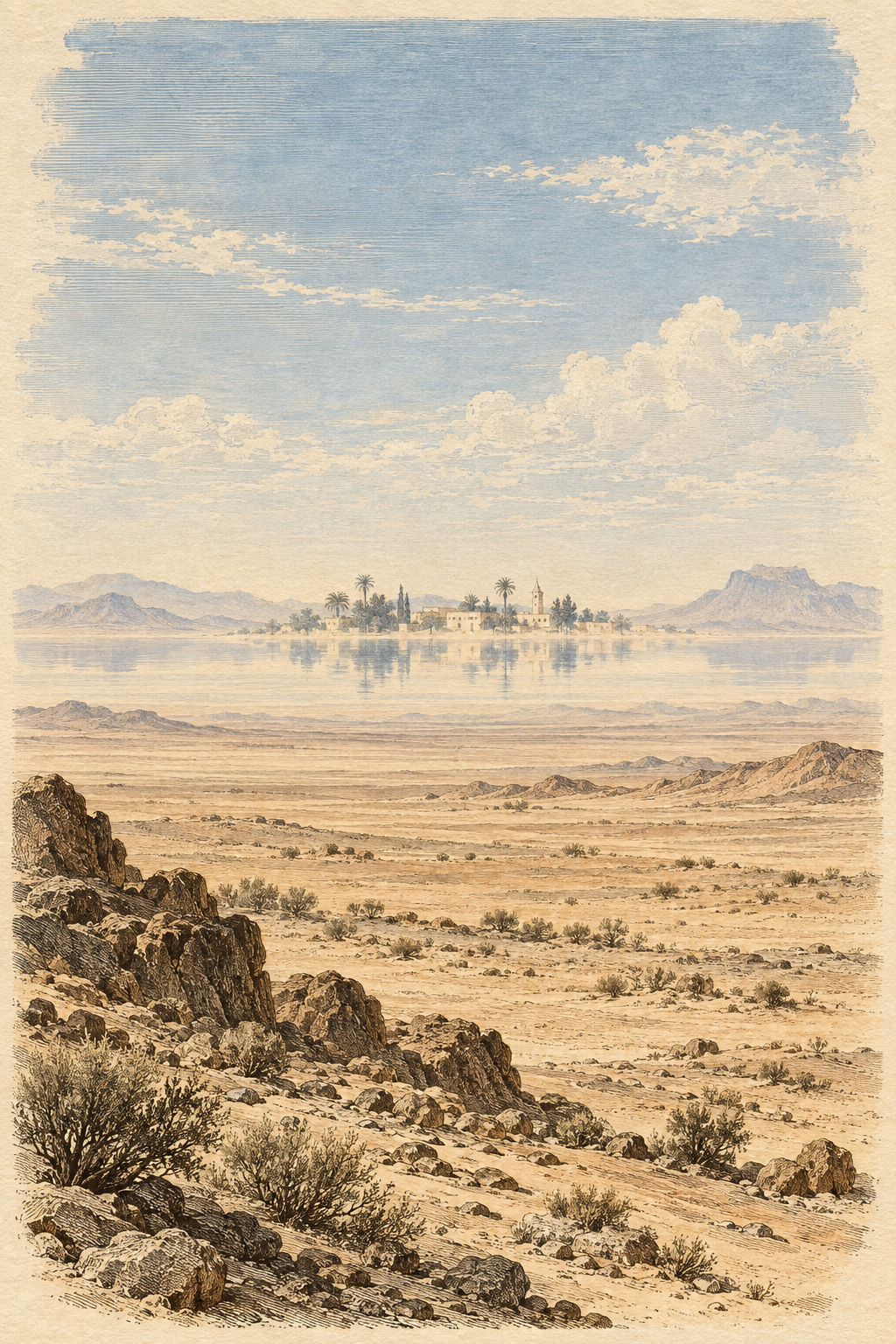
Examinons les alternatives :
- Modifier la requête.
- Démarrer une nouvelle conversation.
- Supprimer des sources (si elles ont été ajoutées manuellement).
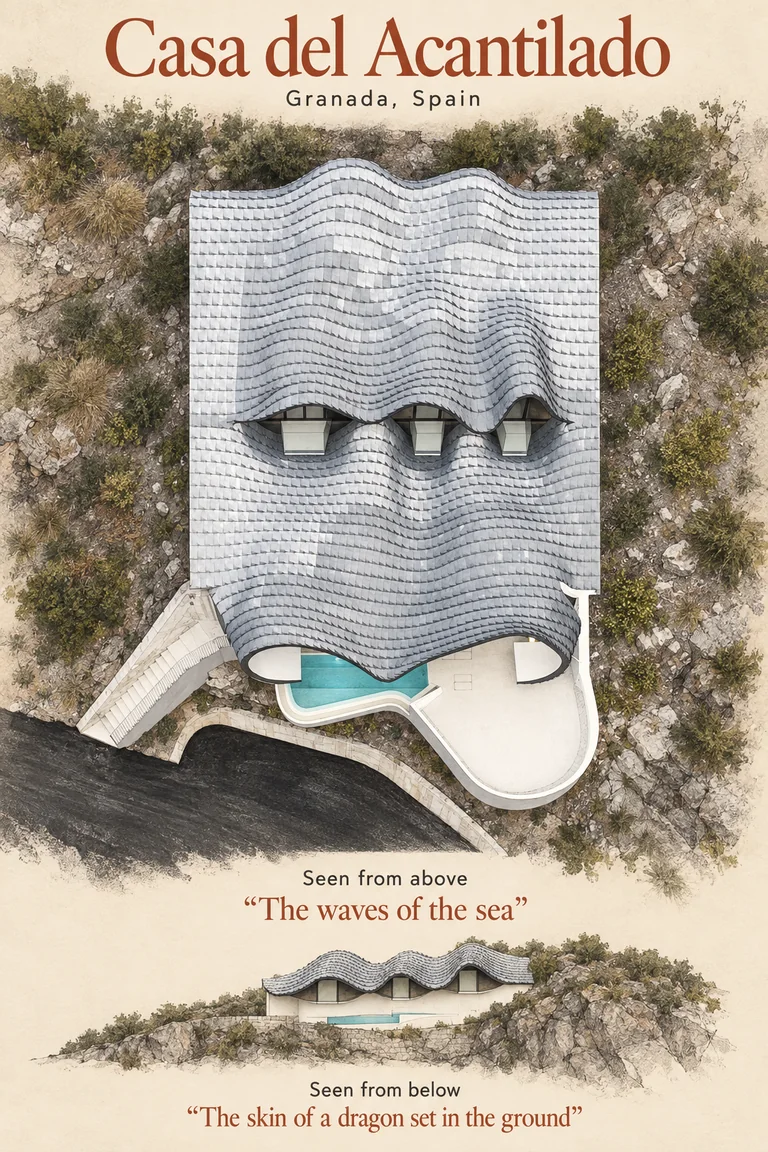
From above: waves. From below: dragon skin
Examinons les alternatives :
- Modifier la requête.
- Démarrer une nouvelle conversation.
- Supprimer des sources (si elles ont été ajoutées manuellement).
Inside NASA's Orion Ascent Abort-2 launch test
Examinons les alternatives :
- Modifier la requête.
- Démarrer une nouvelle conversation.
- Supprimer des sources (si elles ont été ajoutées manuellement).
Make one rented corner feel like a retreat
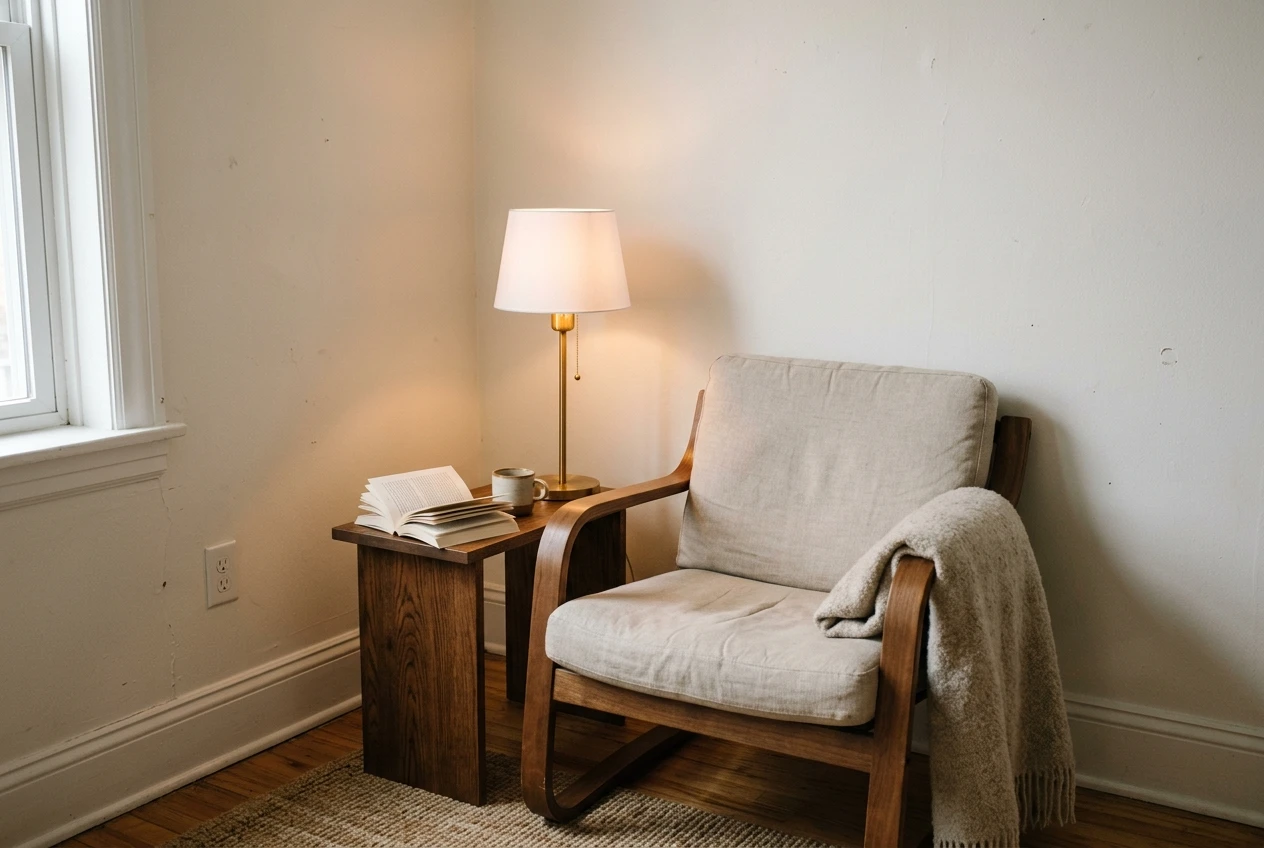
Imagine sinking into a low, deep seat surrounded by amber lamplight, natural wood grain, and soft textures that make the rest of the room fade away[1][2]. Even in a rental with strict lease rules, you can carve out an inviting, hut-like retreat in a single awkward corner without drilling or renovating[3].
Here are three renter-safe moves to set the scene:
- Lower the colour temperature: Swap your overhead bulb for a warm LED running between 2700K and 3000K to cast an amber, candle-like glow that instantly softens the space[4].
- Angle your seating: Instead of pushing furniture flat against the walls, angle your chair forty-five degrees into the room to create an intentional destination and leave a hidden triangle of space behind it for cords[5].
- Layer soft textiles and natural grain: Drape a heavy wool or chunky knit throw over the back of your seat, and place a low woven basket filled with split logs nearby to bring in organic texture without a fireplace[6].
Why not try swapping out a single light bulb or angling a chair this week to see how the corner feels[7]?[8]
Examinons les alternatives :
- Modifier la requête.
- Démarrer une nouvelle conversation.
- Supprimer des sources (si elles ont été ajoutées manuellement).
Why test a settlement’s life-support loop before building it?
The 1977 NASA Ames study called for testing a fully closed life-support system because settlement agriculture was expected both to feed people and to help renew the air by absorbing carbon dioxide and producing oxygen, yet a large living system had not been operated in a closed loop[1][2]. The study therefore recommended demonstrating complete closure first on a small scale, then on a large scale, before colonization began, while studying the microbes needed to keep agriculture, animals and people healthy[3][4].
Examinons les alternatives :
- Modifier la requête.
- Démarrer une nouvelle conversation.
- Supprimer des sources (si elles ont été ajoutées manuellement).
How did Gibb explain the Shetland black dust?
In Gibb’s account, the reported evidence is a fall of black dust on Shetland in October 1755. It looked like lampblack, smelled strongly of sulphur, coated the faces and hands of people working in the fields, and blackened their linen[1].
The proposed source was Hekla, about 500 to 600 miles away. Gibb says that, because the wind was southwesterly, people presumed the dust had come from there; he added that he thought this was “undoubtedly true”[2]. That is his historical judgment, not independent modern verification of where the dust originated.
Examinons les alternatives :
- Modifier la requête.
- Démarrer une nouvelle conversation.
- Supprimer des sources (si elles ont été ajoutées manuellement).