Comprehensive Guide to Building Inclusive Gaming Communities
Foundations of Inclusive Gaming Communities


Inclusive gaming communities thrive on creating environments where every player feels welcome, respected, and engaged[1]. Developers and community managers must recognize that a vibrant community not only nurtures player retention but also fuels the creative exchange of ideas and content[1]. By focusing on fostering strong connections from the outset, gaming communities can become spaces where collaboration and positive interactions are the norm[4].
Establishing Inclusive Policies and Guidelines
A cornerstone for any inclusive community is the establishment of clear, comprehensive policies that set expectations for behavior and engagement[6]. These policies should include a zero-tolerance stance on harassment and discrimination, ensuring that all members understand the boundaries of acceptable behavior[6]. In addition, displaying community guidelines prominently and reinforcing them regularly helps deter toxicity and fosters a spirit of mutual respect[4].
Onboarding Rituals and Fostering Community Identity

Welcoming new members with designated introductions and mentorship programs is a powerful way to integrate them into the community's culture and purpose[1]. Onboarding rituals that include clear explanations of the community's values and frequent engagement events contribute to a sense of belonging and continuity[4]. Such practices encourage participation and the sharing of player experiences, which reinforces community identity and loyalty over time[1].
Effective Conflict Resolution Strategies

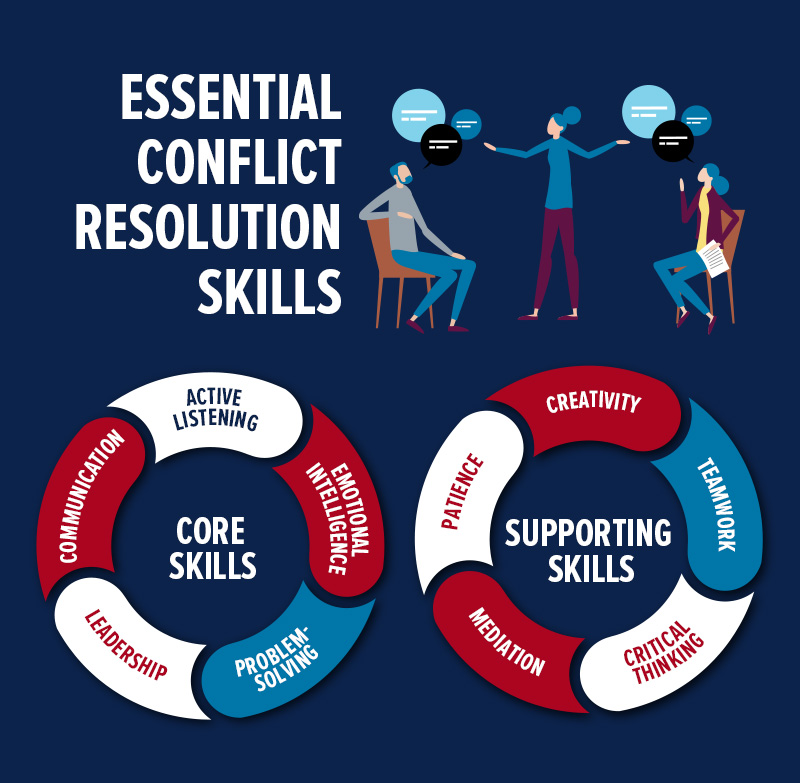
Conflict is inevitable in any community, and establishing mechanisms for fair and transparent resolution is critical for maintaining a positive environment[5]. Leaders and moderators should ensure open and honest communication when disagreements arise, offering mediation and clear guidance throughout the process[5]. Regular team check-ins, designated roles, and thorough documentation of learnings from conflicts help prevent future issues while rebuilding trust among community members[5].
Ensuring Accessibility for All Players

Making games accessible is a fundamental aspect that supports diverse participation and ensures that players with disabilities can enjoy the gaming experience[2]. Effective measures include providing options for captioning, audio narration, screen magnification, and high contrast modes to aid players who are deaf, blind, or have other visual or auditory impairments[7]. Further, the availability of adjustable difficulty levels, text-to-speech options, and easy-to-use controllers underlines the commitment to fostering an accessible gameplay environment for all[7].
Embracing Cultural Sensitivity and Adaptation


Cultural sensitivity is essential for creating games that resonate with a global audience, requiring developers to research and represent various cultures authentically[3]. Developers should work with cultural consultants and community representatives to avoid stereotypes and ensure that characters, narratives, and settings reflect true cultural contexts[3]. Additionally, language localization and the adaptation of game content to include culturally relevant references can significantly enhance player immersion and contribute to cross-cultural understanding[9].
Conclusion

Building inclusive gaming communities requires a multifaceted approach that balances strong policies, effective onboarding, robust conflict resolution, comprehensive accessibility, and thoughtful cultural representation[1]. By integrating clear codes of conduct, welcoming rituals, open communication channels, and adaptive design practices, leaders can foster an environment where every player feels empowered and valued[6]. This holistic model not only enhances player experiences but also builds lasting connections that support the long-term success of both the game and its community[4].
Créez votre compte pour conserver cette réponse et la reprendre plus tard.
Examinons les alternatives :
- Modifier la requête.
- Démarrer une nouvelle conversation.
- Supprimer des sources (si elles ont été ajoutées manuellement).