
Why is rare-earth recycling crucial for cleantech growth?
Rare-earth recycling is crucial for cleantech growth because it secures domestic access to essential raw materials while mitigating severe supply vulnerabilities. China currently dominates the global supply chain, controlling approximately 85% to 90% of refined rare earth output and magnet production [1][2][3]. This high concentration creates significant price volatility, geopolitical dependence, and national security risks for nations building clean energy and advanced technologies [4][5].
Supply Risks Across Magnets, Batteries, and Turbines
Rare earth elements, particularly neodymium-iron-boron (NdFeB) permanent magnets, are vital components across major cleantech and digital sectors [6].
* Magnets and Electric Vehicles: Modern electric vehicles, hybrid transmissions, and power steering modules rely heavily on dozens of rare earth motors [7][8][9].
* Wind Turbines: Renewable energy infrastructure depends on permanent magnets for large generators; a single large wind turbine can contain up to 200 kilograms of rare earth materials [10][11].
* Batteries and Electronics: Beyond magnets, critical minerals used in batteries and electronic components face similar supply bottlenecks driven by rising demand in AI data centers, robotics, and consumer electronics [12][13][14].
Furthermore, traditional mining of rare earth elements carries a massive environmental footprint, often producing up to 2,000 tons of toxic waste per ton of extracted material alongside heavy water use and habitat disruption [15][16].
Cutting Geopolitical Dependence via Closed-Loop Systems
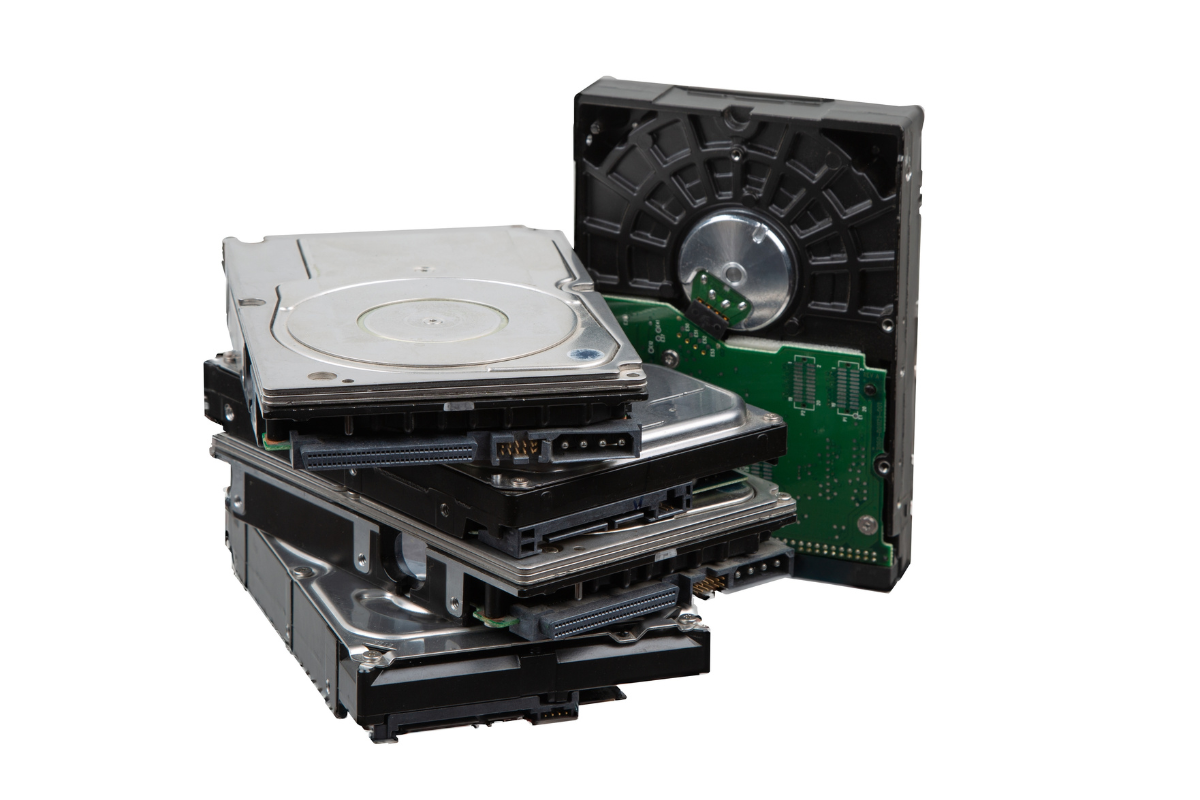
Closed-loop and short-loop recycling systems intercept end-of-life products—such as hard disk drives, discarded electronics, and manufacturing swarf—before they enter destructive shredding or waste streams [17][18][19]. By utilizing urban mining, these systems bypass traditional mining timelines and establish a domestic, resilient supply of rare earth elements [20][21]. Advanced recovery methods also cut carbon footprints significantly compared to primary extraction and conventional chemical separation [22][23].
Emerging Recycling Startups
Several companies are scaling commercial infrastructure to bridge this supply gap:
* Cyclic Materials: Operates proprietary physical and hydrometallurgical technologies (MagCycle and REEPure) to recover high-purity rare earth oxides from end-of-life magnets and manufacturing byproducts [24][25]. The company is actively expanding its footprint with facilities in Ontario and upcoming campuses in South Carolina and Arizona [26][27].
* HyProMag USA: A joint venture utilizing a hydrogen-based short-loop recycling process (HPMS) originally developed at the University of Birmingham [28][29]. The method breaks down and demagnetizes neodymium-iron-boron scrap into reusable powder without high-temperature smelting, with a new facility planned for the Dallas-Fort Worth region [30][31].
* Noveon Magnetics: Partners with technology and energy firms to advance magnet-to-magnet recycling initiatives that maintain high-performance standards without reducing materials back to elemental oxides [32][33].
Would you also like to know how hydrogen-based short-loop recycling works for rare earth magnets?Respuesta completa. Hay una opción de seguimiento disponible.
Veamos alternativas:
- Modifica la consulta.
- Inicia un nuevo hilo.
- Eliminar fuentes (si se han agregado manualmente).